Department of Pharmacology, Medical University of Innsbruck, Innsbruck, Austria.
Department of Pharmacology, Medical University of Innsbruck, Innsbruck, Austria.
Exp Neurol. 2024 Jun;376:114749. doi: 10.1016/j.expneurol.2024.114749. Epub 2024 Mar 11.
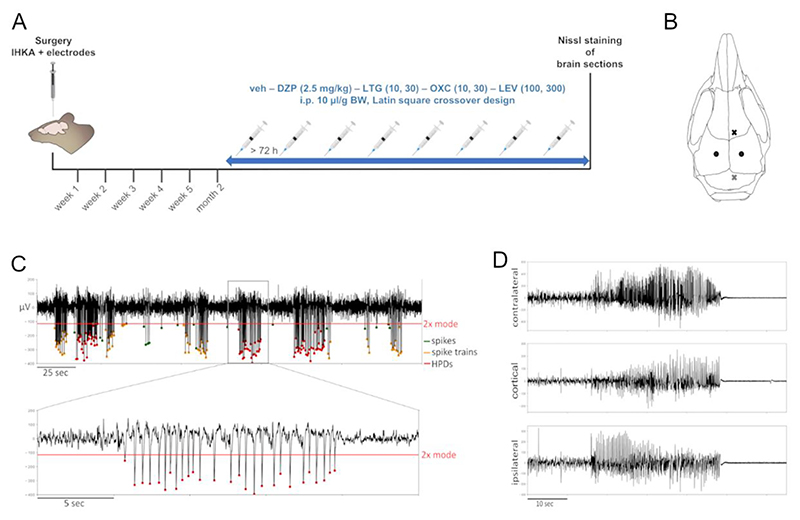
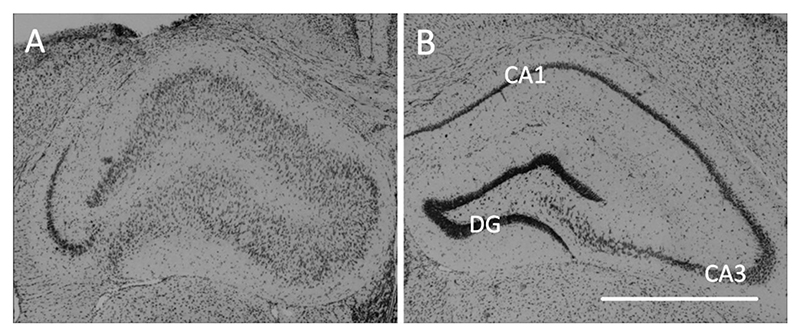
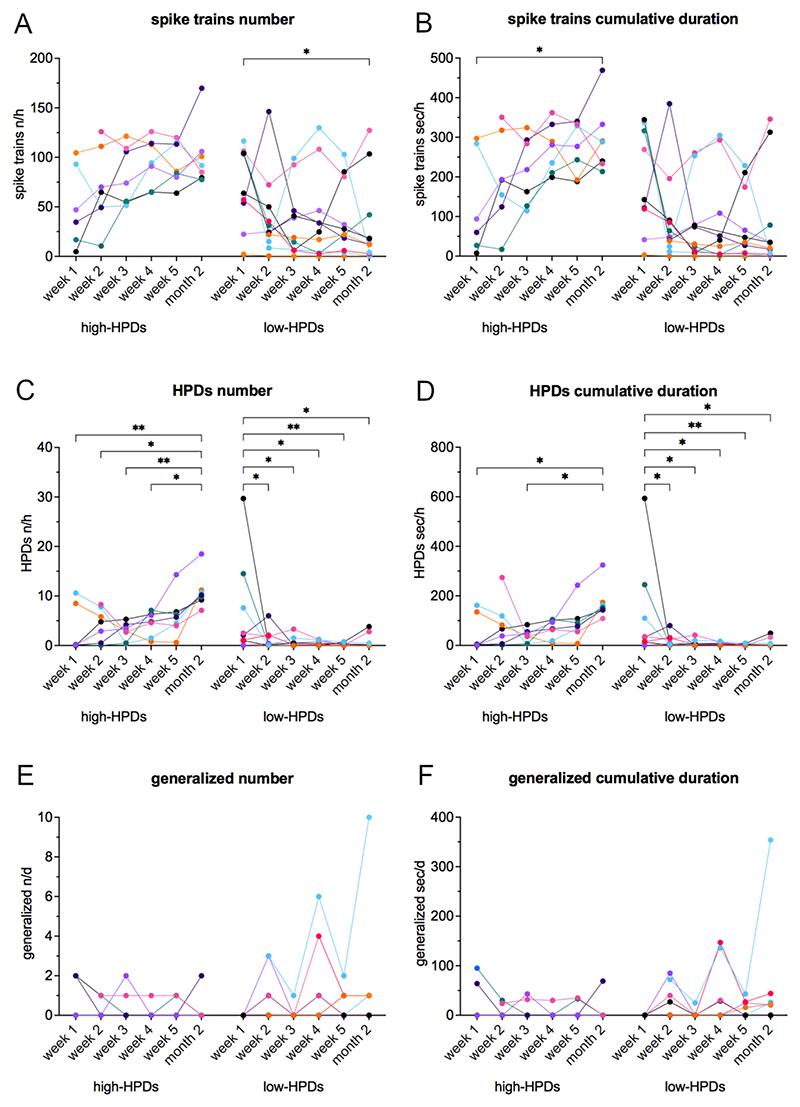
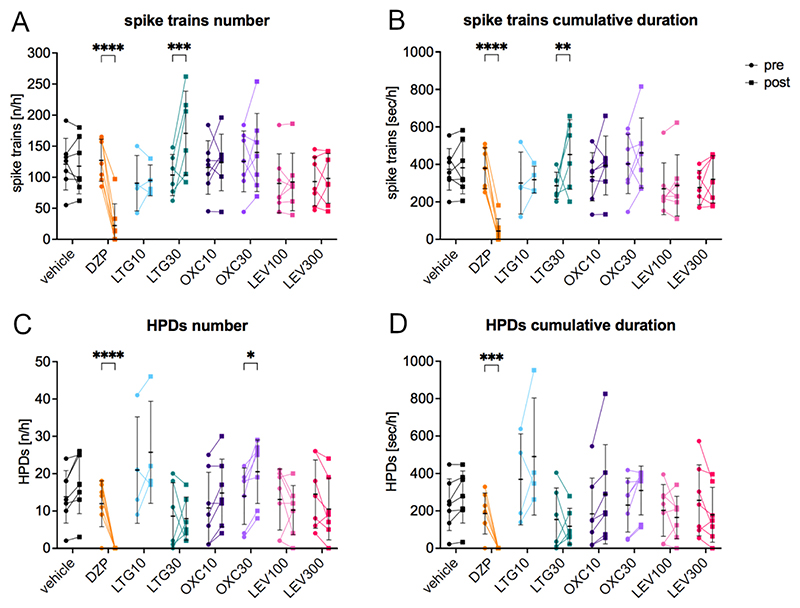
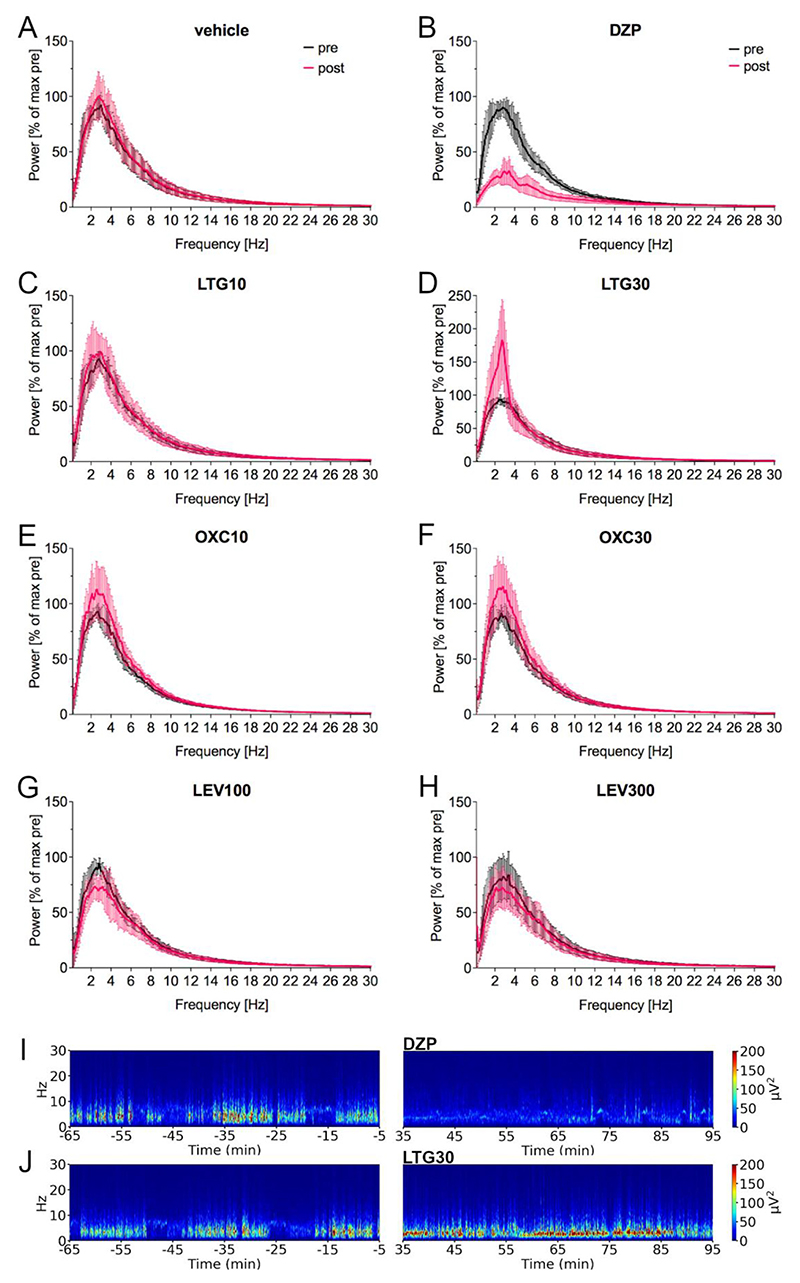
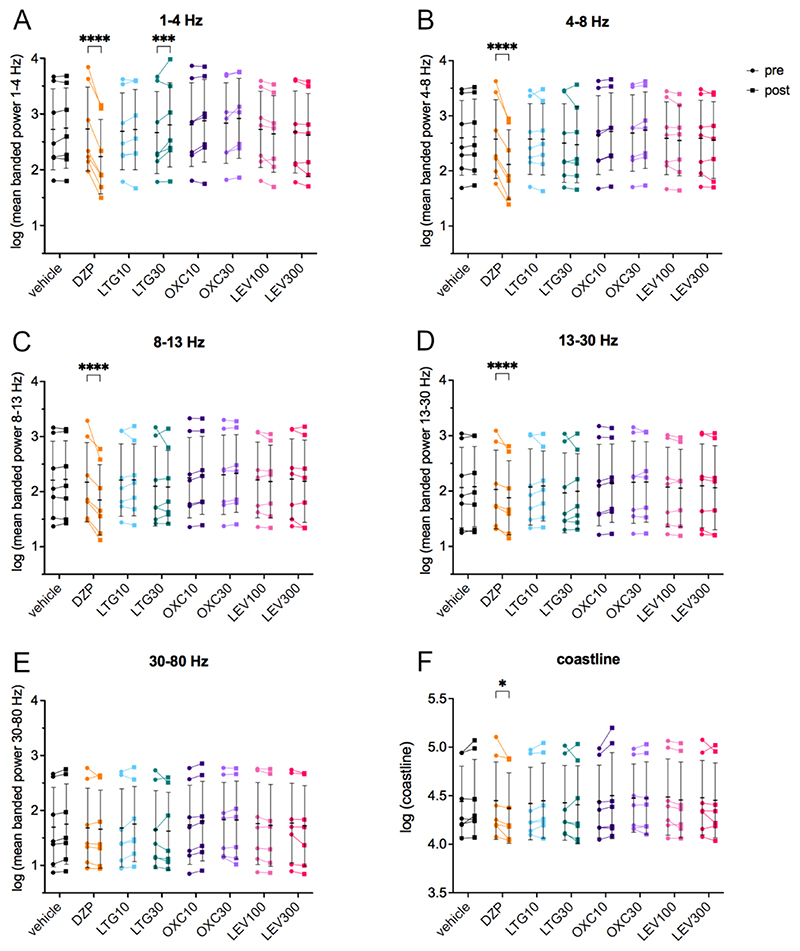
Despite special challenges in the medical treatment of women with epilepsy, in particular preclinical animal studies were focused on males for decades and females have only recently moved into the focus of scientific interest. The intrahippocampal kainic acid (IHKA) mouse model of temporal lobe epilepsy (TLE) is one of the most studied models in males reproducing electroencephalographic (EEG) and histopathological features of human TLE. Hippocampal paroxysmal discharges (HPDs) were described as drug resistant focal seizures in males. Here, we investigated the IHKA model in female mice, in particular drug-resistance of HPDs and the influence of antiseizure medications (ASMs) on the power spectrum. After injecting kainic acid (KA) unilaterally into the hippocampus of female mice, we monitored the development of epileptiform activity by local field potential (LFP) recordings. Subsequently, we evaluated the effect of the commonly prescribed ASMs lamotrigine (LTG), oxcarbazepine (OXC) and levetiracetam (LEV), as well as the benzodiazepine diazepam (DZP) with a focus on HPDs and power spectral analysis and assessed neuropathological alterations of the hippocampus. In the IHKA model, female mice replicated key features of human TLE as previously described in males. Importantly, HPDs in female mice did not respond to commonly prescribed ASMs in line with the drug-resistance in males, thus representing a suitable model of drug-resistant seizures. Intriguingly, we observed an increased occurrence of generalized seizures after LTG. Power spectral analysis revealed a pronounced increase in the delta frequency range after the higher dose of 30 mg/kg LTG. DZP abolished HPDs and caused a marked reduction over a wide frequency range (delta, theta, and alpha) of the power spectrum. By characterizing the IHKA model of TLE in female mice we address an important gap in basic research. Considering the special challenges complicating the therapeutic management of epilepsy in women, inclusion of females in preclinical studies is imperative. A well-characterized female model is a prerequisite for the development of novel therapeutic strategies tailored to sex-specific needs and for studies on the effect of epilepsy and ASMs during pregnancy.
尽管女性癫痫患者的治疗存在特殊挑战,但数十年来,特别是在临床前动物研究中,重点都是男性,而女性直到最近才成为科学关注的焦点。海人酸(KA)诱导的颞叶癫痫(TLE)内侧海马脑区(IHKA)啮齿类动物模型是研究最多的男性模型之一,可重现人类 TLE 的脑电图(EEG)和组织病理学特征。海马阵发性放电(HPDs)被描述为男性耐药性局灶性癫痫发作。在这里,我们研究了雌性小鼠的 IHKA 模型,特别是 HPDs 的耐药性以及抗癫痫药物(ASMs)对功率谱的影响。在将 KA 单侧注射到雌性小鼠的海马体后,我们通过局部场电位(LFP)记录监测癫痫样活动的发展。随后,我们评估了常用 ASMs 拉莫三嗪(LTG)、奥卡西平(OXC)和左乙拉西坦(LEV)以及苯二氮䓬类药物地西泮(DZP)的作用,重点是 HPDs 和功率谱分析,并评估了海马体的神经病理学改变。在 IHKA 模型中,雌性小鼠复制了先前在雄性中描述的人类 TLE 的关键特征。重要的是,与雄性中的耐药性一致,雌性小鼠的 HPDs 对常用的 ASMs 没有反应,因此代表了一种合适的耐药性癫痫发作模型。有趣的是,我们观察到 LTG 高剂量(30mg/kg)后全身性癫痫发作的发生率增加。功率谱分析显示,在 LTG 高剂量(30mg/kg)后,δ 频段的功率明显增加。DZP 消除了 HPDs,并在较宽的频率范围内(δ、θ和α)导致功率谱明显减少。通过描述雌性小鼠的 IHKA 模型,我们解决了基础研究中的一个重要空白。考虑到女性癫痫治疗中特殊挑战的复杂性,将女性纳入临床前研究至关重要。一个特征良好的女性模型是开发针对特定性别需求的新型治疗策略以及研究癫痫和 ASMs 对妊娠影响的前提。