Wang Mu, Zhang Wenhui, Yang Liu, Li Yueqiu, Zheng Hailiang, Dou Haiyang
Key Laboratory of Pathogenesis Mechanism and Control of Inflammatory-Autoimmune Disease of Hebei Province, College of Basic Medical Sciences, Hebei University, Baoding 071000, China.
Clinical Laboratory, Affiliated Hospital of Hebei University, Baoding 071000, China.
Food Chem X. 2024 Mar 1;22:101267. doi: 10.1016/j.fochx.2024.101267. eCollection 2024 Jun 30.
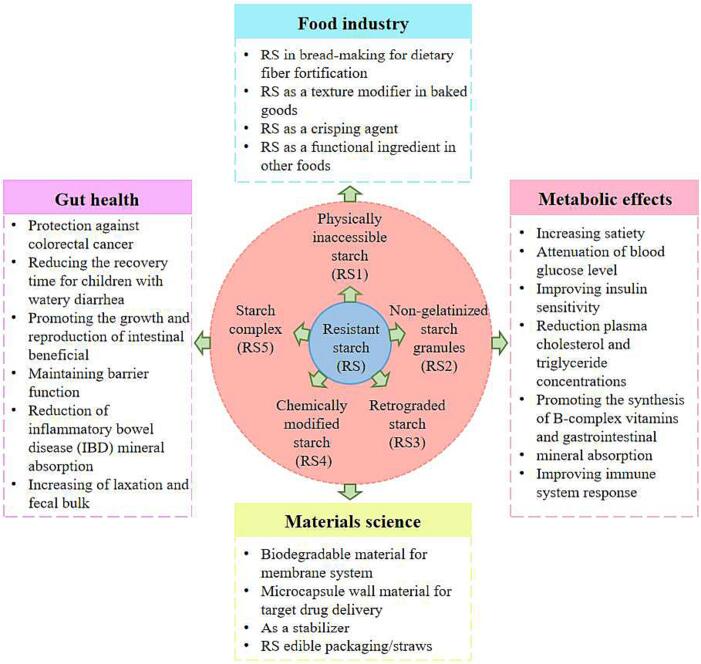
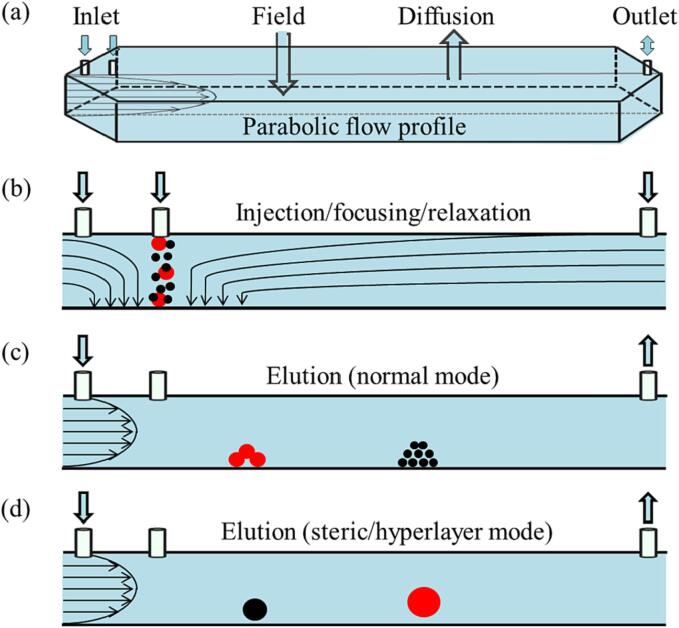
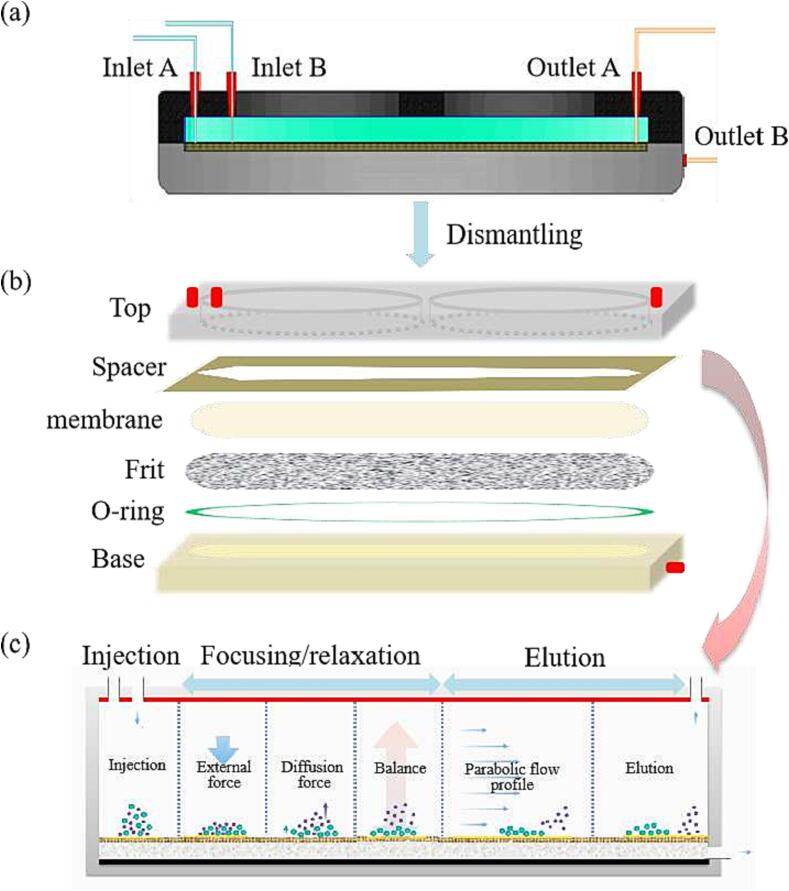
The unique properties of resistant starch (RS) have made it applicable in the formulation of a broad range of functional foods. The physicochemical properties of RS play a crucial role in its applications. Recently, flow field-flow fractionation (FlFFF) has attracted increasing interest in the separation and characterization of different categories of RS. In this review, an overview of the theory behind FlFFF is introduced, and the controllable factors, including FlFFF channel design, sample separation conditions, and the choice of detector, are discussed in detail. Furthermore, the applications of FlFFF for the separation and characterization of RS at both the granule and molecule levels are critically reviewed. The aim of this review is to equip readers with a fundamental understanding of the theoretical principle of FlFFF and to highlight the potential for expanding the application of RS through the valuable insights gained from FlFFF coupled with multidetector analysis.
抗性淀粉(RS)的独特性质使其可应用于多种功能性食品的配方中。RS的物理化学性质在其应用中起着关键作用。最近,流场-流分级法(FlFFF)在不同类别RS的分离和表征方面引起了越来越多的关注。在这篇综述中,介绍了FlFFF背后的理论概述,并详细讨论了可控因素,包括FlFFF通道设计、样品分离条件和检测器的选择。此外,还对FlFFF在颗粒和分子水平上对RS的分离和表征应用进行了批判性综述。这篇综述的目的是使读者对FlFFF的理论原理有基本的了解,并通过FlFFF与多检测器分析获得的宝贵见解突出扩大RS应用的潜力。