Brandt Sabine, Bernhardt Anja, Häberer Saskia, Wolters Katharina, Gehringer Fabian, Reichardt Charlotte, Krause Anna, Geffers Robert, Kahlfuß Sascha, Jeron Andreas, Bruder Dunja, Lindquist Jonathan A, Isermann Berend, Mertens Peter R
Clinic of Nephrology and Hypertension, Diabetes and Endocrinology, Otto-von-Guericke University, 39120 Magdeburg, Germany.
Medical Faculty, Health Campus Immunology, Infectiology and Inflammation (GCI-3), Otto-von-Guericke University, 39120 Magdeburg, Germany.
Cells. 2024 Feb 20;13(5):367. doi: 10.3390/cells13050367.
Fibrosis is characterized by excessive extracellular matrix formation in solid organs, disrupting tissue architecture and function. The Y-box binding protein-1 (YB-1) regulates fibrosis-related genes (e.g., , , and ) and contributes significantly to disease progression. This study aims to identify fibrogenic signatures and the underlying signaling pathways modulated by YB-1.
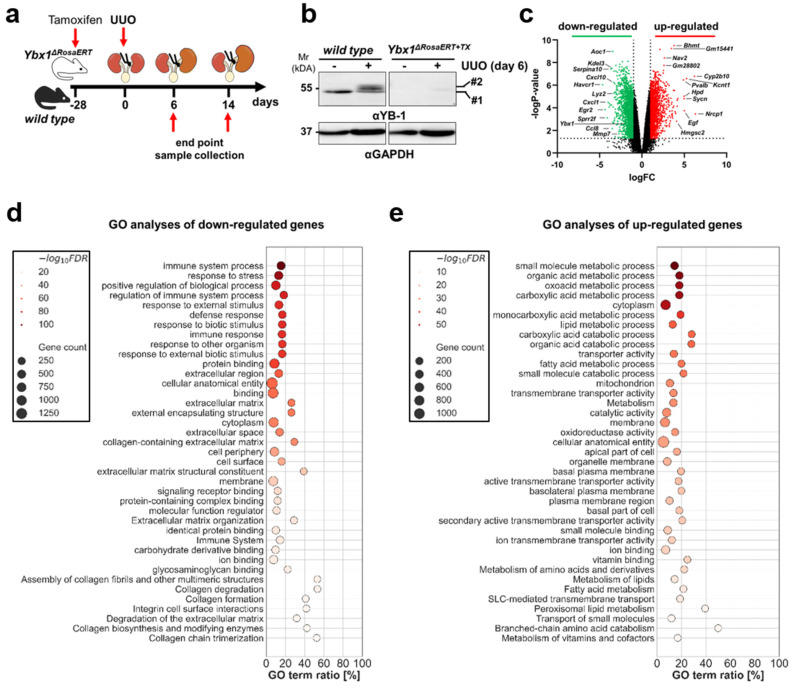
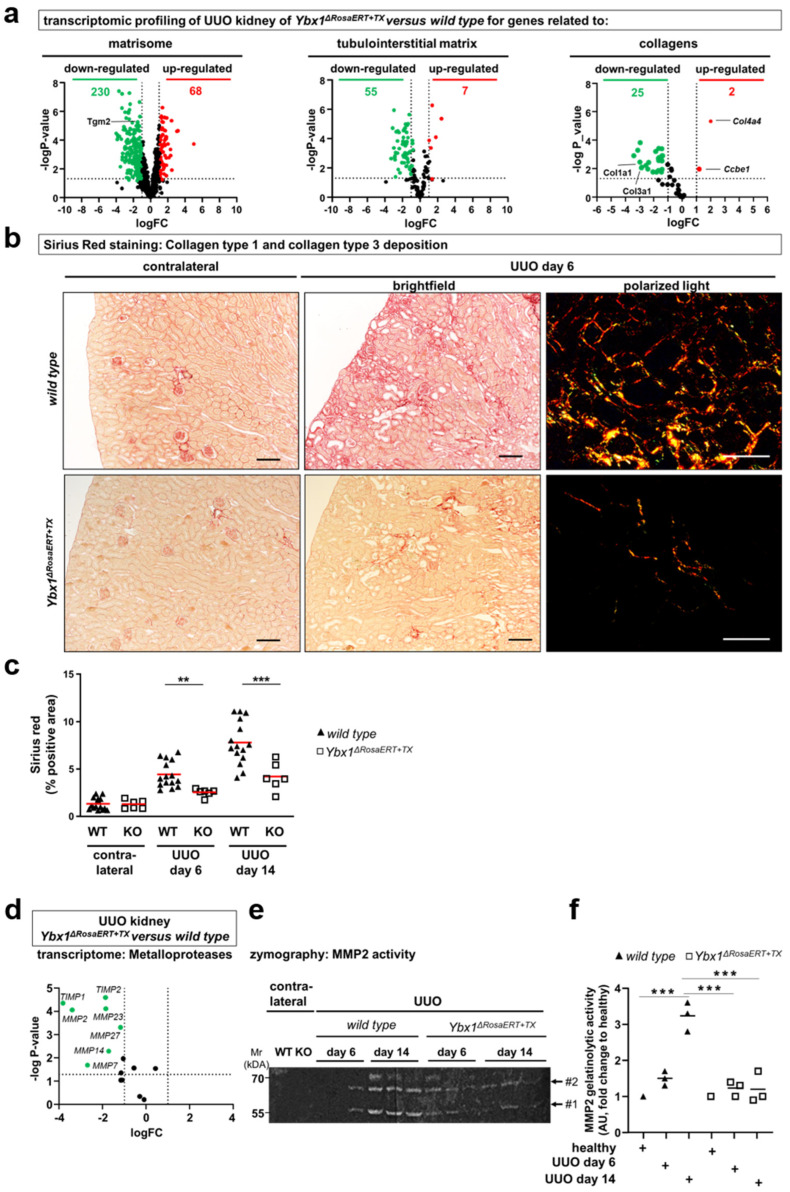
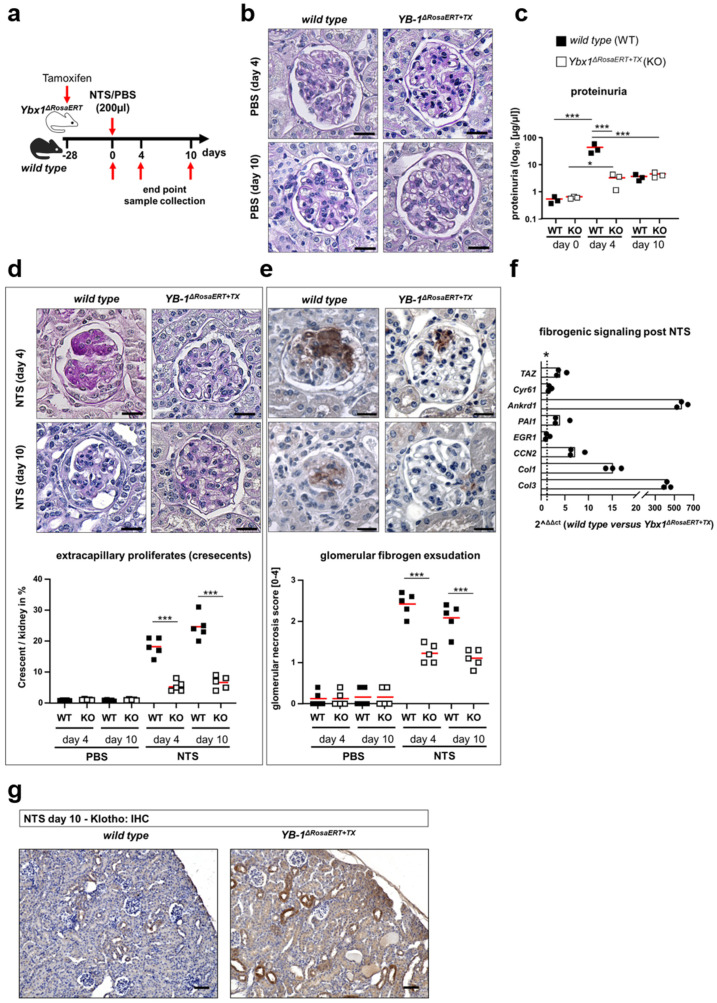
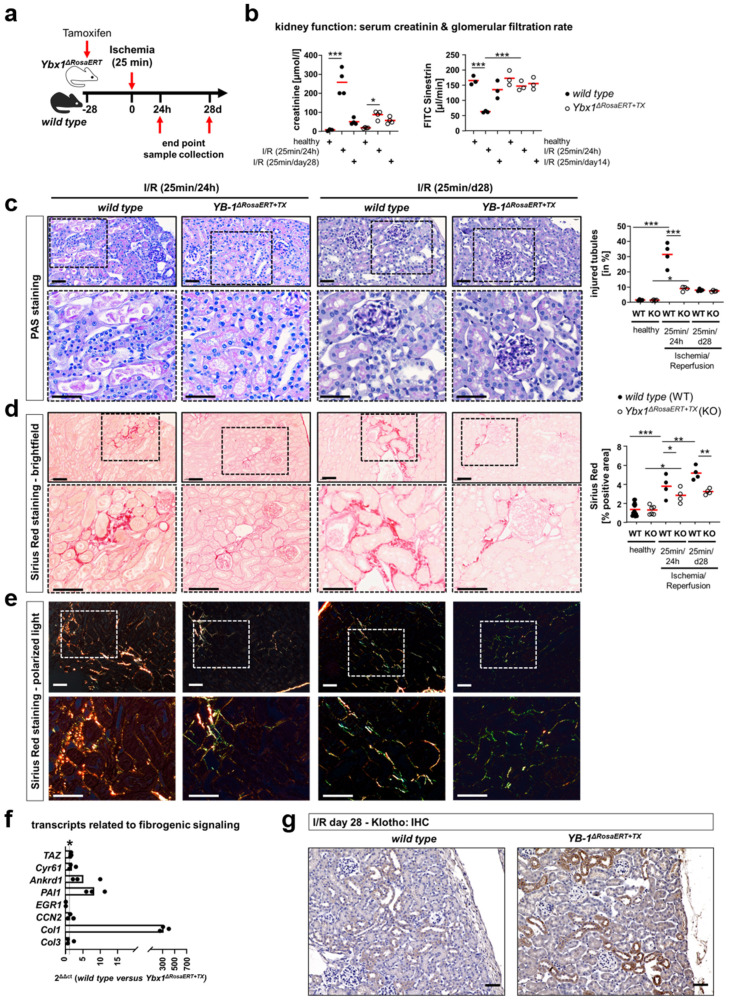
Transcriptomic changes associated with matrix gene patterns in human chronic kidney diseases and murine acute injury models were analyzed with a focus on known YB-1 targets. -knockout mouse strains ( and ) were subjected to various kidney injury models. Fibrosis patterns were characterized by histopathological staining, transcriptome analysis, qRT-PCR, methylation analysis, zymography, and Western blotting.
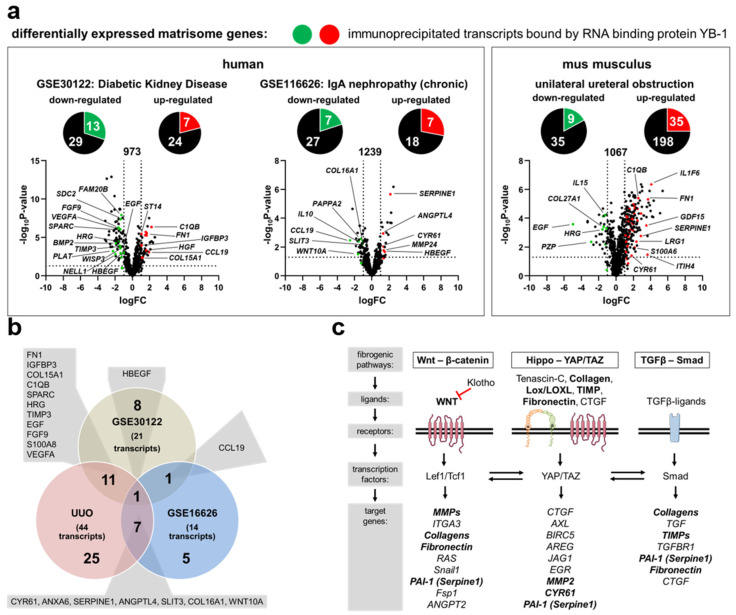
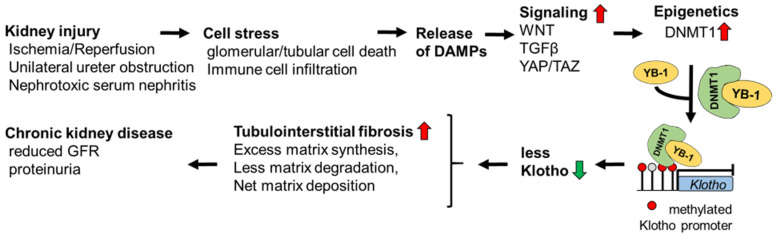
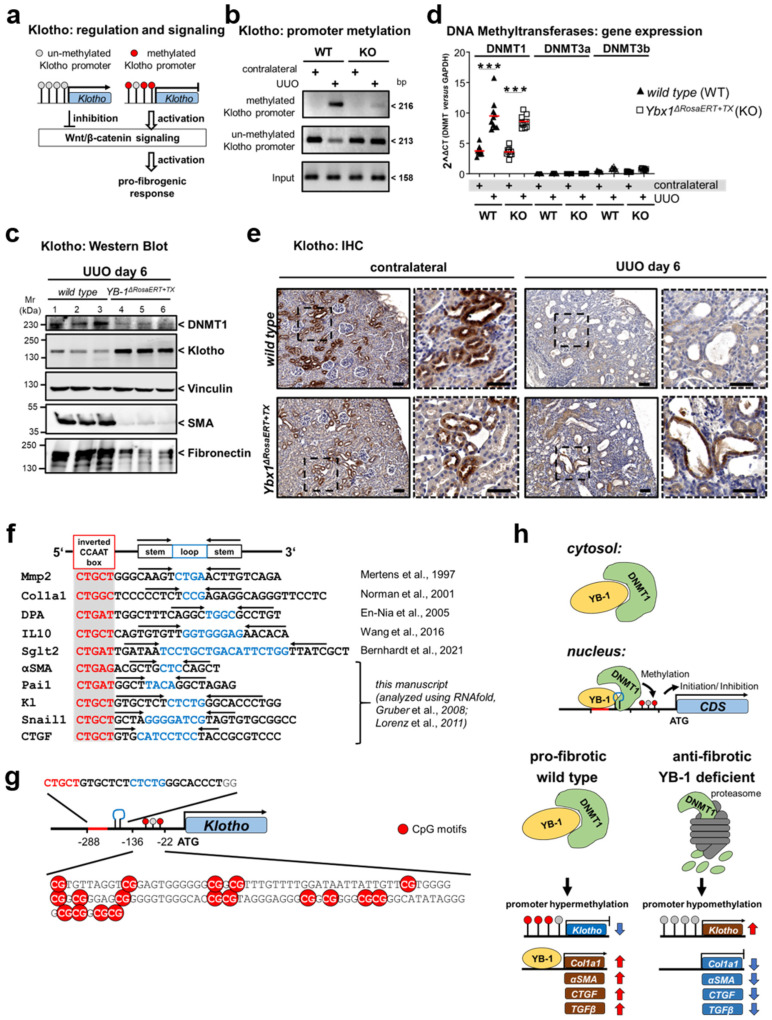
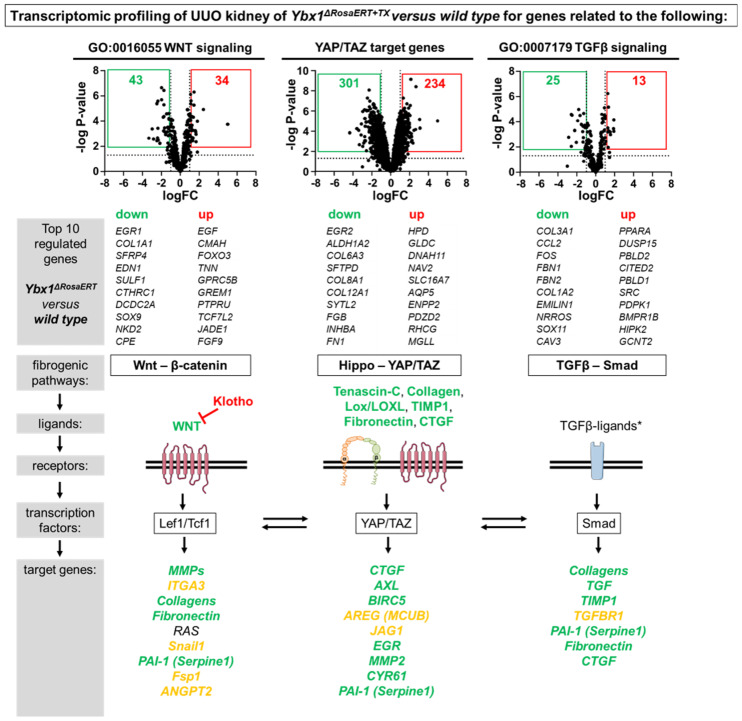
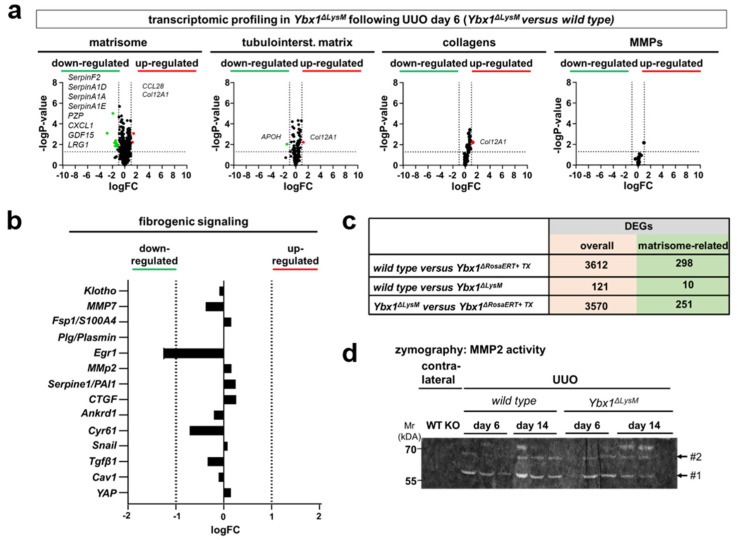
Integrative transcriptomic analyses revealed that YB-1 is involved in several fibrogenic signatures related to the matrisome, the WNT, YAP/TAZ, and TGFß pathways, and regulates Klotho expression. Changes in the methylation status of the Klotho promoter by specific methyltransferases (DNMT) are linked to YB-1 expression, extending to other fibrogenic genes. Notably, kidney-resident cells play a significant role in YB-1-modulated fibrogenic signaling, whereas infiltrating myeloid immune cells have a minimal impact.
YB-1 emerges as a master regulator of fibrogenesis, guiding DNMT1 to fibrosis-related genes. This highlights YB-1 as a potential target for epigenetic therapies interfering in this process.
纤维化的特征是实体器官中细胞外基质过度形成,破坏组织结构和功能。Y盒结合蛋白1(YB-1)调节纤维化相关基因(如、和),并对疾病进展有显著影响。本研究旨在确定由YB-1调节的纤维化特征和潜在信号通路。
分析人类慢性肾病和小鼠急性损伤模型中与基质基因模式相关的转录组变化,重点关注已知的YB-1靶点。将敲除小鼠品系(和)用于各种肾损伤模型。通过组织病理学染色、转录组分析、qRT-PCR、甲基化分析、酶谱分析和蛋白质印迹法对纤维化模式进行表征。
综合转录组分析表明,YB-1参与了与基质体、WNT、YAP/TAZ和TGFβ途径相关的几种纤维化特征,并调节Klotho表达。特定甲基转移酶(DNMT)对Klotho启动子甲基化状态的改变与YB-1表达相关,并扩展到其他纤维化基因。值得注意的是,肾驻留细胞在YB-1调节的纤维化信号传导中起重要作用,而浸润的髓系免疫细胞影响最小。
YB-1成为纤维化的主要调节因子,引导DNMT1作用于纤维化相关基因。这突出了YB-1作为干扰这一过程的表观遗传疗法的潜在靶点。