Wang Shaoxuan, Ruiz Marc, Velasco Luis
Advanced Broadband Communications Center (CCABA), Universitat Politècnica de Catalunya (UPC), 08034 Barcelona, Spain.
Sensors (Basel). 2024 Mar 1;24(5):1625. doi: 10.3390/s24051625.
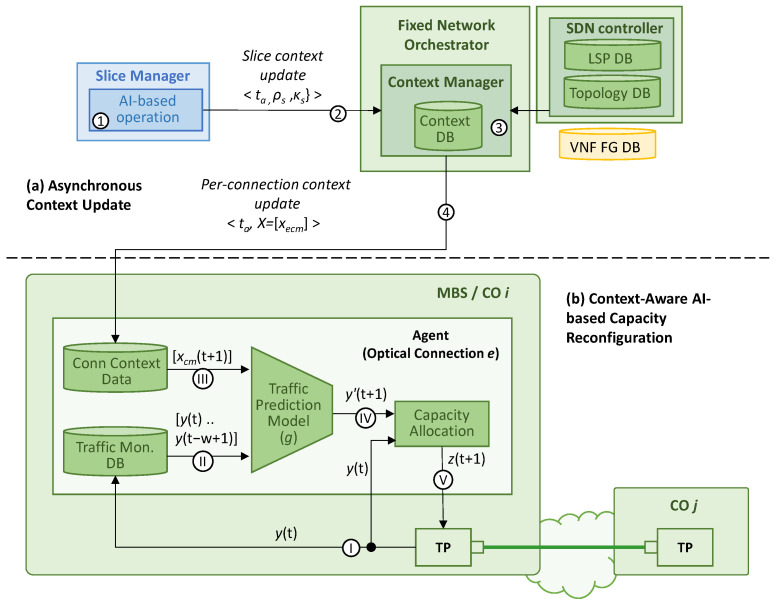
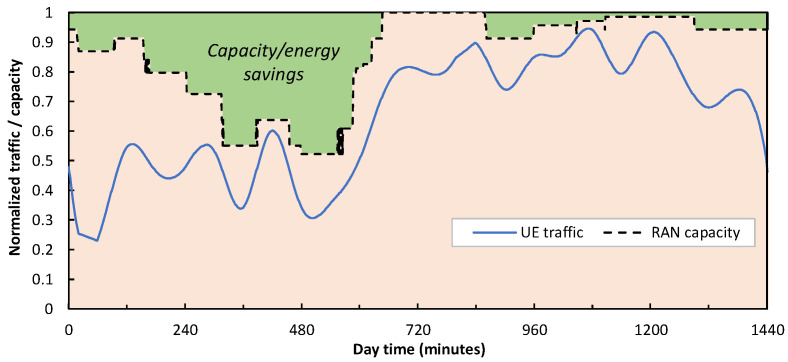
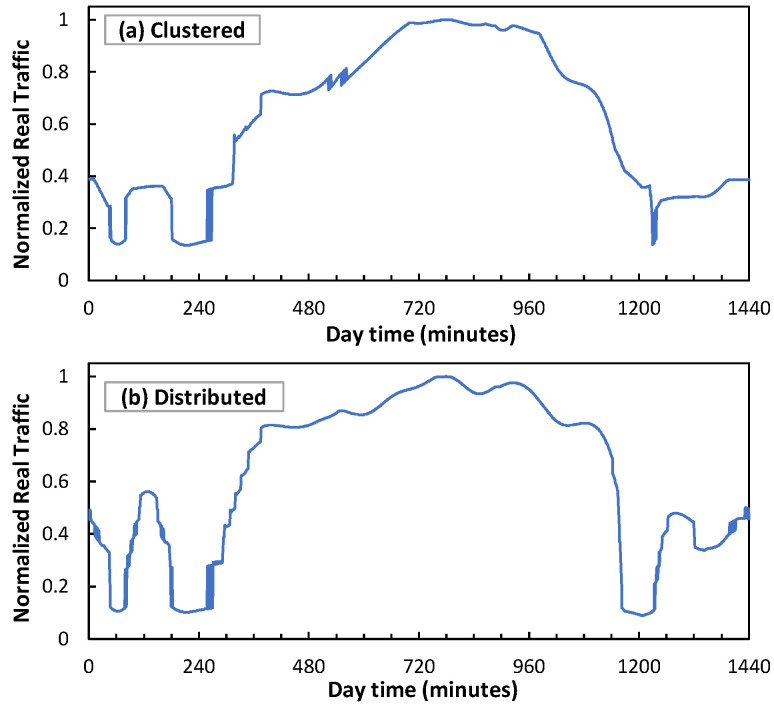
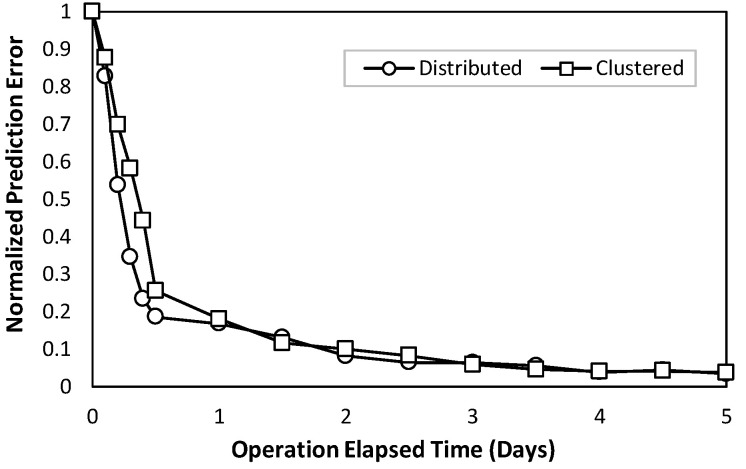
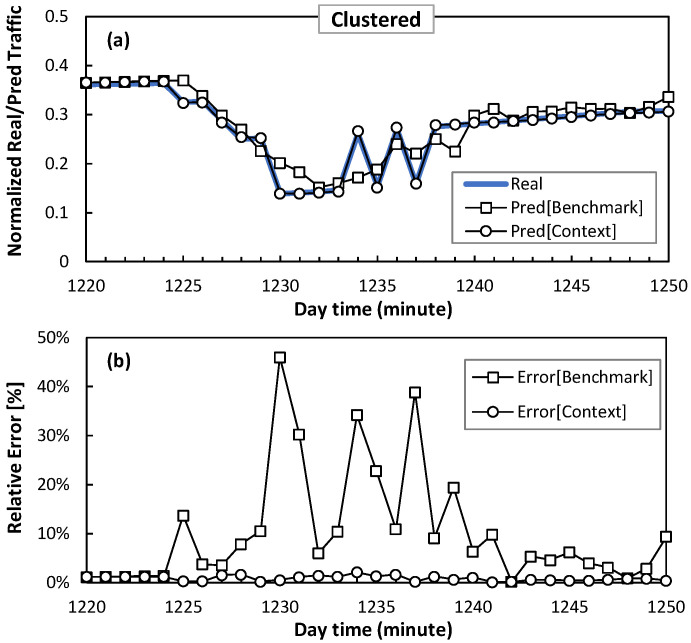
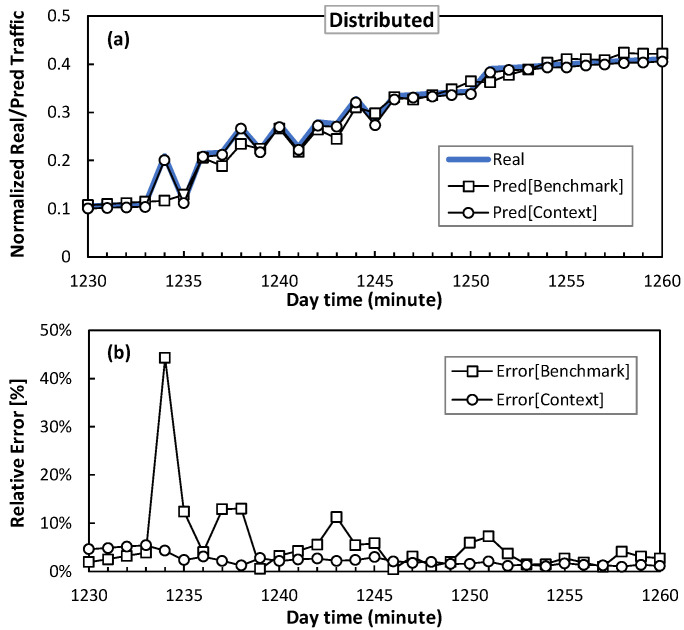
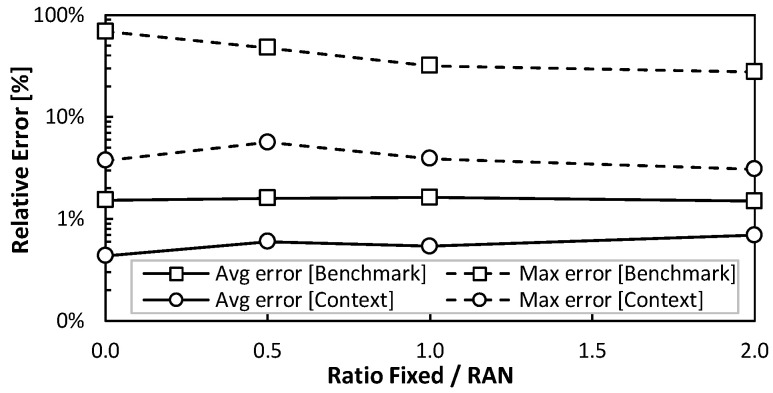
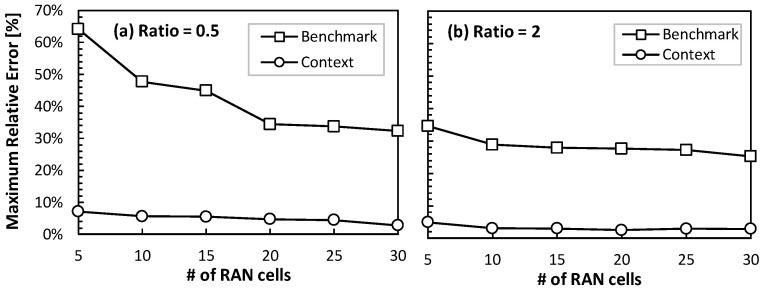
The research and innovation related to fifth-generation (5G) networks that has been carried out in recent years has decided on the fundamentals of the smart slice in radio access networks (RANs), as well as the autonomous fixed network operation. One of the most challenging objectives of beyond 5G (B5G) and sixth-generation (6G) networks is the deployment of mechanisms that enable smart end-to-end (e2e) network operation, which is required for the achievement of the stringent service requirements of the envisioned use cases to be supported in the short term. Therefore, smart actions, such as dynamic capacity allocation, flexible functional split, and dynamic slice management need to be performed in tight coordination with the autonomous capacity management of the fixed transport network infrastructure. Otherwise, the benefits of smart slice operation (i.e., cost and energy savings while ensuring per-slice service requirements) might be cancelled due to uncoordinated autonomous fixed network operation. Notably, the transport network in charge of supporting slices from the user equipment (UE) to the core expands across access and metro fixed networks. The required coordination needs to be performed while keeping the privacy of the radio and fixed network domains, which is important in multi-tenant scenarios where both network segments are managed by different operators. In this paper, we propose a novel approach that explores the concept of context-aware network operation, where the slice control anticipates the aggregated and anonymized information of the expected slice operation that is sent to the fixed network orchestrator in an asynchronous way. The context is then used as the input for the artificial intelligence (AI)-based models used by the fixed network control for the predictive capacity management of optical connections in support of RAN slices. This context-aware network operation aims at enabling accurate and reliable autonomous fixed network operation under extremely dynamic traffic originated by smart RAN operation. The exhaustive numerical results show that slice context availability improves the benchmarking fixed network predictive methods (90% reduction in prediction maximum error) remarkably in the foreseen B5G scenarios, for both access and metro segments and in heterogeneous service demand scenarios. Moreover, context-aware network operation enables robust and efficient operation of optical networks in support of dense RAN cells (>32 base stations per cell), while the benchmarking methods fail to guarantee different operational objectives.
近年来开展的与第五代(5G)网络相关的研究和创新,决定了无线接入网络(RAN)中智能切片以及自主固定网络运营的基础。超5G(B5G)和第六代(6G)网络最具挑战性的目标之一,是部署能够实现智能端到端(e2e)网络运营的机制,这是短期内实现预期用例严格服务要求所必需的。因此,诸如动态容量分配、灵活功能拆分和动态切片管理等智能操作,需要与固定传输网络基础设施的自主容量管理紧密协调执行。否则,由于固定网络自主运营不协调,智能切片运营的优势(即确保每切片服务要求的同时节省成本和能源)可能会被抵消。值得注意的是,负责从用户设备(UE)到核心支持切片的传输网络跨越接入和城域固定网络。所需的协调需要在保持无线和固定网络域隐私的情况下进行,这在两个网络段由不同运营商管理的多租户场景中很重要。在本文中,我们提出了一种新颖的方法,该方法探索了上下文感知网络运营的概念,其中切片控制预测以异步方式发送到固定网络编排器的预期切片运营的聚合和匿名信息。然后,该上下文用作固定网络控制所使用的基于人工智能(AI)的模型的输入,用于光连接的预测容量管理以支持RAN切片。这种上下文感知网络运营旨在在由智能RAN运营产生的极其动态的流量下,实现准确可靠的自主固定网络运营。详尽的数值结果表明,在可预见的B5G场景中,对于接入和城域段以及异构服务需求场景,切片上下文可用性显著提高了基准固定网络预测方法(预测最大误差降低90%)。此外,上下文感知网络运营能够支持密集RAN小区(每个小区>32个基站)的光网络实现稳健高效的运营,而基准方法无法保证不同的运营目标。