Perez Navarro Merlin, Cazzaniga Juliana, Esquenazi Benny
Medicine, Florida International University, Herbert Wertheim College of Medicine, Miami, USA.
Obstetrics and Gynecology, Memorial Healthcare, Pembroke Pines, USA.
Cureus. 2024 Feb 11;16(2):e54006. doi: 10.7759/cureus.54006. eCollection 2024 Feb.
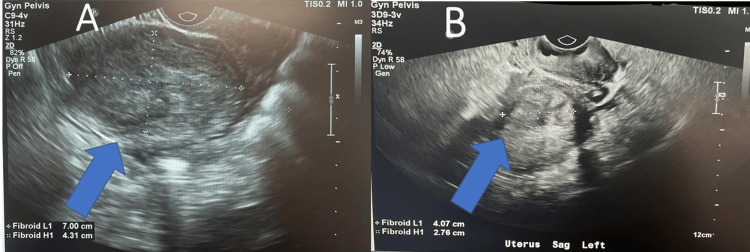
This case report details the evaluation and management of a 40-year-old woman presenting with heavy menstrual bleeding and severe dysmenorrhea. Despite three months of combined oral contraceptives, symptoms persisted. The patient denied other systemic symptoms, with no weight loss, fatigue, or urinary/fecal symptoms. No visual, cardiovascular, pulmonary, abdominal, neurological, or mental health issues were reported. Pelvic imaging revealed a 7 cm × 4.3 cm FIGO 4 fibroid. The chosen treatment was laparoscopic radiofrequency ablation (Acessa) due to its efficacy, safety, and faster recovery. The case highlights the importance of a comprehensive approach to diagnosing and treating abnormal uterine bleeding.
本病例报告详细介绍了一名40岁女性因月经过多和严重痛经前来就诊的评估与治疗过程。尽管服用了三个月的复方口服避孕药,症状仍持续存在。患者否认有其他全身症状,无体重减轻、疲劳或泌尿/粪便症状。未报告有视觉、心血管、肺部、腹部、神经或心理健康问题。盆腔影像学检查发现一个7厘米×4.3厘米的国际妇产科联盟(FIGO)4级肌瘤。由于其有效性、安全性和恢复较快,选择的治疗方法是腹腔镜射频消融术(Acessa)。该病例突出了对异常子宫出血进行综合诊断和治疗方法的重要性。