Department of Cell and Developmental Biology, University College London, London, UK.
Hubrecht Institute, Royal Netherlands Academy of Arts and Sciences, Utrecht, The Netherlands.
Nat Cell Biol. 2024 Apr;26(4):530-541. doi: 10.1038/s41556-024-01378-y. Epub 2024 Mar 18.
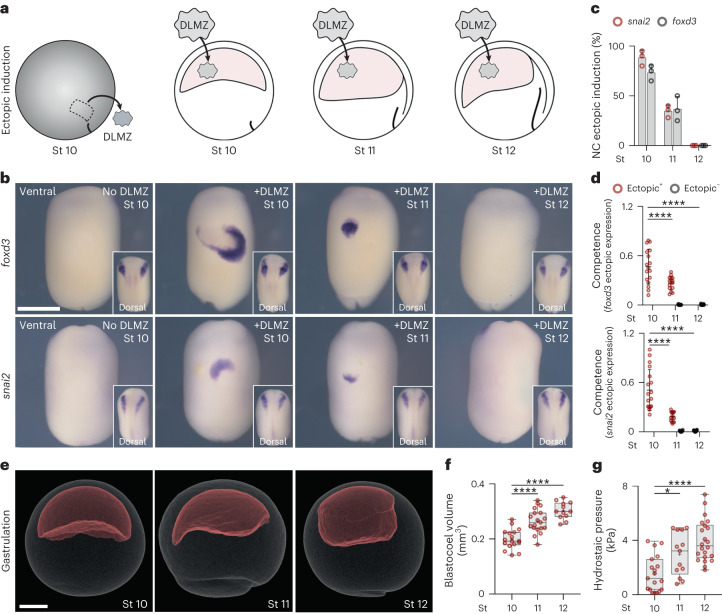
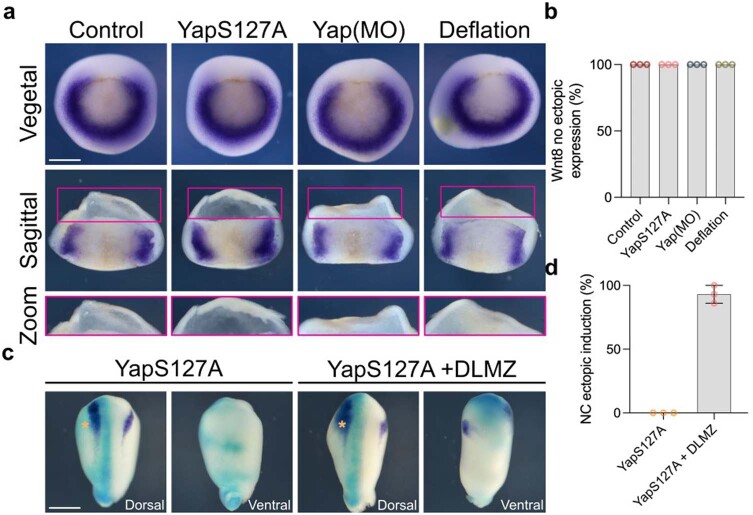
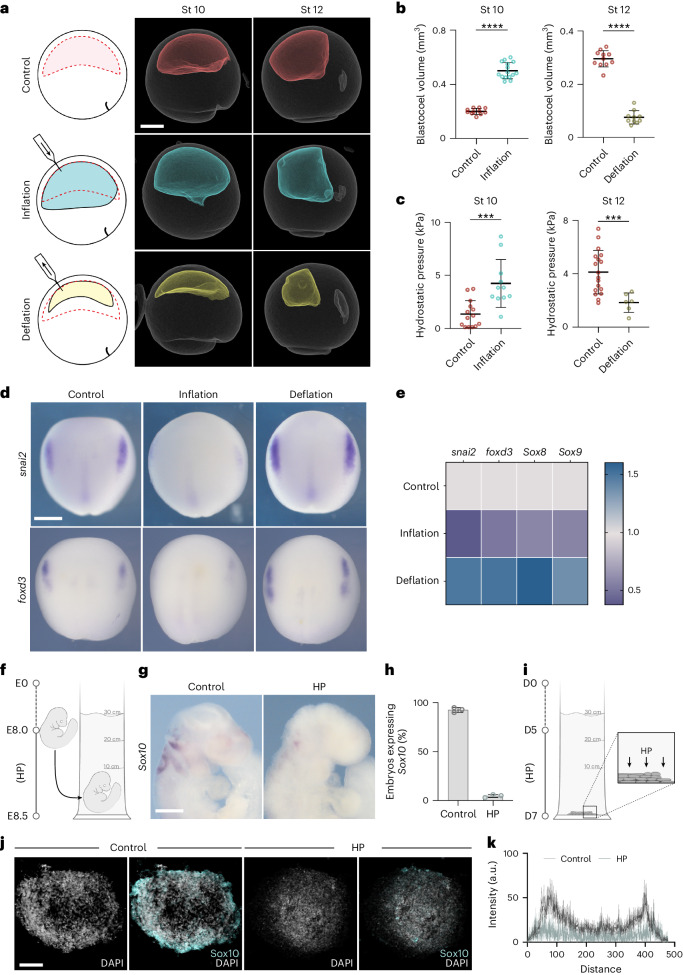
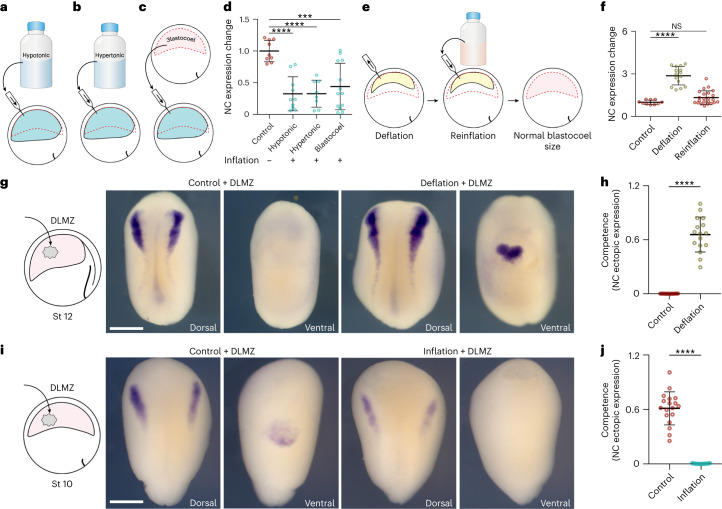
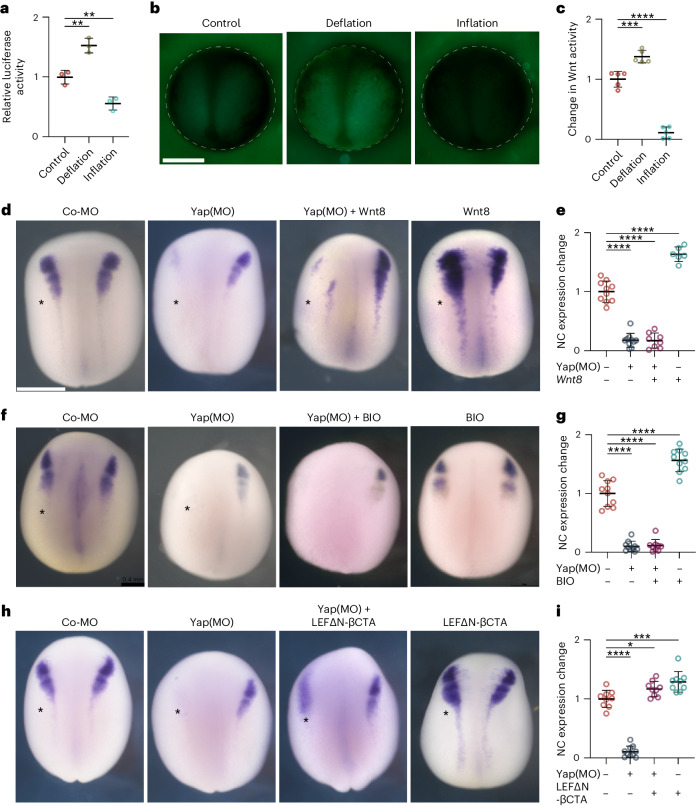
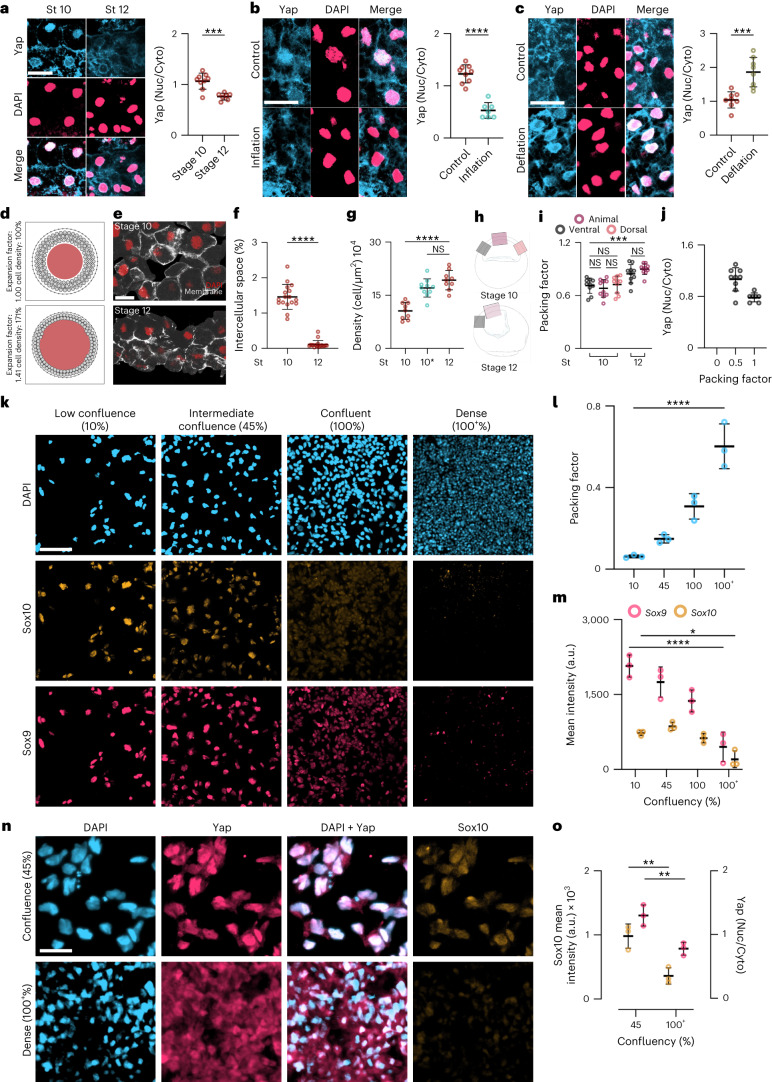
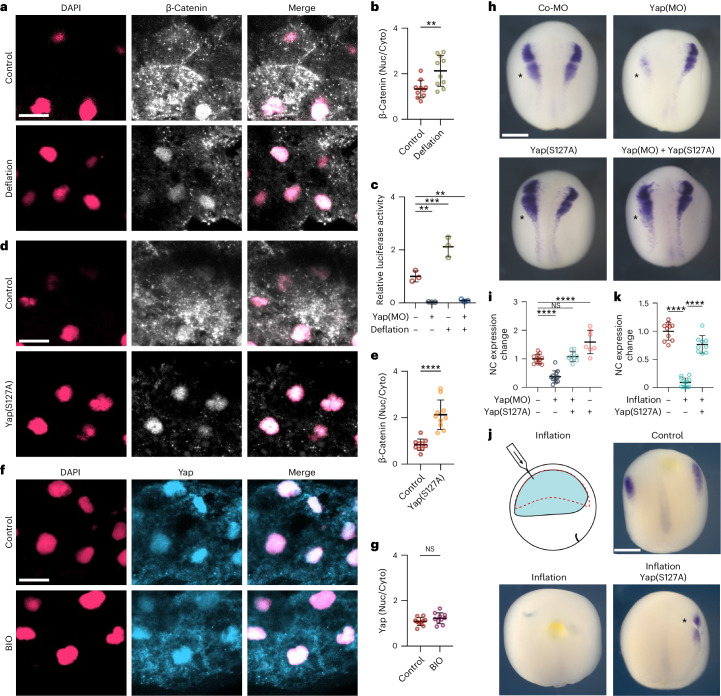
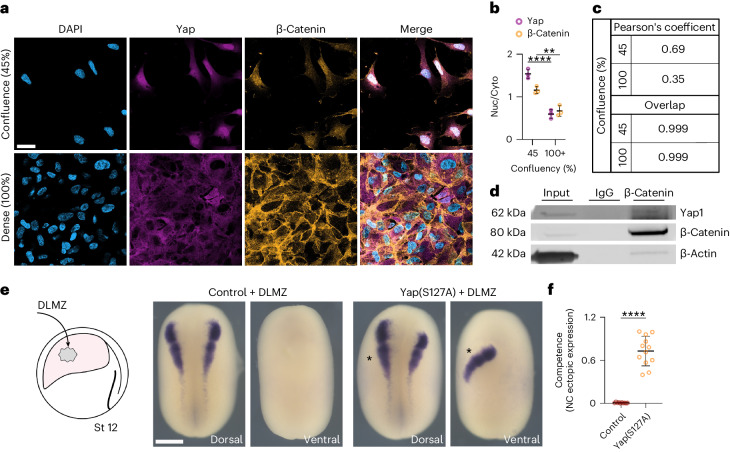
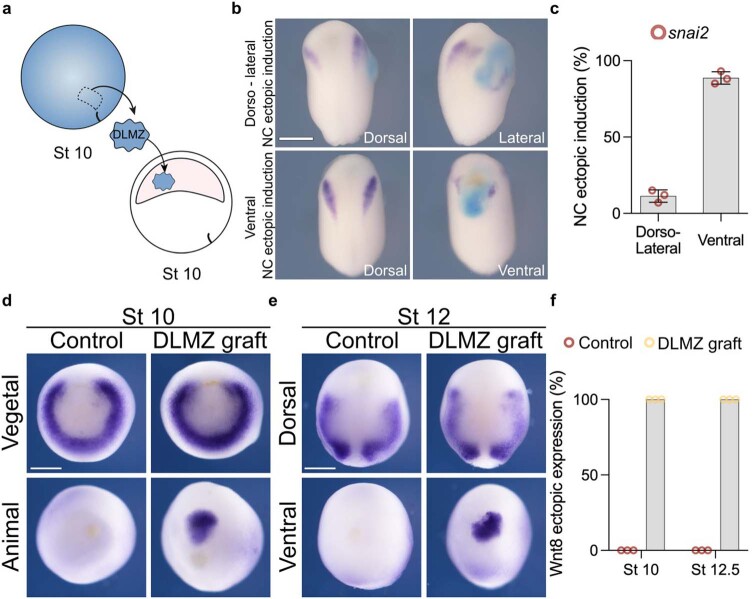
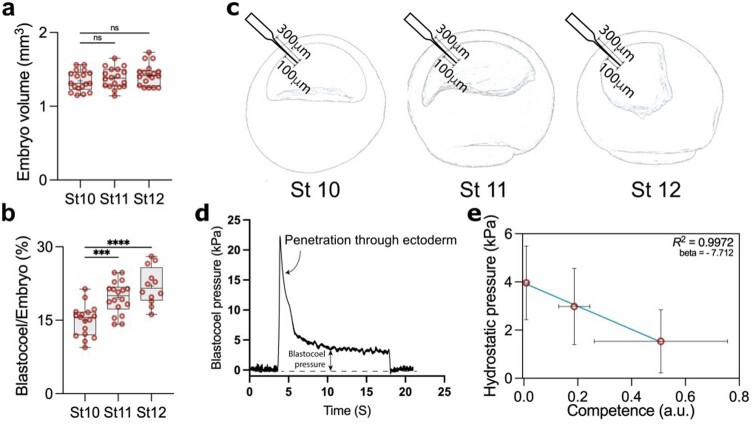
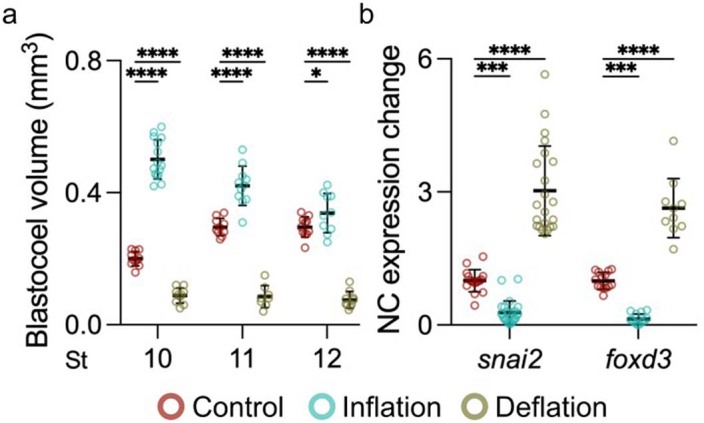
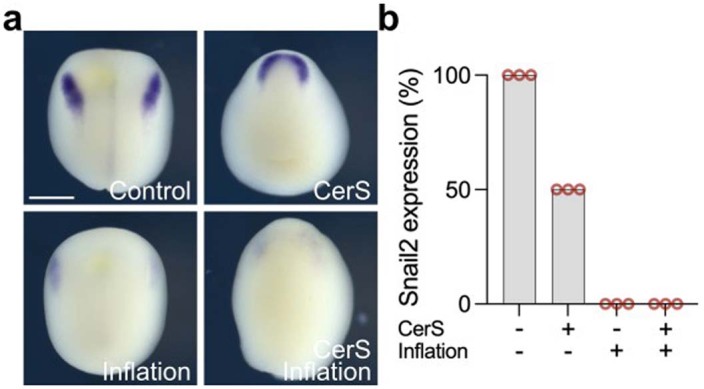
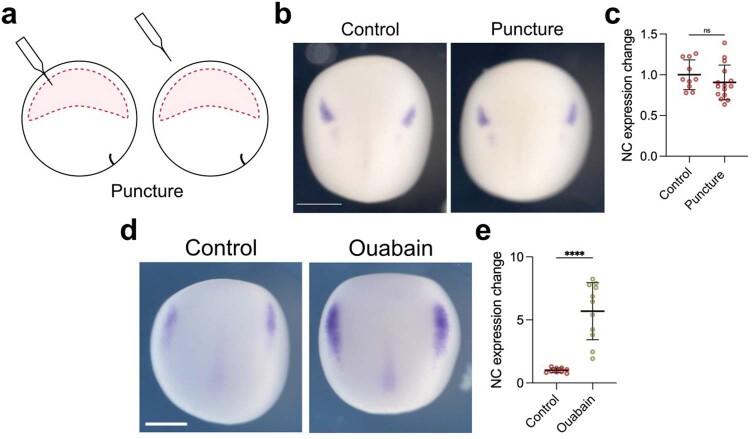
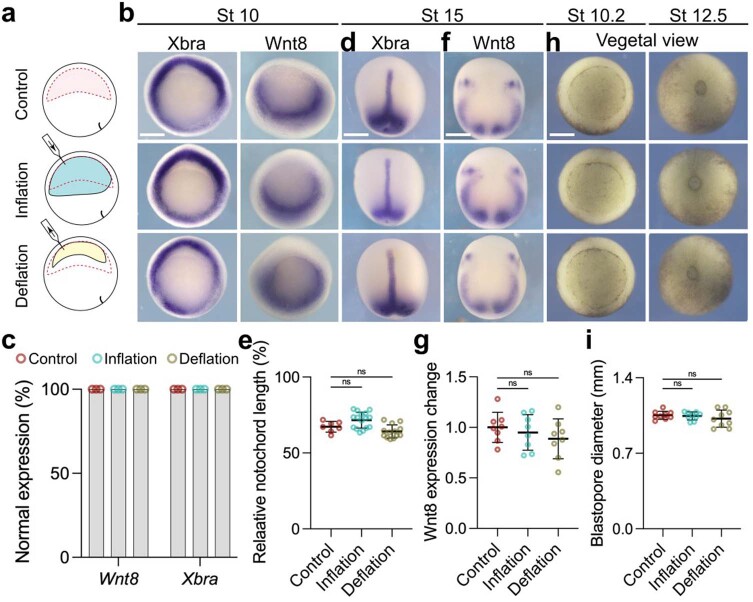
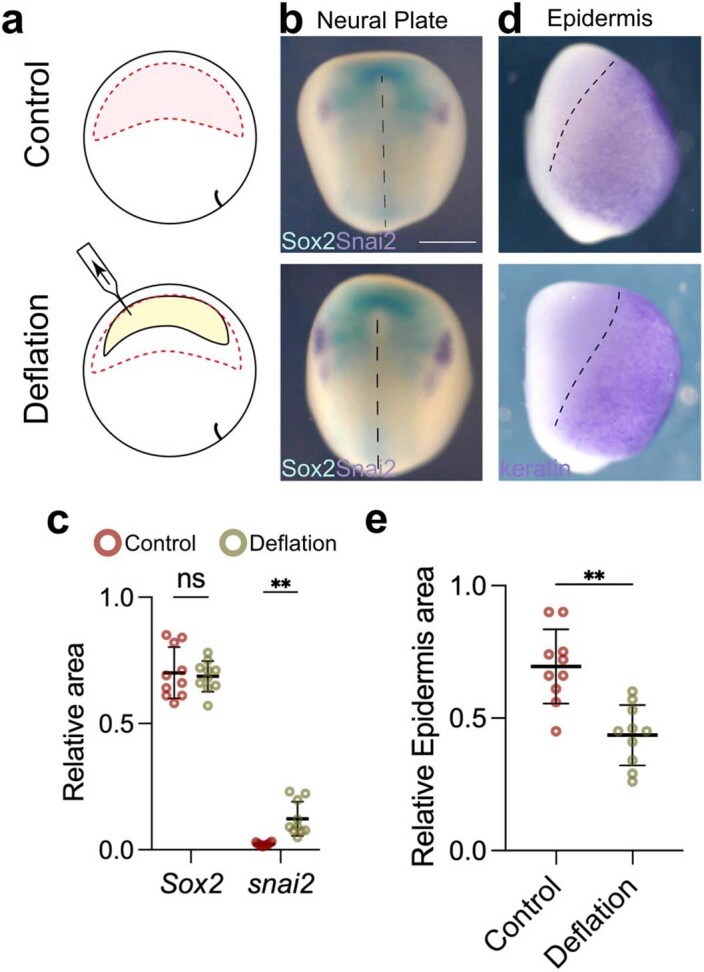
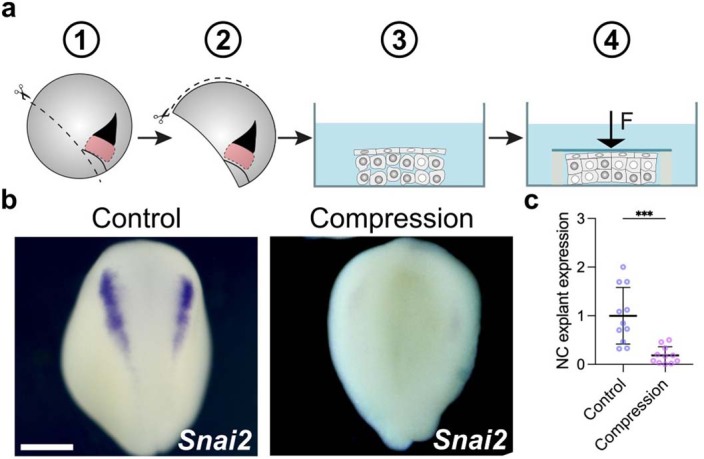
Embryonic induction is a key mechanism in development that corresponds to an interaction between a signalling and a responding tissue, causing a change in the direction of differentiation by the responding tissue. Considerable progress has been achieved in identifying inductive signals, yet how tissues control their responsiveness to these signals, known as competence, remains poorly understood. While the role of molecular signals in competence has been studied, how tissue mechanics influence competence remains unexplored. Here we investigate the role of hydrostatic pressure in controlling competence in neural crest cells, an embryonic cell population. We show that neural crest competence decreases concomitantly with an increase in the hydrostatic pressure of the blastocoel, an embryonic cavity in contact with the prospective neural crest. By manipulating hydrostatic pressure in vivo, we show that this increase leads to the inhibition of Yap signalling and impairs Wnt activation in the responding tissue, which would be required for neural crest induction. We further show that hydrostatic pressure controls neural crest induction in amphibian and mouse embryos and in human cells, suggesting a conserved mechanism across vertebrates. Our work sets out how tissue mechanics can interplay with signalling pathways to regulate embryonic competence.
胚胎诱导是发育中的一个关键机制,对应于信号和反应组织之间的相互作用,导致反应组织的分化方向发生变化。在识别诱导信号方面已经取得了相当大的进展,然而,组织如何控制其对这些信号的反应能力,即能力,仍然知之甚少。虽然已经研究了分子信号在能力中的作用,但组织力学如何影响能力仍未得到探索。在这里,我们研究了静水压力在控制神经嵴细胞(一种胚胎细胞群体)能力中的作用。我们表明,神经嵴能力随着胚泡静水压力的增加而降低,胚泡是与潜在的神经嵴接触的胚胎腔。通过在体内操纵静水压力,我们表明这种增加导致 Yap 信号的抑制,并损害反应组织中 Wnt 的激活,这是神经嵴诱导所必需的。我们进一步表明,静水压力控制两栖动物和小鼠胚胎以及人类细胞中的神经嵴诱导,表明在脊椎动物中存在保守的机制。我们的工作阐明了组织力学如何与信号通路相互作用来调节胚胎能力。