College of Pharmacy, University of South Carolina, Columbia, SC 29208, USA.
Lewis Katz School of Medicine, Temple University, Philadelphia, PA 19140, USA.
Drug Discov Today. 2024 May;29(5):103950. doi: 10.1016/j.drudis.2024.103950. Epub 2024 Mar 20.
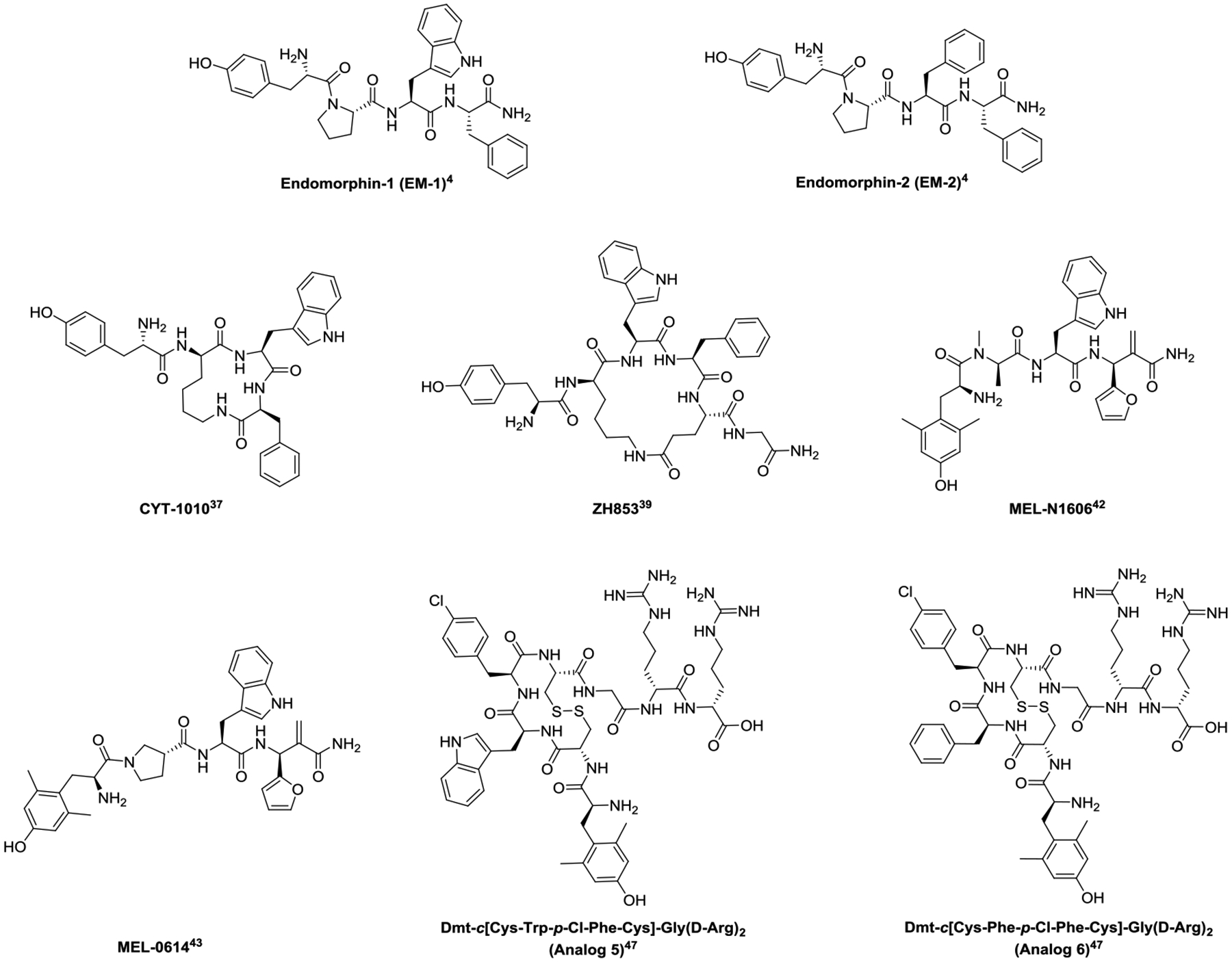
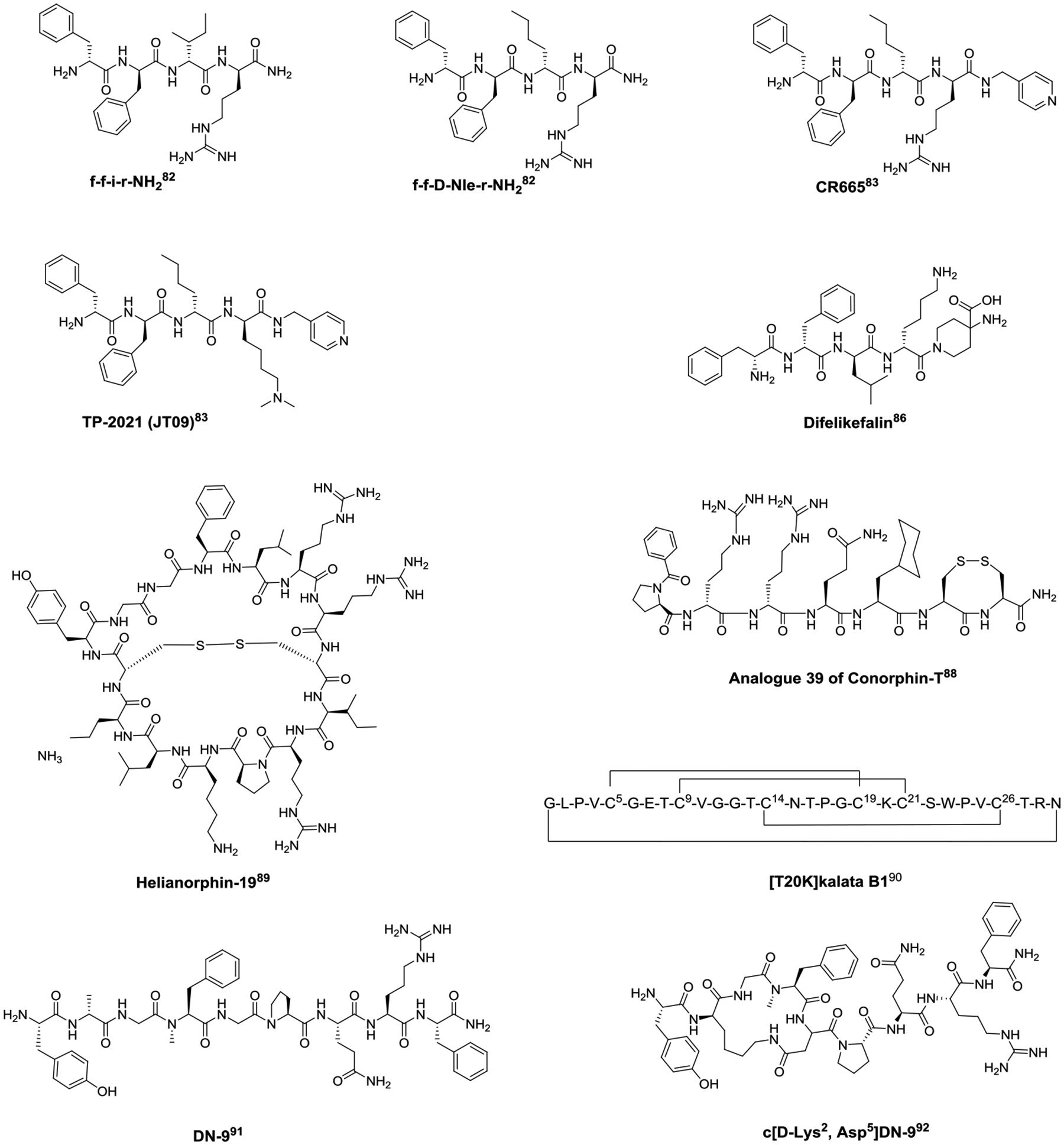
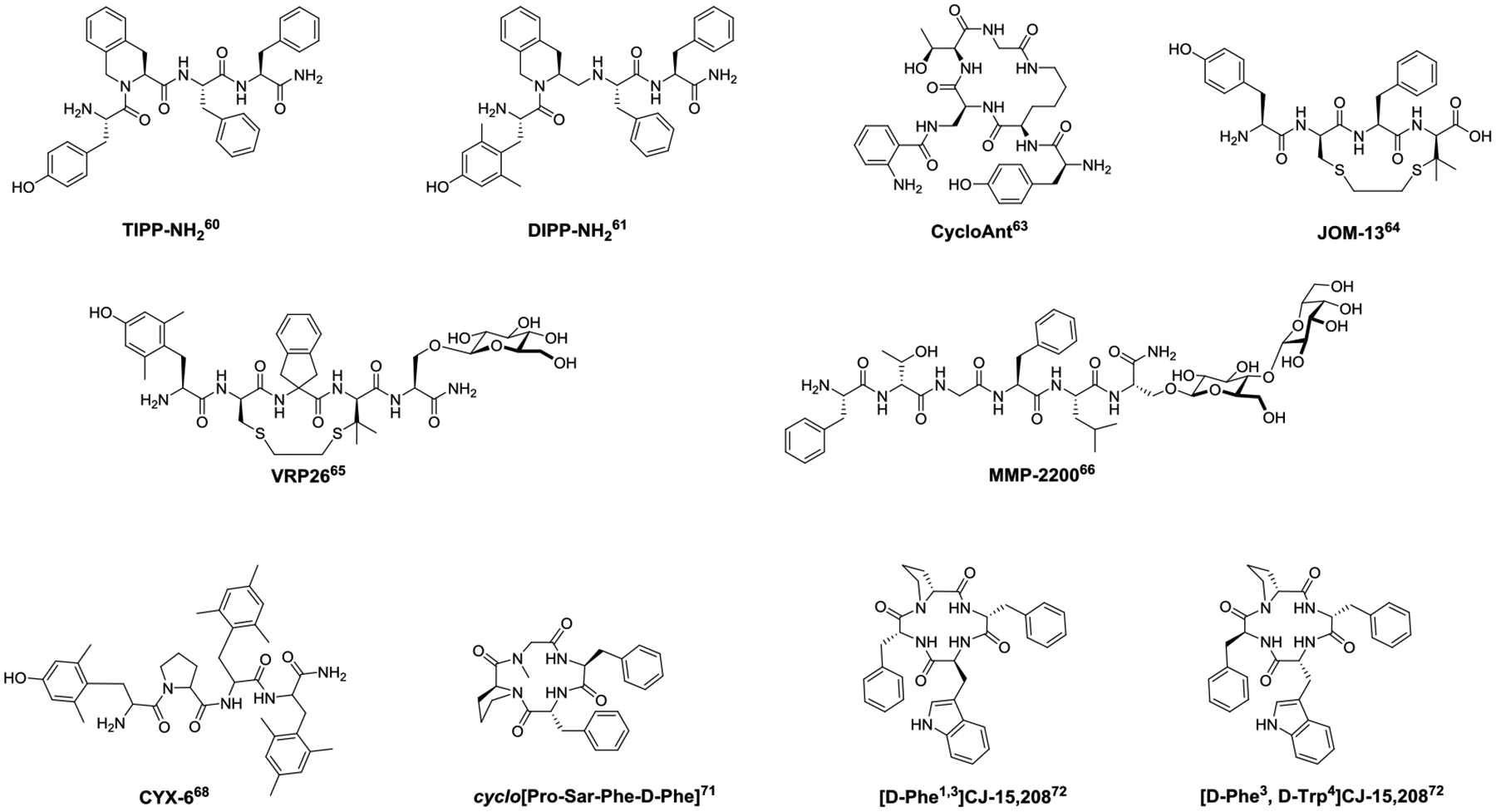
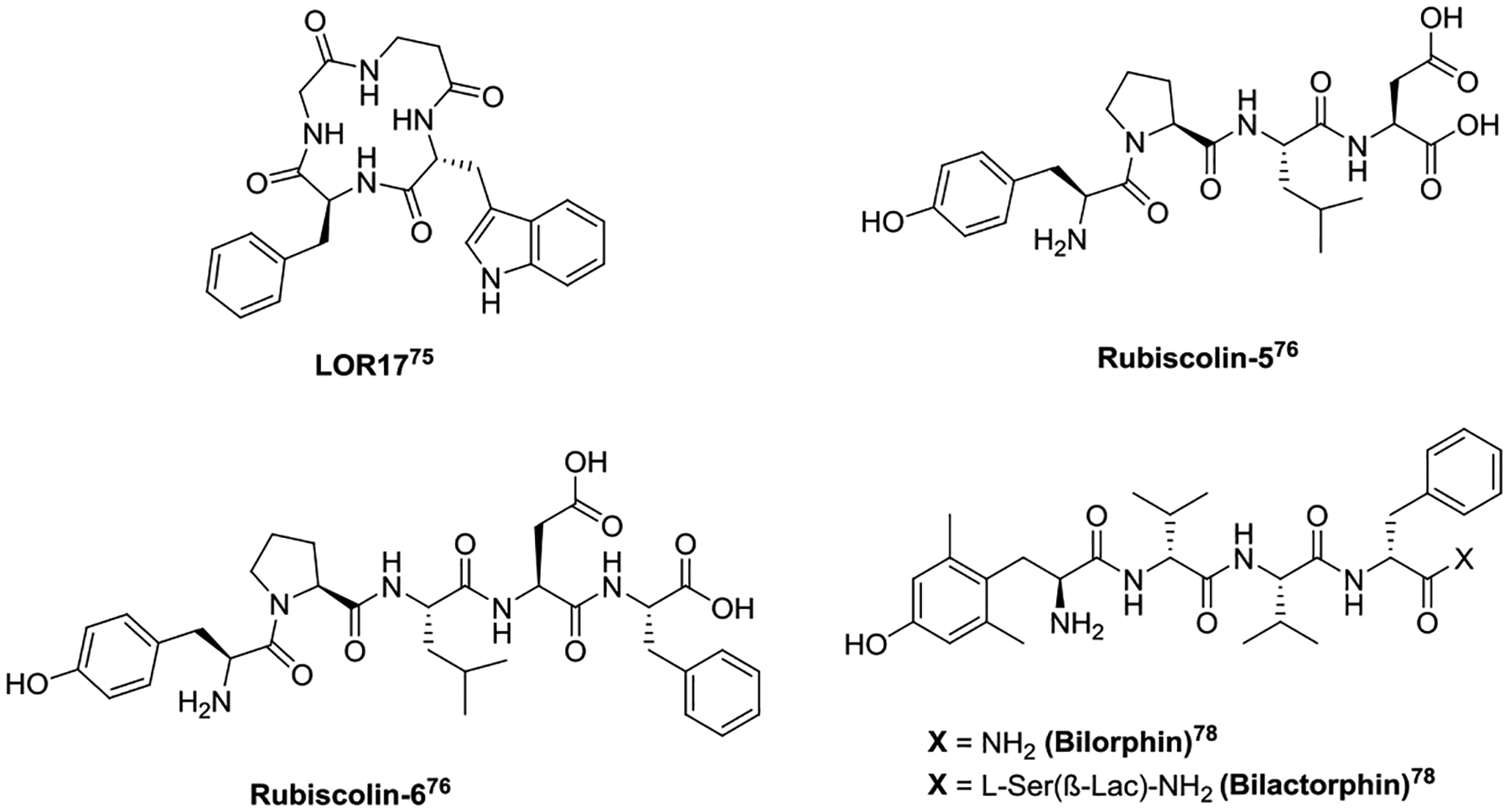
Drugs targeting the μ-opioid receptor (MOR) remain the most efficacious analgesics for the treatment of pain, but activation of MOR with current opioid analgesics also produces harmful side effects, notably physical dependence, addiction, and respiratory depression. Opioid peptides have been accepted as promising candidates for the development of safer and more efficacious analgesics. To develop peptide-based opioid analgesics, strategies such as modification of endogenous opioid peptides, development of multifunctional opioid peptides, G protein-biased opioid peptides, and peripherally restricted opioid peptides have been reported. This review seeks to provide an overview of the opioid peptides that produce potent antinociception with much reduced side effects in animal models and highlight the potential advantages of peptides as safer opioid analgesics.
靶向μ-阿片受体(MOR)的药物仍然是治疗疼痛最有效的镇痛药,但目前阿片类镇痛药激活 MOR 也会产生有害的副作用,特别是身体依赖、成瘾和呼吸抑制。阿片肽已被认为是开发更安全、更有效的镇痛药的有前途的候选药物。为了开发基于肽的阿片类镇痛药,已经报道了一些策略,如内源性阿片肽的修饰、多功能阿片肽的开发、G 蛋白偏向性阿片肽和外周限制阿片肽。本综述旨在概述在动物模型中产生强效镇痛作用且副作用大大减少的阿片肽,并强调肽作为更安全的阿片类镇痛药的潜在优势。