Kol Rita, Denolf Ruben, Bernaert Gwendoline, Manhaeghe Dave, Bar-Ziv Ezra, Huber George W, Niessner Norbert, Verswyvel Michiel, Lemonidou Angeliki, Achilias Dimitris S, De Meester Steven
Laboratory for Circular Process Engineering (LCPE), Department of Green Chemistry and Technology, Ghent University, Sint-Martens-Latemlaan 2B, 8500 Kortrijk, Belgium.
Laboratory of Polymer Chemistry and Technology, Department of Chemistry, Aristotle University of Thessaloniki, 54124 Thessaloniki, Greece.
ACS Sustain Chem Eng. 2024 Mar 4;12(11):4619-4630. doi: 10.1021/acssuschemeng.3c08154. eCollection 2024 Mar 18.
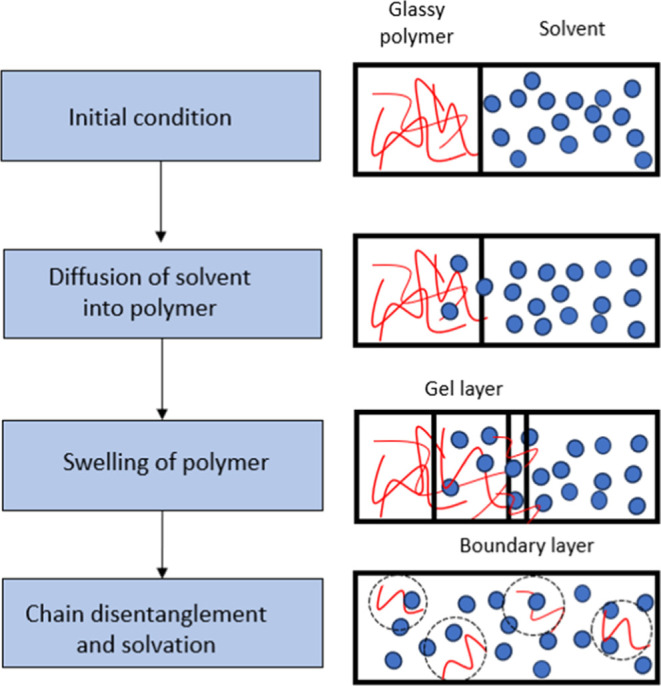
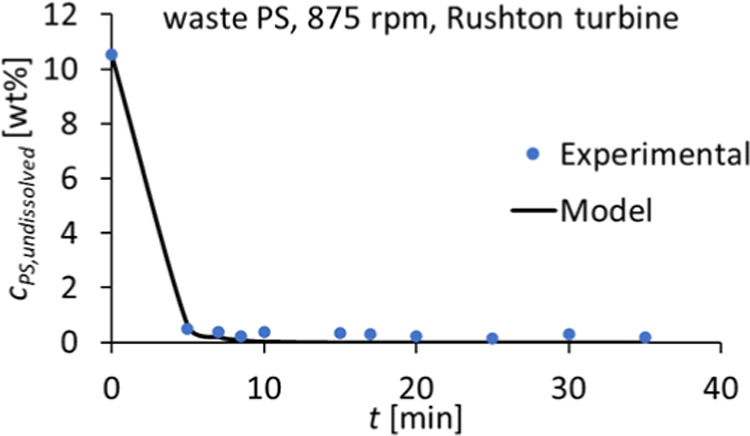
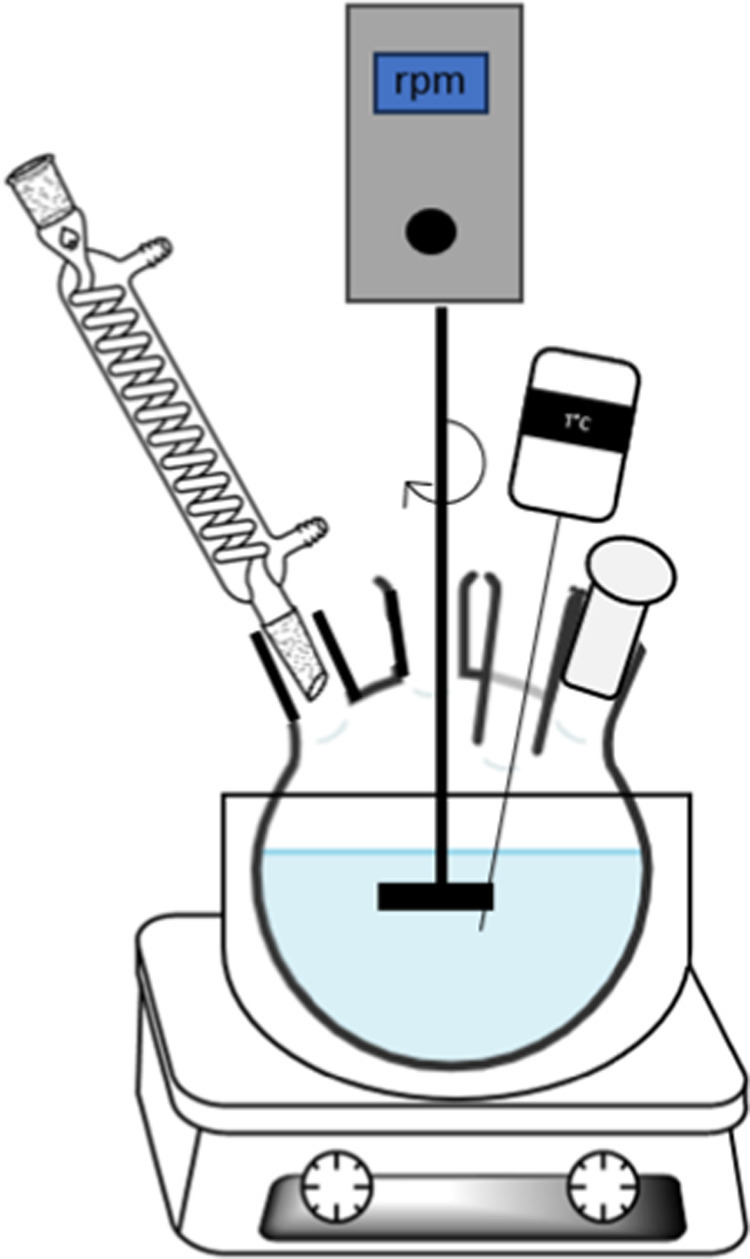
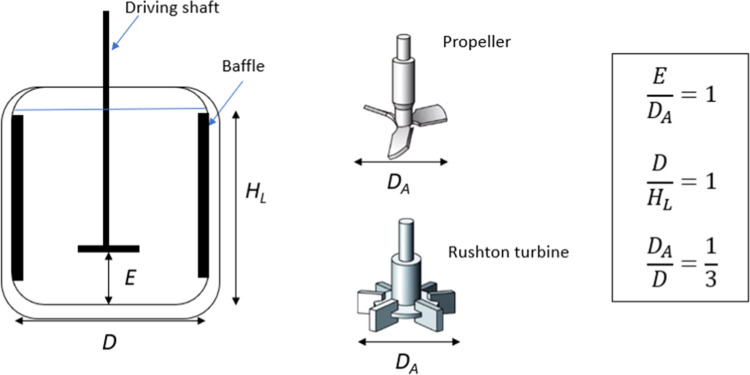
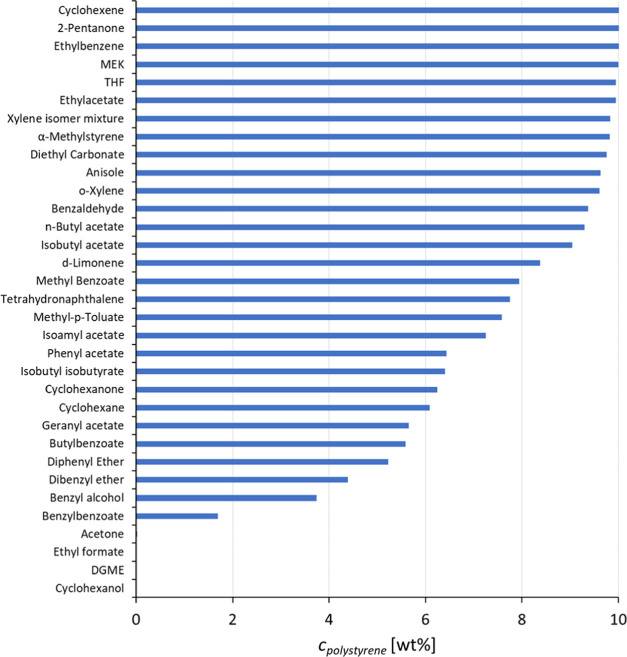
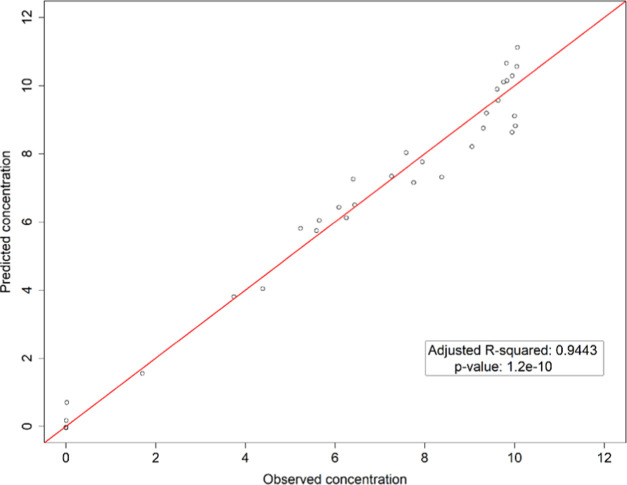
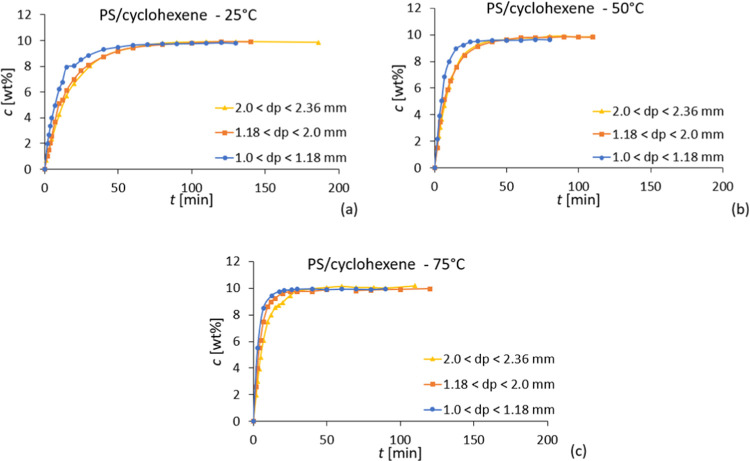
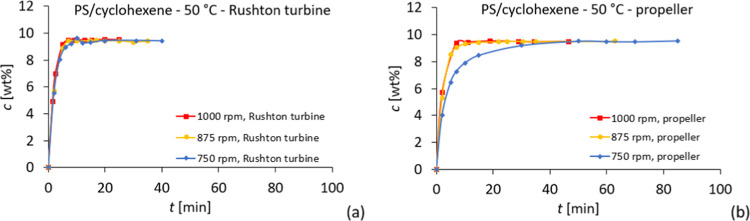
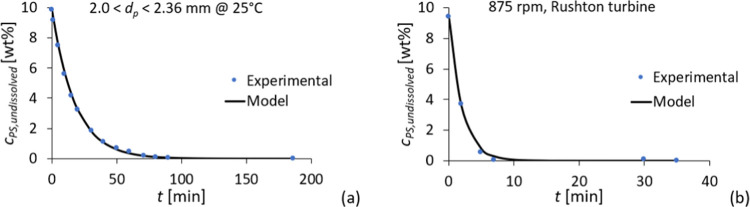
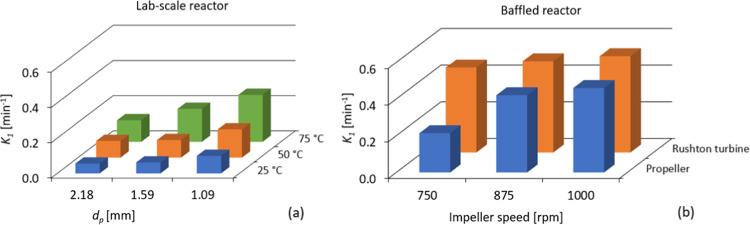
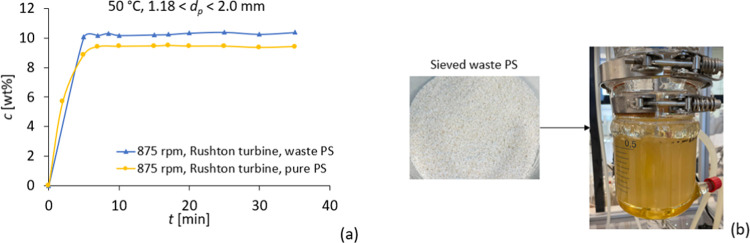
Solvent-based recycling of plastic waste is a promising approach for cleaning polymer chains without breaking them. However, the time required to actually dissolve the polymer in a lab environment can take hours. Different factors play a role in polymer dissolution, including temperature, turbulence, and solvent properties. This work provides insights into bottlenecks and opportunities to increase the dissolution rate of polystyrene in solvents. The paper starts with a broad solvent screening in which the dissolution times are compared. Based on the experimental results, a multiple regression model is constructed, which shows that within several solvent properties, the viscosity of the solvent is the major contributor to the dissolution time, followed by the hydrogen, polar, and dispersion bonding (solubility) parameters. These results also indicate that cyclohexene, 2-pentanone, ethylbenzene, and methyl ethyl ketone are solvents that allow fast dissolution. Next, the dissolution kinetics of polystyrene in cyclohexene in a lab-scale reactor and a baffled reactor are investigated. The effects of temperature, particle size, impeller speed, and impeller type were studied. The results show that increased turbulence in a baffled reactor can decrease the dissolution time from 40 to 7 min compared to a lab-scale reactor, indicating the importance of a proper reactor design. The application of a first-order kinetic model confirms that dissolution in a baffled reactor is at least 5-fold faster than that in a lab-scale reactor. Finally, the dissolution kinetics of a real waste sample reveal that, in optimized conditions, full dissolution occurs after 5 min.
基于溶剂的塑料废物回收是一种很有前景的方法,可在不破坏聚合物链的情况下清洁聚合物链。然而,在实验室环境中实际溶解聚合物所需的时间可能长达数小时。聚合物溶解受不同因素影响,包括温度、湍流和溶剂性质。这项工作深入探讨了提高聚苯乙烯在溶剂中溶解速率的瓶颈和机遇。论文首先进行了广泛的溶剂筛选,比较了溶解时间。基于实验结果构建了多元回归模型,结果表明,在几种溶剂性质中,溶剂的粘度是影响溶解时间的主要因素,其次是氢键、极性和色散键(溶解度)参数。这些结果还表明,环己烯、2-戊酮、乙苯和甲乙酮是能实现快速溶解的溶剂。接下来,研究了聚苯乙烯在实验室规模反应器和带挡板反应器中于环己烯中的溶解动力学。研究了温度、粒径、叶轮转速和叶轮类型的影响。结果表明,与实验室规模反应器相比,带挡板反应器中增加的湍流可将溶解时间从40分钟缩短至7分钟,这表明合适的反应器设计很重要。应用一级动力学模型证实,在带挡板反应器中的溶解速度至少比在实验室规模反应器中快5倍。最后,对真实废物样品的溶解动力学研究表明,在优化条件下,5分钟后可完全溶解。