Dehghan Firouzeh, Soori Rahman, Yusof Ashril
Departamento de Ciências do Esporte, Campus Internacional de Kish, Universidade de Teerã, Ilha de Kish, Irã.
Departamento de Fisiologia do Exercício, Faculdade de Ciências do Esporte e Saúde, Universidade de Teerã, Teerã, Irã.
Rev Bras Ortop (Sao Paulo). 2024 Mar 21;59(1):e29-e37. doi: 10.1055/s-0043-1771007. eCollection 2024 Feb.
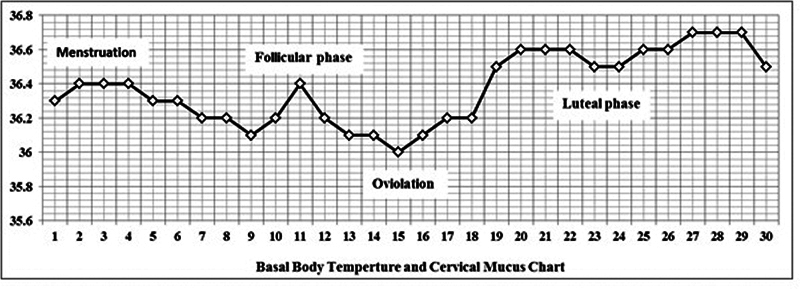
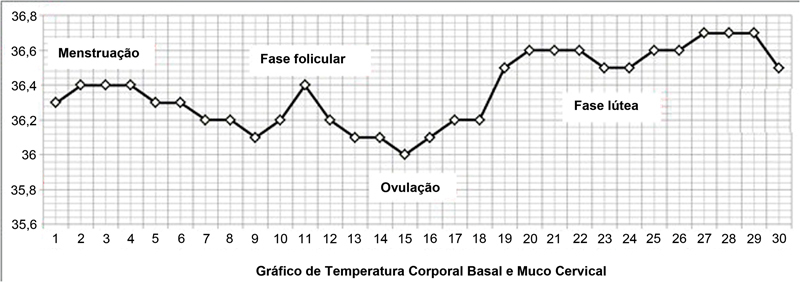
Our study investigated changes of knee laxities in athletes and non-athletes females and relationship between knee laxity and sex-steroid at menstrual cycle phases. Forty six healthy females, twenty four athletes and twenty two non-athletes not on hormone contraceptive pills, had no previous knee injuries and with regular menstrual cycles for 3 consecutive months, participated in the study. Medial and lateral knee laxities were determined by varus-valgus tests at follicular, ovulatory and luteal phases. Serum level of relaxin, estrogen, progesterone and testosterone were determined by ELISA and radioimmunoassay. Knee laxities in athletes and non-athletes at 0° and 20° flexion were the highest in luteal phase with non-athletes possess greater laxity than athletes. Positive correlation between progesterone and relaxin levels with knee laxities were observed. Meanwhile, the levels of both hormones were highest in the luteal phase. Increased medial and lateral knee laxities in athletes and non-athletes associated with high serum progesterone and relaxin levels in luteal phase may contribute toward increased risk of non-contact knee injury. However, lower knee laxity in athletes than non-athletes suggest that exercise could be a protective factor.
我们的研究调查了运动员和非运动员女性膝关节松弛度的变化,以及月经周期各阶段膝关节松弛度与性类固醇之间的关系。46名健康女性参与了该研究,其中24名运动员和22名未服用激素避孕药的非运动员,既往无膝关节损伤且连续3个月月经周期规律。在卵泡期、排卵期和黄体期通过内翻-外翻试验测定膝关节内、外侧松弛度。通过酶联免疫吸附测定法(ELISA)和放射免疫测定法测定血清松弛素、雌激素、孕酮和睾酮水平。运动员和非运动员在0°和20°屈曲时的膝关节松弛度在黄体期最高,且非运动员的松弛度大于运动员。观察到孕酮和松弛素水平与膝关节松弛度呈正相关。同时,这两种激素的水平在黄体期最高。运动员和非运动员在黄体期膝关节内、外侧松弛度增加,且血清孕酮和松弛素水平较高,这可能会增加非接触性膝关节损伤的风险。然而,运动员的膝关节松弛度低于非运动员,这表明运动可能是一个保护因素。