Khairnar Krishna, Tomar Siddharth Singh
Environmental Epidemiology & Pandemic Management (EE&PM), Council of Scientific and Industrial Research-National Environmental Engineering Research Institute (CSIR-NEERI), Nagpur, India; Academy of Scientific and Innovative Research (AcSIR), Ghaziabad, UP, India.
Environmental Epidemiology & Pandemic Management (EE&PM), Council of Scientific and Industrial Research-National Environmental Engineering Research Institute (CSIR-NEERI), Nagpur, India; Academy of Scientific and Innovative Research (AcSIR), Ghaziabad, UP, India.
Virus Res. 2024 Jun;344:199365. doi: 10.1016/j.virusres.2024.199365. Epub 2024 Mar 29.
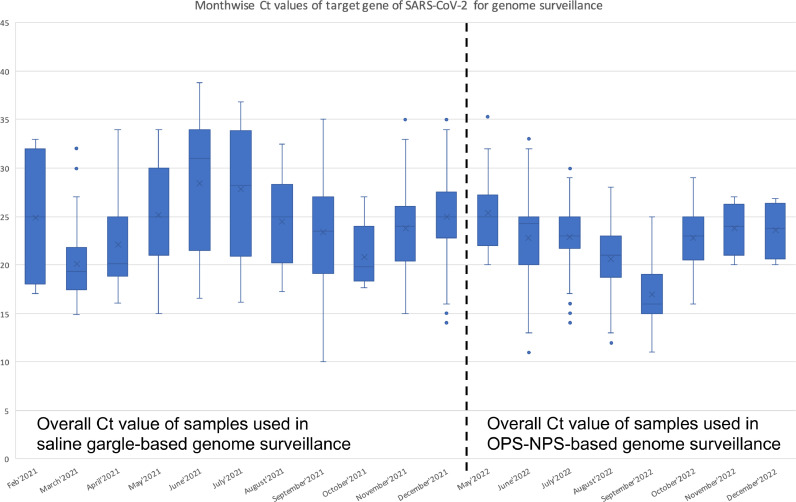
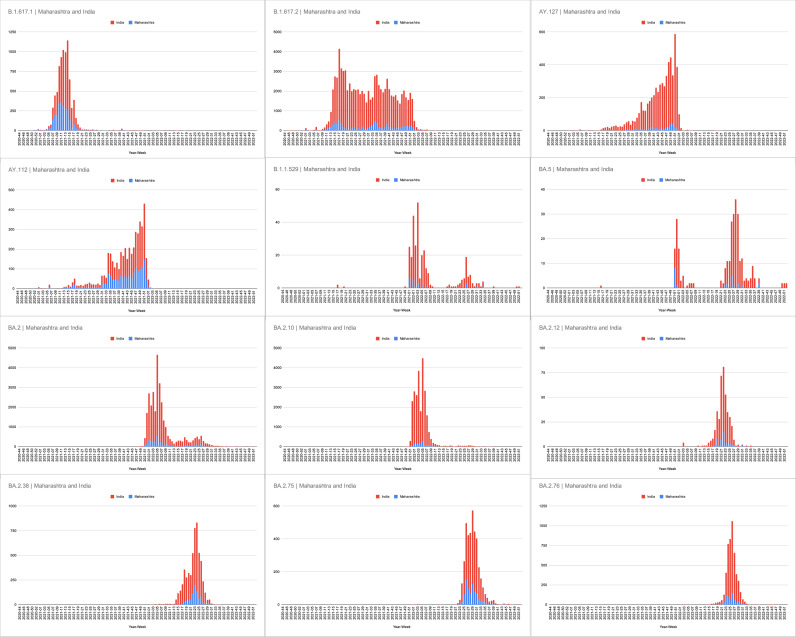
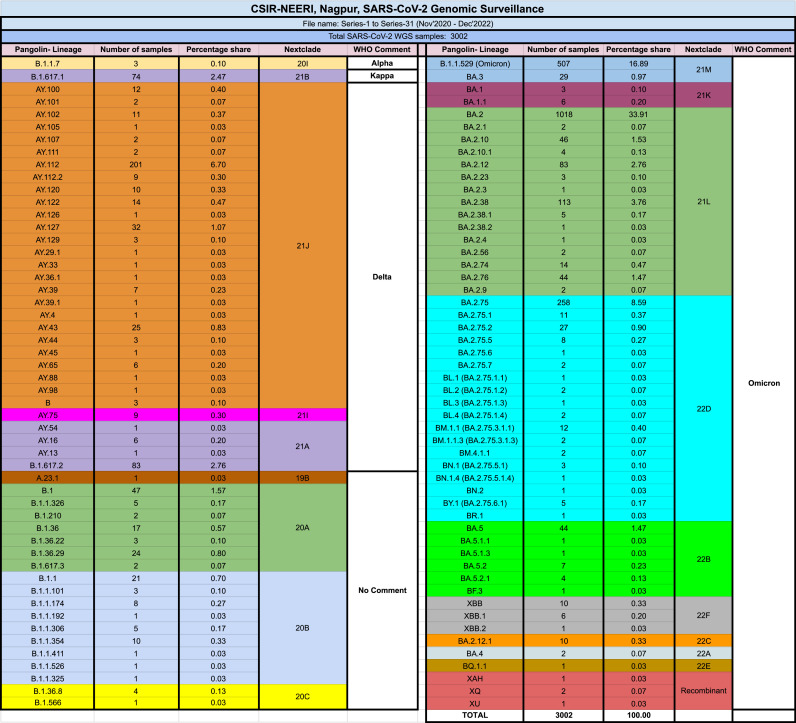
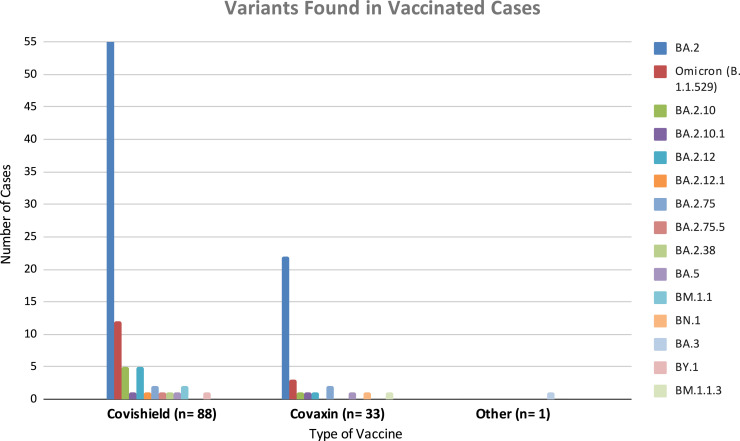
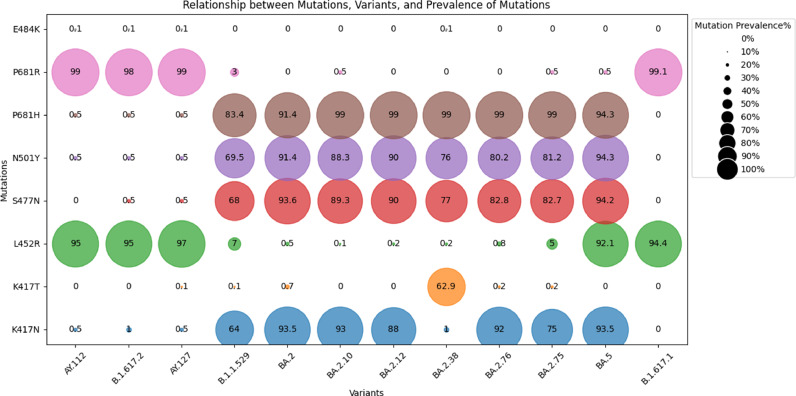
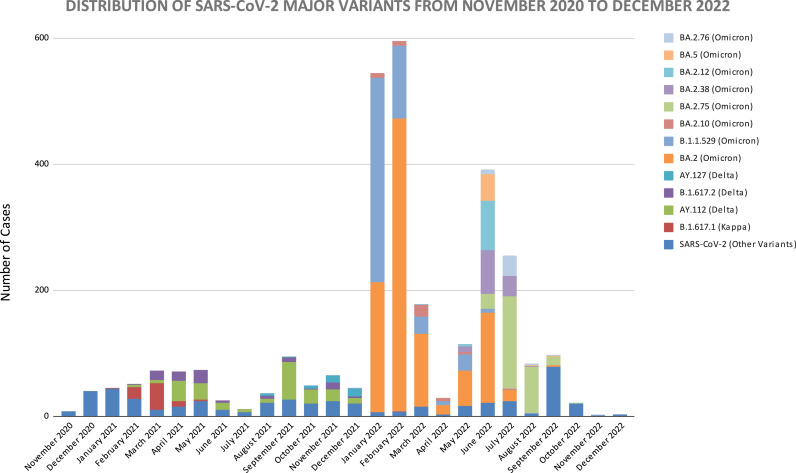
Reading the viral genome through whole genome sequencing (WGS) enables the detection of changes in the viral genome. The rapid changes in the SARS-CoV-2 viral genome may cause immune escape leading to an increase in the pathogenicity or infectivity. Monitoring mutations through genomic surveillance helps understand the amino acid changes resulting from the mutation. These amino acid changes, especially in the spike glycoprotein, may have implications on the pathogenicity of the virus by rendering it immune-escape. The region of Vidarbha in Maharashtra represents 31.6 % of the state's total area. It holds 21.3 % of the total population. In total, 7457 SARS-CoV-2 positive samples belonging to 16 Indian States were included in the study, out of which 3002 samples passed the sequencing quality control criteria. The metadata of 7457 SARS-CoV-2 positive samples included in the study was sourced from the Integrated Health Information Platform (IHIP). The metadata of 3002 sequenced samples, including the FASTA sequence, was submitted to the Global Initiative on Sharing Avian Influenza Data (GISAID) and the Indian biological data centre (IBDC). This study identified 104 different SARS-CoV-2 pango-lineages classified into 19 clades. We have also analysed the mutation profiles of the variants found in the study, which showed eight mutations of interest, including L18F, K417N, K417T, L452R, S477N, N501Y, P681H, P681R, and mutation of concern E484K in the spike glycoprotein region. The study was from November 2020 to December 2022, making this study the most comprehensive genomic surveillance of SARS-CoV-2 conducted for the region.
通过全基因组测序(WGS)读取病毒基因组能够检测病毒基因组的变化。严重急性呼吸综合征冠状病毒2(SARS-CoV-2)病毒基因组的快速变化可能导致免疫逃逸,从而导致致病性或传染性增加。通过基因组监测来监测突变有助于了解突变引起的氨基酸变化。这些氨基酸变化,尤其是刺突糖蛋白中的变化,可能通过使病毒产生免疫逃逸而对病毒的致病性产生影响。马哈拉施特拉邦的维达巴地区占该邦总面积的31.6%。该地区占总人口的21.3%。该研究共纳入了来自印度16个邦的7457份SARS-CoV-2阳性样本,其中3002份样本通过了测序质量控制标准。该研究中纳入的7457份SARS-CoV-2阳性样本的元数据来自综合健康信息平台(IHIP)。3002份测序样本的元数据,包括FASTA序列,已提交给全球共享禽流感数据倡议组织(GISAID)和印度生物数据中心(IBDC)。本研究确定了104种不同的SARS-CoV-2谱系,分为19个进化枝。我们还分析了研究中发现的变异株的突变谱,结果显示了8个感兴趣的突变,包括刺突糖蛋白区域的L18F、K417N、K417T、L452R、S477N、N501Y、P681H、P681R,以及值得关注的突变E484K。该研究时间为2020年11月至2022年12月,使其成为该地区对SARS-CoV-2进行的最全面的基因组监测。