Sidorov Veniamin Y, Sidorova Tatiana N, Samson Philip C, Reiserer Ronald S, Britt Clayton M, Neely M Diana, Ess Kevin C, Wikswo John P
Vanderbilt Institute for Integrative Biosystems Research and Education, Vanderbilt University, Nashville, TN 37235, USA.
Department of Biomedical Engineering, Vanderbilt University, Nashville, TN 37235, USA.
Bioengineering (Basel). 2024 Feb 28;11(3):234. doi: 10.3390/bioengineering11030234.
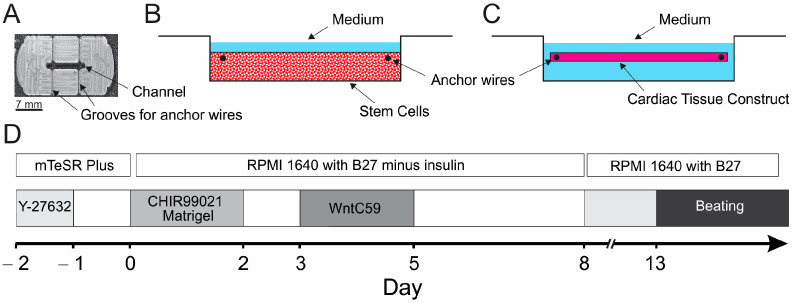
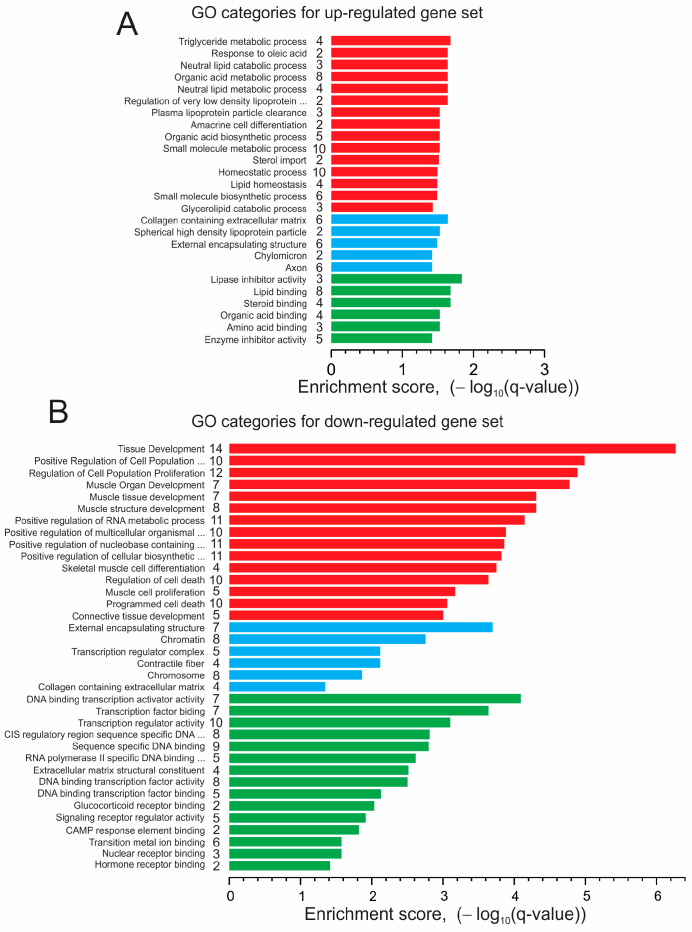
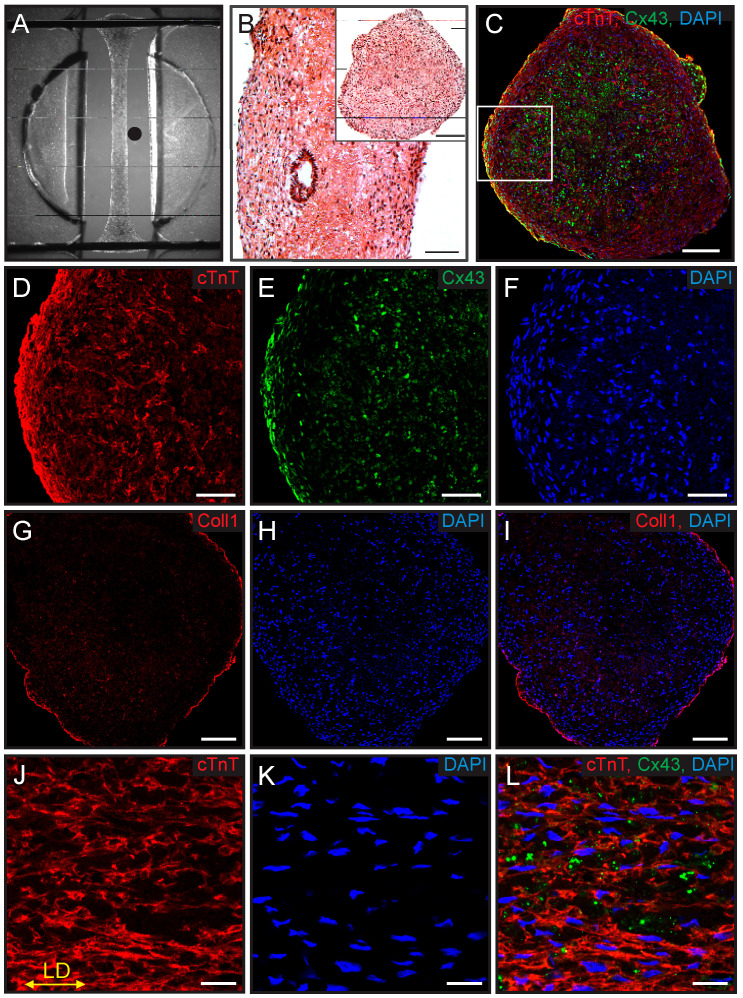
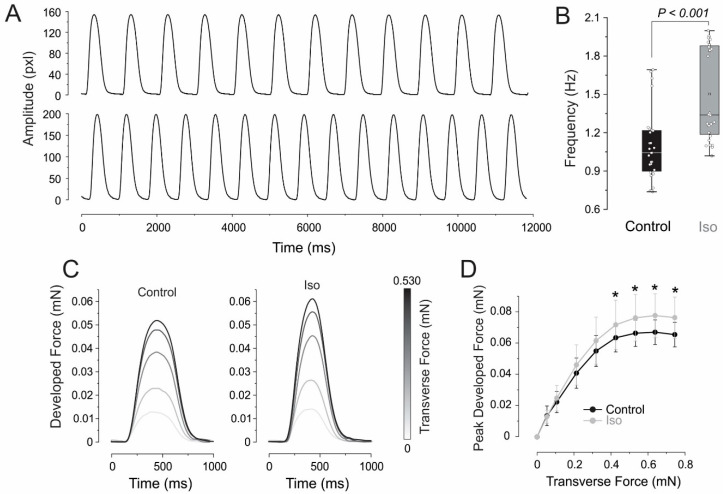
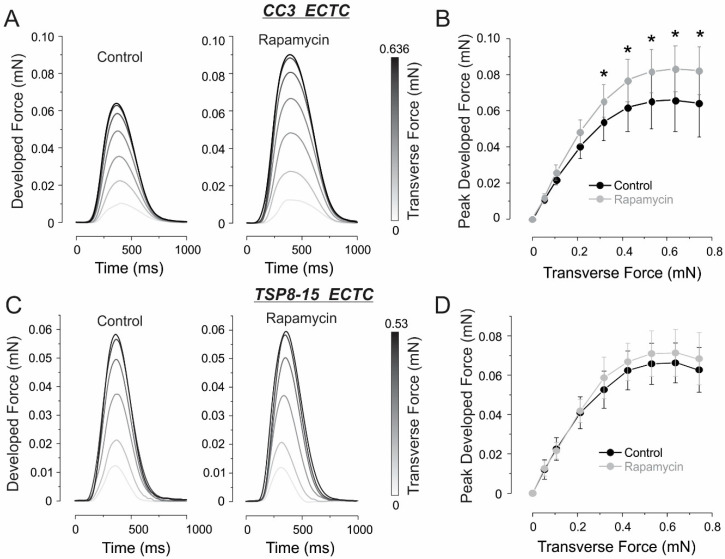
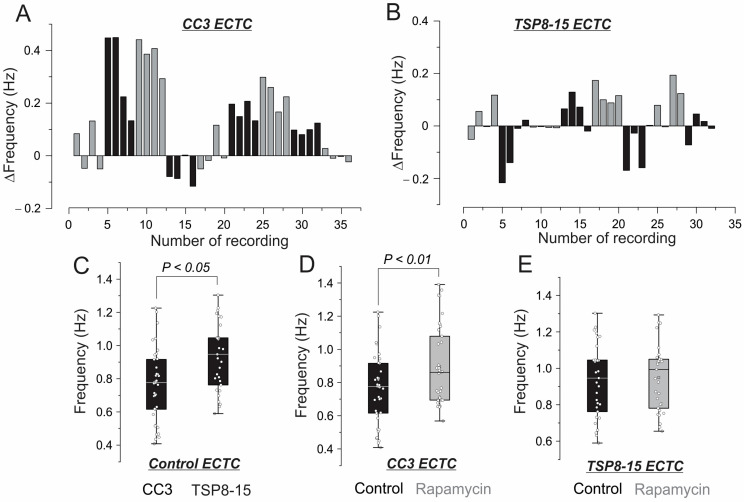
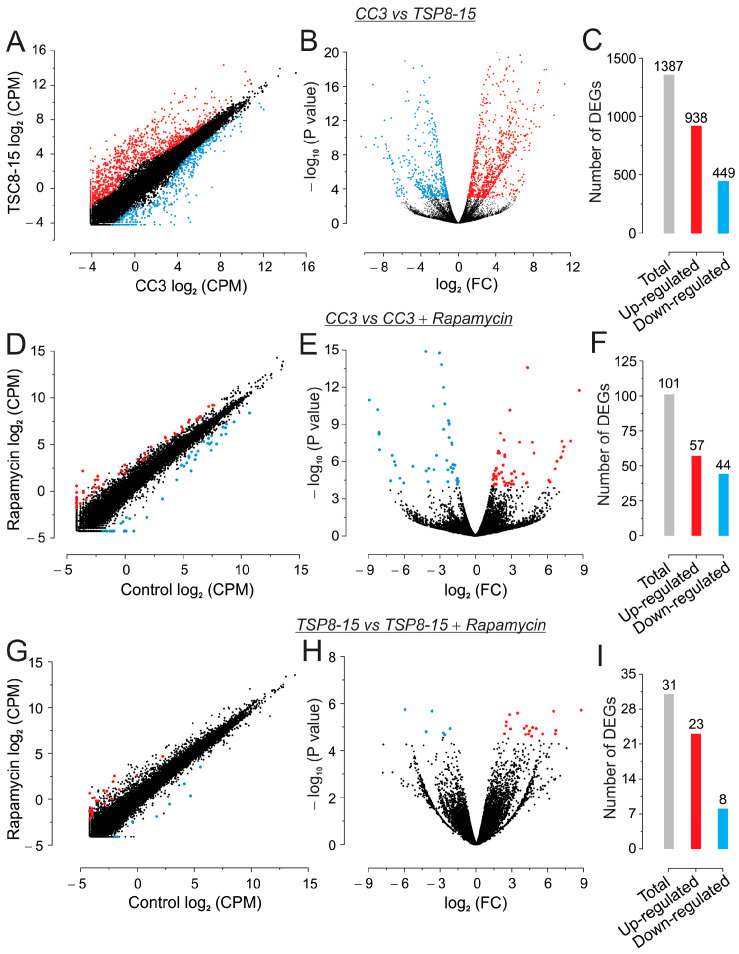
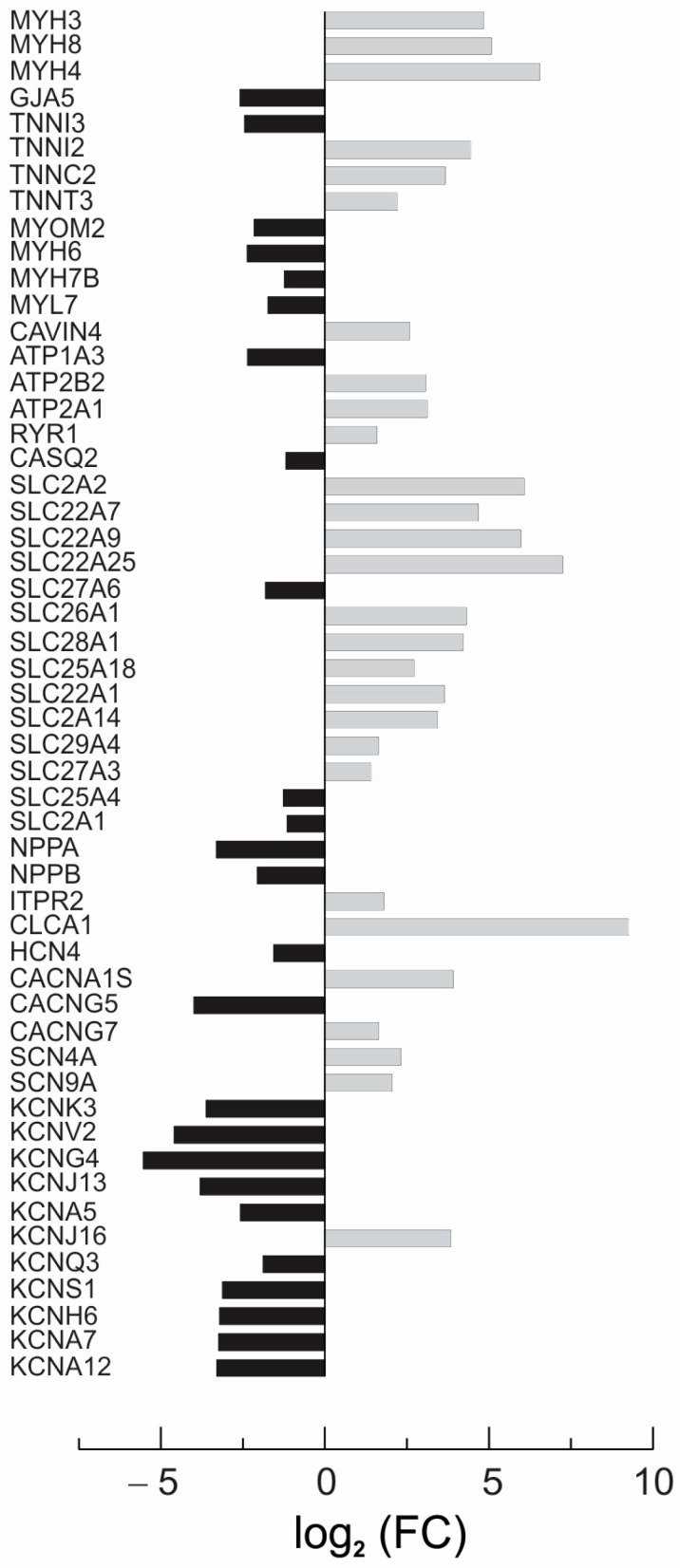
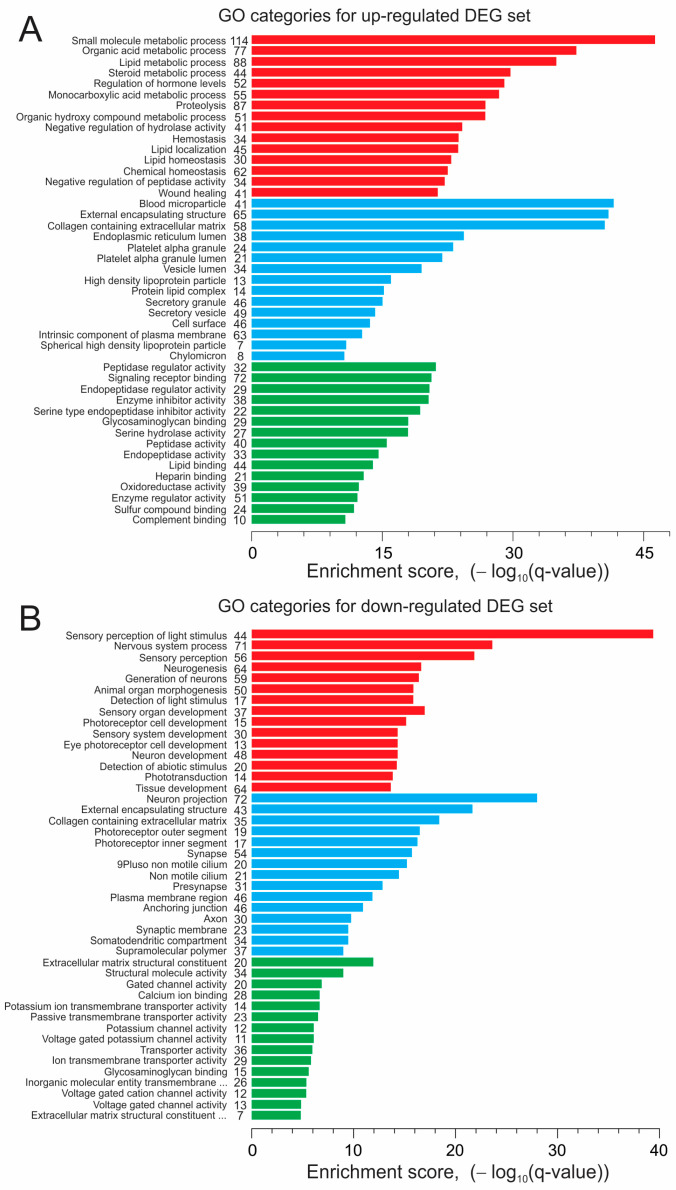
The implementation of three-dimensional tissue engineering concurrently with stem cell technology holds great promise for in vitro research in pharmacology and toxicology and modeling cardiac diseases, particularly for rare genetic and pediatric diseases for which animal models, immortal cell lines, and biopsy samples are unavailable. It also allows for a rapid assessment of phenotype-genotype relationships and tissue response to pharmacological manipulation. Mutations in the and genes lead to dysfunctional mTOR signaling and cause tuberous sclerosis complex (TSC), a genetic disorder that affects multiple organ systems, principally the brain, heart, skin, and kidneys. Here we differentiated healthy (CC3) and tuberous sclerosis (TSP8-15) human induced pluripotent stem cells (hiPSCs) into cardiomyocytes to create engineered cardiac tissue constructs (ECTCs). We investigated and compared their mechano-elastic properties and gene expression and assessed the effects of rapamycin, a potent inhibitor of the mechanistic target of rapamycin (mTOR). The TSP8-15 ECTCs had increased chronotropy compared to healthy ECTCs. Rapamycin induced positive inotropic and chronotropic effects (i.e., increased contractility and beating frequency, respectively) in the CC3 ECTCs but did not cause significant changes in the TSP8-15 ECTCs. A differential gene expression analysis revealed 926 up- and 439 down-regulated genes in the TSP8-15 ECTCs compared to their healthy counterparts. The application of rapamycin initiated the differential expression of 101 and 31 genes in the CC3 and TSP8-15 ECTCs, respectively. A gene ontology analysis showed that in the CC3 ECTCs, the positive inotropic and chronotropic effects of rapamycin correlated with positively regulated biological processes, which were primarily related to the metabolism of lipids and fatty and amino acids, and with negatively regulated processes, which were predominantly associated with cell proliferation and muscle and tissue development. In conclusion, this study describes for the first time an in vitro TSC cardiac tissue model, illustrates the response of normal and TSC ECTCs to rapamycin, and provides new insights into the mechanisms of TSC.
三维组织工程与干细胞技术的同步实施,在药理学和毒理学的体外研究以及心脏病建模方面具有巨大潜力,特别是对于那些无法获得动物模型、永生细胞系和活检样本的罕见遗传疾病和儿科疾病。它还能够快速评估表型 - 基因型关系以及组织对药物操作的反应。 基因和 基因的突变会导致mTOR信号传导功能失调,并引发结节性硬化症(TSC),这是一种影响多个器官系统的遗传性疾病,主要累及脑、心脏、皮肤和肾脏。在此,我们将健康的(CC3)和结节性硬化症(TSP8 - 15)人诱导多能干细胞(hiPSC)分化为心肌细胞,以构建工程化心脏组织构建体(ECTC)。我们研究并比较了它们的机械弹性特性和基因表达,并评估了雷帕霉素(一种雷帕霉素机制靶点(mTOR)的强效抑制剂)的作用。与健康的ECTC相比,TSP8 - 15 ECTC的变时性增加。雷帕霉素在CC3 ECTC中诱导了正性肌力和变时性作用(即分别增加了收缩力和搏动频率),但在TSP8 - 15 ECTC中未引起显著变化。差异基因表达分析显示,与健康对照相比,TSP8 - 15 ECTC中有926个基因上调和439个基因下调。雷帕霉素的应用分别在CC3和TSP8 - 15 ECTC中引发了101个和31个基因的差异表达。基因本体分析表明,在CC3 ECTC中,雷帕霉素的正性肌力和变时性作用与正向调节的生物学过程相关,这些过程主要与脂质、脂肪酸和氨基酸的代谢有关,并且与负向调节的过程相关,这些过程主要与细胞增殖以及肌肉和组织发育有关。总之,本研究首次描述了一种体外TSC心脏组织模型,阐明了正常和TSC ECTC对雷帕霉素的反应,并为TSC的机制提供了新的见解。