Wang Zhan, Li Yao, Zhao Xu, Wang Yuxuan, Xiao Zihan
College of Humanities and Communication, Dongbei University of Finance and Economics, Dalian, China.
School of Information Science and Technology, Dalian University of Science and Technology, Dalian, China.
Sci Rep. 2024 Mar 27;14(1):7286. doi: 10.1038/s41598-024-57873-7.
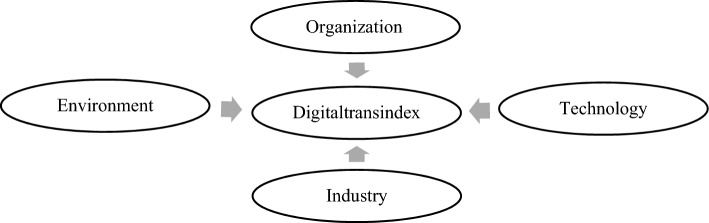
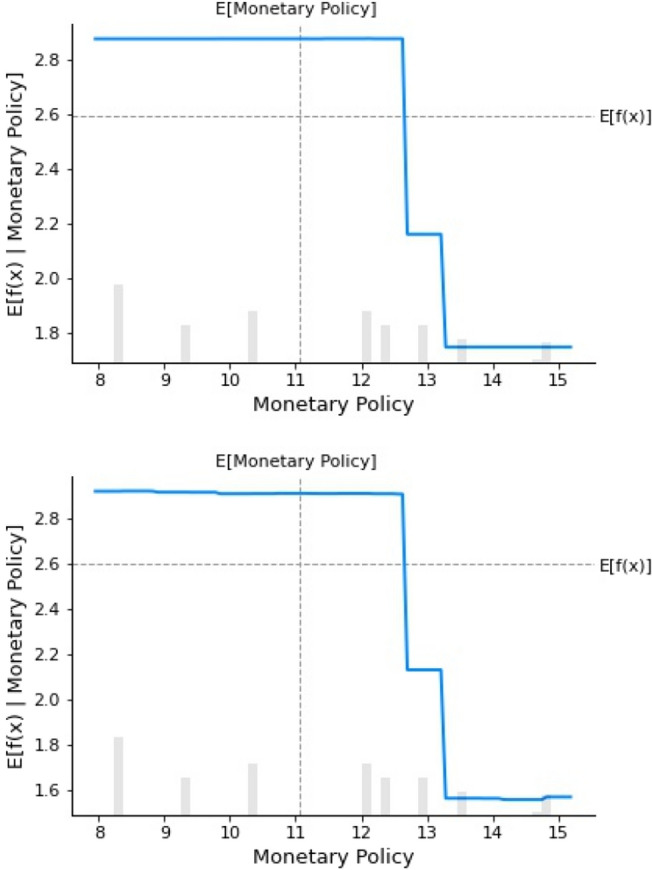
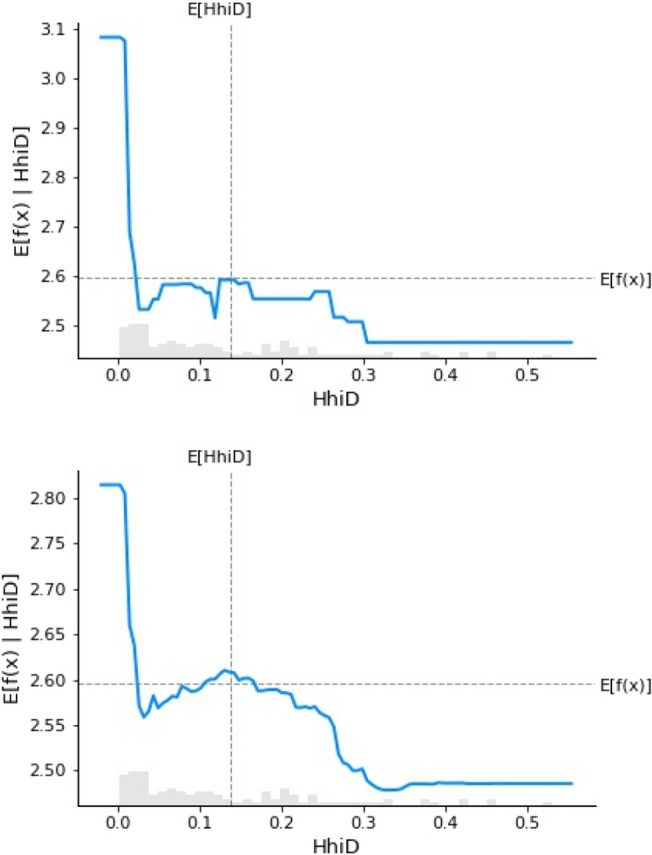
Chinese media companies are facing opportunities and challenges brought about by digital transformation. Media economics takes the evaluation of the business results of media companies as the main research topic. However, overcoming the internal differences in the industry and comprehensively predicting the digital transformation of Chinese media companies from multiple dimensions has become an important issue to be understood. Based on the "TOE-I" theoretical framework, this study innovatively uses machine learning methods to predict the digital transformation of Chinese media companies and to analyze specific modes of the main driving factors affecting the digital transformation, using data from China's A-share-listed media companies from 2010 to 2020. The study found that environmental drivers can most effectively and accurately predict the digital transformation of Chinese media companies. Therefore, under sustained and stable economic and financial policies, guiding inter-industry competition and providing balanced digital infrastructure conditions are keys to bridging internal barriers in the media industry and promoting digital transformation. In the process of transformation from traditional content to digital production, media companies should focus on policy changes, economic benefits, the decision-making role of core managers, and the training and preservation of digital technology talent.
中国媒体公司正面临着数字转型带来的机遇与挑战。媒介经济学以评估媒体公司的经营成果为主要研究课题。然而,克服行业内部差异并从多个维度全面预测中国媒体公司的数字转型已成为一个亟待了解的重要问题。基于“TOE - I”理论框架,本研究创新性地运用机器学习方法,利用2010年至2020年中国A股上市媒体公司的数据,预测中国媒体公司的数字转型,并分析影响数字转型的主要驱动因素的具体模式。研究发现,环境驱动因素能够最有效、准确地预测中国媒体公司的数字转型。因此,在持续稳定的经济和金融政策下,引导行业间竞争并提供均衡的数字基础设施条件是消除媒体行业内部障碍、推动数字转型的关键。在从传统内容向数字生产转型的过程中,媒体公司应关注政策变化、经济效益、核心管理者的决策作用以及数字技术人才的培养和留存。