
南非约翰内斯堡公立初级保健机构中 COVID-19 时代医疗工作者的健康状况。
The Wellbeing of Healthcare Workers during COVID-19 Era in Public Primary Health Facilities in Johannesburg, South Africa.
机构信息
Department of Public Health, School of Health Care Sciences, Sefako Makgatho Health Sciences University, Pretoria 0208, South Africa.
College of Graduate Studies, University of South Africa, Pretoria 0003, South Africa.
出版信息
Int J Environ Res Public Health. 2024 Mar 20;21(3):372. doi: 10.3390/ijerph21030372.
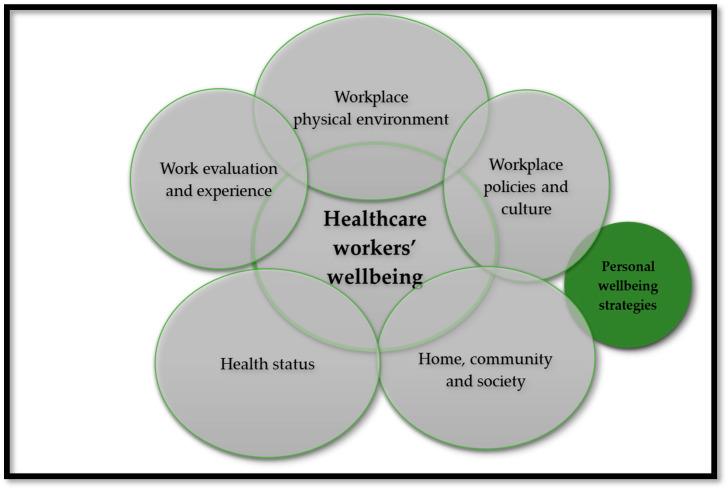
As the world grappled with the COVID-19 pandemic, healthcare workers (HCWs) continued to provide uninterrupted health care service delivery; therefore, this disproportionately affected their wellbeing. Our study explored the wellbeing of HCWs during the COVID-19 era in public health facilities in the City of Johannesburg, Gauteng province, South Africa. A qualitative study was conducted among twenty (20) HCWs through face-to-face in-depth interviews (IDIs) in the form of semi-structured interviews, audiotapes, and transcribed verbatim, and thematically analyzed with NVivo version 10. The findings showed that over half of HCWs (aged between 27 and 60 years) tested positive for COVID-19. Also, one third of HCWs' family members tested positive while some died due to COVID-19 infection. Informed by the workers' wellbeing framework, four themes emerged with fourteen sub-themes. Firstly, unsafe work environment was characterized by human resource related challenges such as increased workload; staff shortage; insufficient resources, e.g., personal protective equipment (PPE); poor policies in terms of compensation/allowance for being infected with COVID-19; poor health services; and death of colleagues. Secondly, poor health outcomes were described as strained emotional (psychosocial distress) and physical (respiratory related conditions) wellbeing. Thirdly, home and community environments were negatively impacted by interrupted relationships with family and friends, and experiences of deaths of loved ones. Finally, HCWs engaged personal wellbeing strategies through self-motivation; staying positive; family support; and participating in resilience-promoting extra mural activities to cope during the pandemic. In conclusion, the wellbeing of HCWs was aggravated during the COVID-19 era and led to low morale and compromised healthcare quality. This study advocates for promotion of greater resilience, and psychological and physical safety of HCWs through evidence-based, multilevel-multicomponent interventions at the workplace, home, and community environments in addition to strengthening public health policies and response to future pandemics.
在全球应对 COVID-19 大流行之际,医护人员(HCWs)继续提供不间断的医疗服务;因此,这对他们的福祉产生了不成比例的影响。我们的研究探讨了南非约翰内斯堡市公共卫生设施中 COVID-19 时代 HCWs 的福祉。通过面对面的深入访谈(IDIs)形式的半结构化访谈,对 20 名 HCWs 进行了定性研究,访谈进行了录音,并逐字转录,使用 NVivo 版本 10 进行了主题分析。研究结果表明,超过一半的 HCWs(年龄在 27 至 60 岁之间)检测出 COVID-19 呈阳性。此外,三分之一的 HCWs 家庭成员检测呈阳性,而一些人因 COVID-19 感染而死亡。根据工人福祉框架,出现了四个主题,包括十四个子主题。首先,不安全的工作环境的特点是人力资源相关挑战,例如工作量增加;人员短缺;资源不足,例如个人防护设备(PPE);关于因感染 COVID-19 而获得补偿/津贴的政策不佳;医疗服务不佳;以及同事死亡。其次,描述了较差的健康结果,包括紧张的情绪(心理困扰)和身体(与呼吸相关的状况)健康。第三,家庭和社区环境受到与家人和朋友关系中断以及亲人去世的经历的负面影响。最后,HCWs 通过自我激励;保持积极态度;家庭支持;以及参与促进韧性的课外活动来应对大流行,从而采用个人福祉策略。总之,在 COVID-19 时代,HCWs 的福祉受到了影响,导致士气低落,医疗质量受损。这项研究主张通过基于证据的多层次多成分干预措施,在工作场所、家庭和社区环境中促进 HCWs 的更大韧性和心理及身体安全,此外还应加强公共卫生政策和应对未来的大流行。


 Zotero 插件