Instituto de Farmacologia e Neurociências, Faculdade de Medicina, Universidade de Lisboa, Lisboa, Portugal.
Instituto de Medicina Molecular João Lobo Antunes, Faculdade de Medicina, Universidade de Lisboa, Lisboa, Portugal.
Transl Psychiatry. 2024 Mar 30;14(1):170. doi: 10.1038/s41398-024-02877-0.
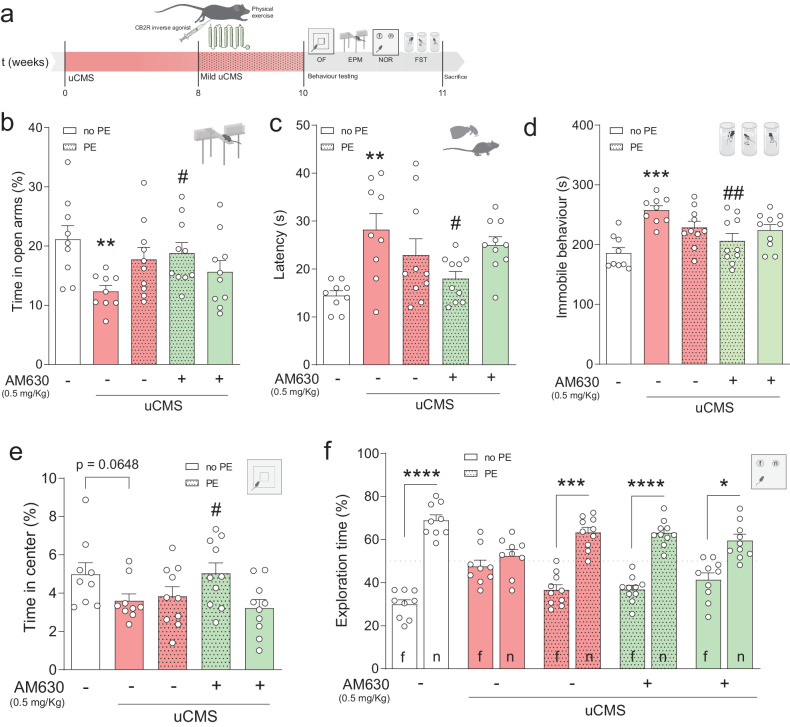
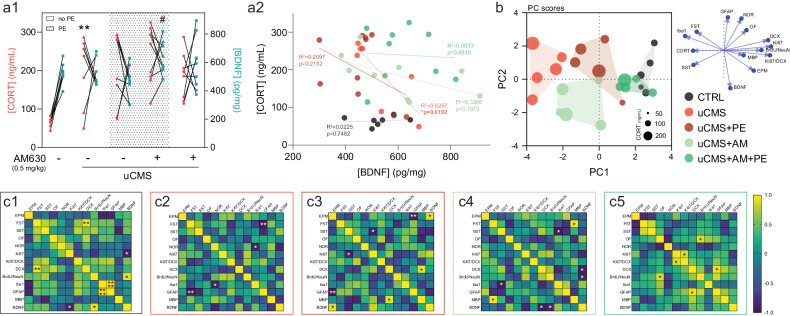
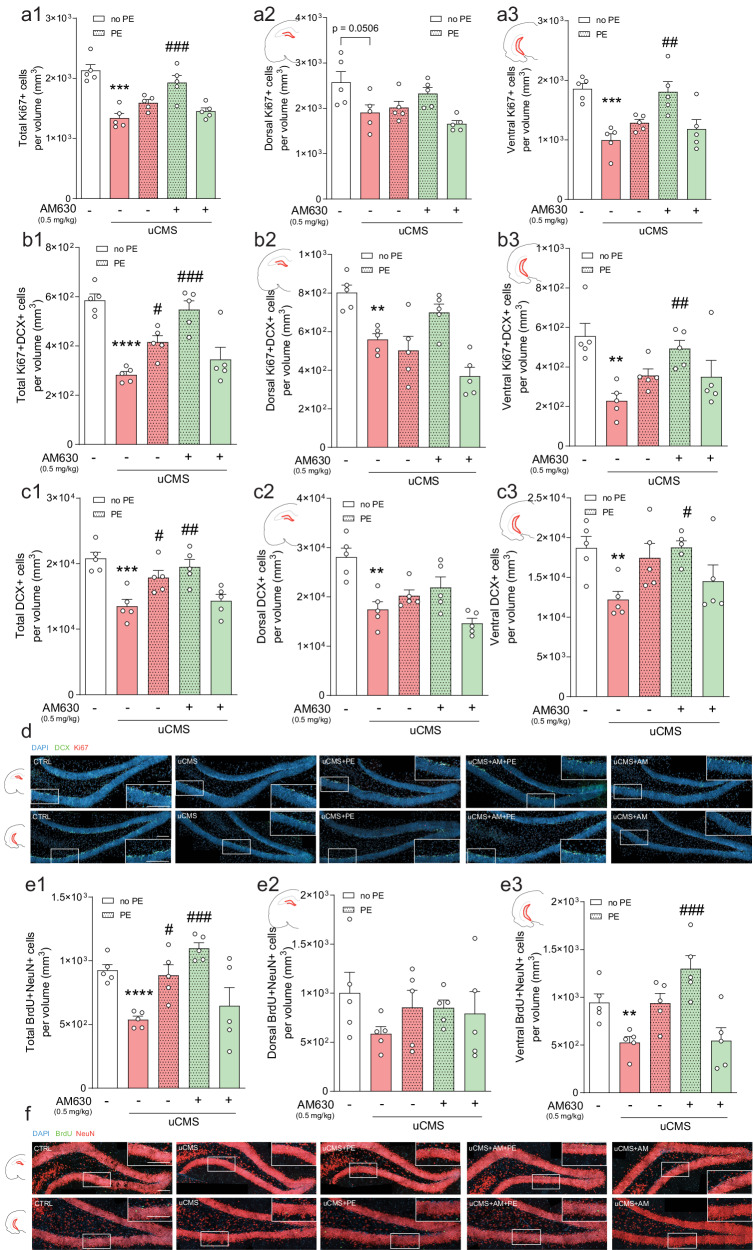
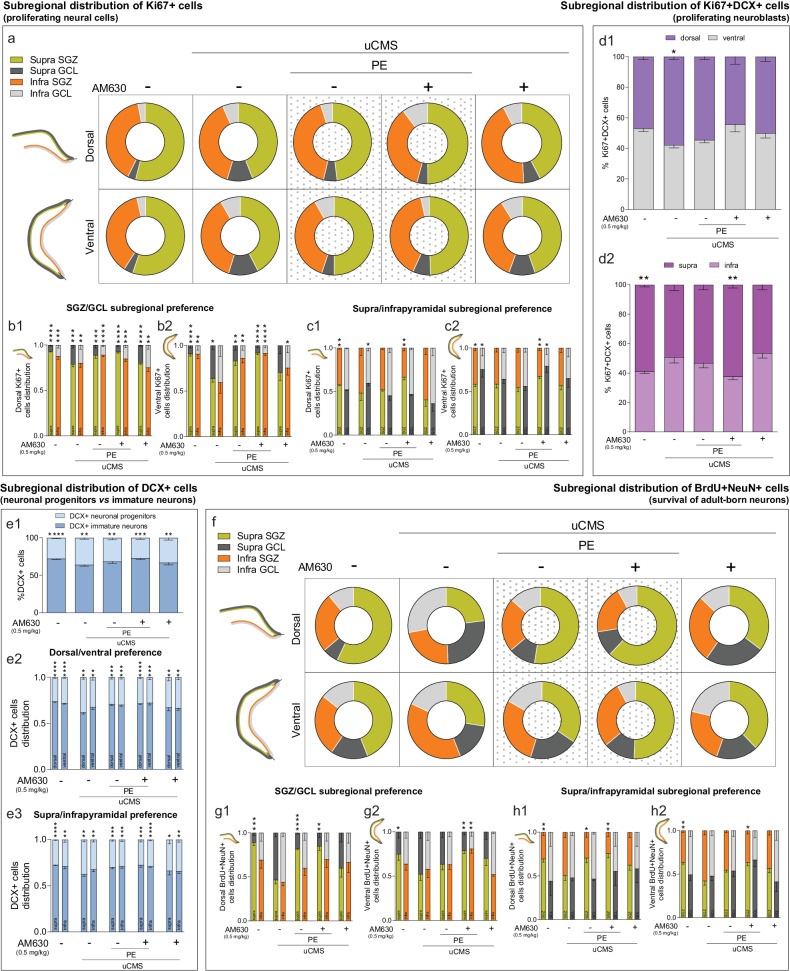
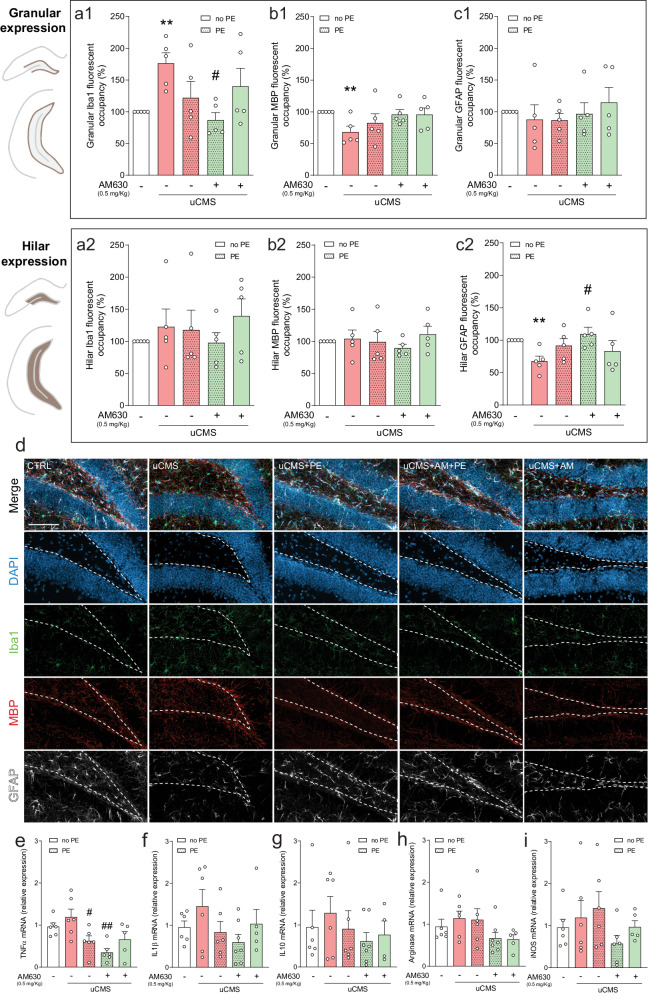
Chronic stress is a major risk factor for neuropsychiatric conditions such as depression. Adult hippocampal neurogenesis (AHN) has emerged as a promising target to counteract stress-related disorders given the ability of newborn neurons to facilitate endogenous plasticity. Recent data sheds light on the interaction between cannabinoids and neurotrophic factors underlying the regulation of AHN, with important effects on cognitive plasticity and emotional flexibility. Since physical exercise (PE) is known to enhance neurotrophic factor levels, we hypothesised that PE could engage with cannabinoids to influence AHN and that this would result in beneficial effects under stressful conditions. We therefore investigated the actions of modulating cannabinoid type 2 receptors (CB2R), which are devoid of psychotropic effects, in combination with PE in chronically stressed animals. We found that CB2R inhibition, but not CB2R activation, in combination with PE significantly ameliorated stress-evoked emotional changes and cognitive deficits. Importantly, this combined strategy critically shaped stress-induced changes in AHN dynamics, leading to a significant increase in the rates of cell proliferation and differentiation of newborn neurons, overall reduction in neuroinflammation, and increased hippocampal levels of BDNF. Together, these results show that CB2Rs are crucial regulators of the beneficial effects of PE in countering the effects of chronic stress. Our work emphasises the importance of understanding the mechanisms behind the actions of cannabinoids and PE and provides a framework for future therapeutic strategies to treat stress-related disorders that capitalise on lifestyle interventions complemented with endocannabinoid pharmacomodulation.
慢性应激是神经精神疾病的主要风险因素,如抑郁症。成体海马神经发生 (AHN) 已成为一种有前途的靶点,以对抗与应激相关的疾病,因为新神经元有促进内源性可塑性的能力。最近的数据揭示了大麻素和神经营养因子在调节 AHN 中的相互作用,对认知可塑性和情绪灵活性有重要影响。由于已知体育锻炼 (PE) 可以提高神经营养因子水平,我们假设 PE 可以与大麻素相互作用影响 AHN,并且在应激条件下会产生有益的影响。因此,我们研究了调节大麻素 2 型受体 (CB2R) 的作用,CB2R 没有精神作用,与 PE 联合作用于慢性应激动物。我们发现,CB2R 抑制,而不是 CB2R 激活,与 PE 联合使用可显著改善应激引起的情绪变化和认知缺陷。重要的是,这种联合策略关键地塑造了应激诱导的 AHN 动力学变化,导致细胞增殖和新生神经元分化率显著增加,神经炎症总体减少,以及海马 BDNF 水平增加。总之,这些结果表明 CB2R 是 PE 对抗慢性应激影响的有益作用的关键调节剂。我们的工作强调了理解大麻素和 PE 作用机制的重要性,并为未来的治疗策略提供了一个框架,以利用生活方式干预措施,并辅以内源性大麻素药理学调节来治疗与应激相关的疾病。