Stam Cornelis Jan
Clinical Neurophysiology and MEG Center, Department of Neurology, Amsterdam Neuroscience, Amsterdam UMC, Vrije Universiteit Amsterdam, Amsterdam, The Netherlands.
Netw Neurosci. 2024 Apr 1;8(1):1-23. doi: 10.1162/netn_a_00339. eCollection 2024.
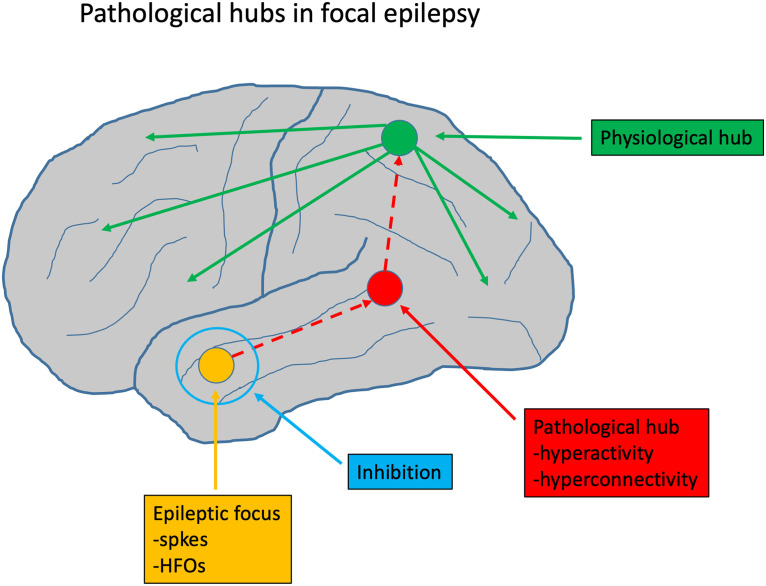
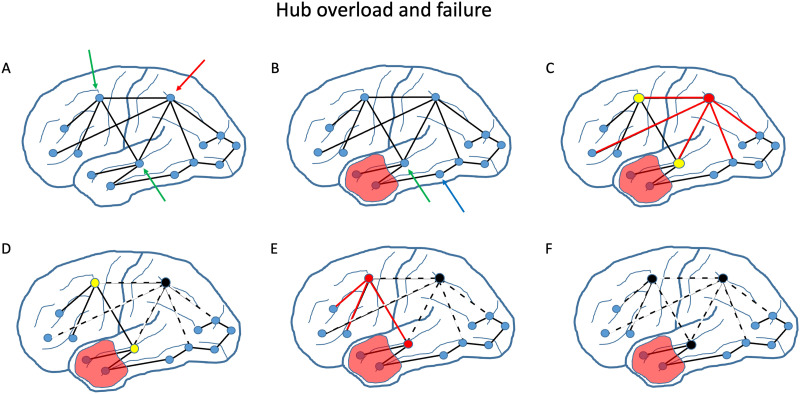
Understanding the concept of network hubs and their role in brain disease is now rapidly becoming important for clinical neurology. Hub nodes in brain networks are areas highly connected to the rest of the brain, which handle a large part of all the network traffic. They also show high levels of neural activity and metabolism, which makes them vulnerable to many different types of pathology. The present review examines recent evidence for the prevalence and nature of hub involvement in a variety of neurological disorders, emphasizing common themes across different types of pathology. In focal epilepsy, pathological hubs may play a role in spreading of seizure activity, and removal of such hub nodes is associated with improved outcome. In stroke, damage to hubs is associated with impaired cognitive recovery. Breakdown of optimal brain network organization in multiple sclerosis is accompanied by cognitive dysfunction. In Alzheimer's disease, hyperactive hub nodes are directly associated with amyloid-beta and tau pathology. Early and reliable detection of hub pathology and disturbed connectivity in Alzheimer's disease with imaging and neurophysiological techniques opens up opportunities to detect patients with a network hyperexcitability profile, who could benefit from treatment with anti-epileptic drugs.
如今,理解脑网络枢纽的概念及其在脑部疾病中的作用对于临床神经学正变得越来越重要。脑网络中的枢纽节点是与大脑其他部分高度相连的区域,处理着所有网络信息流的很大一部分。它们还表现出高水平的神经活动和新陈代谢,这使得它们易受多种不同类型病理变化的影响。本综述考察了近期关于枢纽参与各种神经系统疾病的普遍性和性质的证据,强调了不同类型病理变化中的共同主题。在局灶性癫痫中,病理性枢纽可能在癫痫活动传播中起作用,切除此类枢纽节点与改善预后相关。在中风中,枢纽受损与认知恢复受损有关。多发性硬化症中最佳脑网络组织的破坏伴随着认知功能障碍。在阿尔茨海默病中,活跃的枢纽节点直接与淀粉样蛋白-β和tau病理相关。利用成像和神经生理学技术早期且可靠地检测阿尔茨海默病中的枢纽病理和连接紊乱,为检测具有网络过度兴奋特征的患者提供了机会,这些患者可能从抗癫痫药物治疗中获益。