Department of Basic Sciences, Laboratory of Cell Physiology, Faculty of Health Sciences, Universidad Tecnológica de Pereira, AA 97, La Julita, 660003, Pereira, Risaralda, Colombia.
Departments of Pharmacology and Cellular and Molecular Physiology, Yale University, New Haven, CT, 06520, USA.
J Physiol Biochem. 2024 May;80(2):451-463. doi: 10.1007/s13105-024-01016-z. Epub 2024 Apr 2.
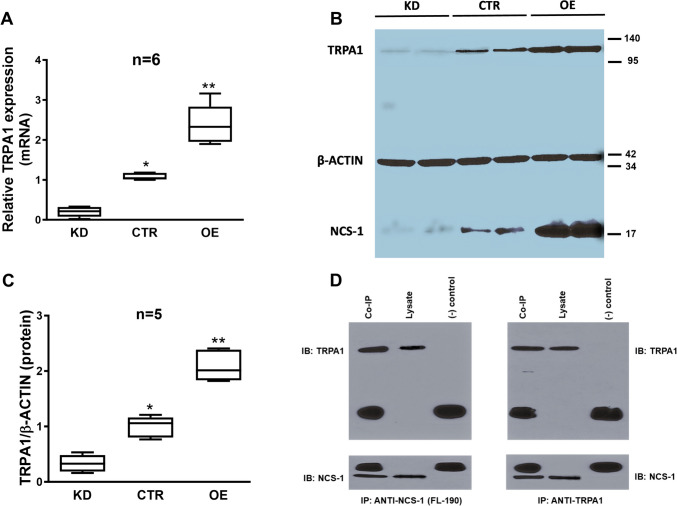
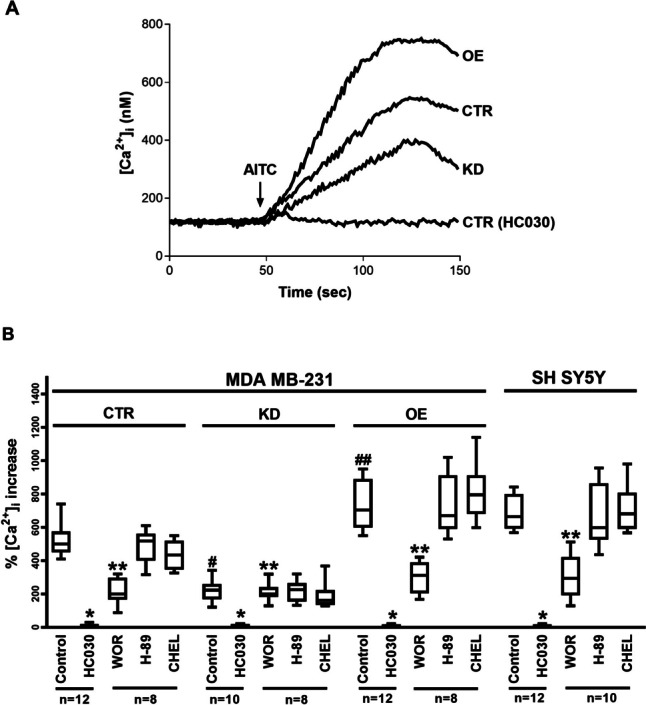
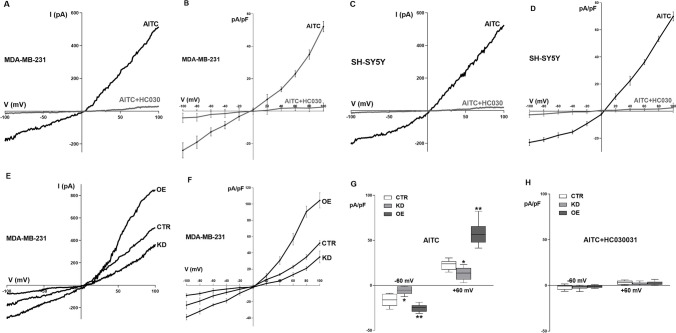
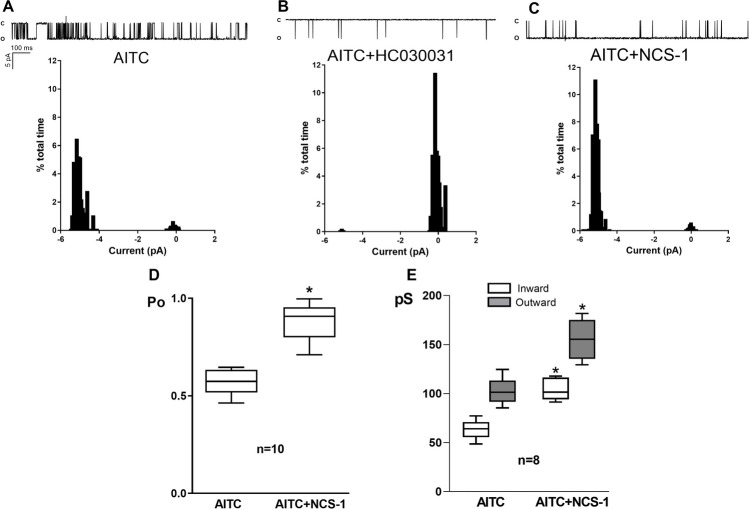
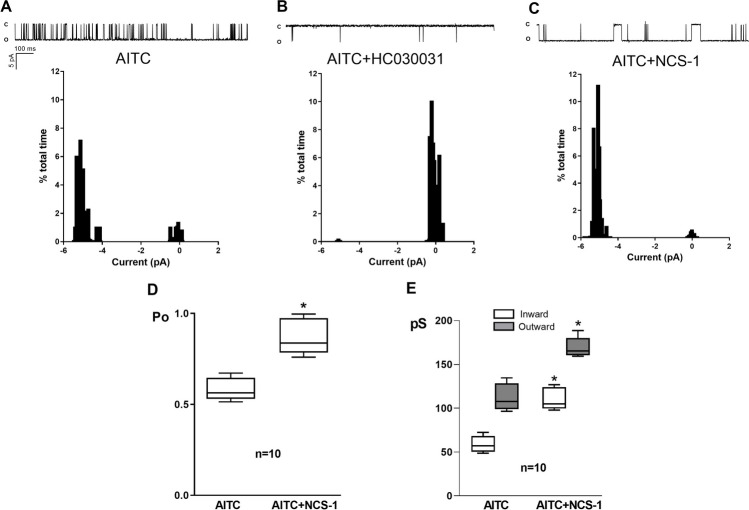
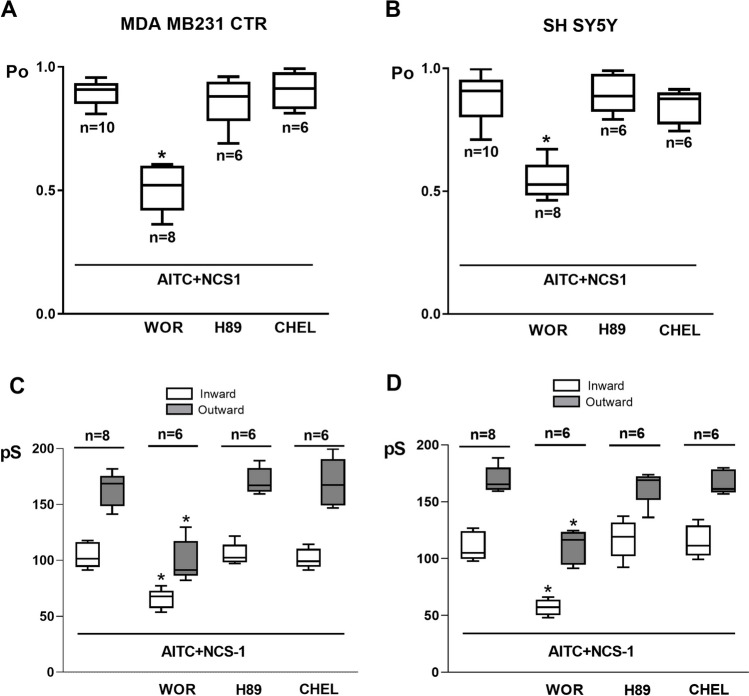
The physical and functional interaction between transient receptor potential channel ankyrin 1 (TRPA1) and neuronal calcium sensor 1 (NCS-1) was assessed. NCS-1 is a calcium (Ca) sensor found in many tissues, primarily neurons, and TRPA1 is a Ca channel involved not only in thermal and pain sensation but also in conditions such as cancer and chemotherapy-induced peripheral neuropathy, in which NCS-1 is also a regulatory component.We explored the interactions between these two proteins by employing western blot, qRT-PCR, co-immunoprecipitation, Ca transient monitoring with Fura-2 spectrophotometry, and electrophysiology assays in breast cancer cells (MDA-MB-231) with different levels of NCS-1 expression and neuroblastoma cells (SH-SY5Y).Our findings showed that the expression of TRPA1 was directly correlated with NCS-1 levels at both the protein and mRNA levels. Additionally, we found a physical and functional association between these two proteins. Physically, the NCS-1 and TRPA1 co-immunoprecipitate. Functionally, NCS-1 enhanced TRPA1-dependent Ca influx, current density, open probability, and conductance, where the functional effects depended on PI3K. Conclusion: NCS-1 appears to act not only as a Ca sensor but also modulates TRPA1 protein expression and channel function in a direct fashion through the PI3K pathway. These results contribute to understanding how Ca homeostasis is regulated and provides a mechanism underlying conditions where Ca dynamics are compromised, including breast cancer. With a cellular pathway identified, targeted treatments can be developed for breast cancer and neuropathy, among other related diseases.
我们评估了瞬时受体电位通道锚蛋白 1(TRPA1)和神经元钙传感器 1(NCS-1)之间的物理和功能相互作用。NCS-1 是一种存在于许多组织中的钙(Ca)传感器,主要存在于神经元中,而 TRPA1 是一种 Ca 通道,不仅参与热和痛觉,还参与癌症和化疗引起的周围神经病等疾病,在这些疾病中,NCS-1 也是一个调节成分。我们通过在具有不同 NCS-1 表达水平的乳腺癌细胞(MDA-MB-231)和神经母细胞瘤细胞(SH-SY5Y)中进行 Western blot、qRT-PCR、共免疫沉淀、使用 Fura-2 分光光度法监测 Ca 瞬变和电生理学测定,来探索这两种蛋白质之间的相互作用。
我们的研究结果表明,TRPA1 的表达与蛋白质和 mRNA 水平的 NCS-1 水平直接相关。此外,我们发现这两种蛋白质之间存在物理和功能关联。在物理上,NCS-1 和 TRPA1 共免疫沉淀。在功能上,NCS-1 增强了 TRPA1 依赖性 Ca 内流、电流密度、开放概率和电导,而功能效应取决于 PI3K。
NCS-1 似乎不仅作为 Ca 传感器发挥作用,还通过 PI3K 途径直接调节 TRPA1 蛋白表达和通道功能。这些结果有助于理解 Ca 稳态是如何调节的,并为 Ca 动力学受损的情况提供了一种机制,包括乳腺癌。通过确定细胞通路,可以为乳腺癌和神经病等相关疾病开发靶向治疗。