University of Geneva, Department of Molecular and Cellular Biology, Faculty of Sciences, Geneva, Switzerland.
University of Geneva, Department of Genetic and evolution, Faculty of Sciences, Geneva, Switzerland.
Cell. 2024 Apr 25;187(9):2158-2174.e19. doi: 10.1016/j.cell.2024.03.025. Epub 2024 Apr 10.
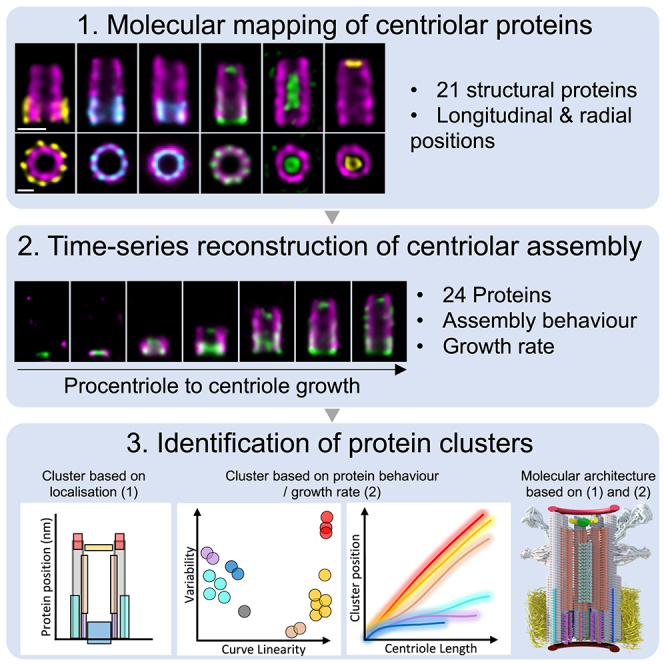
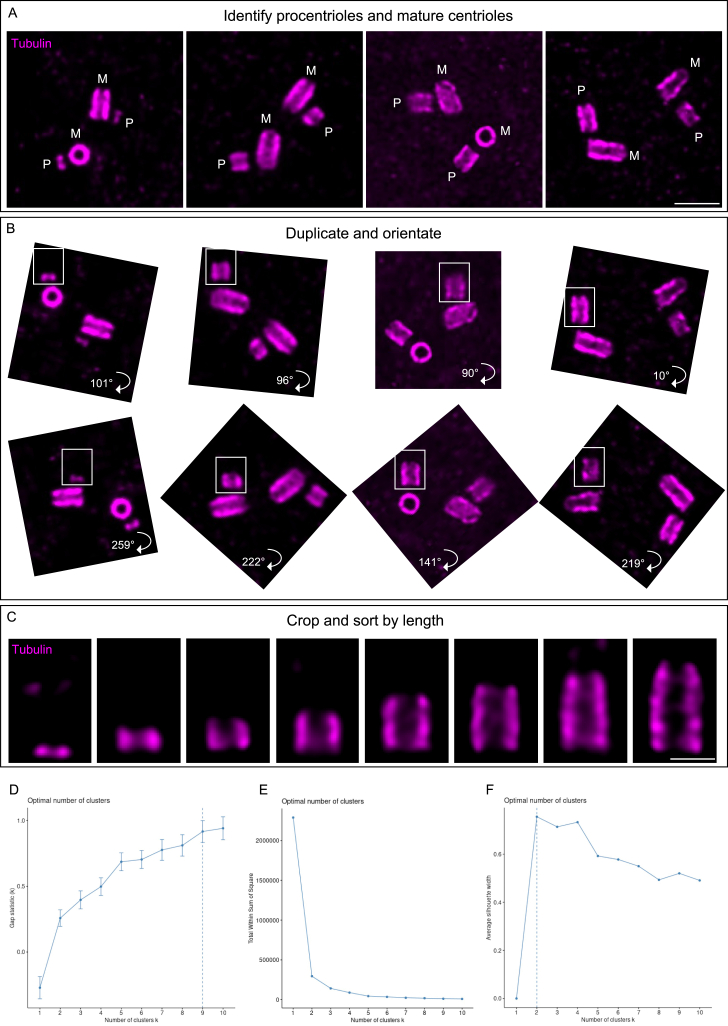
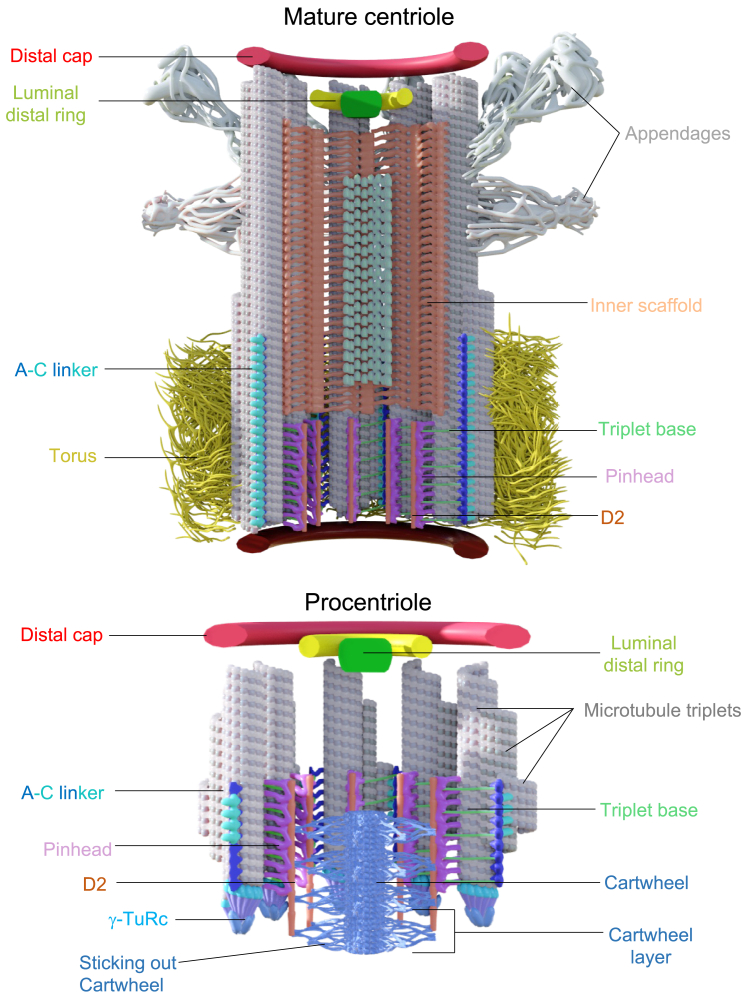
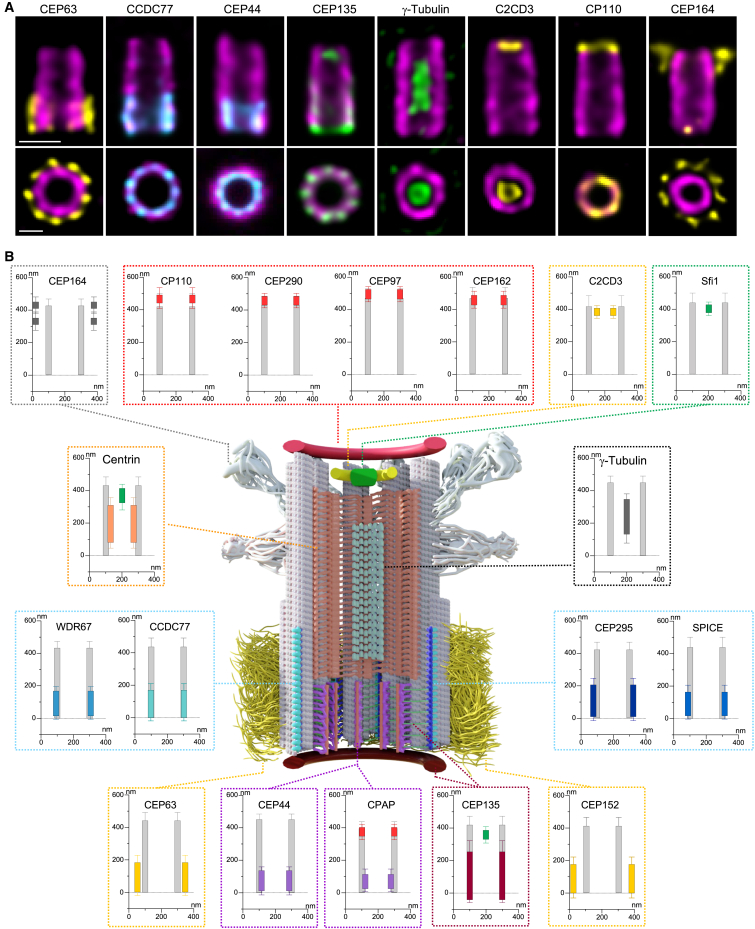
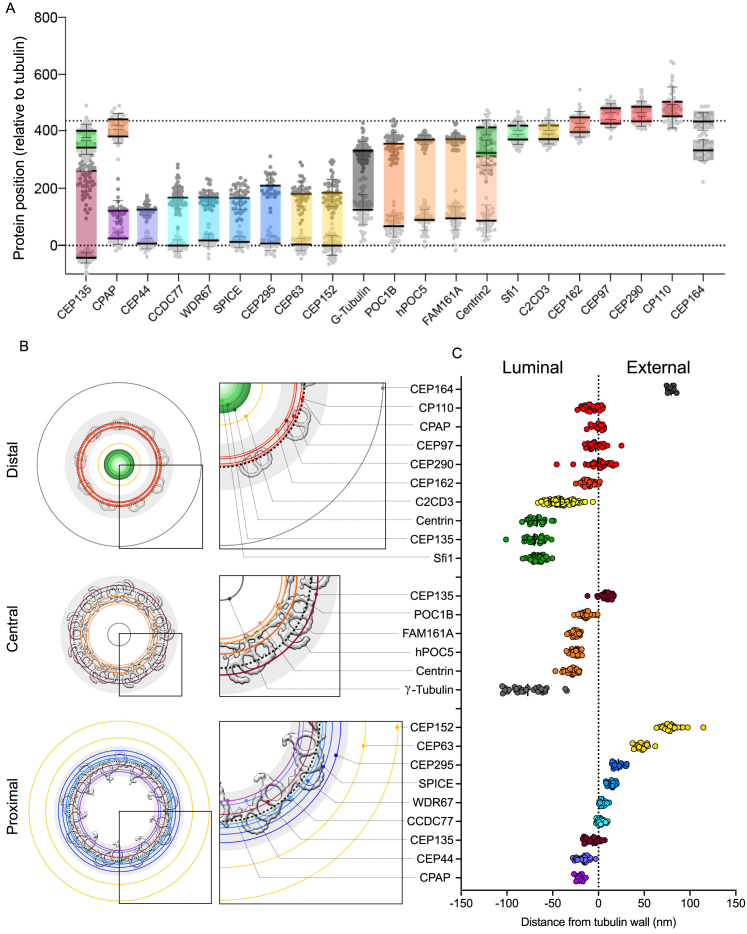
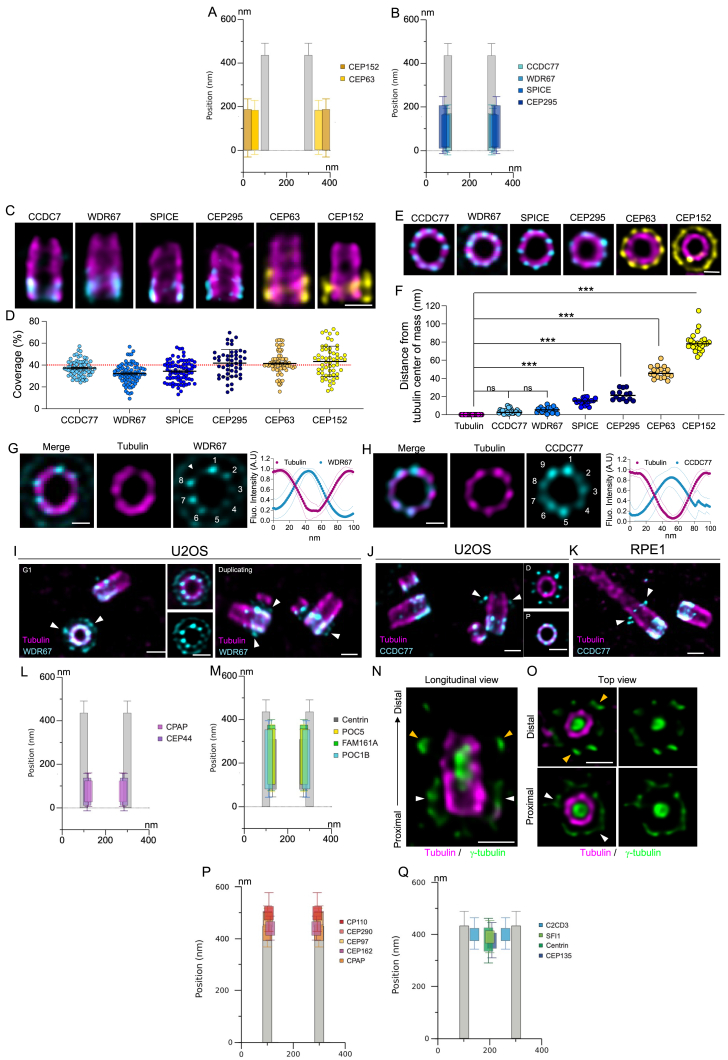
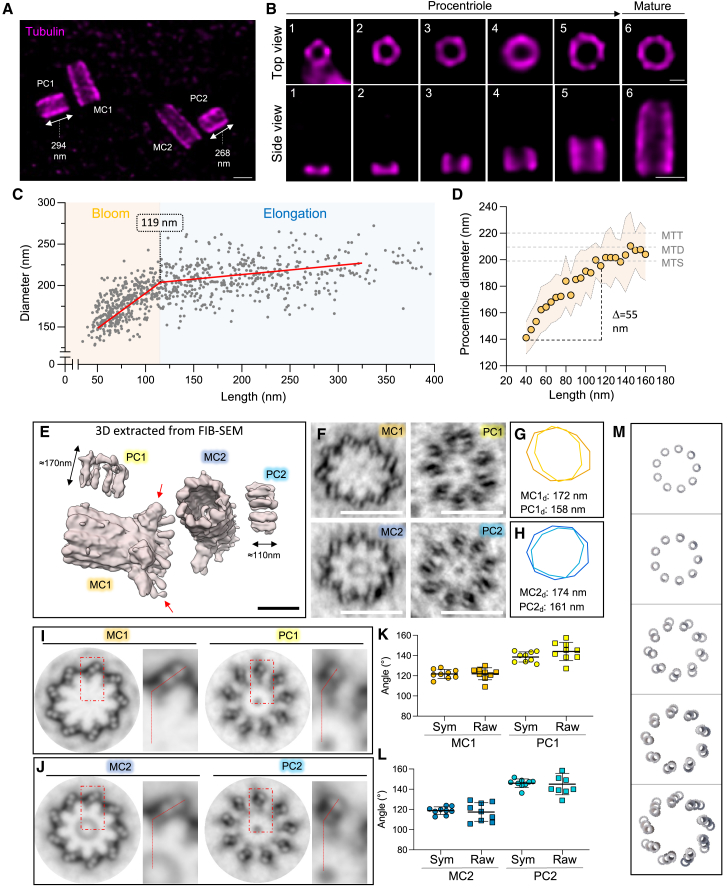
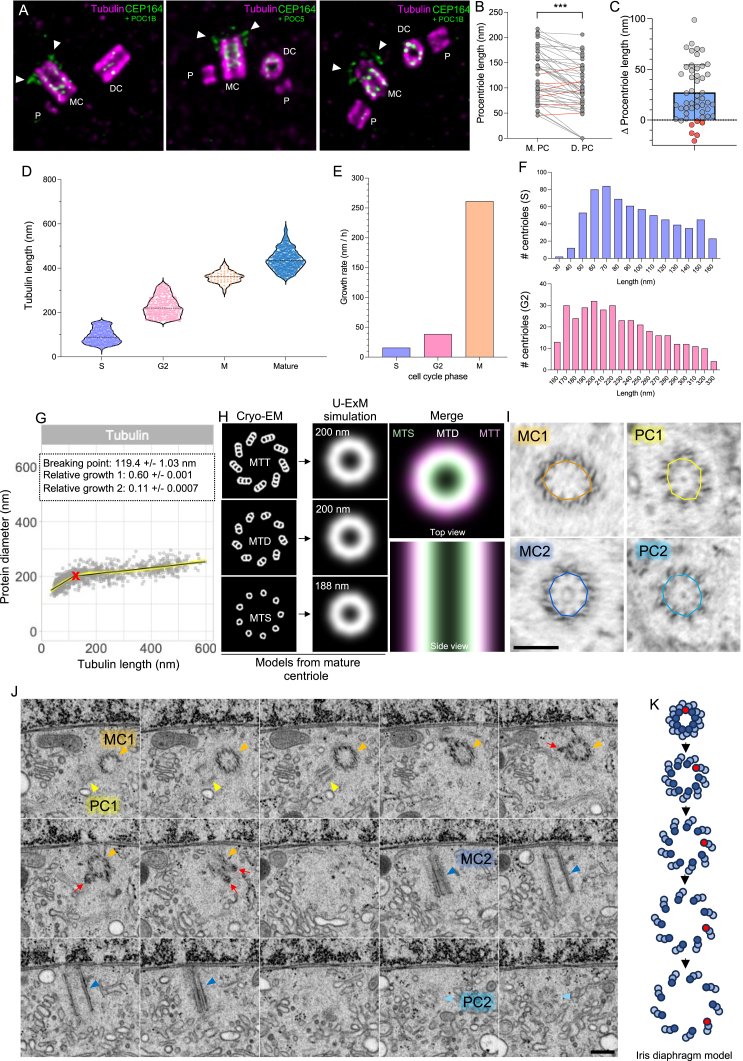
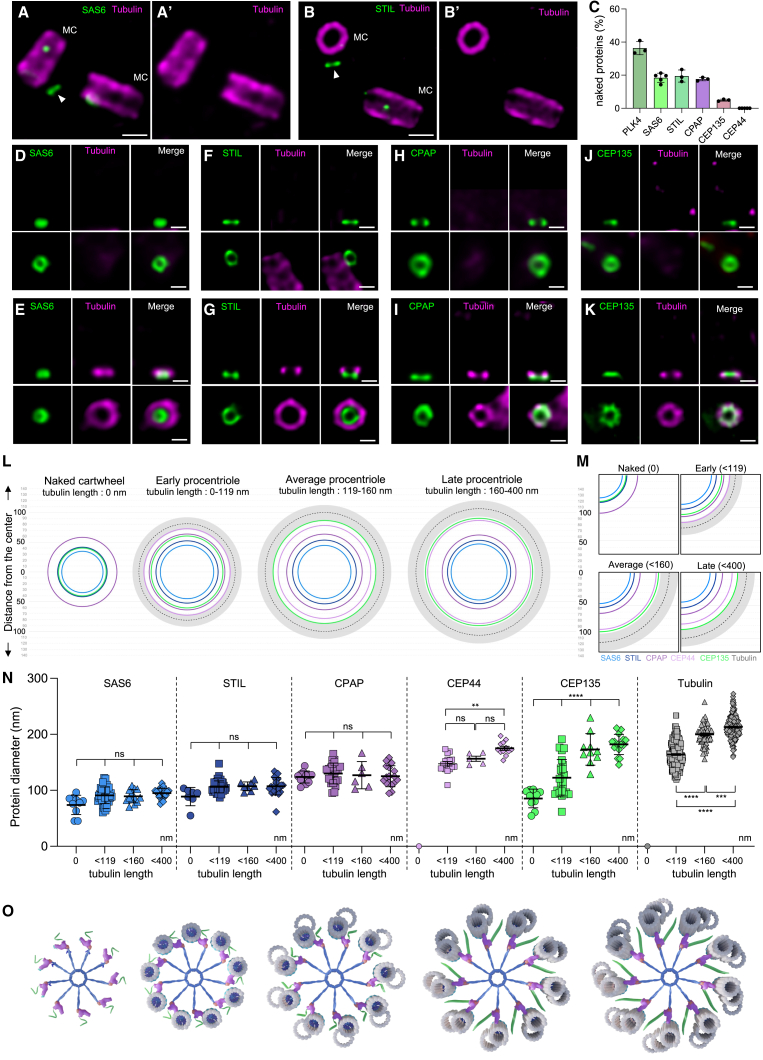
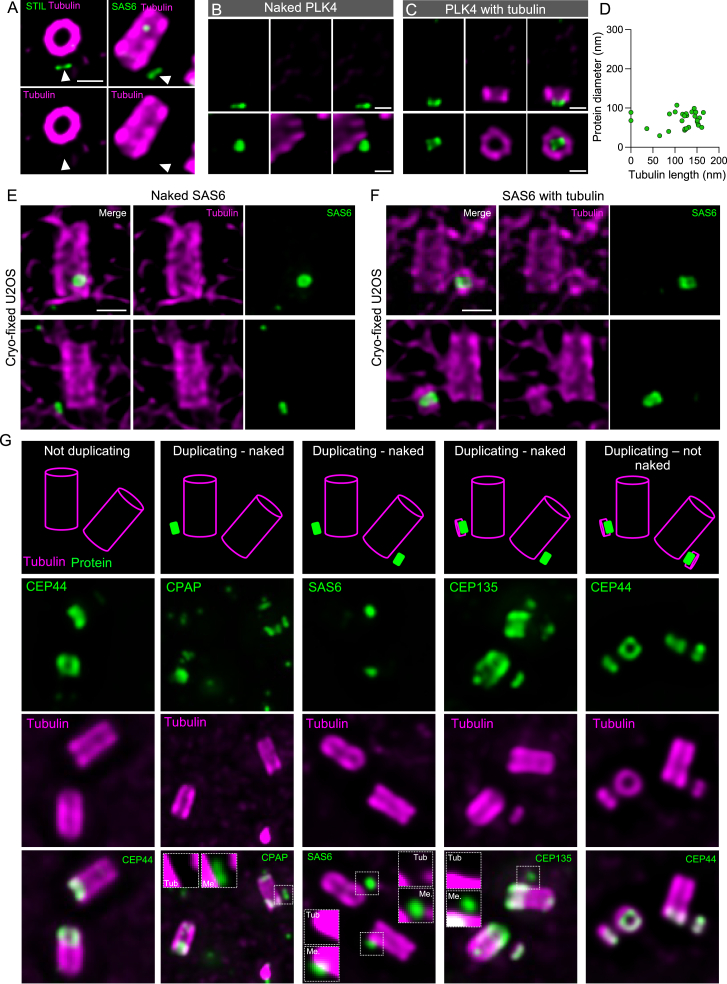
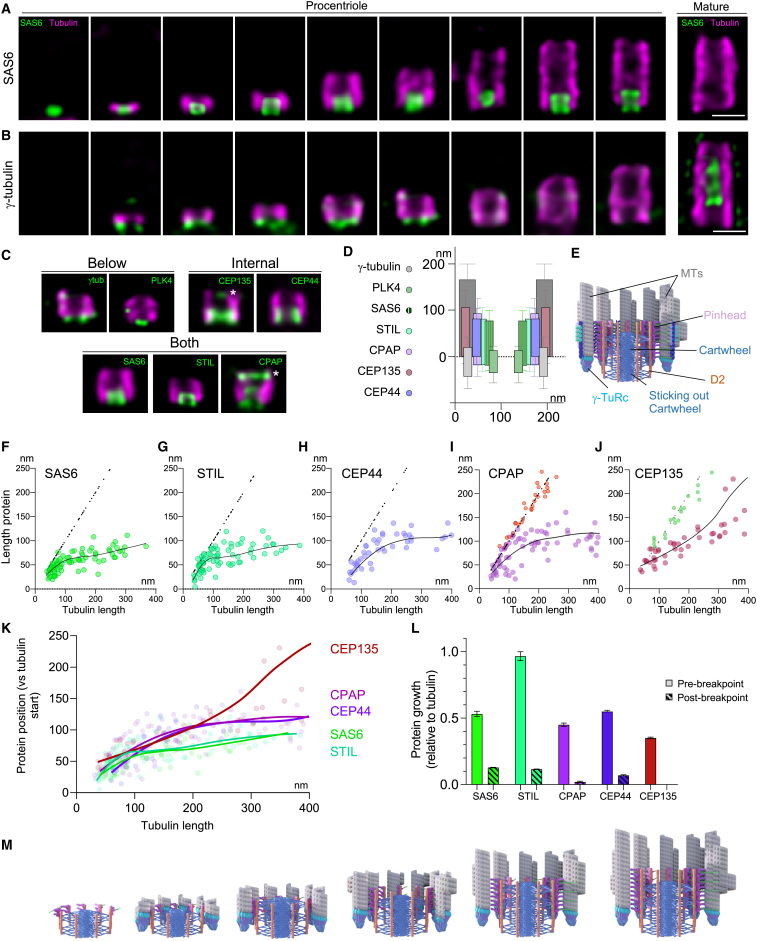
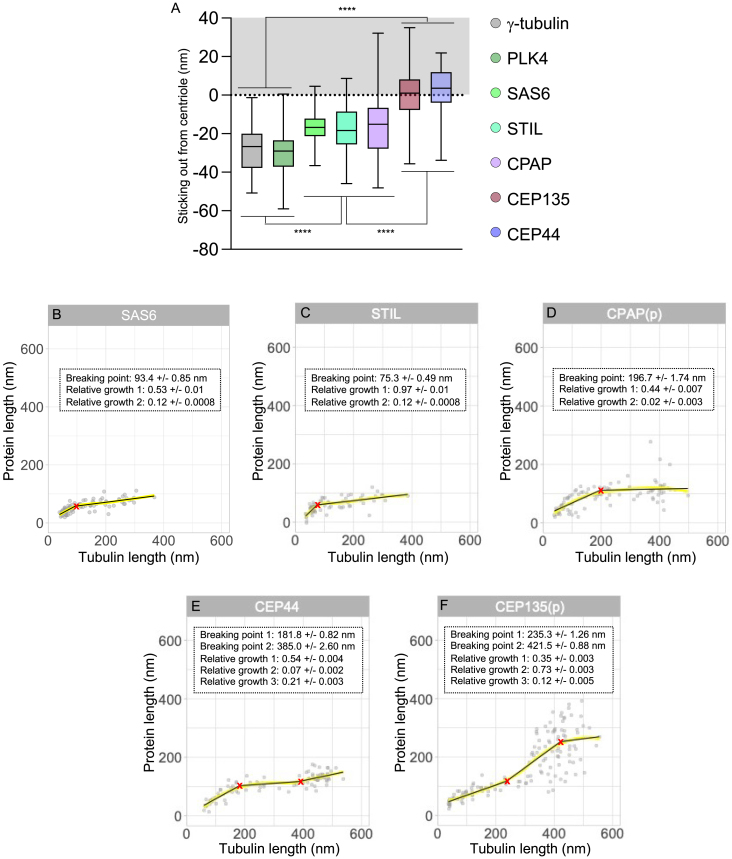
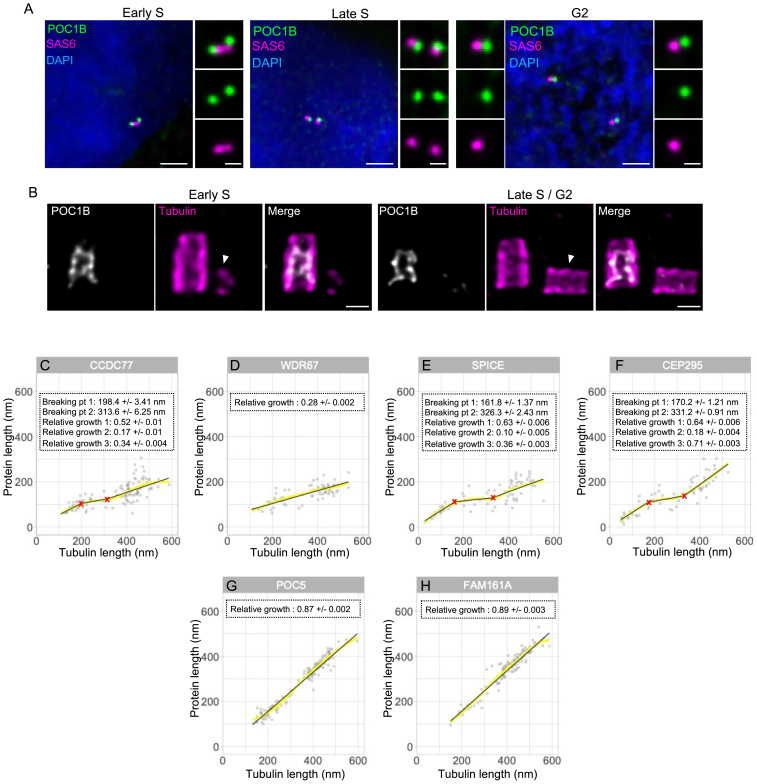
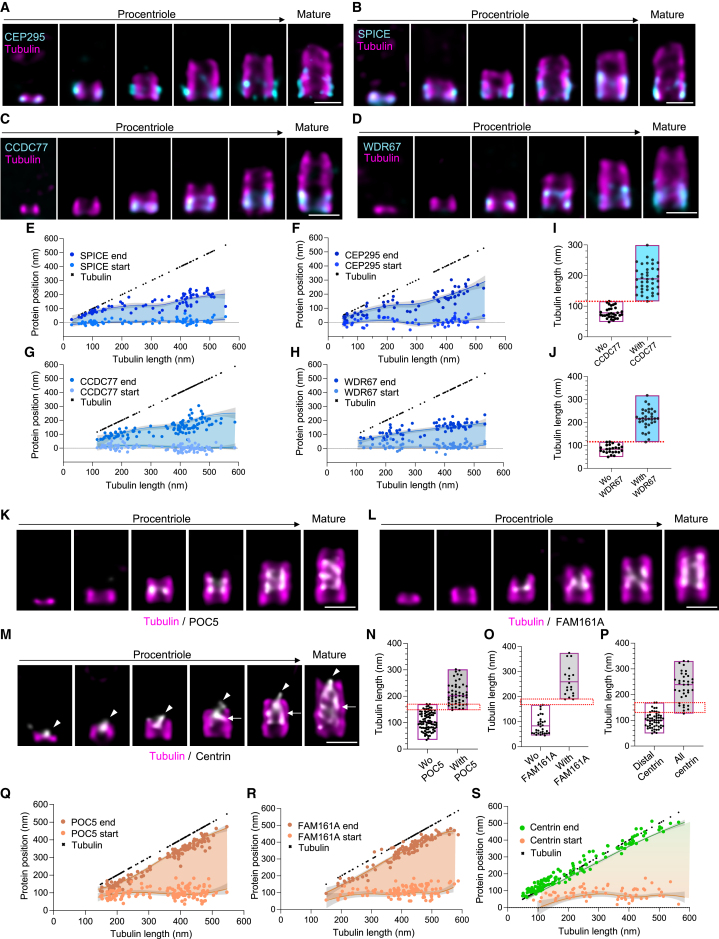
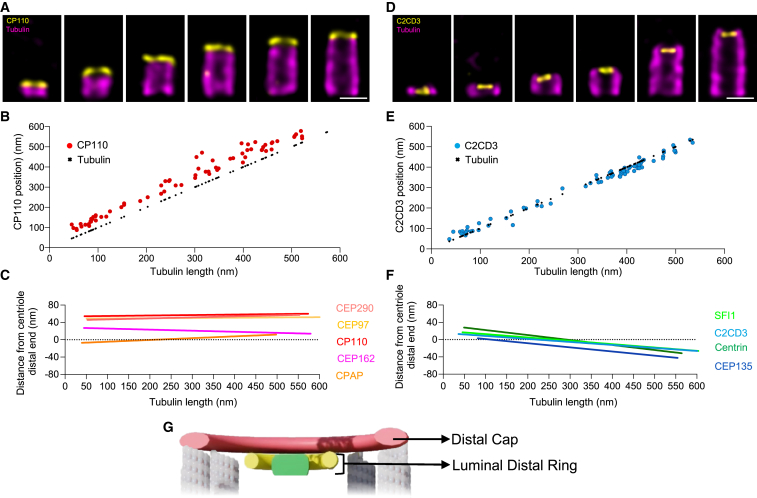
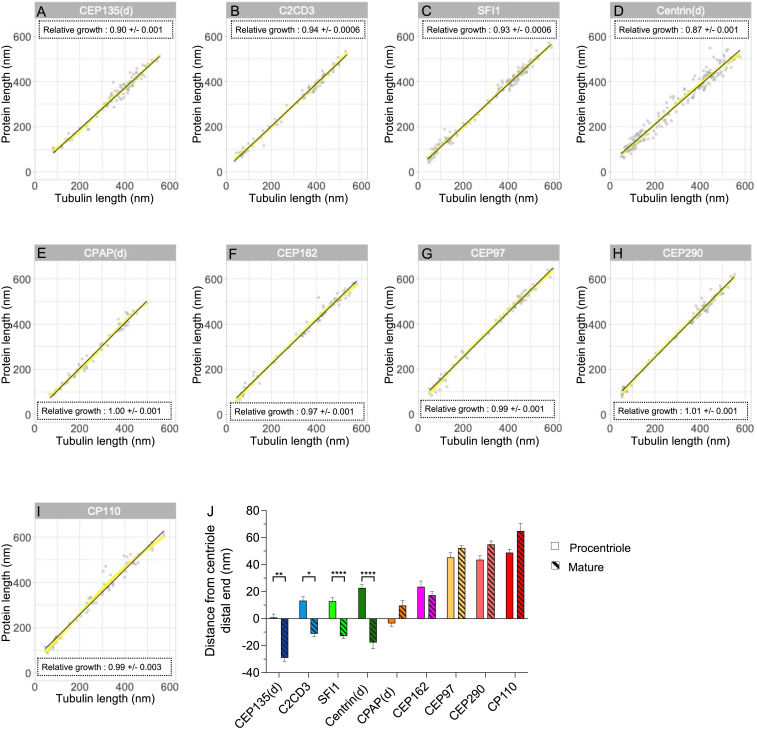
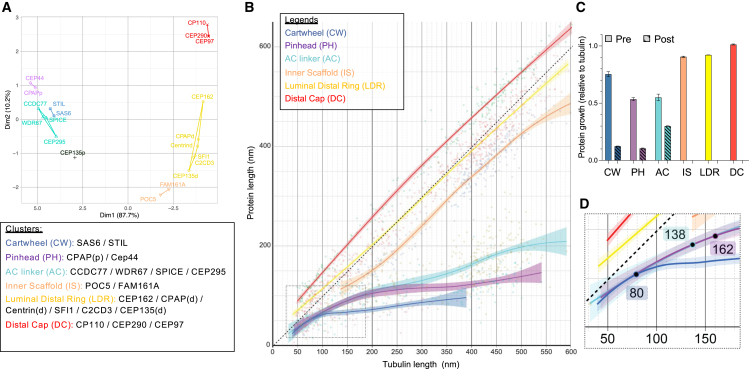
Centriole biogenesis, as in most organelle assemblies, involves the sequential recruitment of sub-structural elements that will support its function. To uncover this process, we correlated the spatial location of 24 centriolar proteins with structural features using expansion microscopy. A time-series reconstruction of protein distributions throughout human procentriole assembly unveiled the molecular architecture of the centriole biogenesis steps. We found that the process initiates with the formation of a naked cartwheel devoid of microtubules. Next, the bloom phase progresses with microtubule blade assembly, concomitantly with radial separation and rapid cartwheel growth. In the subsequent elongation phase, the tubulin backbone grows linearly with the recruitment of the A-C linker, followed by proteins of the inner scaffold (IS). By following six structural modules, we modeled 4D assembly of the human centriole. Collectively, this work provides a framework to investigate the spatial and temporal assembly of large macromolecules.
中心体生物发生,与大多数细胞器组装一样,涉及到支持其功能的亚结构元件的顺序募集。为了揭示这一过程,我们使用扩展显微镜将 24 种中心体蛋白的空间位置与结构特征相关联。对人起始中心体组装过程中蛋白质分布的时间序列重建揭示了中心体生物发生步骤的分子结构。我们发现,该过程首先是在没有微管的情况下形成裸露的轮辐。接下来,随着微管叶片组装, bloom 阶段进展,同时伴随着径向分离和快速轮辐生长。在随后的伸长阶段,微管骨架线性生长,同时招募 A-C 接头,随后是内支架(IS)的蛋白质。通过跟踪六个结构模块,我们对人中心体的 4D 组装进行了建模。总的来说,这项工作为研究大型大分子的空间和时间组装提供了一个框架。