Department of Kinesiology and Nutrition, University of Illinois at Chicago, Chicago, IL, 60612, USA.
Department of Rehabilitation Medicine, University of Washington, Seattle, WA, USA.
BMC Neurol. 2024 Apr 17;24(1):131. doi: 10.1186/s12883-024-03634-y.
Major depressive disorder (MDD) is prevalent, yet sub-optimally treated among persons with multiple sclerosis (MS). We propose that exercise training may be a promising approach for treating depression in persons with MS who have MDD. Our primary hypothesis predicts a reduction in depression severity immediately after an exercise training intervention compared with minimal change in an attention control condition, and the reduction will be maintained during a follow-up period.
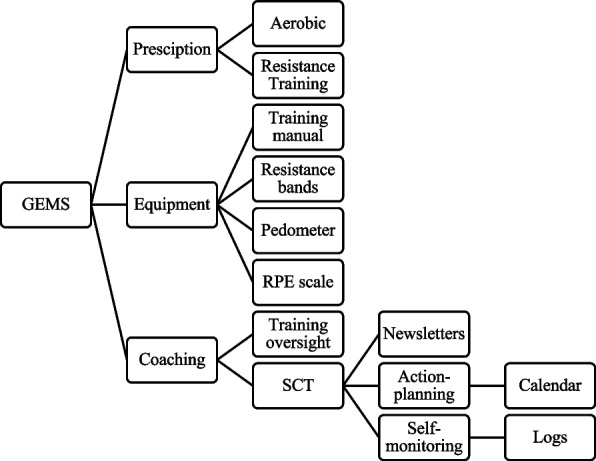
This study involves a parallel-group, assessor-blinded RCT that examines the effect of a 4-month home-based exercise training intervention on depression severity in a sample of persons with MS who have MDD based on the MINI International Neuropsychiatric Interview. The primary outcomes of depression severity are the Patient Health Questionnaire-9 and Hamilton Depression Rating Scale. Participants (N = 146) will be recruited from within 200 miles of the University of Illinois at Chicago and randomized (1:1) into either a home-based exercise training condition or control condition with concealed allocation. The exercise training and social-contact, attention control (i.e., stretching) conditions will be delivered remotely over a 4-month period and supported through eight, 1:1 Zoom-based behavioral coaching sessions guided by social-cognitive theory and conducted by persons who are uninvolved in screening, recruitment, random assignment, and outcome assessment. We will collect outcome data at 0, 4 and 8 months using treatment-blinded assessors, and data analyses will involve intent-to-treat principles.
If successful, the proposed study will provide the first Class I evidence supporting a home-based exercise training program for treating MDD in persons with MS. This is critical as exercise training would likely have positive secondary effects on symptoms, cognition, and quality of life, and provide a powerful, behavioral approach for managing the many negative outcomes of MDD in MS. The program in the proposed research is accessible and scalable for broad treatment of depression in MS, and provides the potential for integration in the clinical management of MS.
The trial was registered on September 10, 2021 at clinicaltrials.gov with the identifier NCT05051618. The registration occurred before we initiated recruitment on June 2, 2023.
多发性硬化症(MS)患者中重度抑郁症(MDD)较为普遍,但治疗效果欠佳。我们提出,运动训练可能是治疗 MDD 合并 MS 患者抑郁的一种很有前途的方法。我们的主要假设预测,与注意力控制条件下的最小变化相比,运动训练干预后抑郁严重程度会立即降低,并且在随访期间会持续降低。
本研究采用平行组、评估者盲法 RCT,根据 MINI 国际神经精神访谈,在 MDD 合并 MS 的患者样本中,检查为期 4 个月的家庭运动训练干预对抑郁严重程度的影响。抑郁严重程度的主要结局指标为患者健康问卷-9 和汉密尔顿抑郁评定量表。参与者(N=146)将从芝加哥伊利诺伊大学 200 英里范围内招募,并随机(1:1)分为家庭运动训练组或对照组,采用隐藏分组。运动训练和社会接触、注意力控制(即伸展)条件将在 4 个月内远程提供,并通过 8 次 1:1 的基于 Zoom 的行为指导会议进行支持,这些会议由不参与筛选、招募、随机分配和结果评估的人员进行,会议将根据社会认知理论进行。我们将使用治疗盲法评估者在 0、4 和 8 个月时收集结果数据,数据分析将涉及意向治疗原则。
如果成功,该研究将提供首个支持家庭运动训练方案治疗 MS 患者 MDD 的 I 级证据。这一点至关重要,因为运动训练可能对症状、认知和生活质量产生积极的次要影响,并为管理 MS 中 MDD 的许多负面后果提供一种强大的行为方法。该研究中的方案易于获得且可扩展,可广泛用于治疗 MS 中的抑郁,并为 MS 的临床管理提供整合的潜力。
该试验于 2021 年 9 月 10 日在 clinicaltrials.gov 上注册,标识符为 NCT05051618。注册是在我们于 2023 年 6 月 2 日开始招募之前进行的。