Sun Yue, Alessandroni Laura, Angeloni Simone, Del Bianco Erika, Sagratini Gianni
School of Pharmacy, Chemistry Interdisciplinary Project (ChIP), University of Camerino, 62032 Camerino, Italy.
Food Chem X. 2024 Apr 9;22:101373. doi: 10.1016/j.fochx.2024.101373. eCollection 2024 Jun 30.
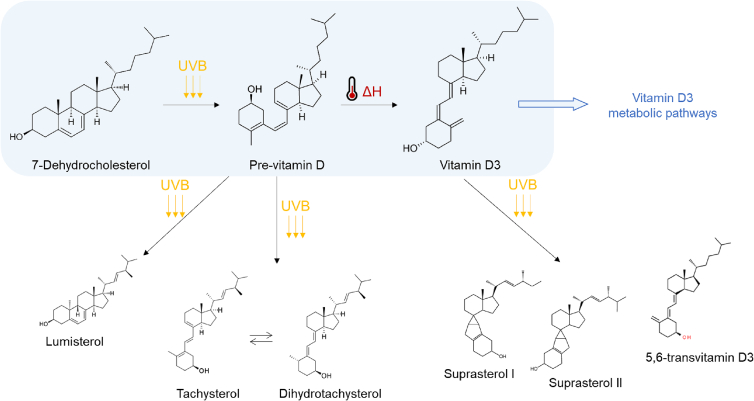
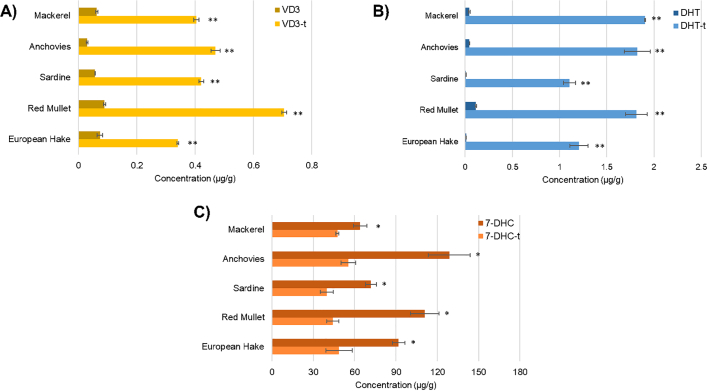
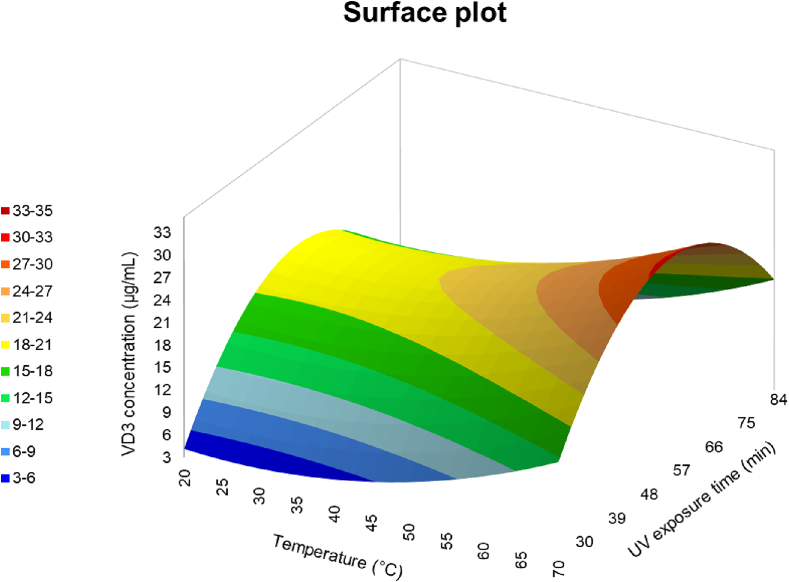
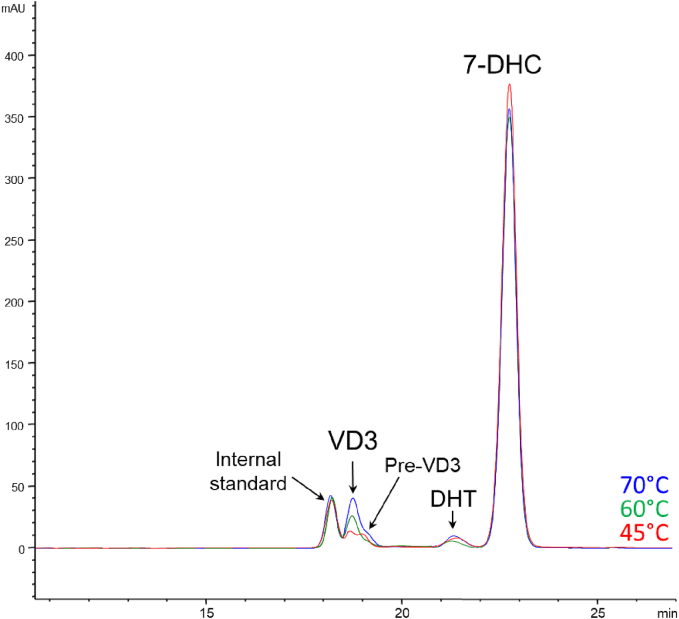
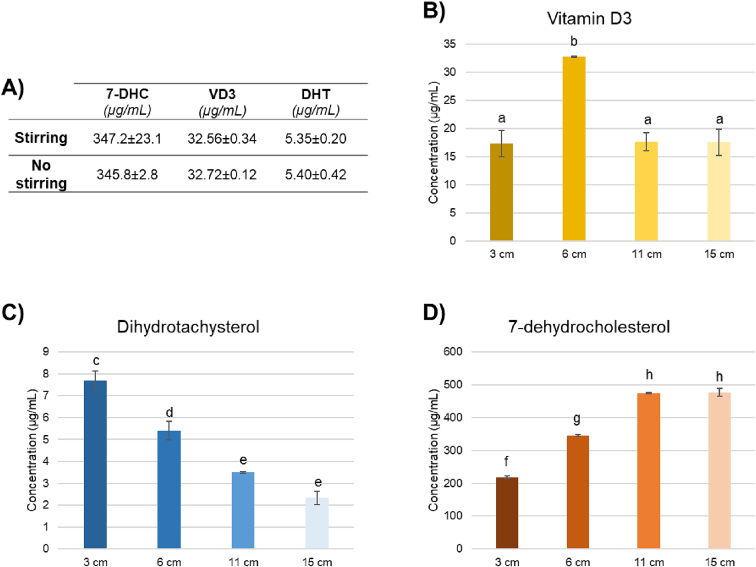
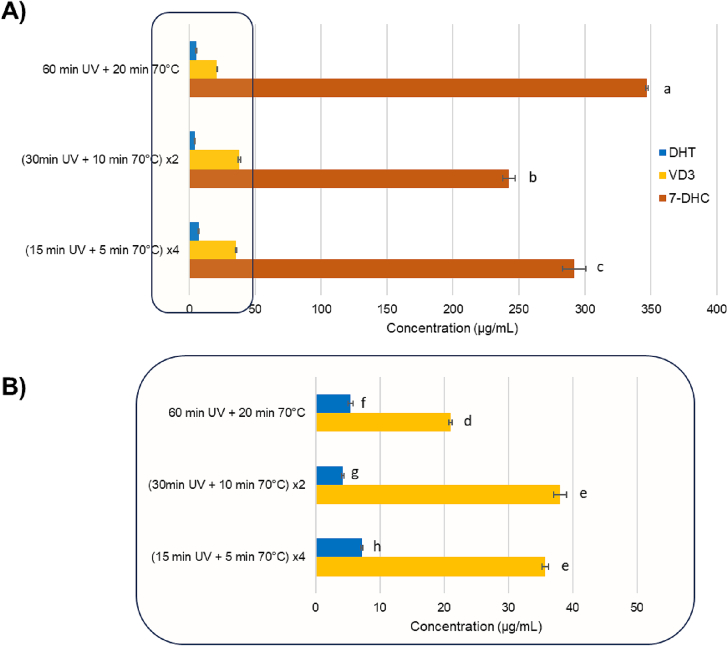
Vitamin D, a fat-soluble steroid, has increasingly taken a central role due to its crucial role in human health. It is estimated that about 40% of worldwide population are vitamin D deficient. The fish industry produces significant quantities of waste daily, with consequent high environmental impact. The aim of this work is to place a first brick for the fish waste reuse as a source of vitamin D extracts to be used for nutraceutical purposes. For this purpose, an UV conversion method for transforming the 7-dehydrocholesterol, highly present in fish, in vitamin D has been optimized. The UV wavelength, exposure time, temperature, stirring, and UV intensity were optimized using a surface response design tool. The optimized treatment was applied to five fish species with different fat percentages and the results were very promising reaching vitamin D levels >10 times higher than the pre-treatment ones.
维生素D是一种脂溶性类固醇,由于其在人类健康中的关键作用,它越来越占据核心地位。据估计,全球约40%的人口维生素D缺乏。渔业每天产生大量废弃物,对环境造成巨大影响。这项工作的目的是为将鱼废弃物再利用作为用于营养保健目的的维生素D提取物来源奠定基础。为此,一种将鱼中大量存在的7-脱氢胆固醇转化为维生素D的紫外线转化方法已得到优化。使用表面响应设计工具对紫外线波长、照射时间、温度、搅拌和紫外线强度进行了优化。将优化后的处理方法应用于五种脂肪含量不同种类的鱼,结果非常可观,维生素D水平比处理前高出10倍以上。