Tang Xinwei, Xu Shiyu, Yang Zhen, Wang Kang, Dai Ke, Zhang Yiwen, Hu Bangdi, Wang Yu, Cao Sanjie, Huang Xiaobo, Yan Qigui, Wu Rui, Zhao Qin, Du Senyan, Wen Xintian, Wen Yiping
Research Center of Swine Disease, College of Veterinary Medicine, Sichuan Agricultural University, Chengdu 611130, China.
Int J Mol Sci. 2024 Apr 22;25(8):4570. doi: 10.3390/ijms25084570.
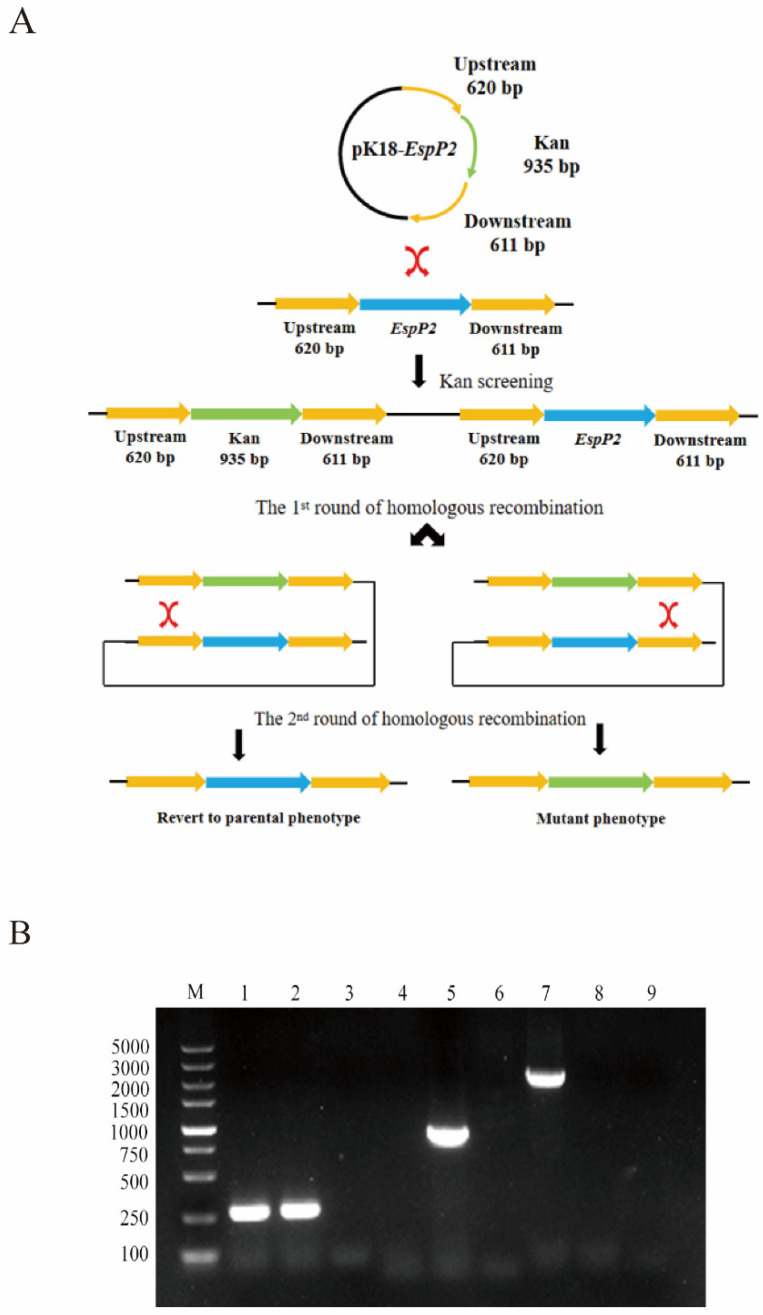
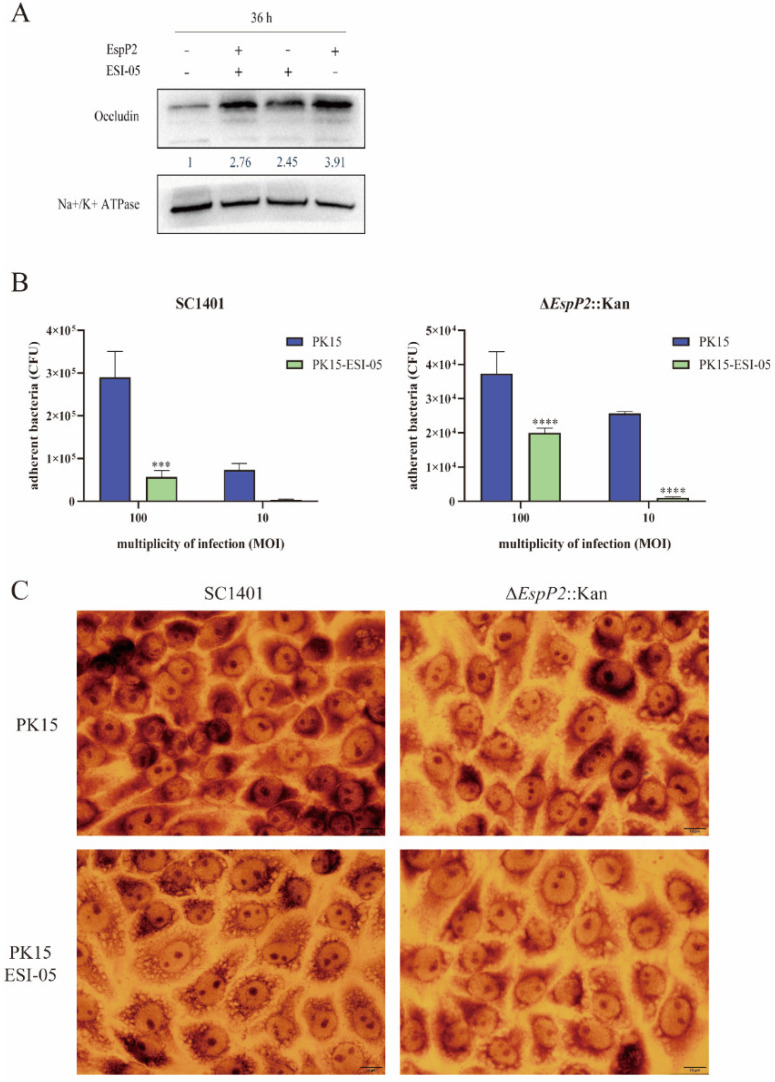
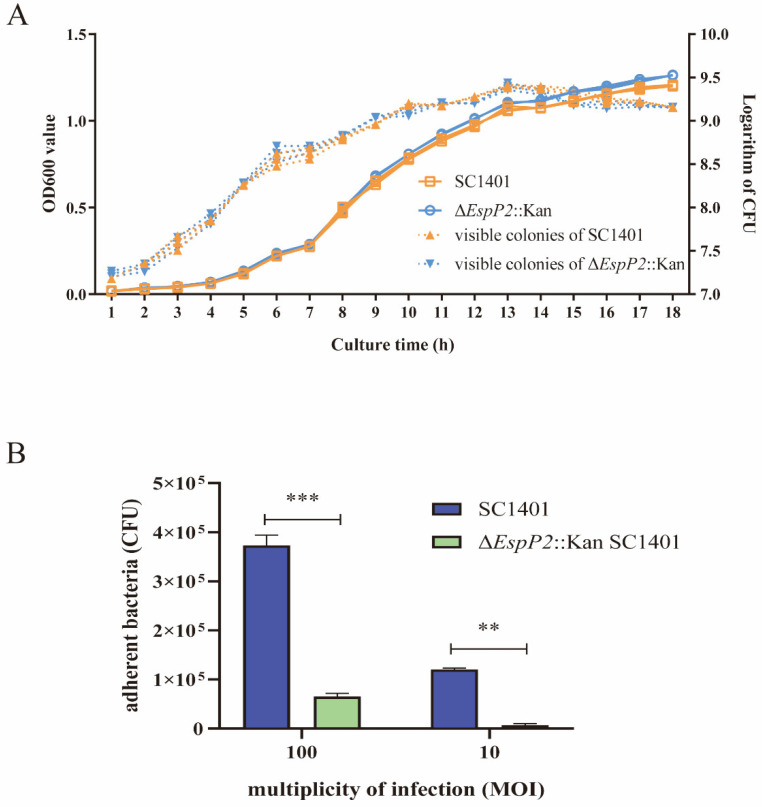
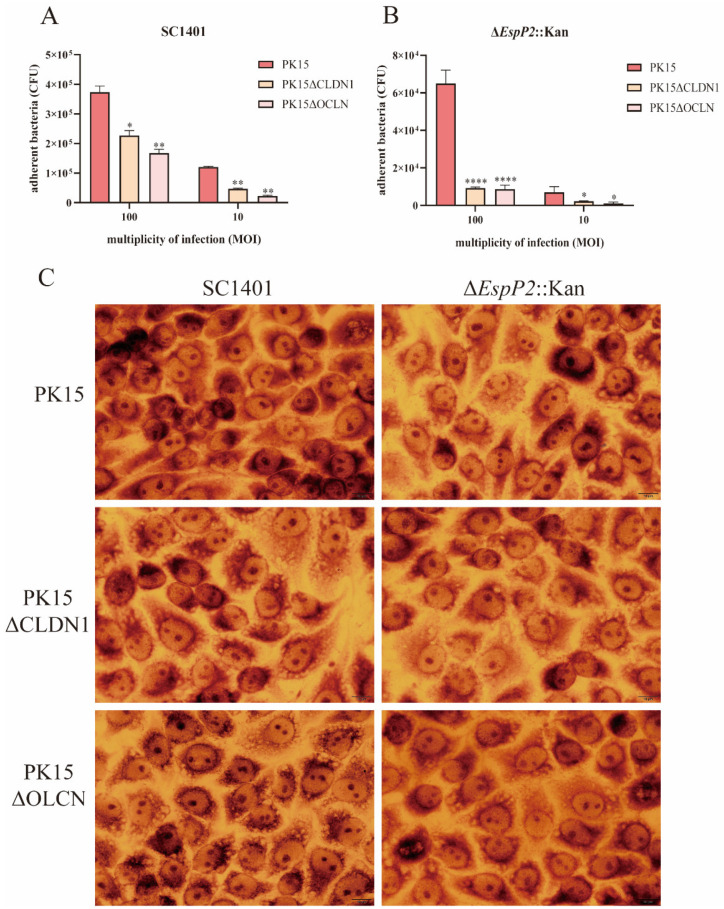
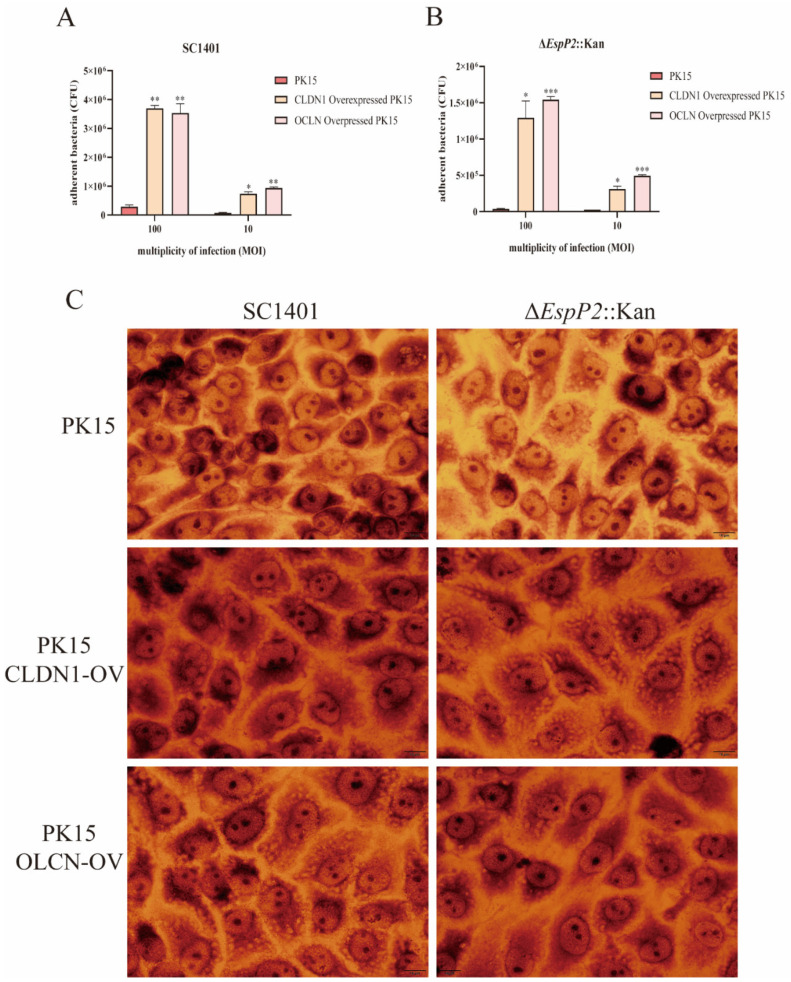
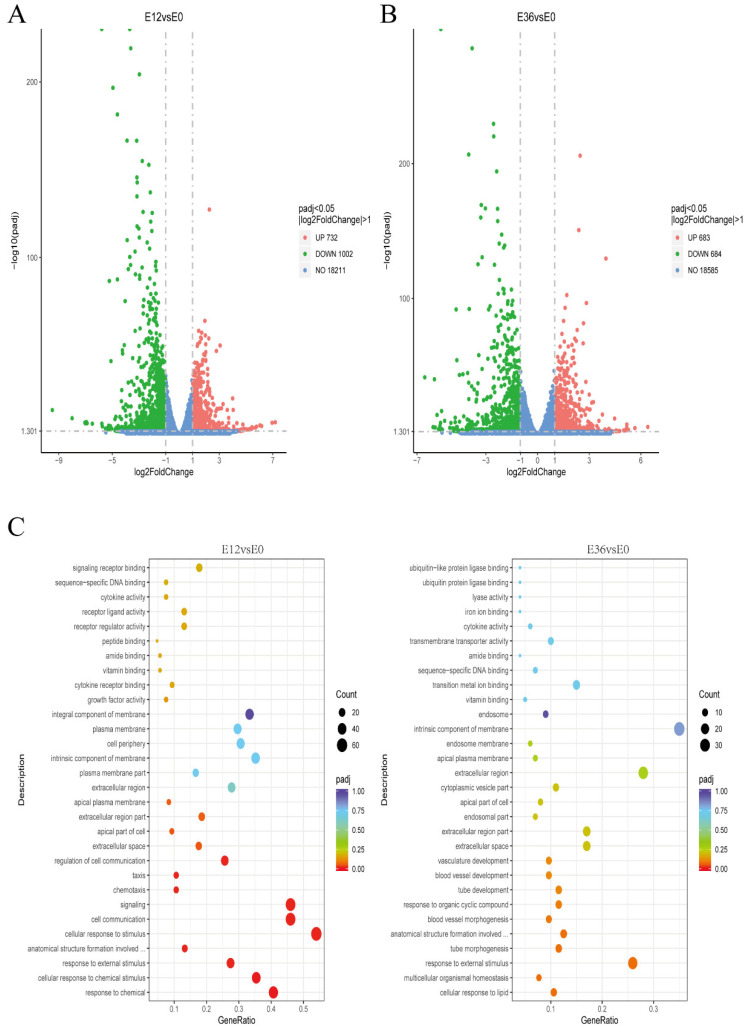
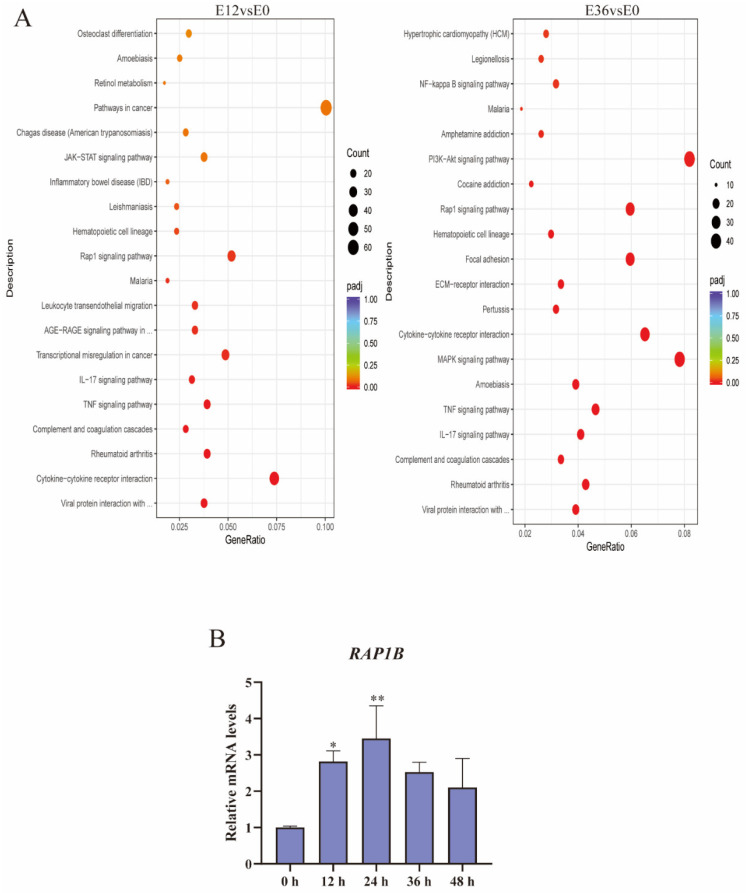
Different levels of EspP2 expression are seen in strains of with high and low pathogenicity. As a potential virulence factor for , the pathogenic mechanism of EspP2 in infection of host cells is not clear. To begin to elucidate the effect of on virulence, we used SC1401 in its wild-type form and SC1401, which was made -deficient. We demonstrated that EspP2 causes up-regulation of claudin-1 and occludin expression, thereby promoting the adhesion of to host cells; -deficiency resulted in significantly reduced adhesion of to cells. Transcriptome sequencing analysis of EspP2-treated PK15 cells revealed that the Rap1 signaling pathway is stimulated by EspP2. Blocking this pathway diminished occludin expression and adhesion. These results indicated that EspP2 regulates the adhesion of via Rap1 signaling pathway.
在高致病性和低致病性菌株中可观察到不同水平的EspP2表达。作为一种潜在的毒力因子,EspP2在宿主细胞感染中的致病机制尚不清楚。为了开始阐明EspP2对毒力的影响,我们使用了野生型SC1401和缺失EspP2的SC1401。我们证明,EspP2导致claudin-1和occludin表达上调,从而促进其与宿主细胞的粘附;EspP2缺失导致其与细胞的粘附显著减少。对经EspP2处理的PK15细胞进行转录组测序分析表明,EspP2刺激Rap1信号通路。阻断该通路会减少occludin表达和粘附。这些结果表明,EspP2通过Rap1信号通路调节其粘附。