Wang Lei, Zhou Xusha, Chen Xiaoqing, Liu Yuanyuan, Huang Yue, Cheng Yuan, Ren Peigen, Zhao Jing, Zhou Grace Guoying
Research Center for Reproduction and Health Development, Institute of Biomedicine and Biotechnology, Shenzhen Institutes of Advanced Technology, Chinese Academy of Sciences, 1068 Xueyuan Avenue, Shenzhen University Town, Shenzhen 518055, China.
Shenzhen International Institute for Biomedical Research, 1301 Guan-Guang Road, Building 1-B, Silver Star Hi-tech Industrial Park, Longhua District, Shenzhen 518110, China.
Mol Ther Oncol. 2024 Apr 6;32(2):200799. doi: 10.1016/j.omton.2024.200799. eCollection 2024 Jun 20.
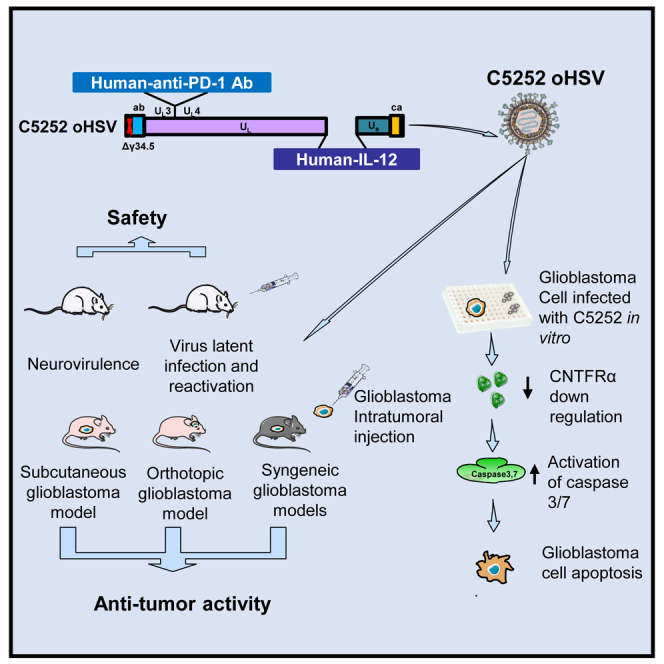
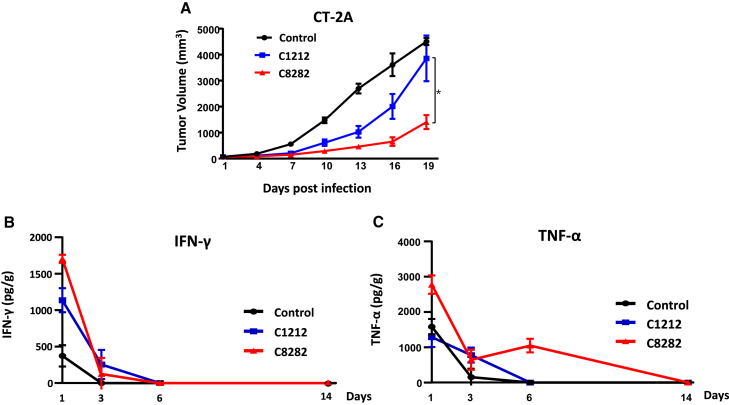
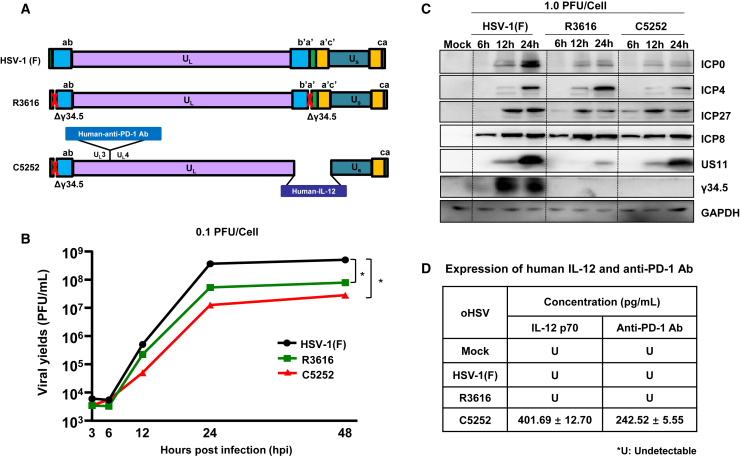
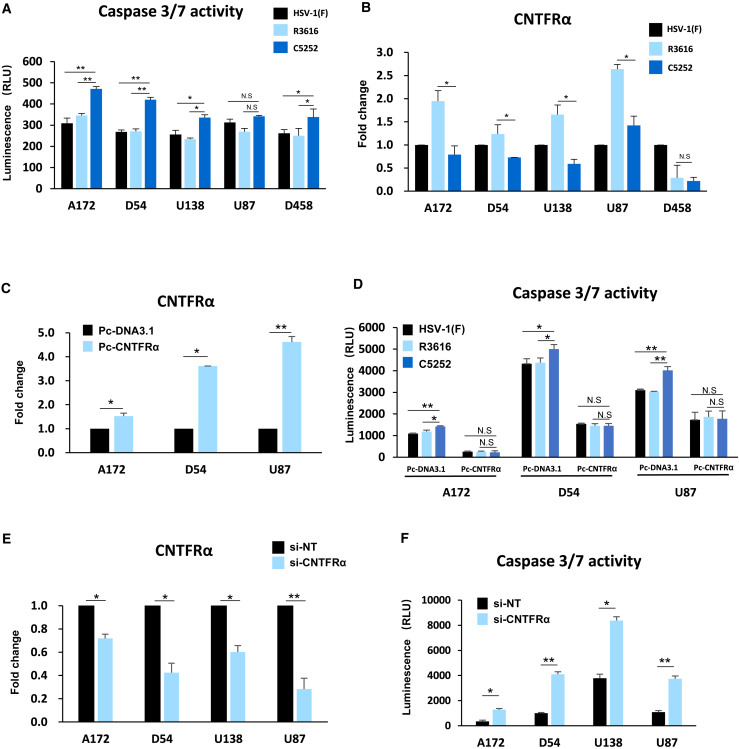
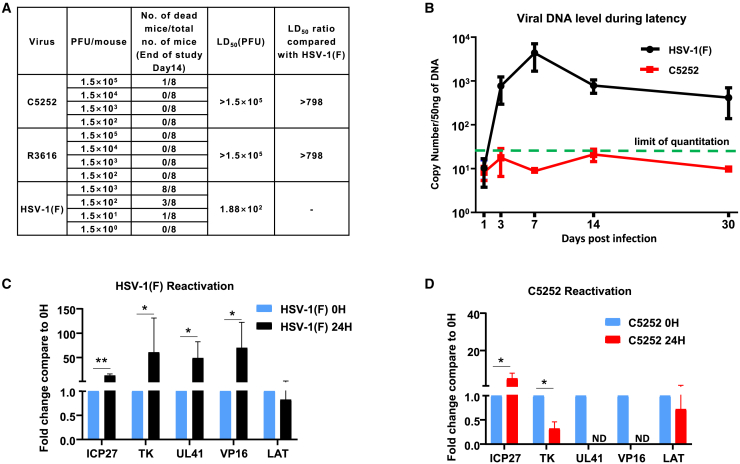
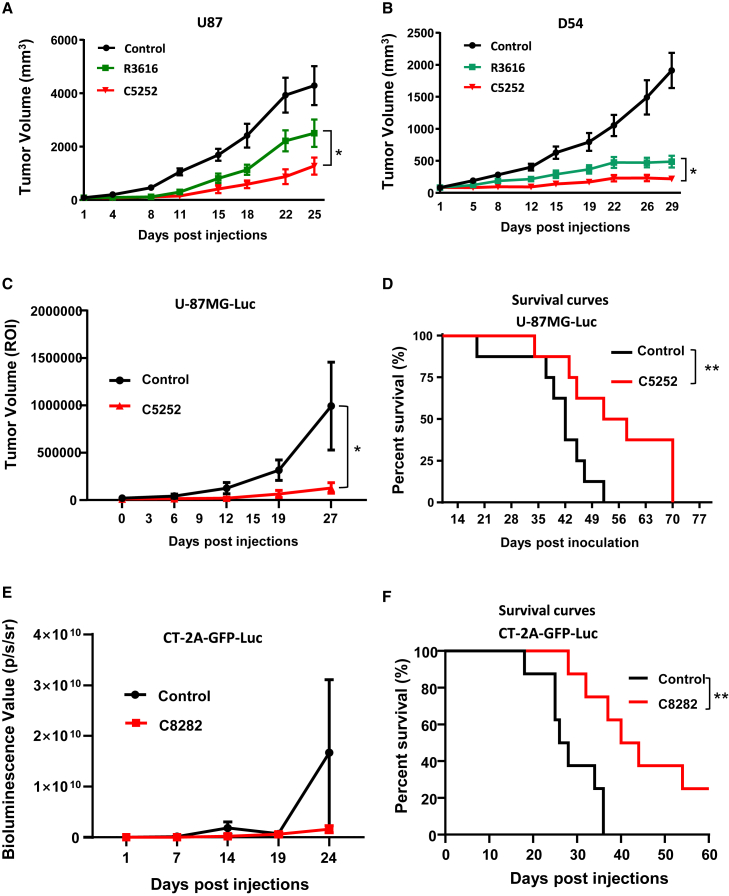
Glioblastoma is the most common and aggressive malignant brain tumor and has limited treatment options. Hence, innovative approaches are urgently needed. Oncolytic virus therapy is emerging as a promising modality for cancer treatment due to its tumor-specific targeting and immune-stimulatory properties. In this study, we developed a new generation of oncolytic herpes simplex virus C5252 by deletion of a 15-kb internal repeat region and both copies of genes. Additionally, C5252 was armed with anti-programmed cell death protein 1 antibody and interleukin-12 to enhance its therapeutic efficacy for glioblastoma immune-virotherapy. and experiments demonstrate that C5252 has a remarkable safety profile and potent anti-tumor activity against glioblastoma. Mechanistic studies demonstrated that C5252 specifically induces cell apoptosis by caspase-3/7 activation via downregulating ciliary neurotrophic factor receptor α. Furthermore, the enhanced anti-tumor therapeutic efficacy of C5252 in a subcutaneous glioblastoma model and an orthotopic glioblastoma model was confirmed. Moreover, syngeneic mouse models showed that the murine surrogate of C5252 has superior anti-tumor activity compared to the unarmed backbone virus, with enhanced immune activation. Taken together, our findings support C5252 as a promising therapeutic option for glioblastoma treatment, positioning it as a highly promising candidate for clinical translation.
胶质母细胞瘤是最常见且侵袭性最强的恶性脑肿瘤,治疗选择有限。因此,迫切需要创新方法。溶瘤病毒疗法因其肿瘤特异性靶向和免疫刺激特性,正成为一种有前景的癌症治疗方式。在本研究中,我们通过缺失一个15kb的内部重复区域和两个基因拷贝,开发了新一代溶瘤单纯疱疹病毒C5252。此外,C5252携带抗程序性细胞死亡蛋白1抗体和白细胞介素-12,以增强其对胶质母细胞瘤免疫病毒疗法的治疗效果。 实验和 实验表明,C5252具有显著的安全性和对胶质母细胞瘤的强大抗肿瘤活性。机制研究表明,C5252通过下调睫状神经营养因子受体α,激活caspase-3/7特异性诱导细胞凋亡。此外,C5252在皮下胶质母细胞瘤模型和原位胶质母细胞瘤模型中增强的抗肿瘤治疗效果得到了证实。此外,同基因小鼠模型表明,C5252的小鼠替代物与无武装的主干病毒相比具有更强的抗肿瘤活性,且免疫激活增强。综上所述,我们的研究结果支持C5252作为胶质母细胞瘤治疗的一种有前景的治疗选择,使其成为临床转化的极具潜力的候选者。