Bio-X Institutes, Key Laboratory for the Genetics of Developmental and Neuropsychiatric Disorders, Ministry of Education, Shanghai Jiao Tong University, Shanghai, China.
Department of Osteoporosis and Bone Diseases, Shanghai Clinical Research Center of Bone Disease, Shanghai Jiao Tong University Affiliated Sixth People's Hospital, Shanghai, China.
Elife. 2024 May 1;12:RP91883. doi: 10.7554/eLife.91883.
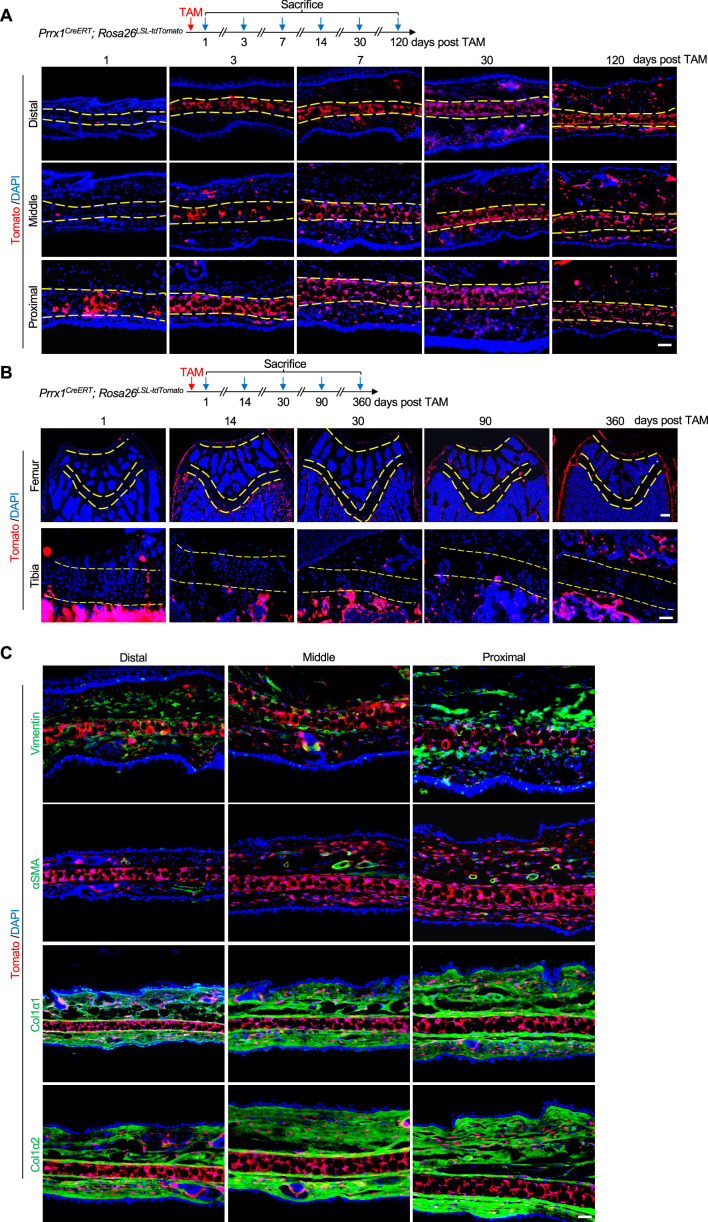
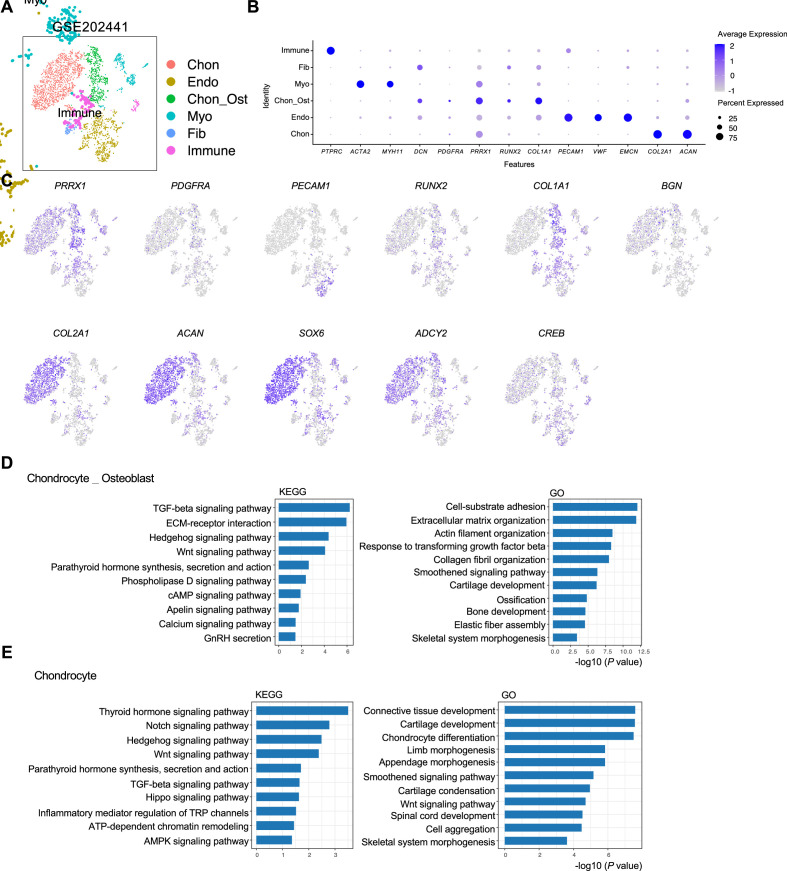
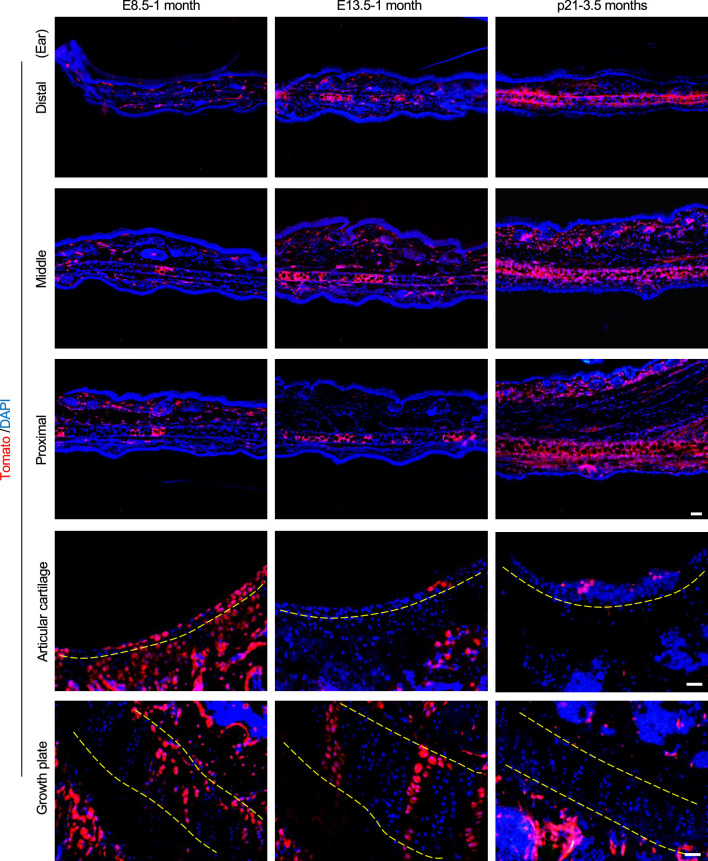
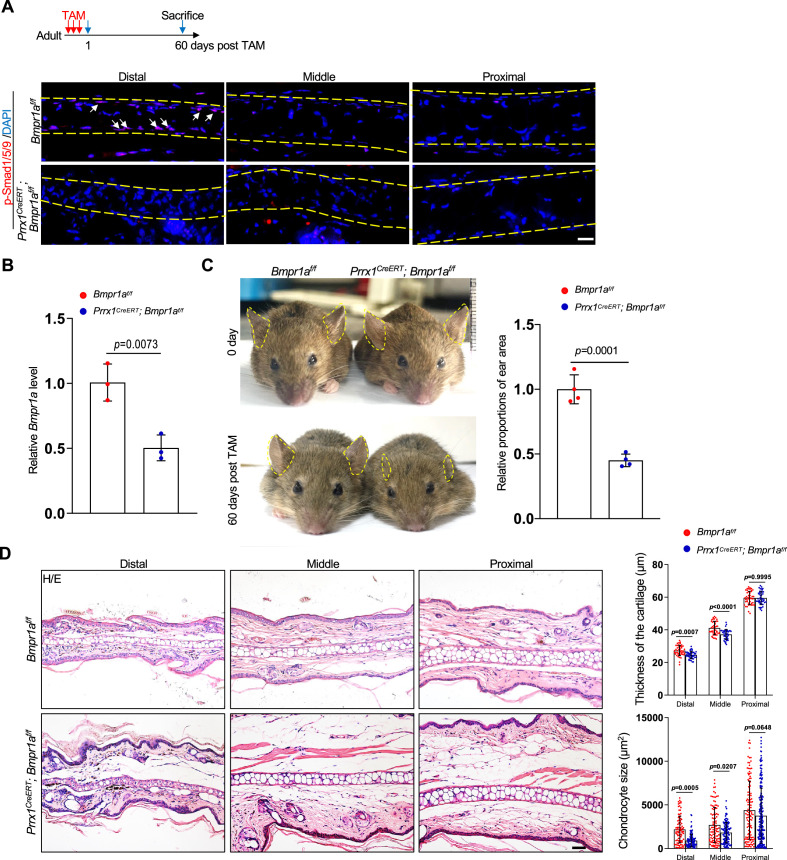
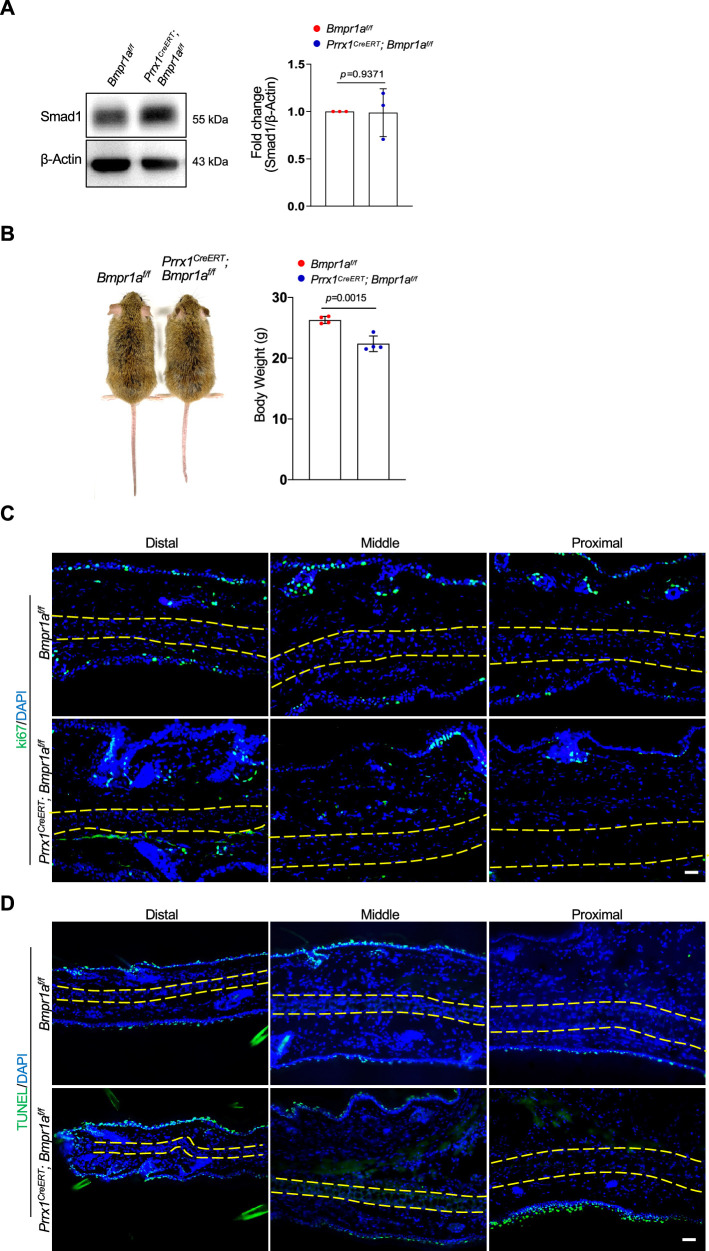
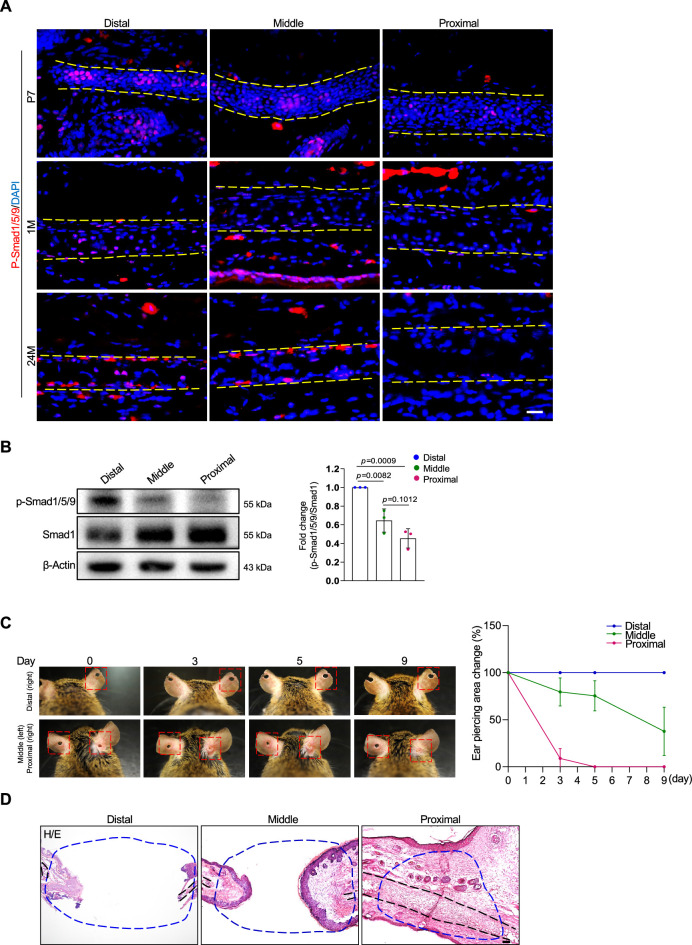
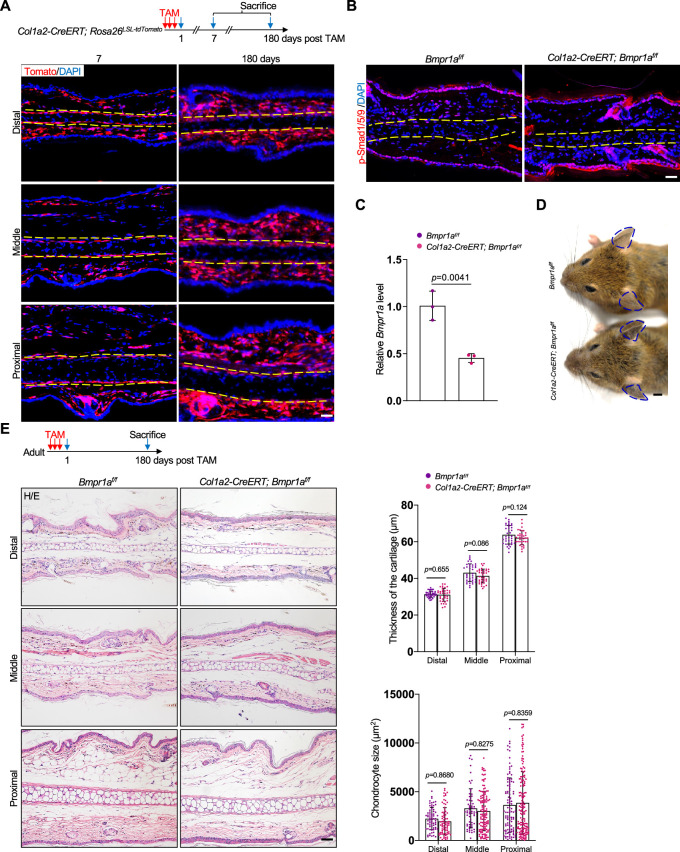
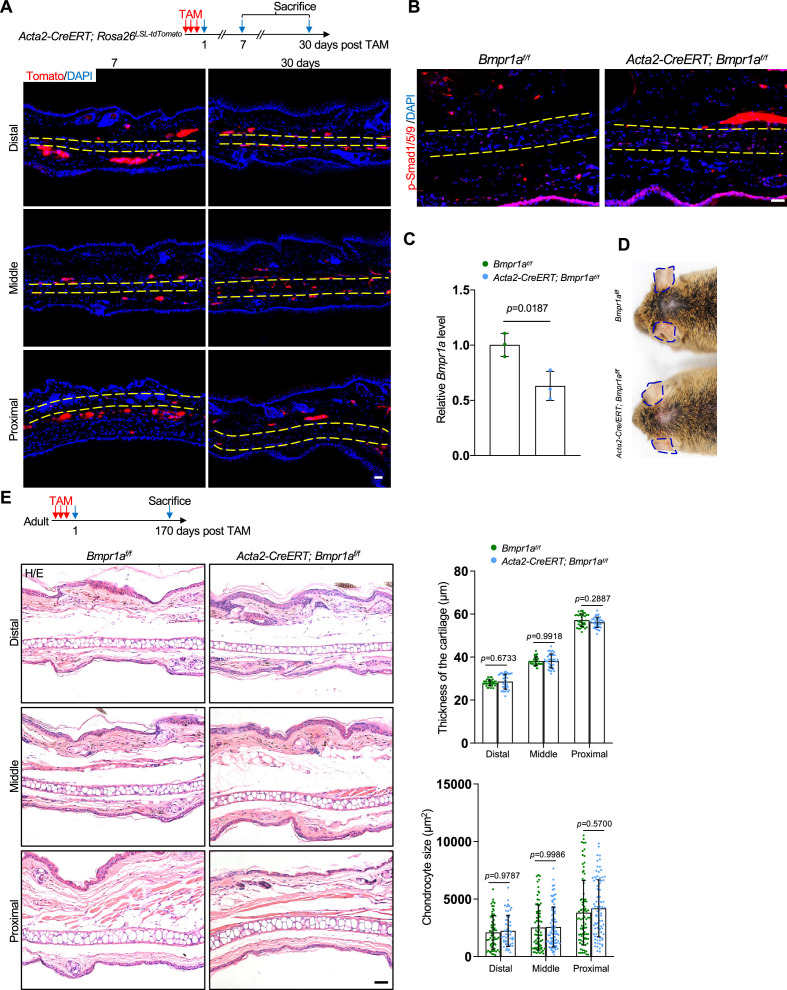
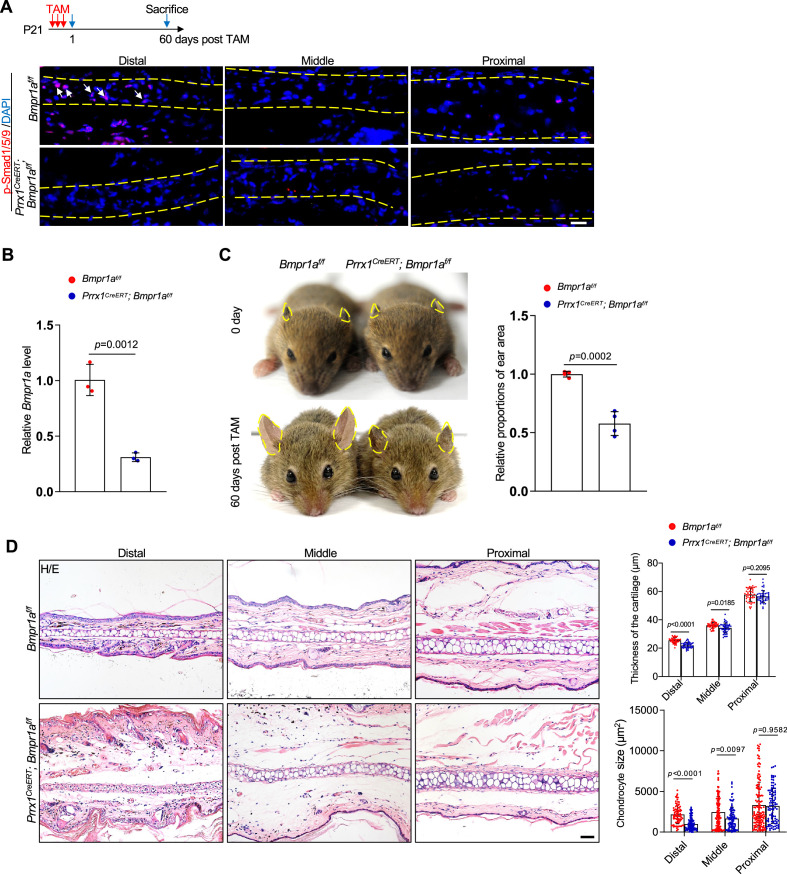
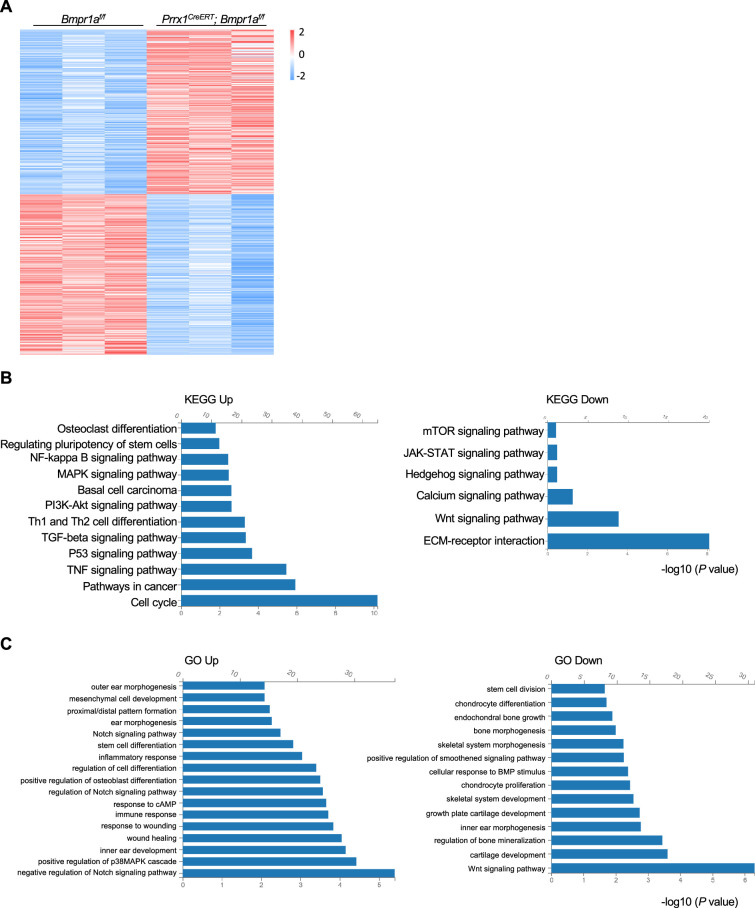
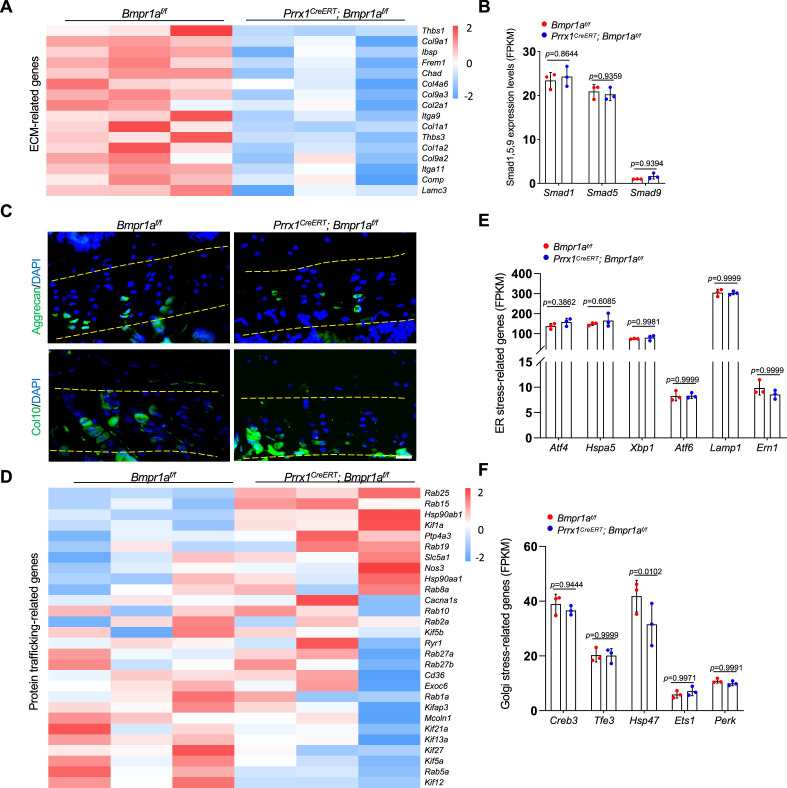
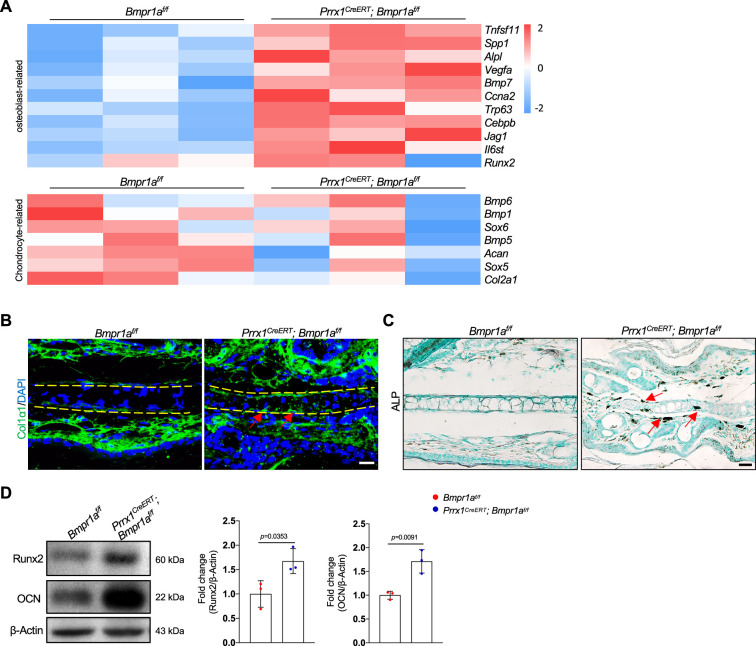
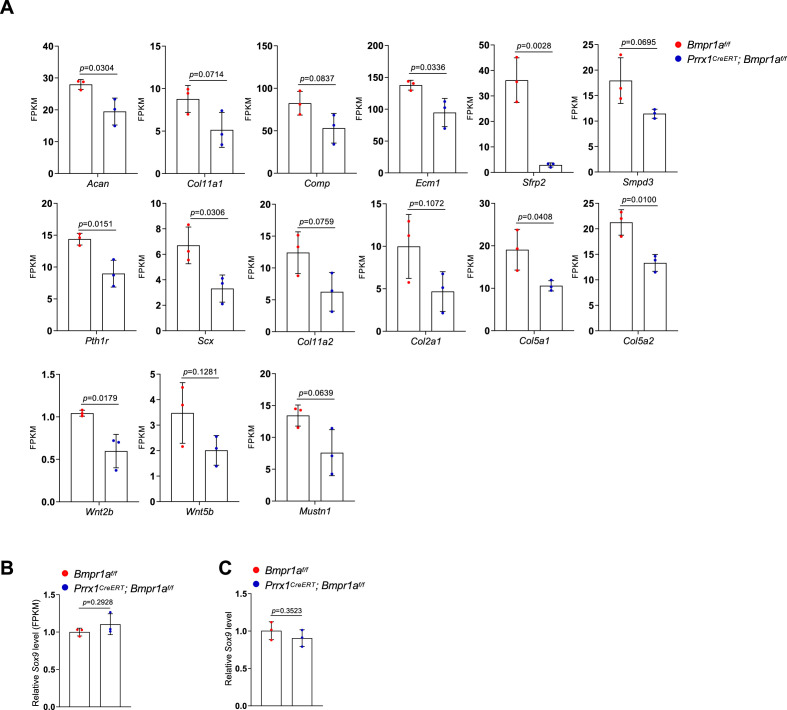
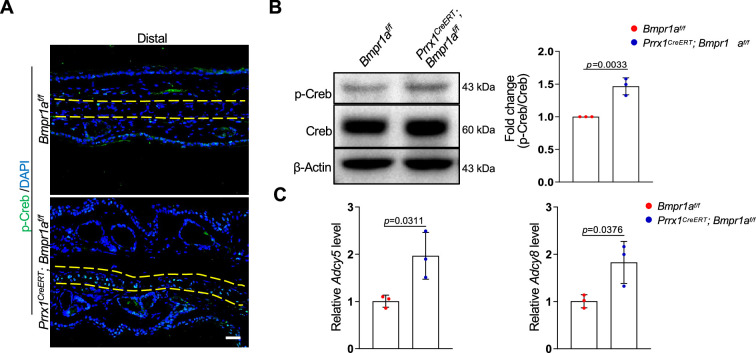
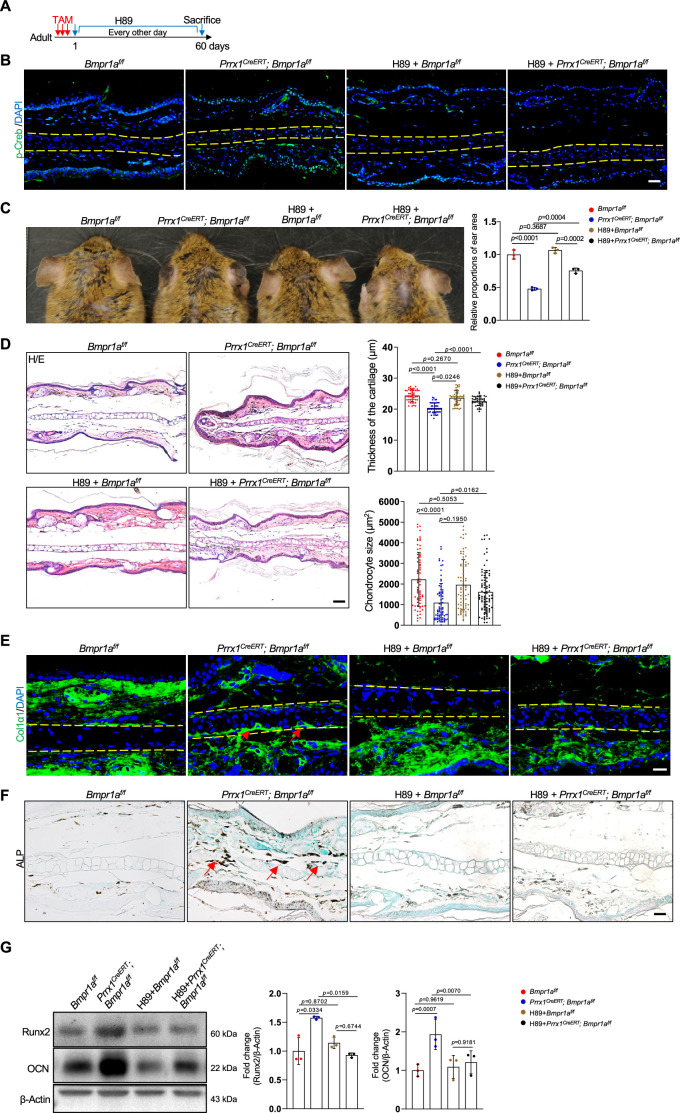
Elastic cartilage constitutes a major component of the external ear, which functions to guide sound to the middle and inner ears. Defects in auricle development cause congenital microtia, which affects hearing and appearance in patients. Mutations in several genes have been implicated in microtia development, yet, the pathogenesis of this disorder remains incompletely understood. Here, we show that genetically marks auricular chondrocytes in adult mice. Interestingly, BMP-Smad1/5/9 signaling in chondrocytes is increasingly activated from the proximal to distal segments of the ear, which is associated with a decrease in chondrocyte regenerative activity. Ablation of in auricular chondrocytes led to chondrocyte atrophy and microtia development at the distal part. Transcriptome analysis revealed that deficiency caused a switch from the chondrogenic program to the osteogenic program, accompanied by enhanced protein kinase A activation, likely through increased expression of . Inhibition of PKA blocked chondrocyte-to-osteoblast transformation and microtia development. Moreover, analysis of single-cell RNA-seq of human microtia samples uncovered enriched gene expression in the PKA pathway and chondrocyte-to-osteoblast transformation process. These findings suggest that auricle cartilage is actively maintained by BMP signaling, which maintains chondrocyte identity by suppressing osteogenic differentiation.
弹性软骨构成外耳的主要成分,其功能是将声音引导到中耳和内耳。耳郭发育缺陷会导致先天性小耳畸形,从而影响患者的听力和外貌。几个基因的突变与小耳畸形的发生有关,但这种疾病的发病机制仍不完全清楚。在这里,我们展示了在成年小鼠中遗传标记耳软骨细胞。有趣的是,软骨细胞中的 BMP-Smad1/5/9 信号从耳的近端到远端逐渐激活,这与软骨细胞再生活性的降低有关。在耳软骨细胞中敲除 导致软骨细胞萎缩和远端小耳畸形的发生。转录组分析显示, 缺失导致从软骨形成程序向成骨程序的转变,伴随着蛋白激酶 A 激活的增强,可能是通过增加 的表达。PKA 的抑制阻断了软骨细胞向成骨细胞的转化和小耳畸形的发生。此外,对人类小耳畸形样本的单细胞 RNA-seq 分析揭示了 PKA 途径和软骨细胞向成骨细胞转化过程中丰富的基因表达。这些发现表明,耳软骨通过抑制成骨分化来维持软骨细胞的特征,从而被 BMP 信号积极维持。