Dillard Jacob A, Taft-Benz Sharon A, Knight Audrey C, Anderson Elizabeth J, Pressey Katia D, Parotti Breantié, Martinez Sabian A, Diaz Jennifer L, Sarkar Sanjay, Madden Emily A, De la Cruz Gabriela, Adams Lily E, Dinnon Kenneth H, Leist Sarah R, Martinez David R, Schäfer Alexandra, Powers John M, Yount Boyd L, Castillo Izabella N, Morales Noah L, Burdick Jane, Evangelista Mia Katrina D, Ralph Lauren M, Pankow Nicholas C, Linnertz Colton L, Lakshmanane Premkumar, Montgomery Stephanie A, Ferris Martin T, Baric Ralph S, Baxter Victoria K, Heise Mark T
Department of Microbiology & Immunology, University of North Carolina at Chapel Hill, Chapel Hill, NC, USA.
Department of Genetics, University of North Carolina at Chapel Hill, Chapel Hill, NC, USA.
Nat Commun. 2024 May 3;15(1):3738. doi: 10.1038/s41467-024-47450-x.
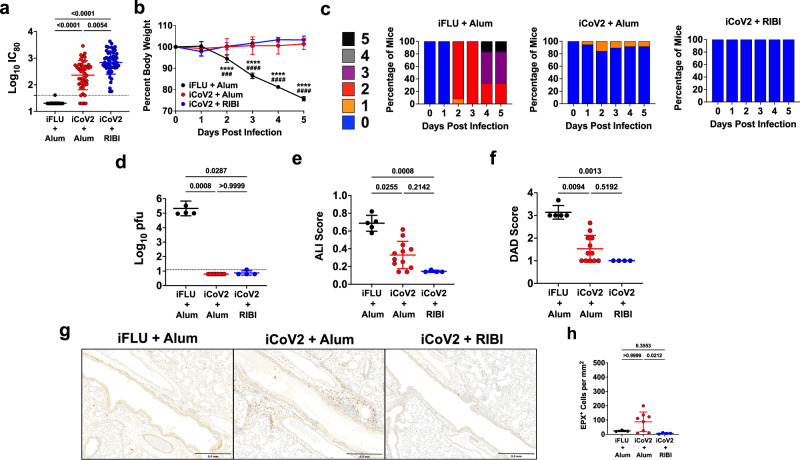
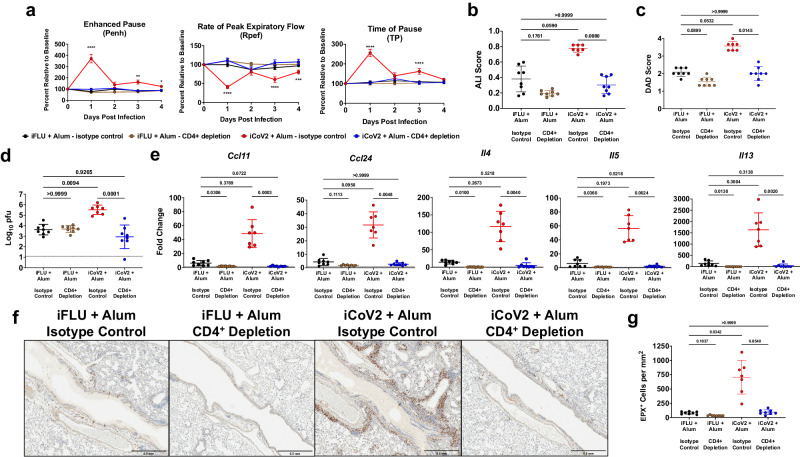
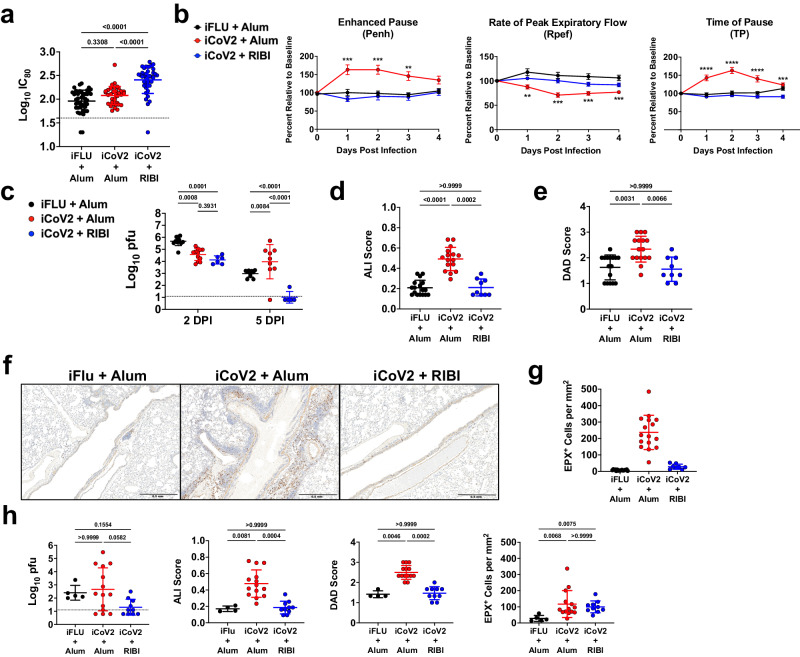
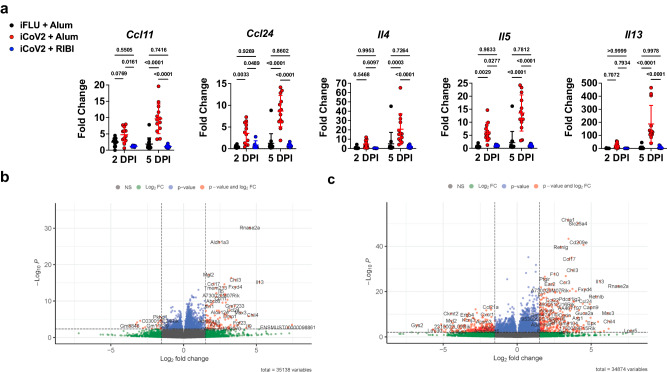
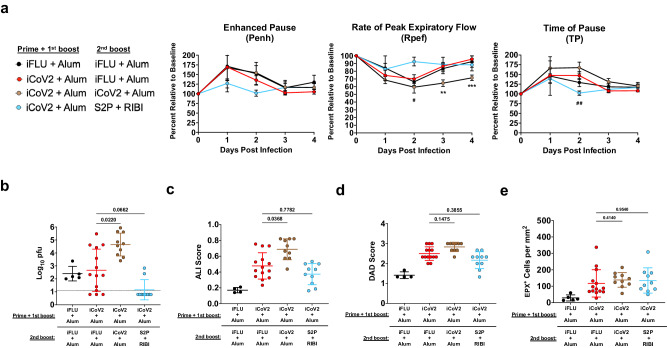
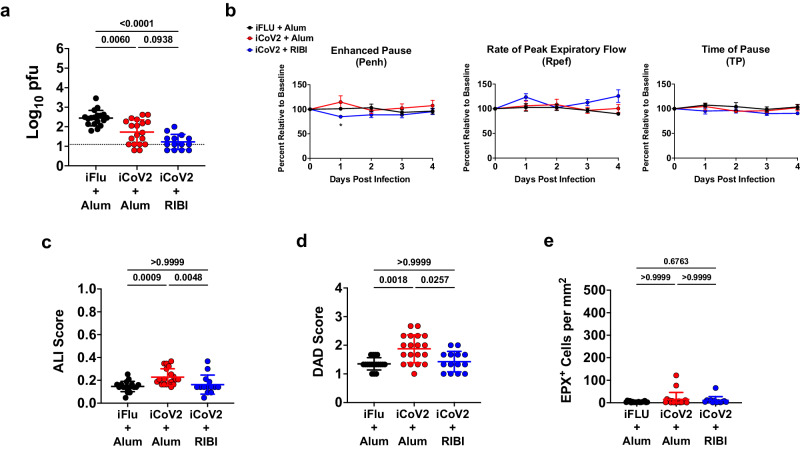
Whole virus-based inactivated SARS-CoV-2 vaccines adjuvanted with aluminum hydroxide have been critical to the COVID-19 pandemic response. Although these vaccines are protective against homologous coronavirus infection, the emergence of novel variants and the presence of large zoonotic reservoirs harboring novel heterologous coronaviruses provide significant opportunities for vaccine breakthrough, which raises the risk of adverse outcomes like vaccine-associated enhanced respiratory disease. Here, we use a female mouse model of coronavirus disease to evaluate inactivated vaccine performance against either homologous challenge with SARS-CoV-2 or heterologous challenge with a bat-derived coronavirus that represents a potential emerging disease threat. We show that inactivated SARS-CoV-2 vaccines adjuvanted with aluminum hydroxide can cause enhanced respiratory disease during heterologous infection, while use of an alternative adjuvant does not drive disease and promotes heterologous viral clearance. In this work, we highlight the impact of adjuvant selection on inactivated vaccine safety and efficacy against heterologous coronavirus infection.
以氢氧化铝为佐剂的全病毒灭活新型冠状病毒2型(SARS-CoV-2)疫苗对应对新冠疫情至关重要。尽管这些疫苗可预防同源冠状病毒感染,但新变种的出现以及携带新型异源冠状病毒的大量人畜共患病宿主的存在,为疫苗突破提供了重大机会,这增加了如疫苗相关增强型呼吸道疾病等不良后果的风险。在此,我们使用冠状病毒病雌性小鼠模型,评估灭活疫苗针对SARS-CoV-2同源攻击或针对代表潜在新兴疾病威胁的蝙蝠源冠状病毒异源攻击的性能。我们发现,以氢氧化铝为佐剂的灭活SARS-CoV-2疫苗在异源感染期间可导致增强型呼吸道疾病,而使用替代佐剂则不会引发疾病并促进异源病毒清除。在这项工作中,我们强调了佐剂选择对灭活疫苗针对异源冠状病毒感染的安全性和有效性的影响。