Wang Tianxiang, Zhang Min, Gong Xinyu, Chen Wanjing, Peng Ying, Liao Chenzhong, Xu Hongmei, Li Qingshan, Shen Guodong, Ren Huirong, Zhu Yaxin, Zhang Baotong, Mao Jiali, Wei Lingling, Chen Yuanli, Yang Xiaoxiao
Key Laboratory of Metabolism and Regulation for Major Diseases of Anhui Higher Education Institutes, Anhui Provincial International Science and Technology Cooperation Base for Major Metabolic Diseases and Nutritional Interventions, College of Food and Biological Engineering, Hefei University of Technology, Hefei 230000, China.
Department of General Surgery, The Second Affiliated Hospital, Anhui Medical University, Hefei 230000, China.
iScience. 2024 Apr 12;27(5):109741. doi: 10.1016/j.isci.2024.109741. eCollection 2024 May 17.
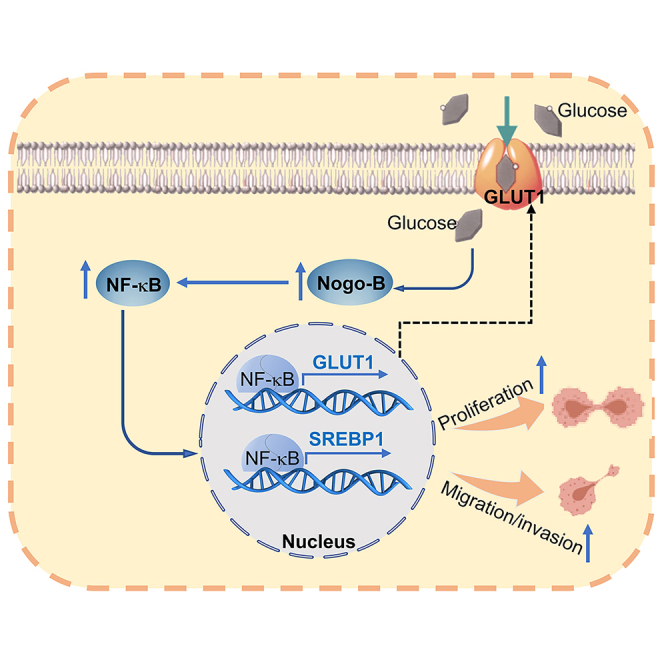
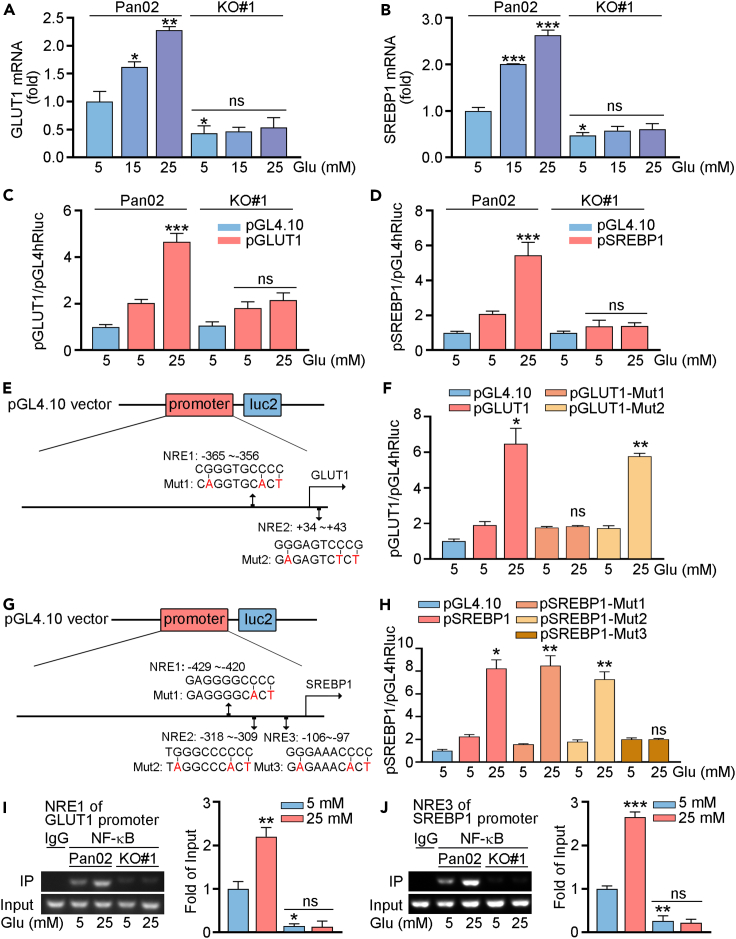
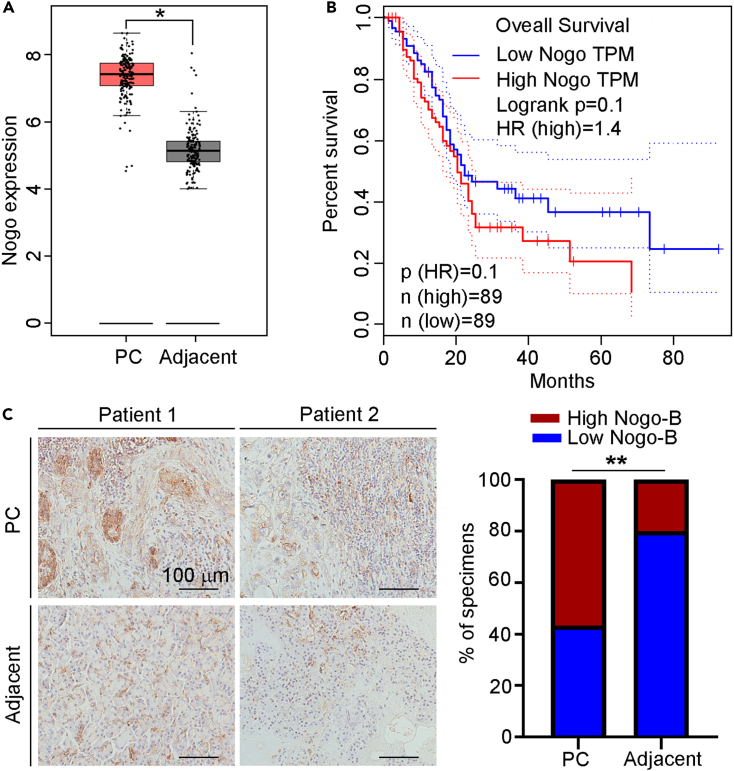
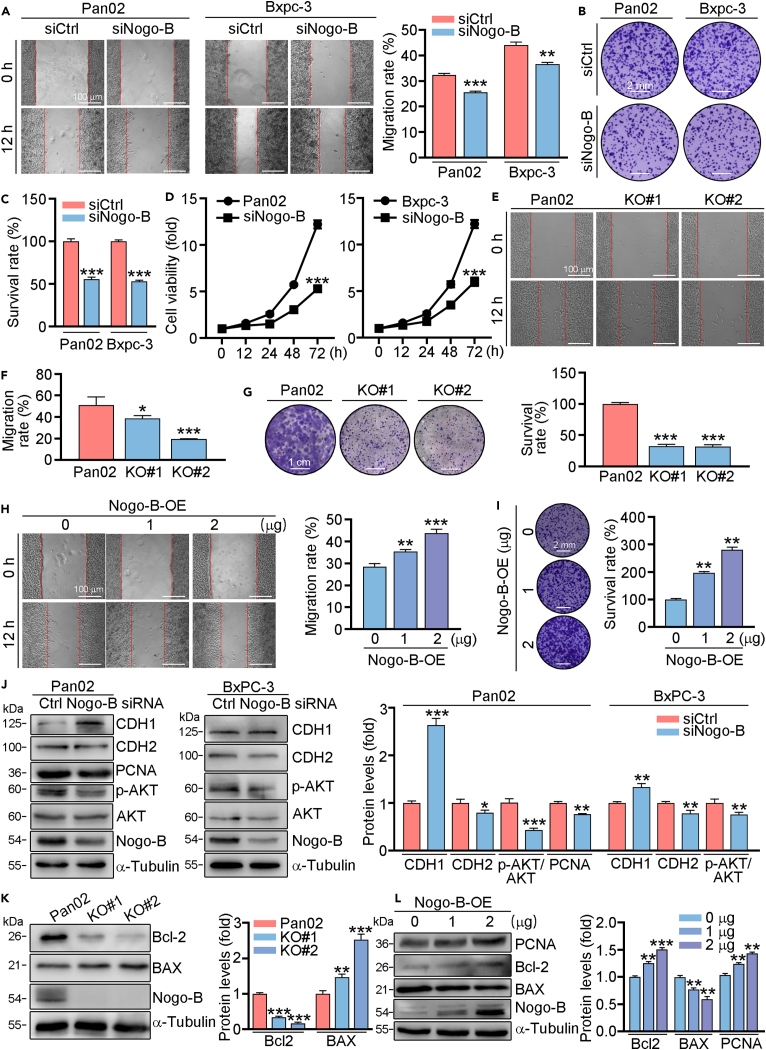
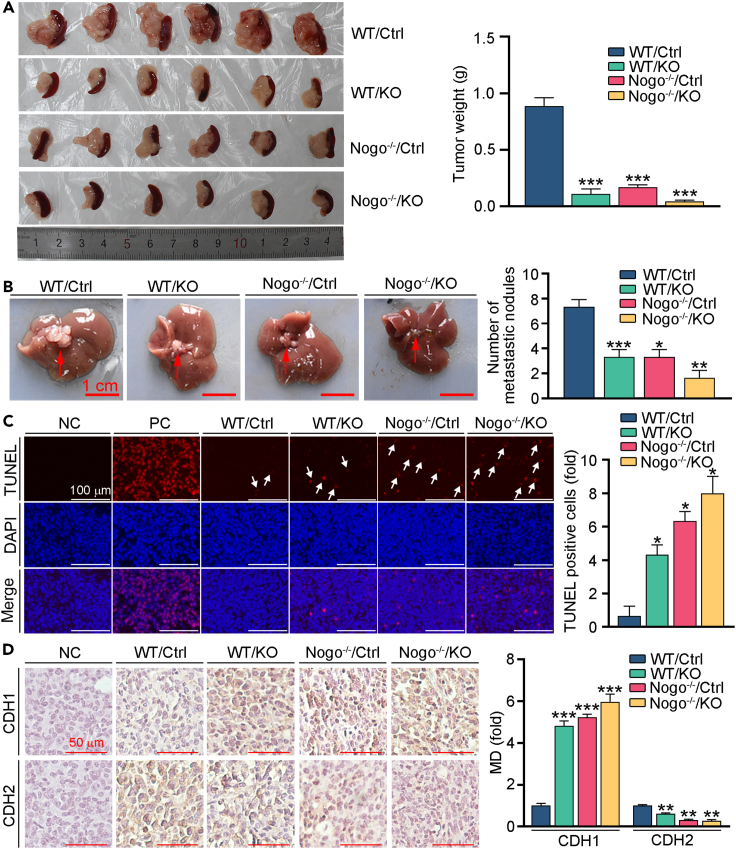
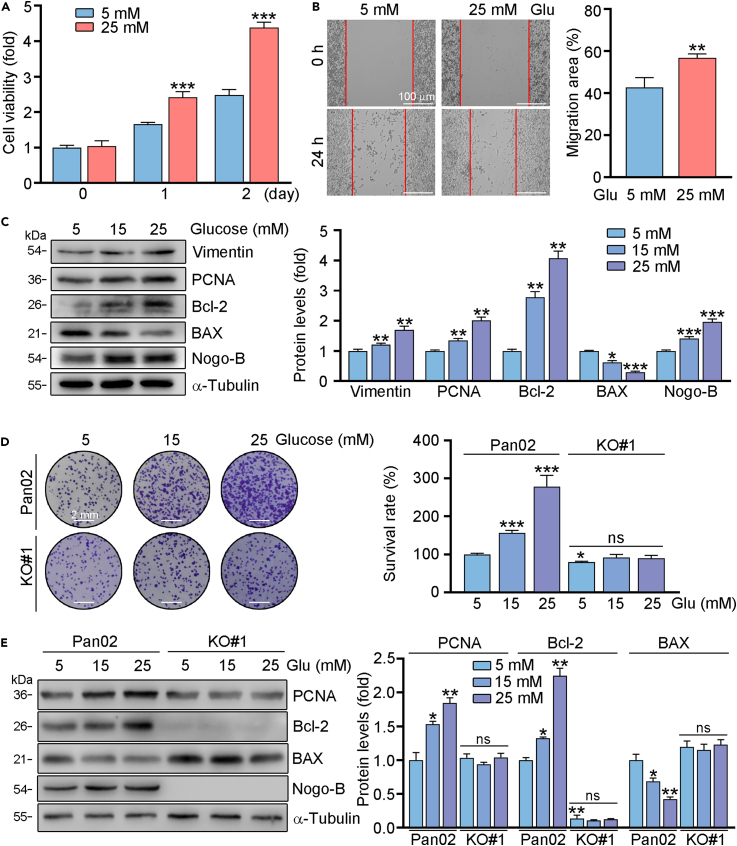
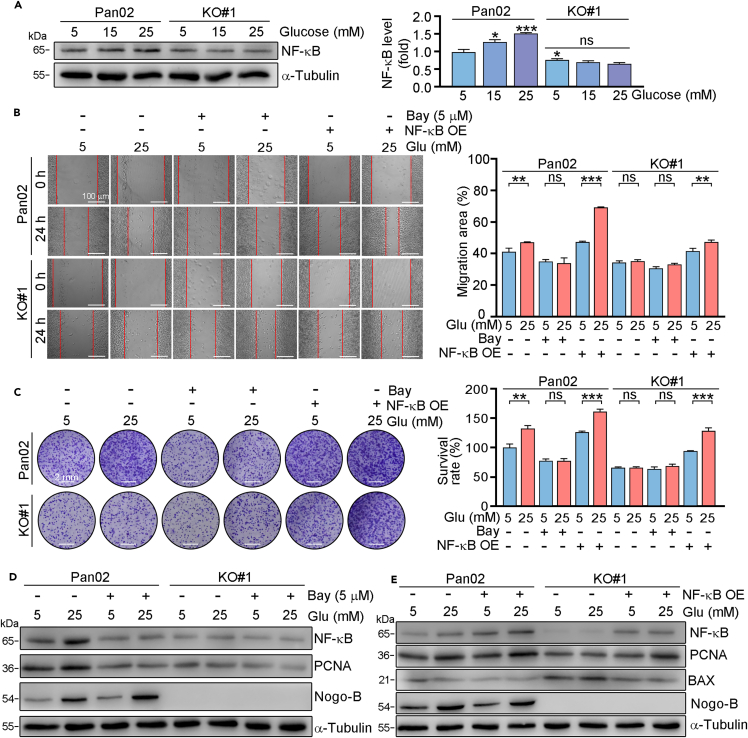
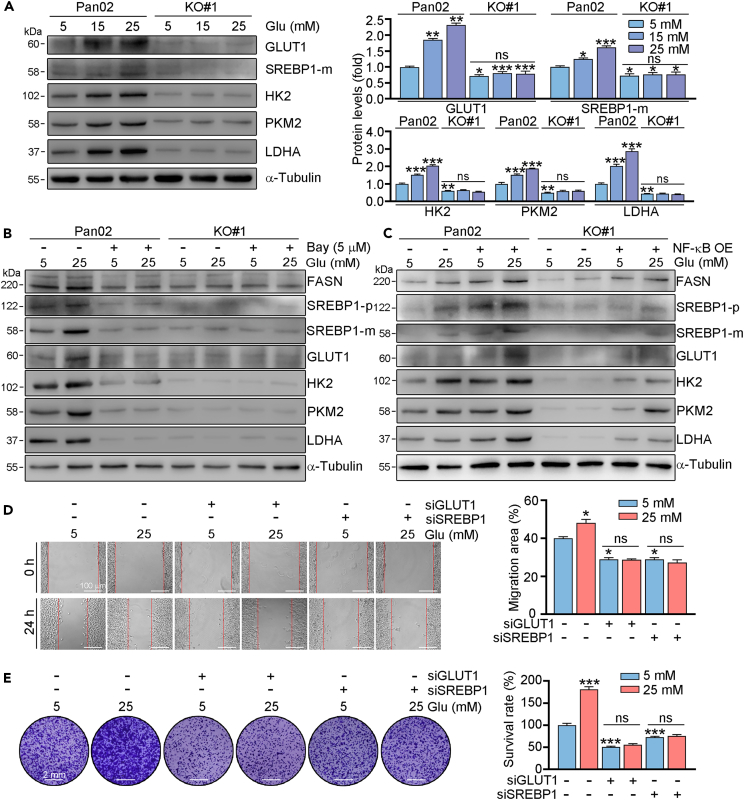
Pancreatic cancer (PC) is a lethal disease and associated with metabolism dysregulation. Nogo-B is related to multiple metabolic related diseases and types of cancers. However, the role of Nogo-B in PC remains unknown. , we showed that cell viability and migration was largely reduced in Nogo-B knockout or knockdown cells, while enhanced by Nogo-B overexpression. Consistently, orthotopic tumor and metastasis was reduced in global Nogo knockout mice. Furthermore, we indicated that glucose enhanced cell proliferation was associated to the elevation expression of Nogo-B and nuclear factor κB (NF-κB). While, NF-κB, glucose transporter type 1 (GLUT1) and sterol regulatory element-binding protein 1 (SREBP1) expression was reduced in Nogo-B deficiency cells. In addition, we showed that GLUT1 and SREBP1 was downstream target of NF-κB. Therefore, we demonstrated that Nogo deficiency inhibited PC progression is regulated by the NF-κB/GLUT1 and SREBP1 pathways, and suggested that Nogo-B may be a target for PC therapy.
胰腺癌(PC)是一种致命疾病,与代谢失调有关。Nogo-B与多种代谢相关疾病和癌症类型有关。然而,Nogo-B在胰腺癌中的作用尚不清楚。我们发现,在Nogo-B基因敲除或敲低的细胞中,细胞活力和迁移能力大幅降低,而Nogo-B过表达则增强了这些能力。同样,在全身性Nogo基因敲除小鼠中,原位肿瘤和转移减少。此外,我们指出葡萄糖增强的细胞增殖与Nogo-B和核因子κB(NF-κB)表达升高有关。而在Nogo-B缺陷细胞中,NF-κB、1型葡萄糖转运蛋白(GLUT1)和固醇调节元件结合蛋白1(SREBP1)的表达降低。此外,我们表明GLUT1和SREBP1是NF-κB的下游靶点。因此,我们证明Nogo缺陷抑制胰腺癌进展是由NF-κB/GLUT1和SREBP1途径调节的,并表明Nogo-B可能是胰腺癌治疗的一个靶点。