Spanò Vanessa, Cantarella Maria, Zimbone Massimo, Giuffrida Federico, Sfuncia Gianfranco, Nicotra Giuseppe, Alberti Alessandra, Scalese Silvia, Vitiello Libera, Carroccio Sabrina Carola, Impellizzeri Giuliana
Consiglio Nazionale delle Ricerche, Istituto per la Microelettronica e Microsistemi, CNR-IMM, Via S. Sofia 64, 95123 Catania, Italy.
Dipartimento di Fisica e Astronomia, Università di Catania, Via Santa Sofia 64, 95123 Catania, Italy.
Polymers (Basel). 2024 Apr 25;16(9):1200. doi: 10.3390/polym16091200.
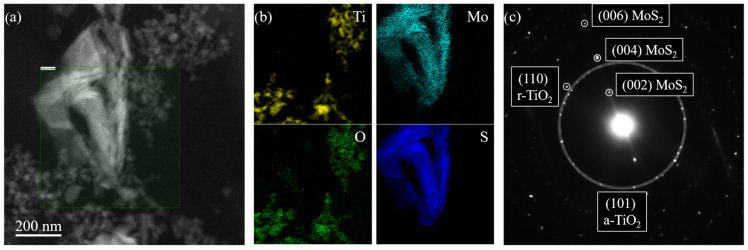
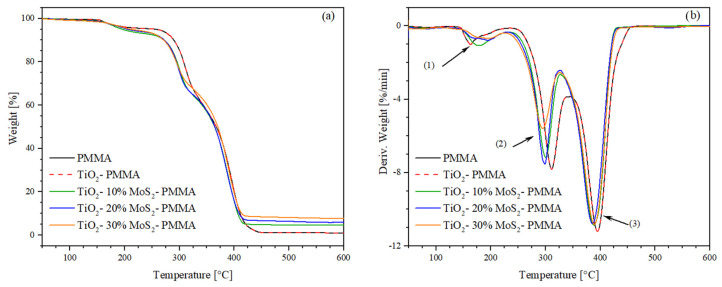
An improvement of water supply and sanitation and better management of water resources, especially in terms of water reuse, is one of the priorities of the European Green Deal. In this context, it is crucial to find new strategies to recycle wastewater efficiently in a low-cost and eco-friendly manner. The immobilization of inorganic nanomaterials on polymeric matrices has been drawing a lot of attention in recent years due to the extraordinary properties characterizing the as-obtained nanocomposites. The hybrid materials, indeed, combine the properties of the polymers, such as flexibility, low cost, mechanical stability, high durability, and ease of availability, with the properties of the inorganic counterpart. In particular, if the inorganic fillers are nanostructured photocatalysts, the materials will be able to utilize the energy delivered by light to catalyze chemical reactions for efficient wastewater treatment. Additionally, with the anchoring of the nanomaterials to the polymers, the dispersion of the nanomaterials in the environment is prevented, thus overcoming one of the main limits that impede the application of nanostructured photocatalysts on a large scale. In this work, we will present nanocomposites made of polymers, i.e., polymethyl methacrylate (PMMA), and photocatalytic semiconductors, i.e., TiO nanoparticles (Evonik). MoS nanoflakes were also added as co-catalysts to improve the photocatalytic performance of the TiO. The hybrid materials were prepared using the sonication and solution casting method. The nanocomposites were deeply characterized, and their remarkable photocatalytic abilities were evaluated by the degradation of two common water pollutants: methyl orange and diclofenac. The relevance of the obtained results will be discussed, opening the route for the application of these materials in photocatalysis and especially for novel wastewater remediation.
改善供水和卫生条件以及更好地管理水资源,特别是在水的再利用方面,是欧洲绿色协议的优先事项之一。在这种背景下,找到以低成本和环保方式有效回收废水的新策略至关重要。近年来,由于所获得的纳米复合材料具有非凡的特性,无机纳米材料在聚合物基质上的固定化受到了广泛关注。实际上,这种混合材料将聚合物的特性(如柔韧性、低成本、机械稳定性、高耐久性和易于获取)与无机对应物的特性结合在一起。特别是,如果无机填料是纳米结构的光催化剂,这些材料将能够利用光提供的能量催化化学反应,以实现高效的废水处理。此外,通过将纳米材料锚定到聚合物上,可以防止纳米材料在环境中的分散,从而克服了阻碍纳米结构光催化剂大规模应用的主要限制之一。在这项工作中,我们将展示由聚合物即聚甲基丙烯酸甲酯(PMMA)和光催化半导体即TiO纳米颗粒(赢创)制成的纳米复合材料。还添加了MoS纳米片作为助催化剂,以提高TiO的光催化性能。采用超声和溶液浇铸法制备了这种混合材料。对纳米复合材料进行了深入表征,并通过降解两种常见的水污染物:甲基橙和双氯芬酸,评估了它们卓越的光催化能力。将讨论所得结果的相关性,为这些材料在光催化领域尤其是新型废水修复中的应用开辟道路。