Dinagde Dagne Deresa, Degefa Bekam Dibaba, Kitil Gemeda Wakgari, Feyisa Gizu Tola, Marami Shambel Negese
Departments of Midwifery, College of Health Sciences, Mattu University, Mettu, Ethiopia.
Heliyon. 2024 May 1;10(9):e30609. doi: 10.1016/j.heliyon.2024.e30609. eCollection 2024 May 15.
The global concern regarding protection against the COVID-19 variants through pre-existing antibodies from vaccination or previous infection is evident. Reports from around the world indicate that a considerable number of healthcare professionals/individuals experience re-infection despite being vaccinated. Moreover, several studies have highlighted cases of symptomatic SARS-CoV-2 re-infection, specifically among individuals who have been vaccinated. Understanding the factors that contribute to these re-infections is crucial for implementing effective public health measures and enhancing vaccination strategies.
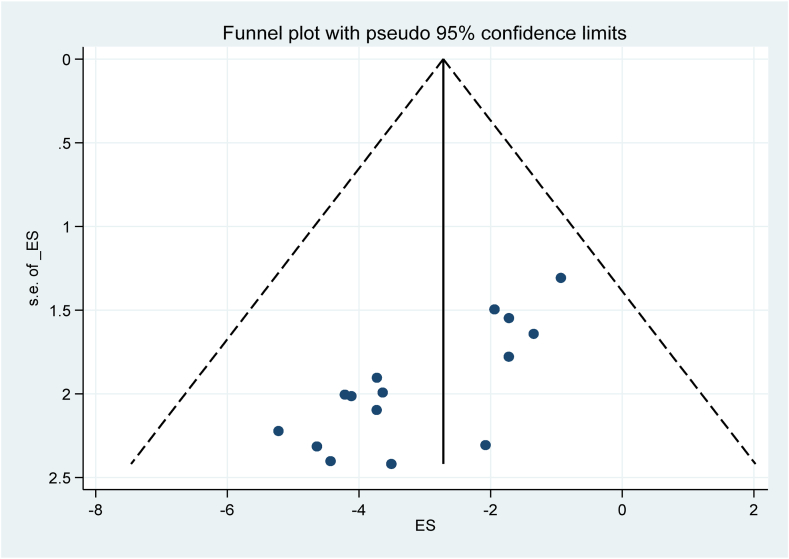
A comprehensive search was conducted between January 1, 2021, and February 14, 2024, using various reputable sources such as PubMed, Google scholar, Medline, EMBASE, CINAHL, and others. The search aimed to retrieve relevant research on topics related to "world nations" and phrases like "COVID-19 vaccination breakthrough infection," "SARS re-infection after COVID-19 vaccination," "COVID-19 vaccine complication," "post COVID-19 vaccination symptoms," and specific nation names. The data obtained from the databases underwent extraction and quality assessment using the Newcastle-Ottawa Scale (NOS) and the Preferred Reporting Items for Systematic Review and Meta-Analyses. Data analysis was performed using STATAMP software, and measures such as the I test statistic and Egger's test were used to assess heterogeneity and publication bias. The findings were presented using forest plots, displaying the odds ratio (OR) and 95 % confidence interval (CI).
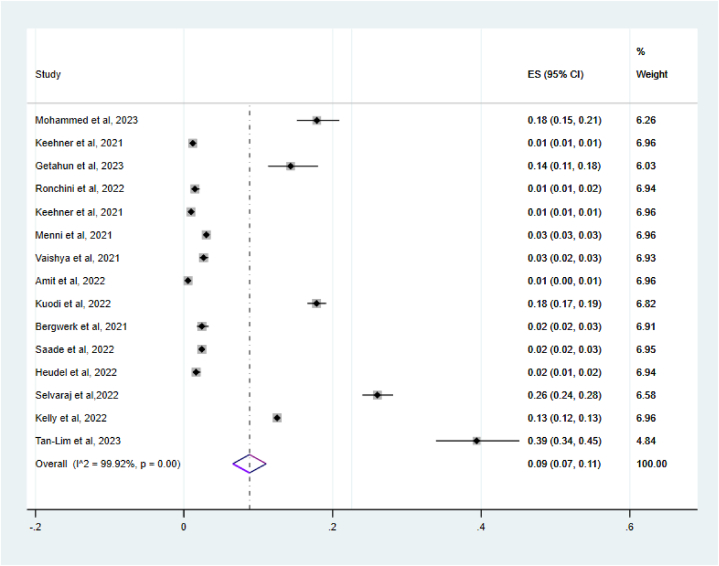
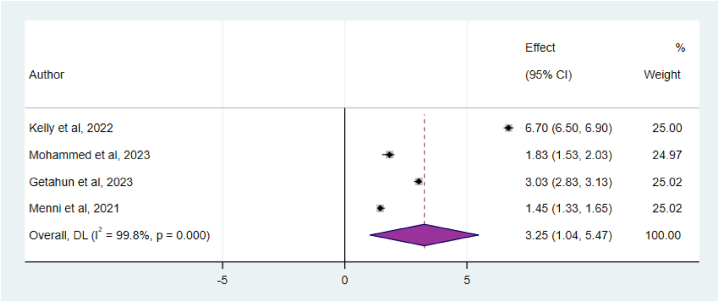
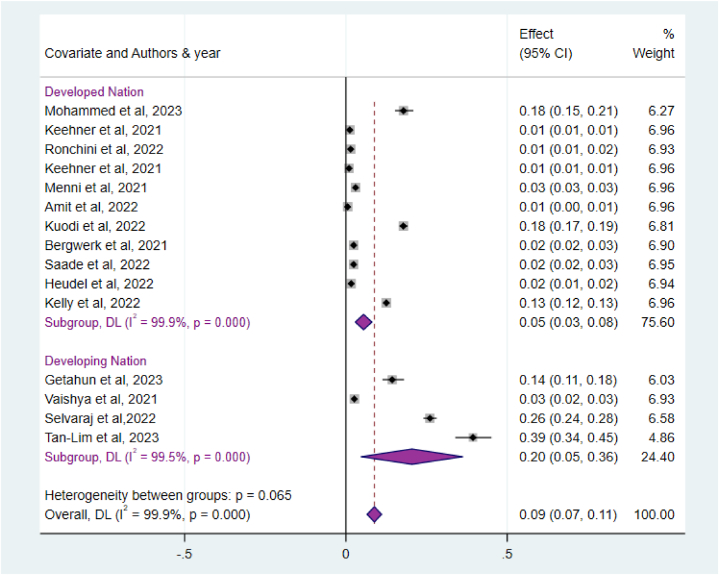
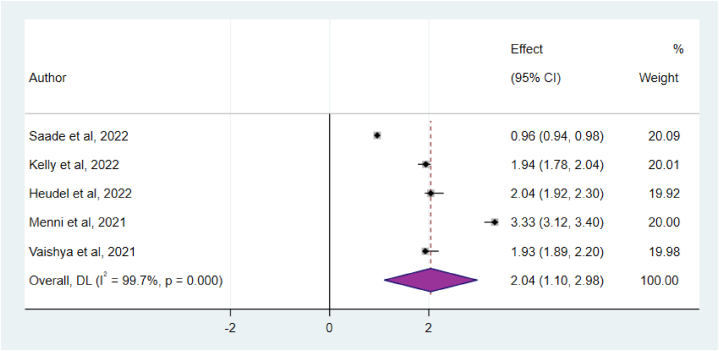
This review and meta-analysis comprised a total of 15 articles, or a total sample size of 342,598. The pooled prevalence of SARS-CoV-2 after vaccination of COVID-19 was 9 % (95CI 7%-11 %) of population globally. This implied that reduced the overall attack rate of COVID-19 by 91 % after vaccination. The highest pooled estimated of SARS-CoV-2 infection after COVID -19 Vaccinations was seen among developing nations, 20 % (95 % CI: 5%-36 %).The pooled odds ratio showed that a significant association was found between SARS-CoV-2 infection after COVID-19 vaccination and older age (OR = 2.04; 95%CI: 1.10-2.98) and comorbidity (OR = 3.25; 95%CI: 1.04-5.47).
It is important for policymakers to prioritize continuous monitoring and surveillance of SARS-CoV-2 infection rates among vaccinated individuals globally, as there is a significant estimate of the combined prevalence of post-COVID-19 vaccine SARS-CoV-2 infections.
全球对通过疫苗接种或既往感染产生的预先存在的抗体来预防新冠病毒变异株的关注显而易见。来自世界各地的报告表明,相当数量的医护人员/个体尽管接种了疫苗仍会再次感染。此外,多项研究突出了有症状的新冠病毒再次感染病例,特别是在已接种疫苗的个体中。了解导致这些再次感染的因素对于实施有效的公共卫生措施和加强疫苗接种策略至关重要。
在2021年1月1日至2024年2月14日期间进行了全面检索,使用了各种知名来源,如PubMed、谷歌学术、Medline、EMBASE、CINAHL等。检索旨在获取与“世界各国”以及“新冠疫苗突破性感染”“新冠疫苗接种后非典再次感染”“新冠疫苗并发症”“新冠疫苗接种后症状”等短语以及特定国家名称相关主题的相关研究。从数据库中获取的数据使用纽卡斯尔 - 渥太华量表(NOS)和系统评价与Meta分析的首选报告项目进行提取和质量评估。使用STATAMP软件进行数据分析,并使用I检验统计量和埃格检验等方法评估异质性和发表偏倚。研究结果使用森林图呈现,展示比值比(OR)和95%置信区间(CI)。
本综述和Meta分析共纳入15篇文章,总样本量为342,598。全球范围内,新冠疫苗接种后新冠病毒的合并患病率为9%(95%CI 7% - 11%)。这意味着接种疫苗后新冠病毒的总体感染率降低了91%。新冠疫苗接种后新冠病毒感染合并估计值最高的是在发展中国家,为20%(95%CI:5% - 36%)。合并比值比显示,新冠疫苗接种后新冠病毒感染与老年(OR = 2.04;95%CI:1.10 - 2.98)和合并症(OR = 3.25;95%CI:1.04 - 5.47)之间存在显著关联。
对于政策制定者来说,优先持续监测和监督全球接种疫苗个体中的新冠病毒感染率非常重要