Ong Natasha Yixuan, Teo Finn Jing Jie, Ee Jane Zi Ying, Yau Chun En, Thumboo Julian, Tan Hiang Khoon, Ng Qin Xiang
NUS Yong Loo Lin School of Medicine, National University of Singapore, Singapore.
Health Services Research Unit, Singapore General Hospital, Singapore.
Gen Psychiatr. 2024 May 7;37(3):e101115. doi: 10.1136/gpsych-2023-101115. eCollection 2024.
Growing evidence attests to the efficacy of mindfulness-based interventions (MBIs), but their effectiveness for healthcare workers remains uncertain.
To evaluate the evidence for MBIs in improving healthcare workers' psychological well-being.
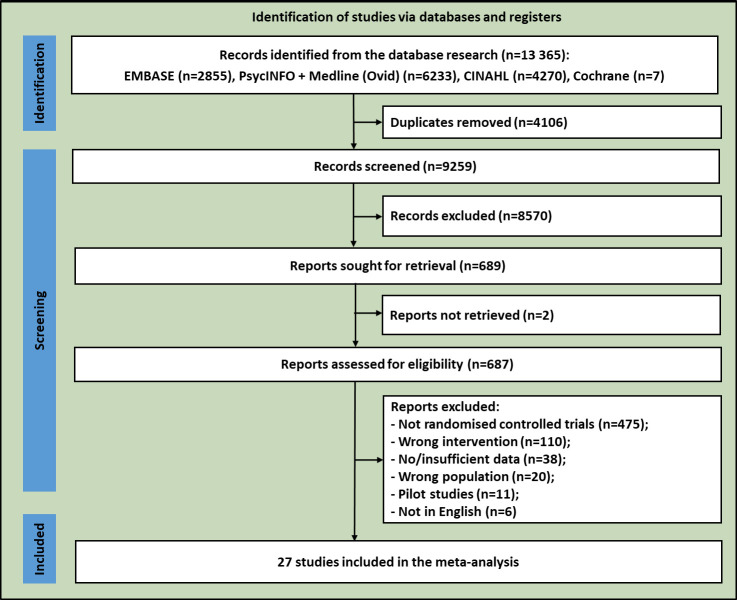
A systematic literature search was conducted on Medline, Embase, Cumulative Index for Nursing and Allied Health Literature, PsycINFO and Cochrane Central Register of Controlled Trials up to 31 August 2022 using the keywords 'healthcare worker', 'doctor', 'nurse', 'allied health', 'mindfulness', 'wellness', 'workshop' and 'program'. Randomised controlled trials with a defined MBI focusing on healthcare workers and quantitative outcome measures related to subjective or psychological well-being were eligible for inclusion. R V.4.0.3 was used for data analysis, with the standardised mean difference as the primary outcome, employing DerSimonian and Laird's random effects model. Grading of Recommendations, Assessment, Development and Evaluation framework was used to evaluate the quality of evidence. Cochrane's Risk of Bias 2 tool was used to assess the risk of bias in the included studies.
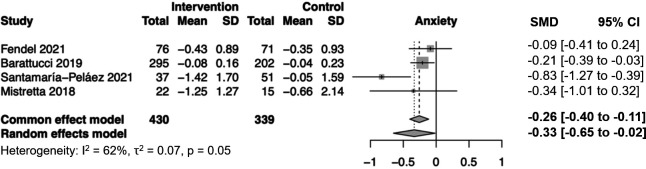
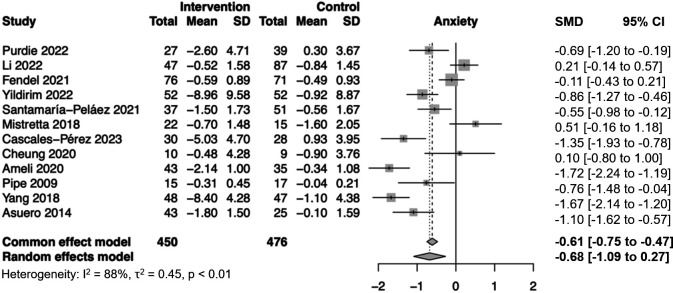
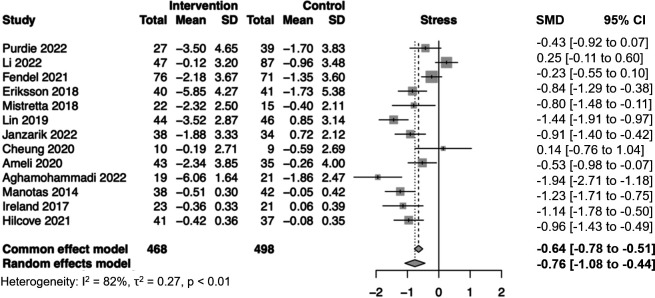
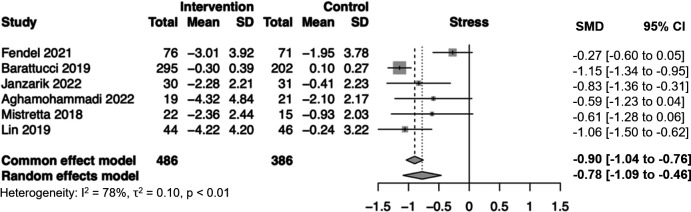
A total of 27 studies with 2506 participants were included, mostly from the USA, involving various healthcare professions. MBIs such as stress reduction programmes, apps, meditation and training showed small to large effects on anxiety, burnout, stress, depression, psychological distress and job strain outcomes of the participants. Positive effects were also seen in self-compassion, empathy, mindfulness and well-being. However, long-term outcomes (1 month or longer postintervention) varied, and the effects were not consistently sustained.
MBIs offer short-term benefits in reducing stress-related symptoms in healthcare workers. The review also highlights limitations such as intervention heterogeneity, reduced power in specific subgroup analyses and variable study quality.
CRD42022353340.
越来越多的证据证明基于正念的干预措施(MBIs)的有效性,但其对医护人员的效果仍不确定。
评估MBIs对改善医护人员心理健康的证据。
截至2022年8月31日,在Medline、Embase、护理及相关健康文献累积索引、PsycINFO和Cochrane对照试验中央注册库中进行系统文献检索,使用关键词“医护人员”“医生”“护士”“相关健康专业人员”“正念”“健康”“工作坊”和“项目”。纳入以医护人员为重点的明确MBI的随机对照试验,以及与主观或心理健康相关的定量结果测量。使用R V.4.0.3进行数据分析,以标准化均值差作为主要结果,采用DerSimonian和Laird的随机效应模型。使用推荐分级、评估、制定和评价框架来评估证据质量。使用Cochrane偏倚风险2工具评估纳入研究中的偏倚风险。
共纳入27项研究,2506名参与者,大多来自美国,涉及各种医护职业。诸如减压项目、应用程序、冥想和培训等MBIs对参与者的焦虑、倦怠、压力、抑郁、心理困扰和工作压力结果显示出小到中等的效果。在自我同情、同理心、正念和幸福感方面也观察到积极效果。然而,长期结果(干预后1个月或更长时间)各不相同,且效果并非始终持续。
MBIs在减轻医护人员与压力相关的症状方面有短期益处。该综述还强调了一些局限性,如干预的异质性、特定亚组分析中效能降低以及研究质量参差不齐。
PROSPERO注册号:CRD42022353340。