Mondal Amit, Dey Riju, Jelen Andreja, Koželj Primož, Kuila Sandip Kumar, Pan Rahul, Vrtnik Stanislav, Luzar Jože, Wencka Magdalena, Petrović Julia, Mihor Peter, Jagličić Zvonko, Meden Anton, Jana Partha Pratim, Dolinšek Janez
Department of Chemistry, Indian Institute of Technology, Kharagpur 721302, India.
J. Stefan Institute, Jamova 39, SI-1000 Ljubljana, Slovenia.
Inorg Chem. 2024 Jun 3;63(22):10251-10263. doi: 10.1021/acs.inorgchem.4c00686. Epub 2024 May 20.
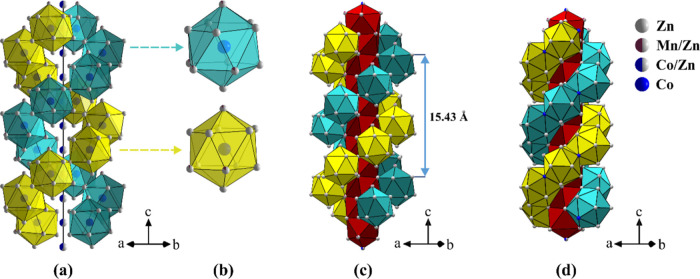
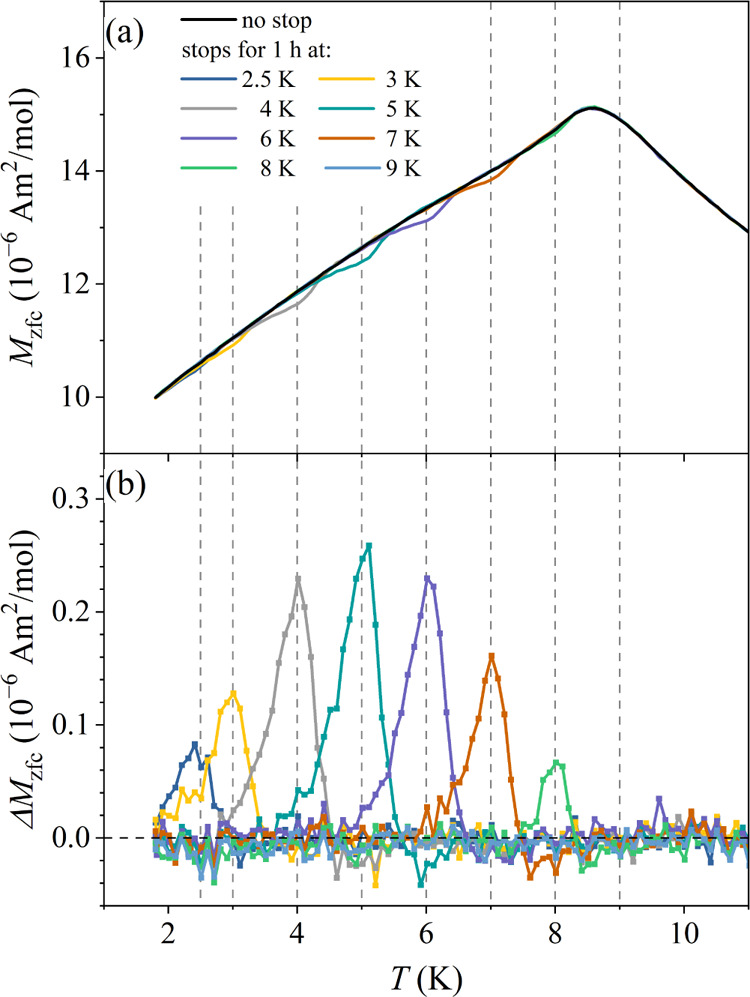
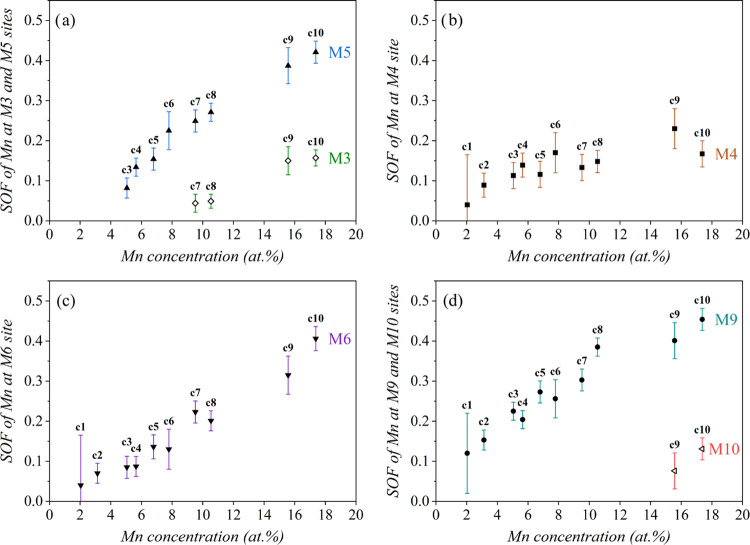
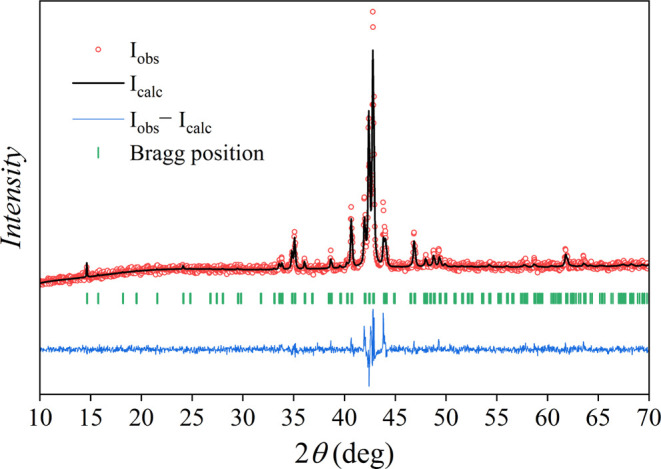
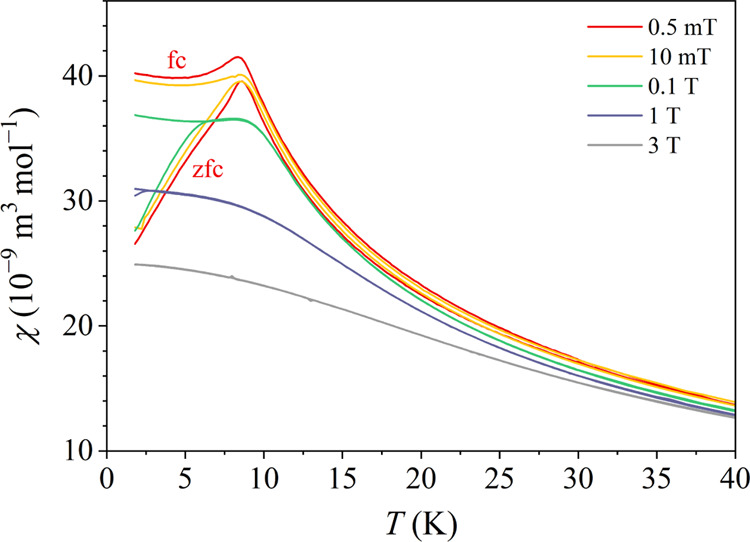
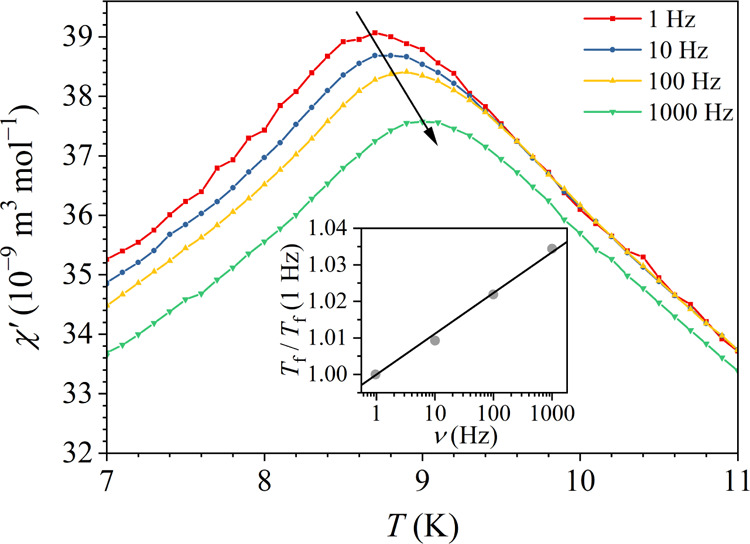
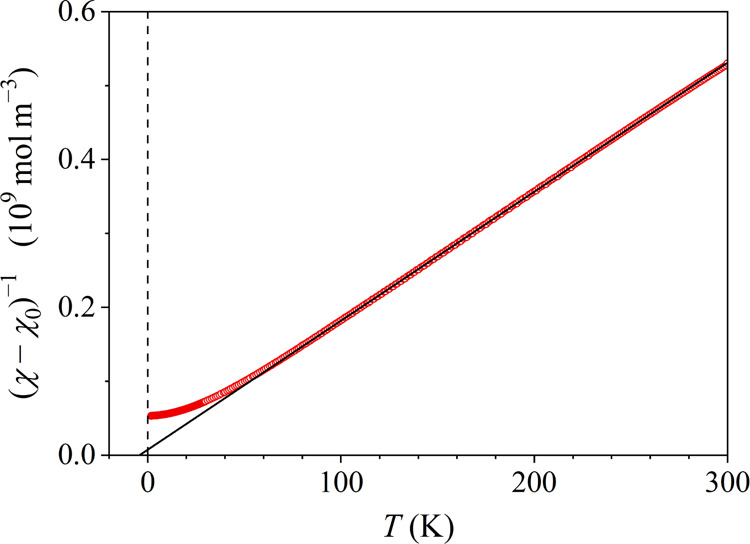
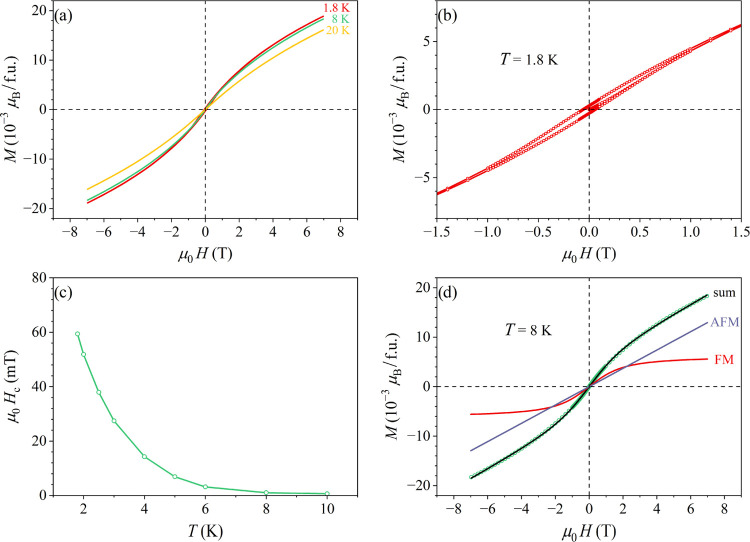
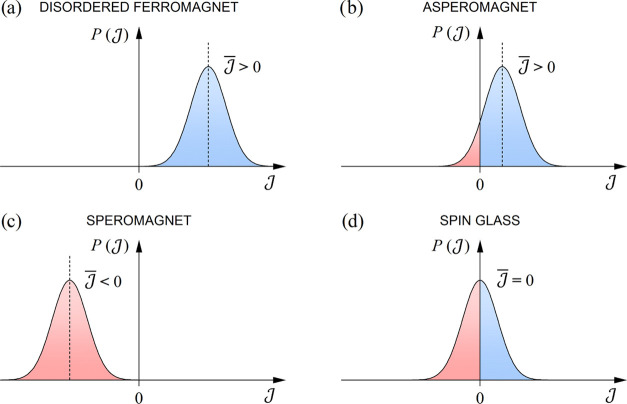
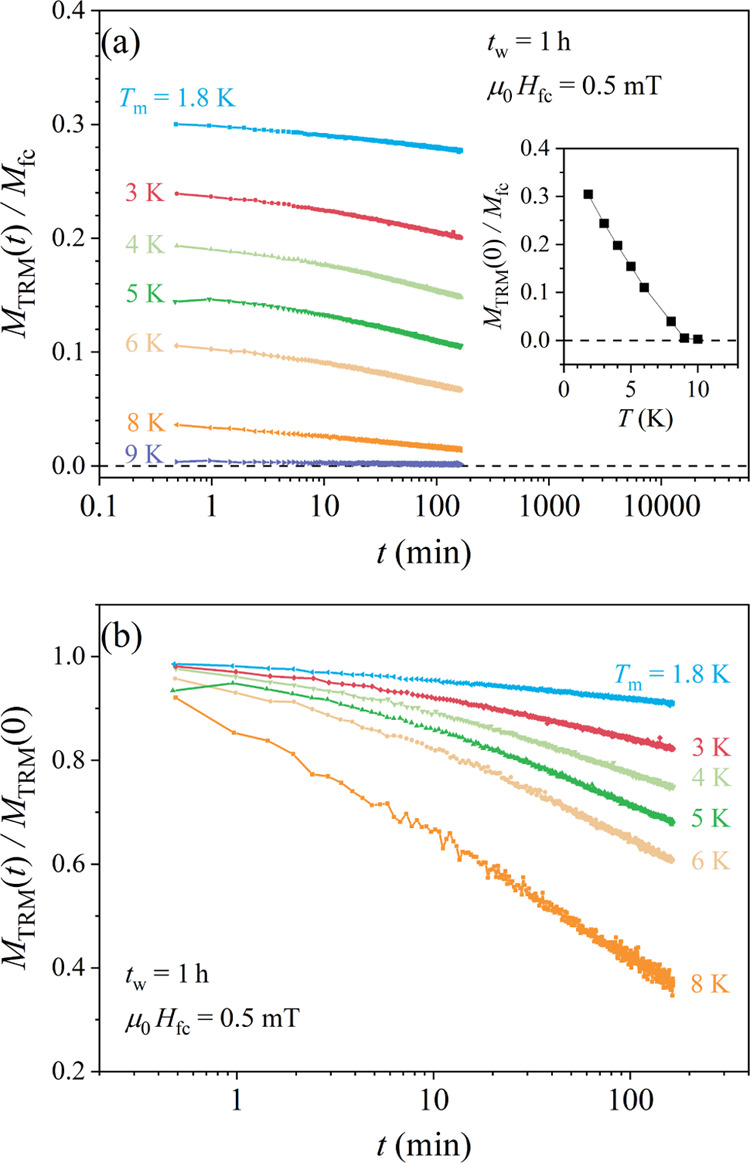
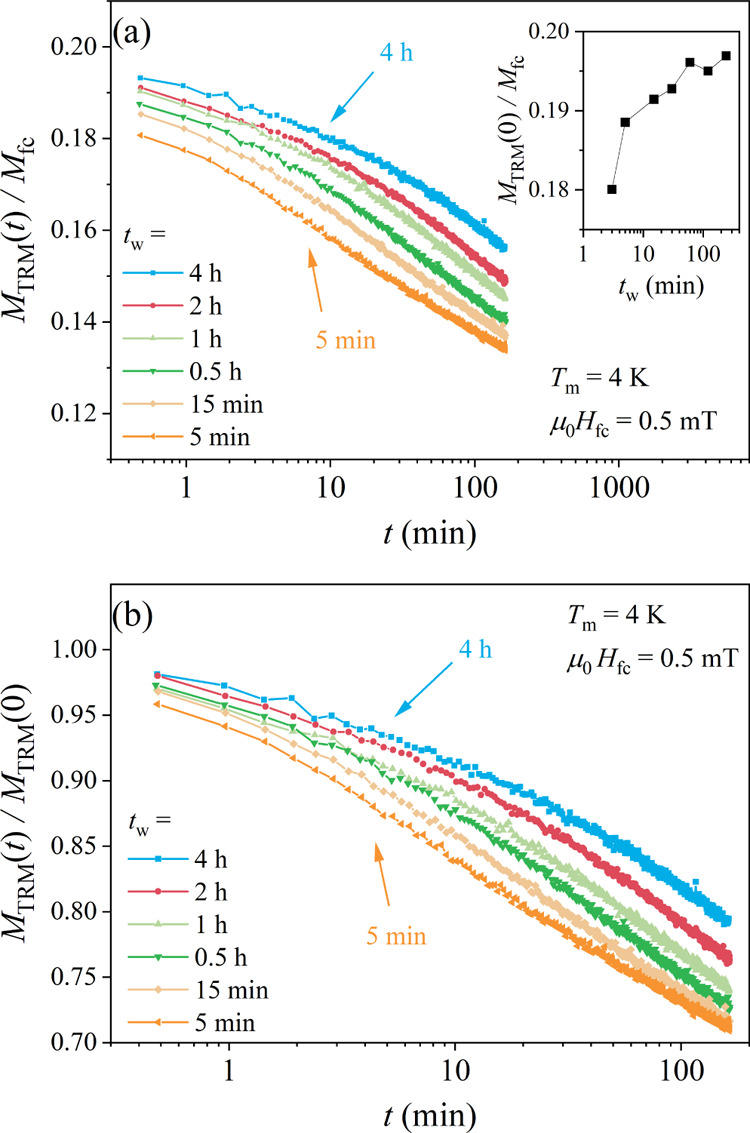
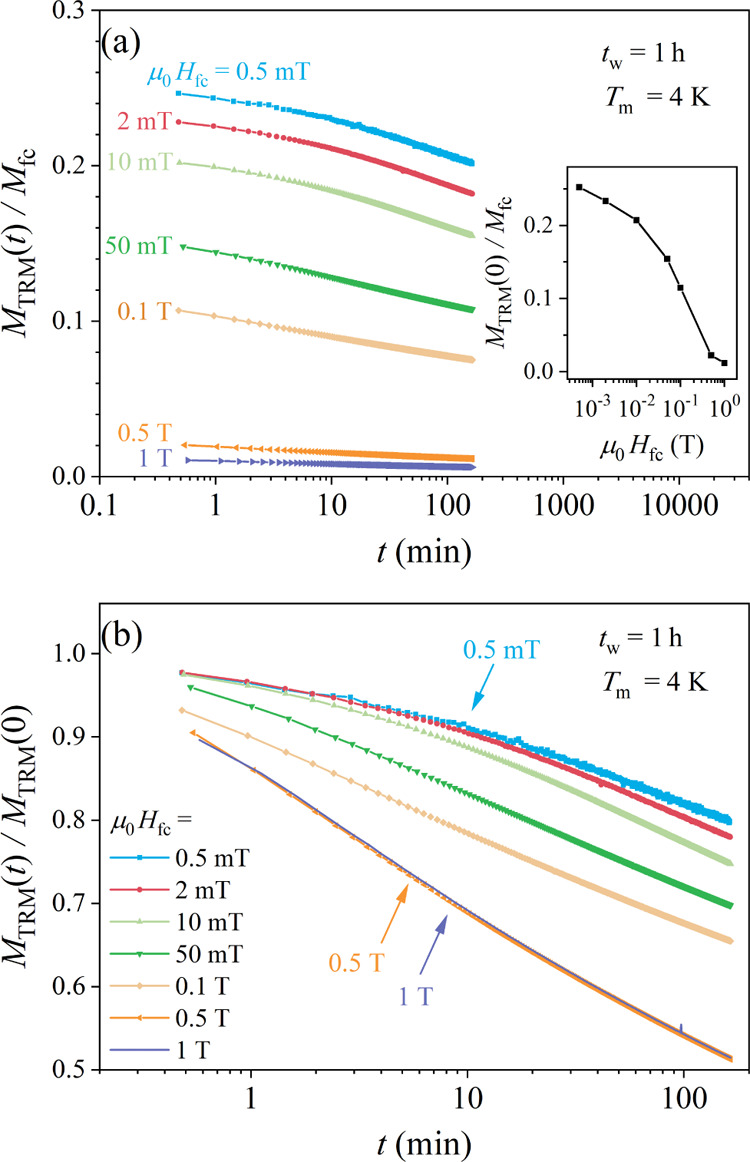
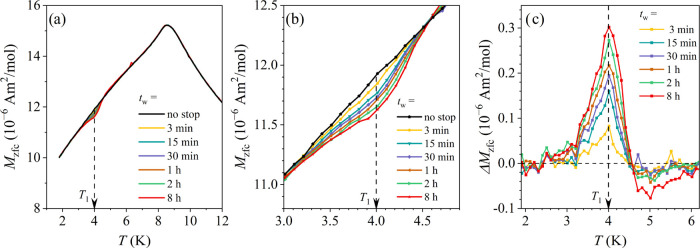
We have synthesized δ-CoZnMn ( = 0.4-3.5) pseudo-binary alloys of 10 different compositions by a high-temperature solid-state synthetic route, determined their crystal structures and the Mn substitution pattern, and estimated the existence range of the δ-phase. The alloys crystallize in two chiral enantiomorphic space groups 6 and 6, where the basic atomic polyhedron of the chiral structure is an icosahedron and the neighboring icosahedra share vertices to form an infinitely long double helix along the hexagonal axis (like in the δ-CoZn parent binary phase). The alloys are pure δ-phase up to the Mn content ≈ 3.5. The Mn atoms partially substitute Zn atoms at particular crystallographic sites located on the icosahedra. The study of magnetism was performed on the CoZnMn alloy with the lowest Mn content. Contrary to the expectation that structural chirality may induce the formation of a nontrivial magnetic state, a spin glass state with no relation to the structural chirality was found. The magnetic sublattice contains all of the necessary ingredients (randomness and frustration) for the formation of a spin glass state. Typical out-of-equilibrium dynamic phenomena of a spin system with broken ergodicity were detected below the spin freezing temperature ≈ 8 K.
我们通过高温固态合成路线合成了10种不同成分的δ-CoZnMn(= 0.4 - 3.5)伪二元合金,确定了它们的晶体结构和Mn取代模式,并估计了δ相的存在范围。这些合金结晶于两个手性对映体空间群6和6中,其中手性结构的基本原子多面体是二十面体,相邻的二十面体共享顶点,沿六方轴形成无限长的双螺旋(类似于δ-CoZn母二元相)。直到Mn含量≈3.5时,合金均为纯δ相。Mn原子在位于二十面体上的特定晶体学位置部分取代Zn原子。对Mn含量最低的CoZnMn合金进行了磁性研究。与结构手性可能诱导形成非平凡磁态的预期相反,发现了一种与结构手性无关的自旋玻璃态。磁亚晶格包含形成自旋玻璃态所需的所有要素(随机性和失配)。在自旋冻结温度≈8 K以下,检测到了具有破缺遍历性的自旋系统的典型非平衡动态现象。