Abate Mengistu, Arefaynie Mastewal, Muche Amare, Molla Asressie, Wodajo Shambel, Temesgen Kibir, Fentaw Zinabu, Tefera Zenebe, Habtewold Tesfa D
Department of Midwifery, College of Medicine and Health Sciences Wollo University Dessie Ethiopia.
Department of Reproductive and Family Health, School of Public Health, College of Medicine and Health Sciences Wollo University Dessie Ethiopia.
Health Sci Rep. 2024 May 22;7(5):e2105. doi: 10.1002/hsr2.2105. eCollection 2024 May.
Stillbirth is a public health as well as a development problem in low and middle-income countries. The studies that found out maternal age as a factor for the risk of stillbirth reported different findings. This systematic review and meta-analysis is believed to fill the inconclusiveness of these findings. Hence, the aim of this systematic review and meta-analysis is to estimate the pooled effect of advanced maternal age on stillbirth in Africa.
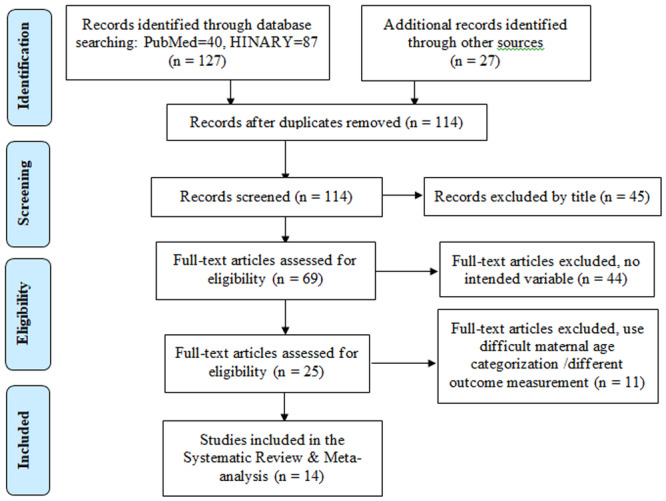
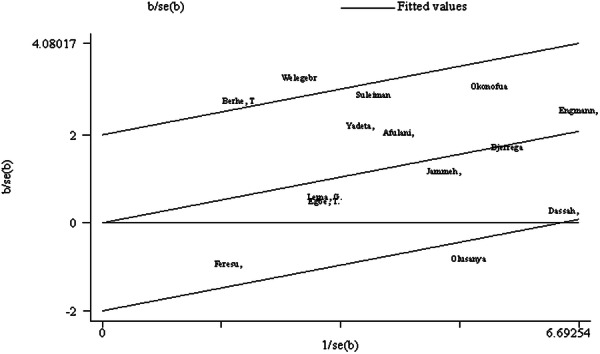
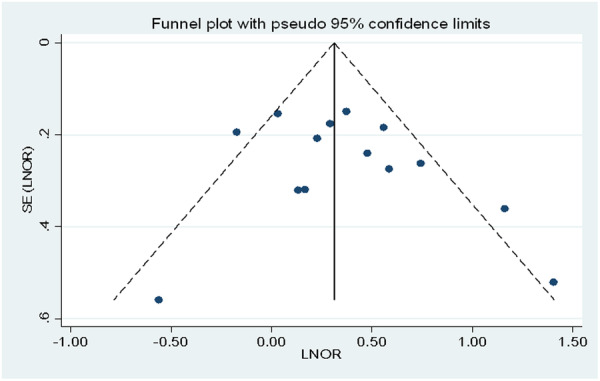
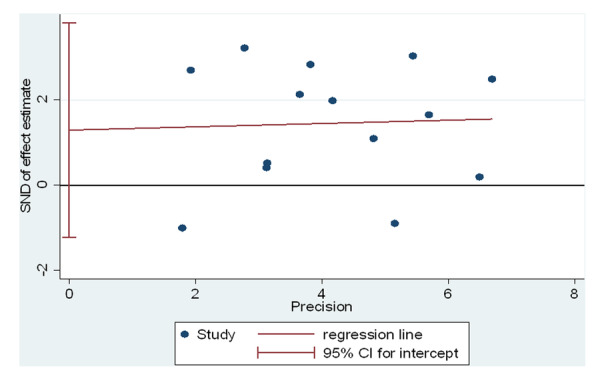
PubMed & HINARY databases and Google Scholar search engine were searched to access the primary studies. The extracted data using Microsoft excel was exported to Stata 15 software for analysis. The presence of heterogeneity was checked using Cochran's statistic and the test. Publication bias was examined by using funnel plot and Egger's test. The pooled effect measure with DerSimonian and Laird method of random-effect model was reported using odds ratio (OR) with respective 95% confidence interval.
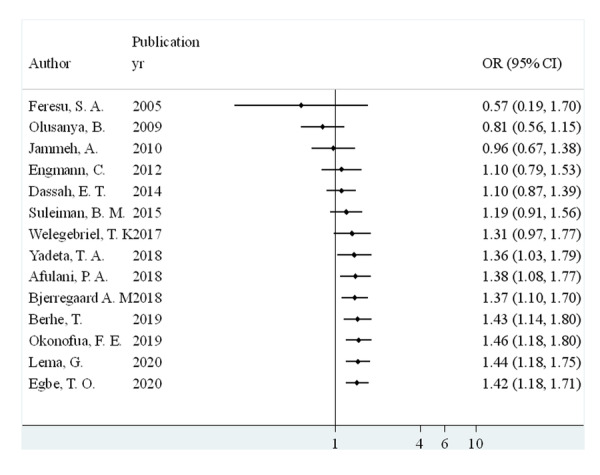
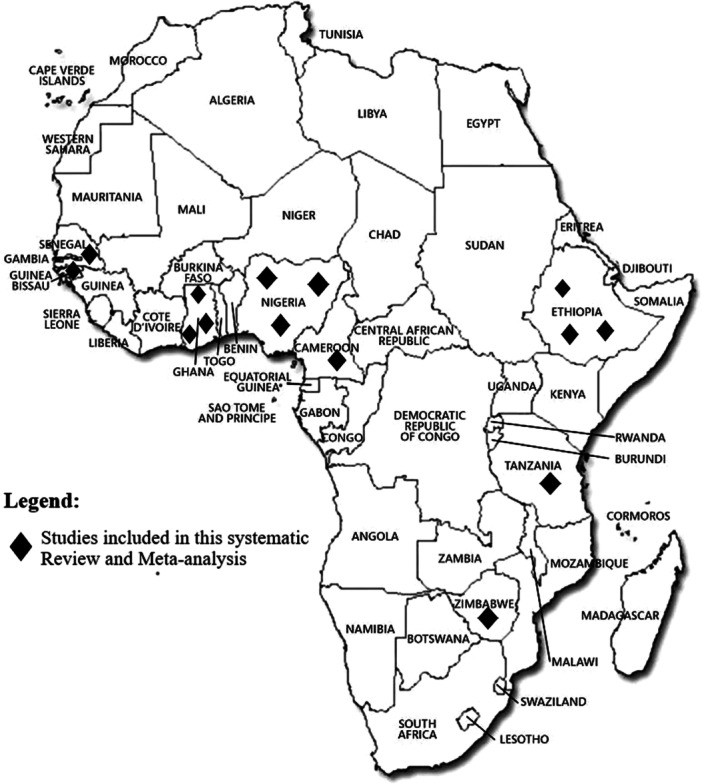
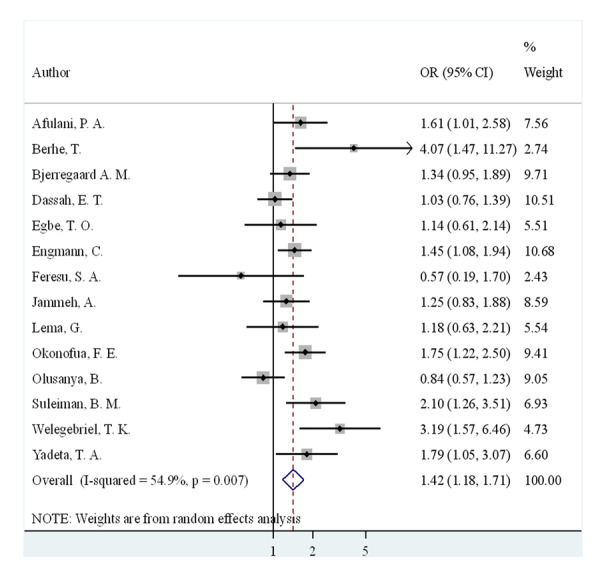
Totally, 14 articles are included for the systematic review and meta-analysis. The stillbirth reported by the studies ranges from 15 to 146.7 per 1000 births. The overall OR of advanced maternal age (≥35 years) on stillbirth is 1.42 (1.18, 1.71) when compared with the age group of 20-35 years. The cumulative effect of getting pregnant at advanced age on stillbirth was slightly increasing from year to year.
Advanced maternal age is a risk factor for stillbirth. Health Information Communication on the risk of getting pregnant at the advanced ages on stillbirth should be well addressed to all women of reproductive age group.
在低收入和中等收入国家,死产既是一个公共卫生问题,也是一个发展问题。那些发现产妇年龄是死产风险因素的研究报告了不同的结果。本系统评价和荟萃分析旨在填补这些研究结果的不确定性。因此,本系统评价和荟萃分析的目的是估计高龄产妇对非洲死产的综合影响。
检索了PubMed和HINARY数据库以及谷歌学术搜索引擎以获取原始研究。使用Microsoft excel提取的数据被导出到Stata 15软件进行分析。使用Cochran统计量和检验来检查异质性的存在。通过漏斗图和Egger检验来检查发表偏倚。采用DerSimonian和Laird随机效应模型方法报告合并效应量,以比值比(OR)及其95%置信区间表示。
总共纳入了14篇文章进行系统评价和荟萃分析。研究报告的死产率为每1000例分娩中有15至146.7例。与20 - 35岁年龄组相比,高龄产妇(≥35岁)的死产总体OR为1.42(1.18, 1.71)。高龄怀孕对死产的累积影响逐年略有增加。
高龄产妇是死产的一个风险因素。应向所有育龄妇女充分宣传高龄怀孕导致死产的风险的健康信息。