Department of Gastroenterology and Metabolism, Nagoya City University Graduate School of Medical Sciences, 1 Kawasumi, Mizuho-cho, Mizuho-ku, Nagoya 467-8601, Japan.
Kajinoki Medical Clinic, 2340-1 Kawai, Kani, Gifu 509-0201, Japan.
Medicina (Kaunas). 2024 Apr 26;60(5):713. doi: 10.3390/medicina60050713.
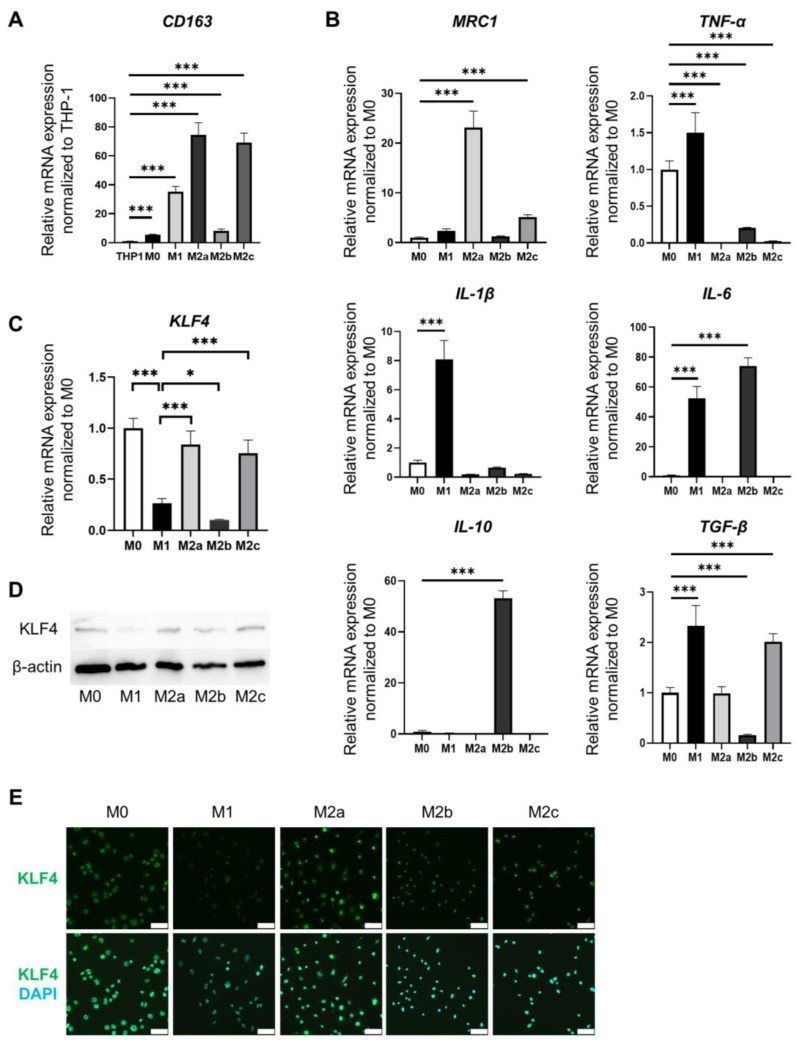
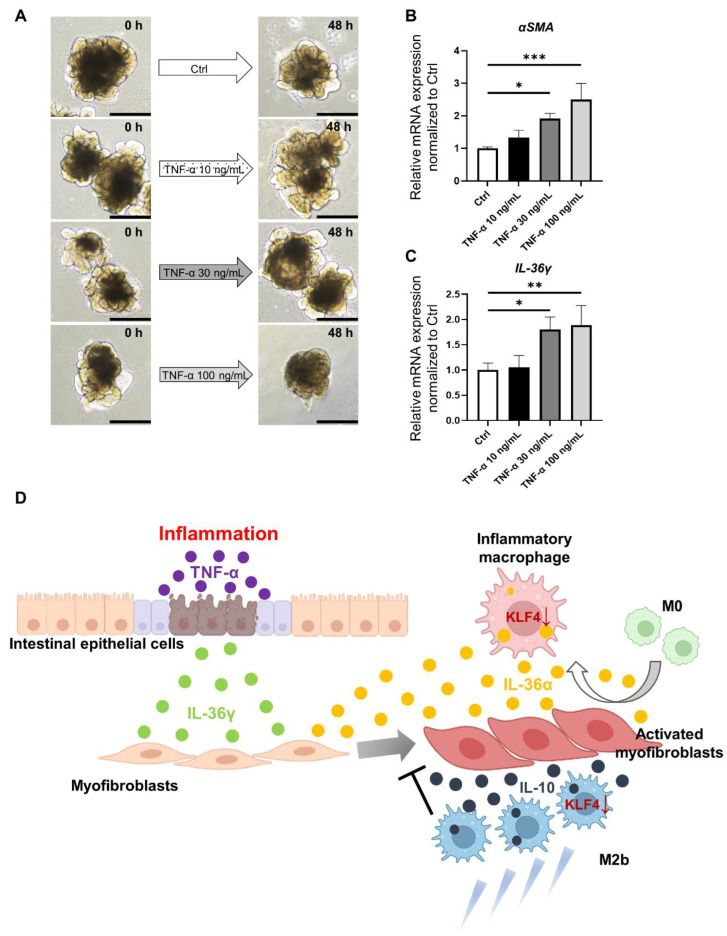
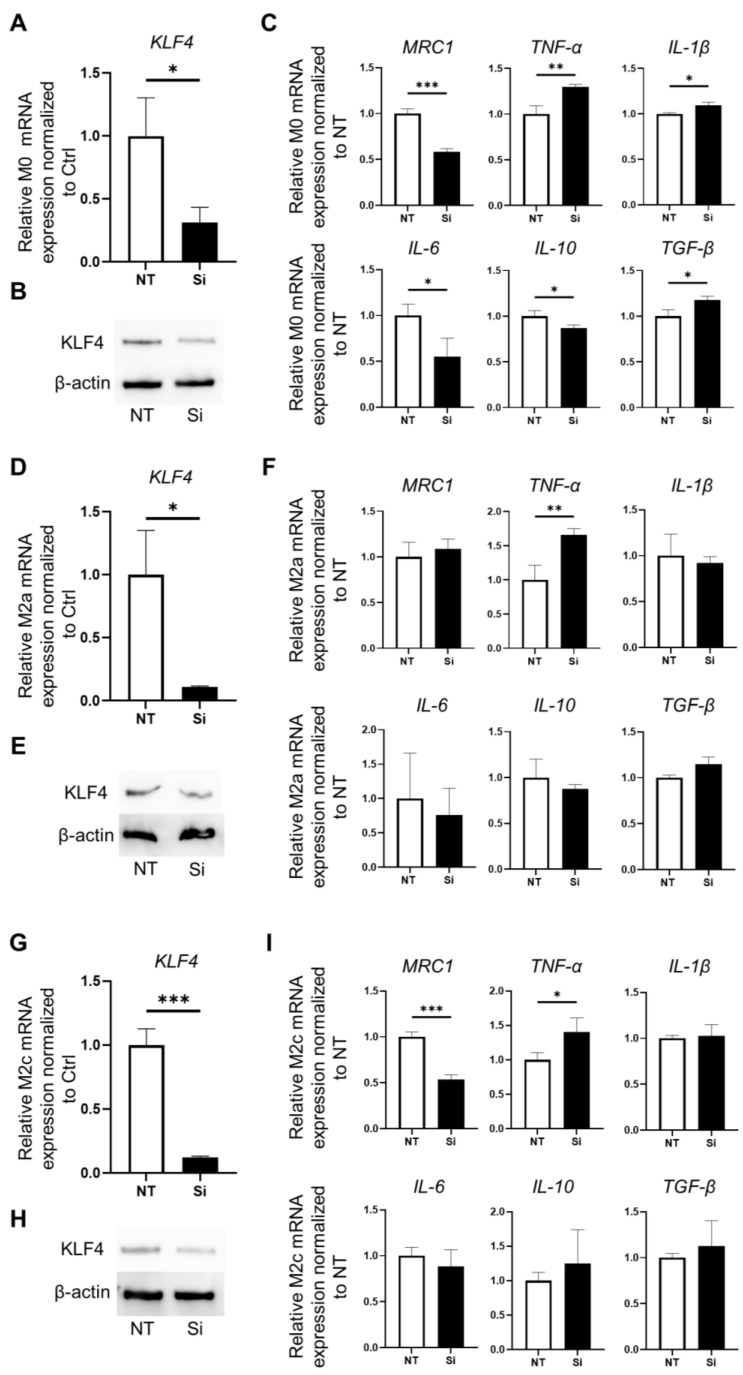
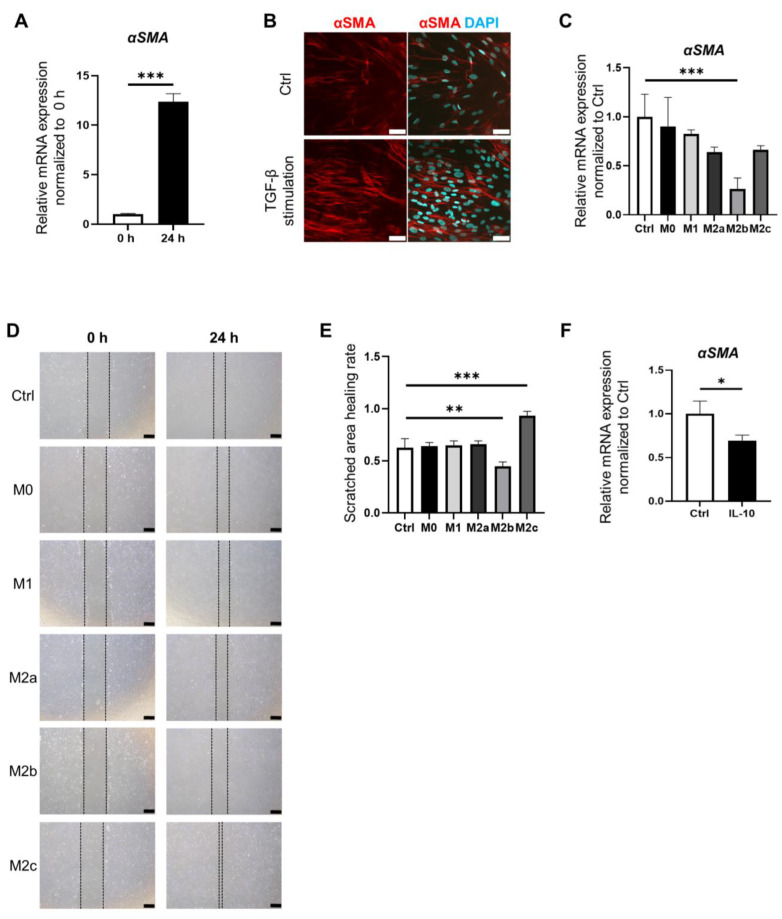
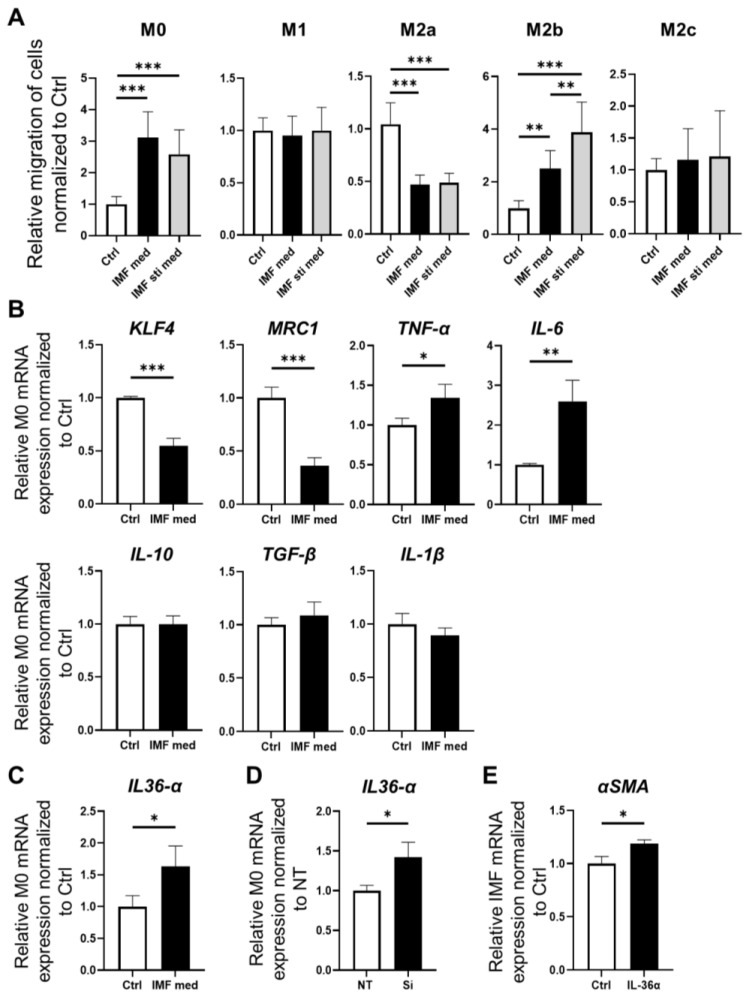
: Despite the fact that biologic drugs have transformed inflammatory bowel disease (IBD) treatment, addressing fibrosis-related strictures remains a research gap. This study explored the roles of cytokines, macrophages, and Krüppel-like factors (KLFs), specifically KLF4, in intestinal fibrosis, as well as the interplay of KLF4 with various gut components. : This study examined macrophage subtypes, their KLF4 expression, and the effects of knockdown on macrophage polarization and cytokine expression using THP-1 monocyte models. Co-culture experiments with stromal myofibroblasts and a conditioned medium from macrophage subtype cultures were conducted to study the role of these cells in intestinal fibrosis. Human-induced pluripotent stem cell-derived small intestinal organoids were used to confirm inflammatory and fibrotic responses in the human small intestinal epithelium. : Each macrophage subtype exhibited distinct phenotypes and KLF4 expression. Knockdown of induced inflammatory cytokine expression in M0, M2a, and M2c cells. M2b exerted anti-fibrotic effects via interleukin (IL)-10. M0 and M2b cells showed a high migratory capacity toward activated stromal myofibroblasts. M0 cells interacting with activated stromal myofibroblasts transformed into inflammatory macrophages, thereby increasing pro-inflammatory cytokine expression. The expression of , linked to fibrosis, was upregulated. : This study elucidated the role of KLF4 in macrophage polarization and the intricate interactions between macrophages, stromal myofibroblasts, and cytokines in experimental in vitro models of intestinal fibrosis. The obtained results may suggest the mechanism of fibrosis formation in clinical IBD.
尽管生物制剂已经改变了炎症性肠病(IBD)的治疗方法,但解决纤维化相关的狭窄仍然是一个研究空白。本研究探讨了细胞因子、巨噬细胞和 Krüppel 样因子(KLFs),特别是 KLF4,在肠道纤维化中的作用,以及 KLF4 与各种肠道成分的相互作用。
本研究使用 THP-1 单核细胞模型,研究了巨噬细胞亚型、其 KLF4 表达,以及敲低对巨噬细胞极化和细胞因子表达的影响。进行了与基质肌成纤维细胞和巨噬细胞亚型培养物的条件培养基的共培养实验,以研究这些细胞在肠道纤维化中的作用。使用人诱导多能干细胞衍生的小肠类器官,证实了人小肠上皮的炎症和纤维化反应。
每种巨噬细胞亚型都表现出不同的表型和 KLF4 表达。敲低 诱导了 M0、M2a 和 M2c 细胞中促炎细胞因子的表达。M2b 通过白细胞介素(IL)-10 发挥抗纤维化作用。M0 和 M2b 细胞对激活的基质肌成纤维细胞具有高迁移能力。与激活的基质肌成纤维细胞相互作用的 M0 细胞转化为炎症巨噬细胞,从而增加促炎细胞因子的表达。与纤维化相关的 表达上调。
本研究阐明了 KLF4 在巨噬细胞极化中的作用,以及巨噬细胞、基质肌成纤维细胞和细胞因子在实验性肠道纤维化体外模型中的复杂相互作用。获得的结果可能提示了临床 IBD 中纤维化形成的机制。