Canet Geoffrey, Monteiro Felipe Da Gama, Rocaboy Emma, Diego-Diaz Sofia, Khelaifia Boutheyna, Kim Jessica, Valencia Daphne, Yin Audrey, Wu Hau-Tieng, Howell Jordan, Blank Emily, Laliberté Francis, Fortin Nadia, Boscher Emmanuelle, Fereydouni-Forouzandeh Parissa, Champagne Stéphanie, Guisle Isabelle, Hébert Sébastien, Pernet Vincent, Liu Haiyan, Lu William, Debure Ludovic, Rapoport David, Ayappa Indu, Varga Andrew, Parekh Ankit, Osorio Ricardo, Lacroix Steve, Lucey Brendan, Blessing Esther, Planel Emmanuel
Research Center of CHU de Quebec - Laval University.
Department of Psychiatry, NYU Grossman School of Medicine.
Res Sq. 2024 May 14:rs.3.rs-4384494. doi: 10.21203/rs.3.rs-4384494/v1.
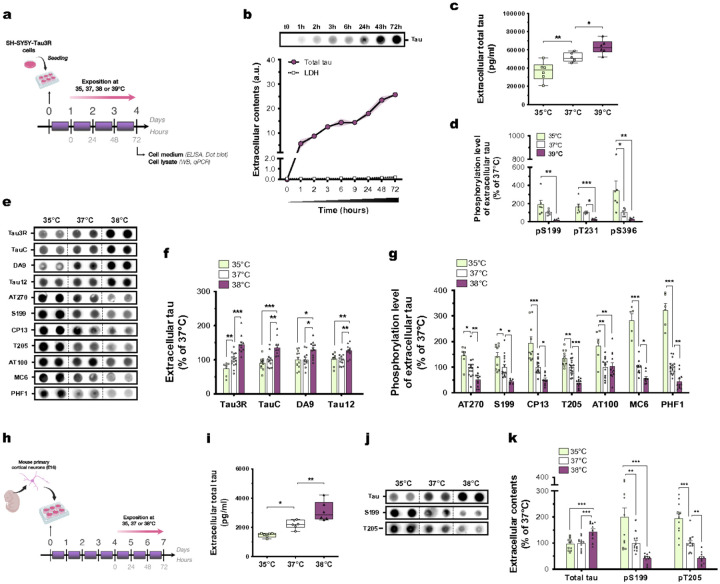
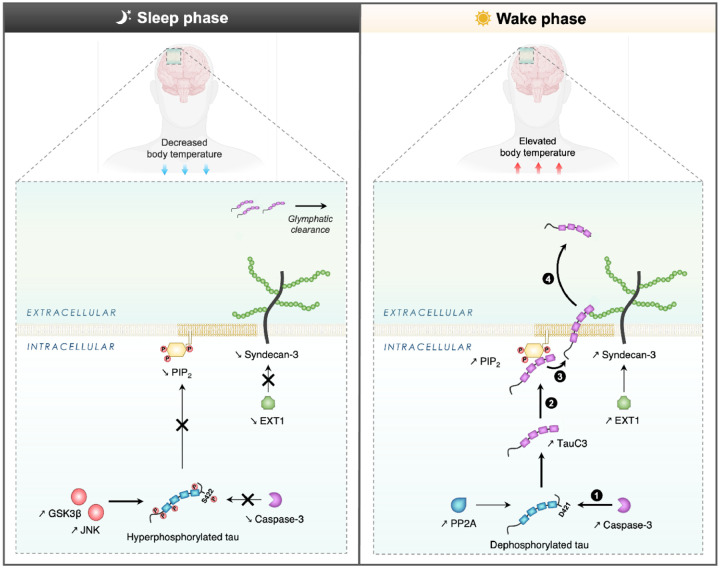
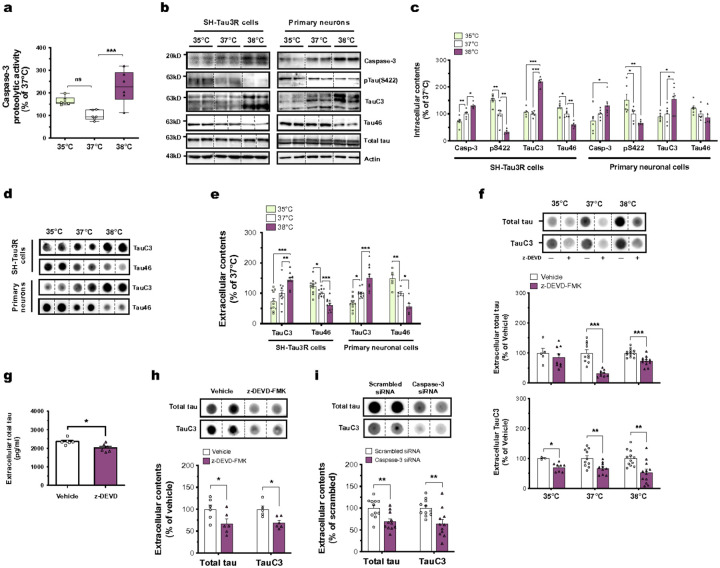
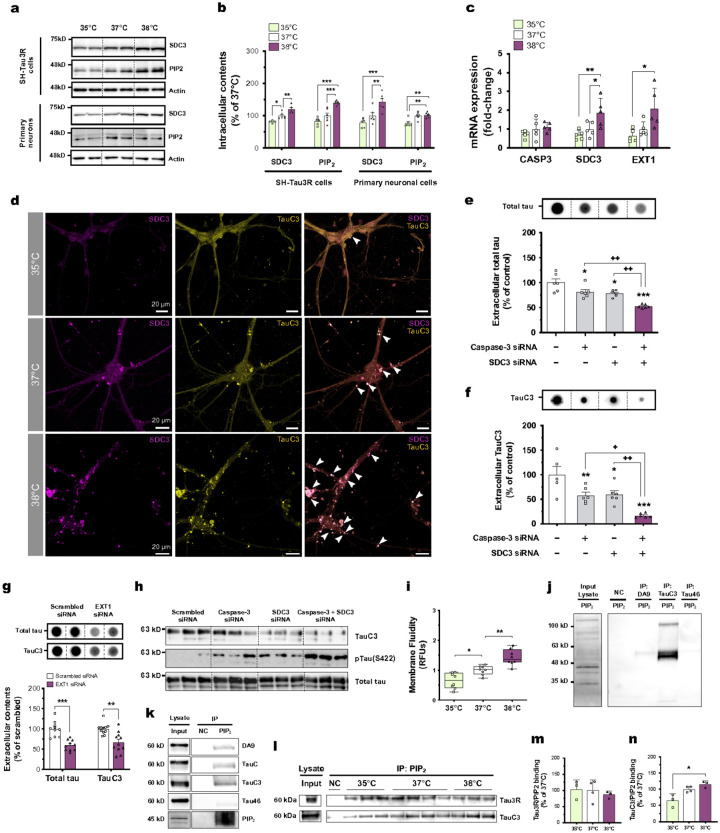
The sleep-wake cycle regulates interstitial fluid and cerebrospinal fluid (CSF) tau levels in both mouse and human by mechanisms that remain unestablished. Here, we reveal a novel pathway by which wakefulness increases extracellular tau levels in mouse and humans. In mice, higher body temperature (BT) associated with wakefulness and sleep deprivation increased CSF tau. , wakefulness temperatures upregulated tau secretion a temperature-dependent increase in activity and expression of unconventional protein secretion pathway-1 components, namely caspase-3-mediated C-terminal cleavage of tau (TauC3), and membrane expression of PIP and syndecan-3. In humans, the increase in both CSF and plasma tau levels observed post-wakefulness correlated with BT increase during wakefulness. Our findings suggest sleep-wake variation in BT may contribute to regulating extracellular tau levels, highlighting the importance of thermoregulation in pathways linking sleep disturbance to neurodegeneration, and the potential for thermal intervention to prevent or delay tau-mediated neurodegeneration.
睡眠-觉醒周期通过尚未明确的机制调节小鼠和人类的间质液和脑脊液(CSF)中tau蛋白水平。在此,我们揭示了一种新途径,通过该途径觉醒可增加小鼠和人类细胞外tau蛋白水平。在小鼠中,与觉醒和睡眠剥夺相关的较高体温(BT)会增加脑脊液tau蛋白。觉醒时的温度上调了tau蛋白分泌——非传统蛋白质分泌途径-1组分的活性和表达呈温度依赖性增加,即半胱天冬酶-3介导的tau蛋白C末端切割(TauC3)以及PIP和syndecan-3的膜表达。在人类中,觉醒后观察到的脑脊液和血浆tau蛋白水平增加与觉醒期间的体温升高相关。我们的研究结果表明,体温的睡眠-觉醒变化可能有助于调节细胞外tau蛋白水平,突出了体温调节在将睡眠障碍与神经退行性变联系起来的途径中的重要性,以及热干预预防或延缓tau蛋白介导的神经退行性变的潜力。