O'Brien Conor J, van Zundert André A J, Barach Paul R
The Department of Anaesthesia and Perioperative Medicine, Royal Brisbane and Women's Hospital, Herston Campus, Brisbane, QLD, Australia.
The University of Queensland, Faculty of Medicine, Herston, QLD 4006, Australia.
EClinicalMedicine. 2024 May 27;72:102641. doi: 10.1016/j.eclinm.2024.102641. eCollection 2024 Jun.
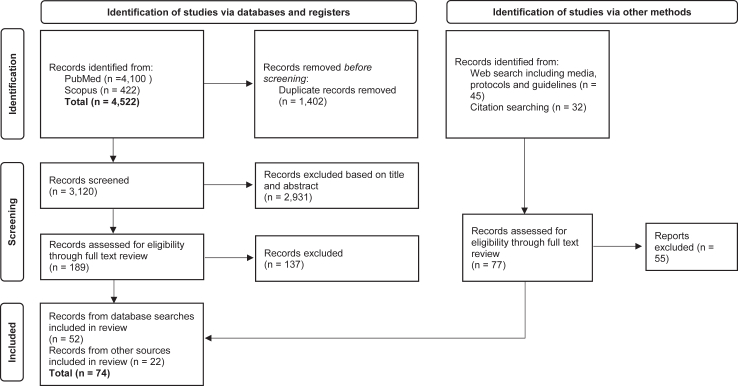
Workplace violence (WPV) against healthcare workers (HCW) is a globally growing problem in healthcare systems. Despite decades of research and interventions violent incidents are rising in their severity and frequency. A structured review of PubMed and Scopus databases and supplementary internet searches, resulted in a synthesis of evidence covering multiple countries and healthcare worker populations. High rates of WPV are increasingly common due to unmet patient expectations, poor communication, long wait times and organizational factors such as resourcing and infrastructure. We highlight links between WPV and poor worker health outcomes, staff turnover, reduced patient safety and medical errors. Few prevention and mitigation activities have shown sustained effects, highlighting the challenges in understanding and addressing the complex interplay of factors that drive violence against HCWs. The rapidly rising incidence of WPV requires special consideration and action from multiple stakeholders including patients and visitors, healthcare providers, law enforcement, media and policy makers.
针对医护人员的工作场所暴力(WPV)是全球医疗系统中日益严重的问题。尽管经过数十年的研究和干预,暴力事件的严重程度和发生频率仍在上升。对PubMed和Scopus数据库进行结构化综述以及补充性网络搜索,综合了涵盖多个国家和医护人员群体的证据。由于患者期望未得到满足、沟通不畅、等待时间过长以及资源和基础设施等组织因素,WPV的高发生率日益普遍。我们强调了WPV与医护人员健康状况不佳、人员流动、患者安全降低和医疗差错之间的联系。很少有预防和缓解活动显示出持续效果,这凸显了在理解和应对导致针对医护人员暴力行为的复杂因素相互作用方面的挑战。WPV发病率的迅速上升需要包括患者和访客、医疗服务提供者、执法部门、媒体和政策制定者在内的多个利益相关者给予特别关注并采取行动。