Wang Yujie, Li Yiqing, Chen Yunfei, Mao Jinqian, Ji Jingyu, Zhang Shaojun, Liu Pan, Pronyuk Khrystyna, Fisher David, Dang Yiping, Zhao Lei
Department of Vascular Surgery, Union Hospital, Tongji Medical College, Huazhong University of Science and Technology, Wuhan, China.
National & Local Joint Engineering Research Centre for High-Throughput Drug Screening Technology, State Key Laboratory of Biocatalysis and Enzyme Engineering, Hubei University, Wuhan, China.
Int J Immunopathol Pharmacol. 2024 Jan-Dec;38:3946320241254083. doi: 10.1177/03946320241254083.
Corilagin possesses a diverse range of pharmacologic bioactivities. However, the specific protective effects and mechanisms of action of corilagin in the context of atherosclerosis remain unclear. In this study, we investigated the impact of corilagin on the toll-like receptor (TLR)4 signaling pathway in a mouse vascular smooth muscle cell line (MOVAS) stimulated by oxidized low-density lipoprotein (ox-LDL). Additionally, we examined the effects of corilagin in Sprague-Dawley rats experiencing atherosclerosis.
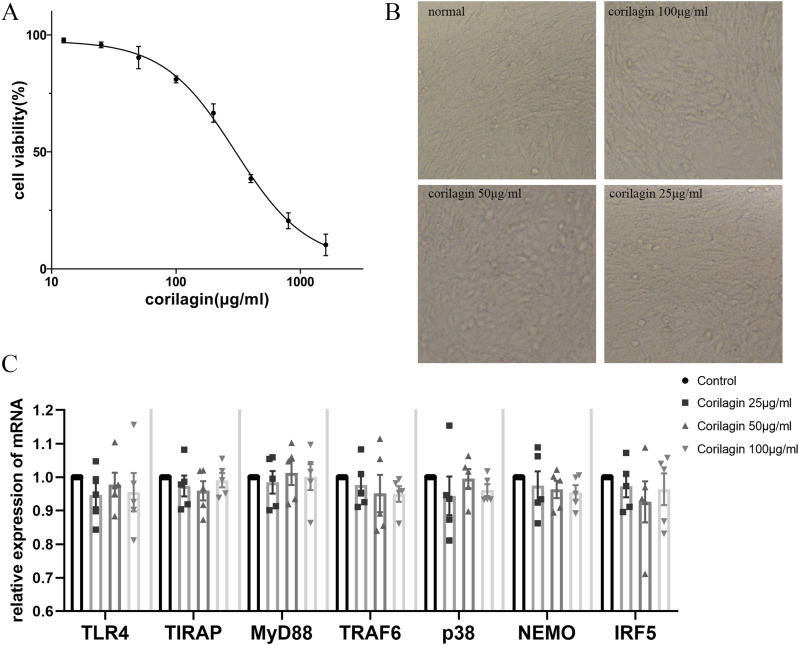
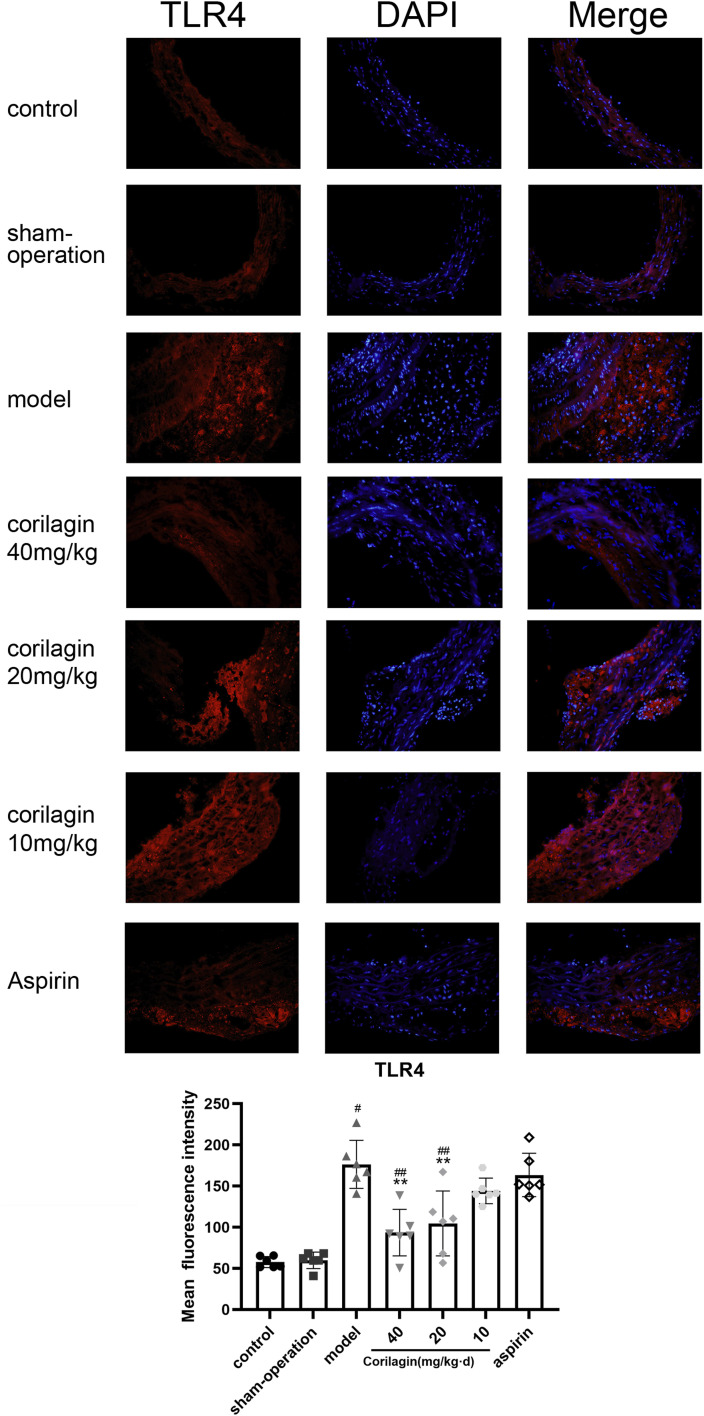
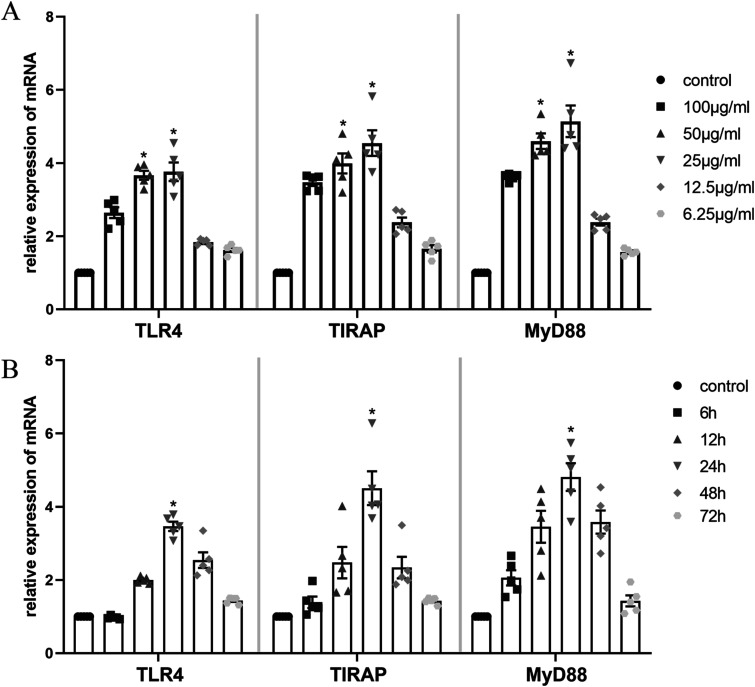
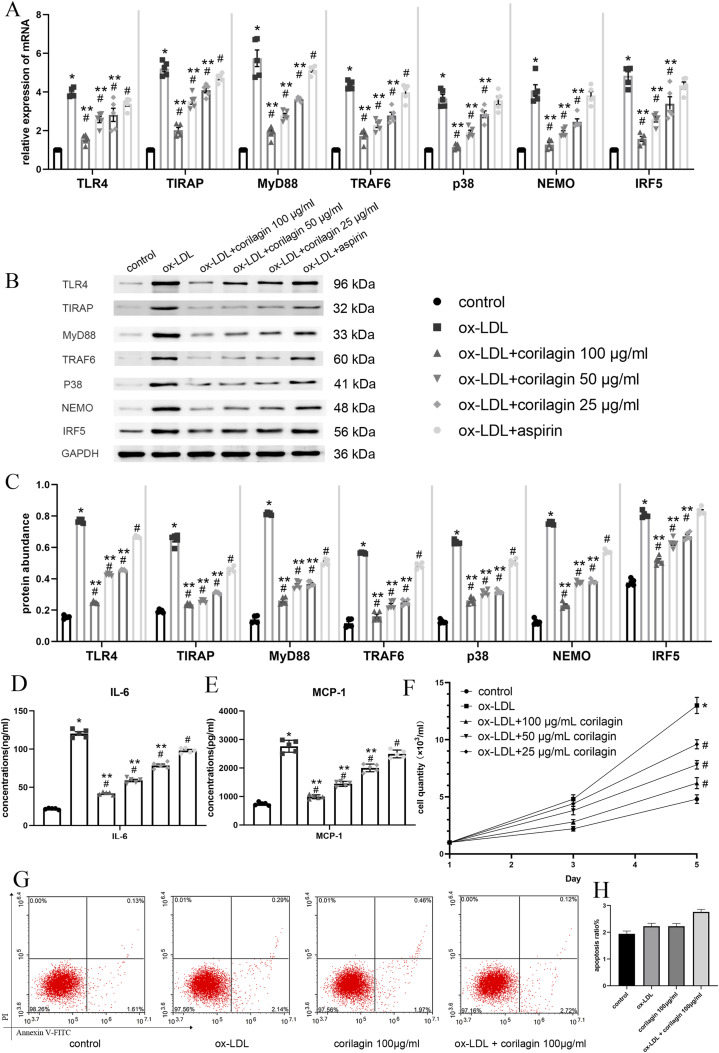
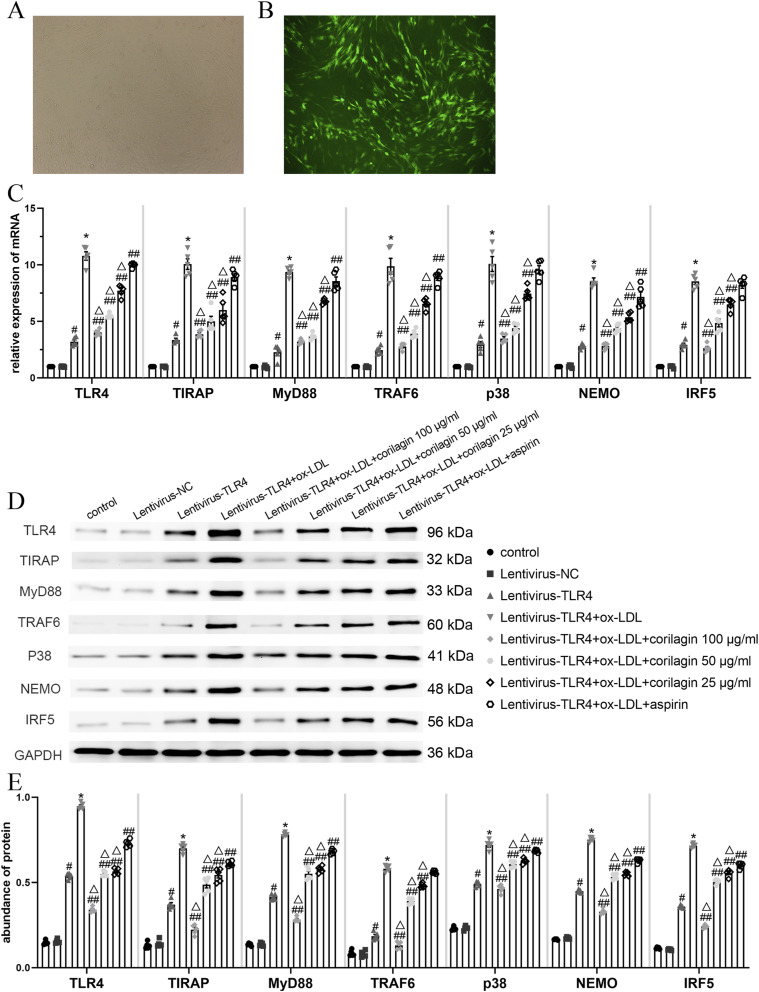
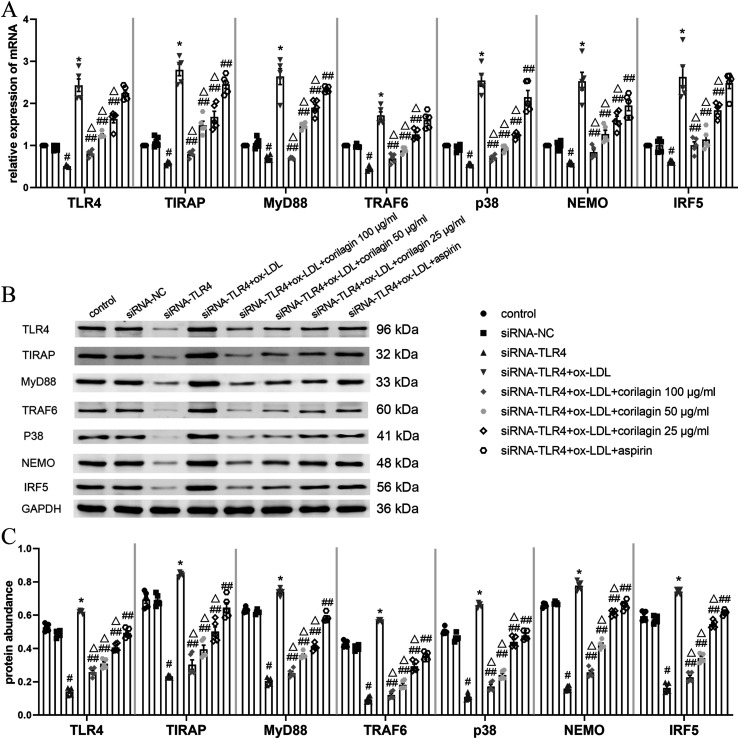
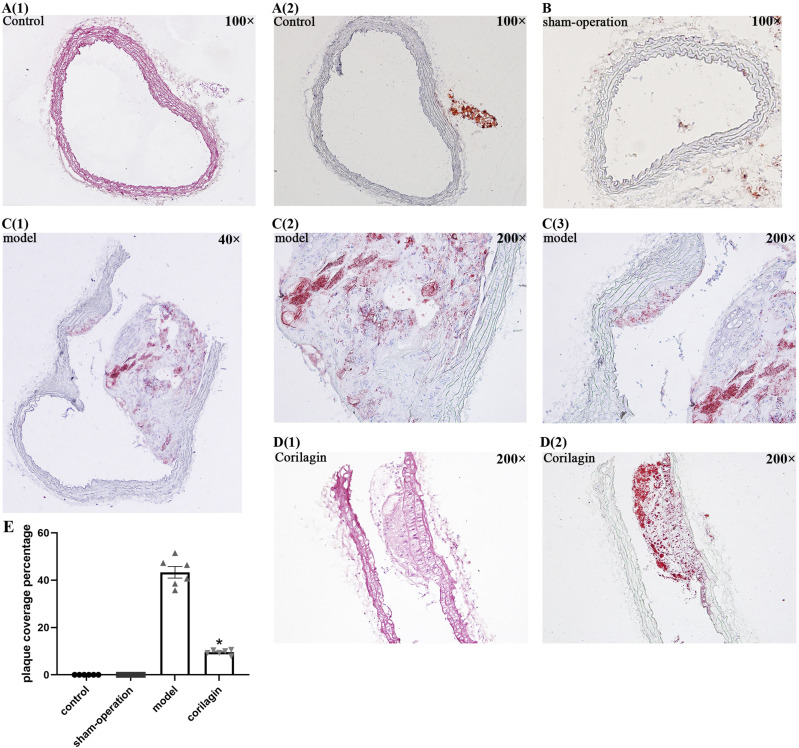
The cytotoxicity of corilagin was assessed using the CCK8 assay. MOVAS cells, pre-incubated with ox-LDL, underwent treatment with varying concentrations of corilagin. TLR4 expression was modulated by either downregulation through small interfering (si)RNA or upregulation via lentivirus transfection. Molecular expression within the TLR4 signaling pathway was analyzed using real-time polymerase chain reaction (PCR) and Western blotting. The proliferation capacity of MOVAS cells was determined through cell counting. In a rat model, atherosclerosis was induced in femoral arteries using an improved guidewire injury method, and TLR4 expression in plaque areas was assessed using immunofluorescence. Pathological changes were examined through hematoxylin and eosin staining, as well as Oil-Red-O staining.
Corilagin demonstrated inhibitory effects on the TLR4 signaling pathway in MOVAS cells pre-stimulated with ox-LDL, consequently impeding the proliferative impact of ox-LDL. The modulation of TLR4 expression, either through downregulation or upregulation, similarly influenced the expression of downstream molecules. In an in vivo context, corilagin exhibited the ability to suppress TLR4 and MyD88 expression in the plaque lesion areas of rat femoral arteries, thereby alleviating the formation of atherosclerotic plaques.
Corilagin can inhibit the TLR4 signaling pathway in VSMCs, possibly by downregulating TLR4 expression and, consequently, relieving atherosclerosis.
柯里拉京具有多种药理生物活性。然而,在动脉粥样硬化背景下,柯里拉京的具体保护作用及作用机制仍不清楚。在本研究中,我们研究了柯里拉京对氧化型低密度脂蛋白(ox-LDL)刺激的小鼠血管平滑肌细胞系(MOVAS)中Toll样受体(TLR)4信号通路的影响。此外,我们还研究了柯里拉京对患有动脉粥样硬化的Sprague-Dawley大鼠的影响。
使用CCK8法评估柯里拉京的细胞毒性。预先用ox-LDL孵育的MOVAS细胞用不同浓度的柯里拉京进行处理。通过小干扰(si)RNA下调或慢病毒转染上调来调节TLR4表达。使用实时聚合酶链反应(PCR)和蛋白质免疫印迹法分析TLR4信号通路中的分子表达。通过细胞计数确定MOVAS细胞的增殖能力。在大鼠模型中,采用改良的导丝损伤法诱导股动脉发生动脉粥样硬化,并用免疫荧光法评估斑块区域的TLR4表达。通过苏木精和伊红染色以及油红O染色检查病理变化。
柯里拉京对预先用ox-LDL刺激的MOVAS细胞中的TLR4信号通路具有抑制作用,从而阻碍了ox-LDL的增殖作用。通过下调或上调调节TLR4表达同样会影响下游分子的表达。在体内,柯里拉京能够抑制大鼠股动脉斑块病变区域中TLR4和MyD88的表达,从而减轻动脉粥样硬化斑块的形成。
柯里拉京可以抑制血管平滑肌细胞中的TLR4信号通路,可能是通过下调TLR4表达,从而缓解动脉粥样硬化。