
热休克蛋白 90 通过调节细胞质中糖酵解相关代谢酶的区域分布促进胃癌细胞转移和干性。
Hsp90 Promotes Gastric Cancer Cell Metastasis and Stemness by Regulating the Regional Distribution of Glycolysis-Related Metabolic Enzymes in the Cytoplasm.
机构信息
State Key Laboratory of Molecular Oncology, National Cancer Center/National Clinical Research Center for Cancer/Cancer Hospital, Chinese Academy of Medical Sciences and Peking Union Medical College, Beijing, 100021, China.
Department of Epidemiology & Population Health, Stanford University of Medicine, Stanford, CA, 94305, USA.
出版信息
Adv Sci (Weinh). 2024 Sep;11(33):e2310109. doi: 10.1002/advs.202310109. Epub 2024 Jun 14.
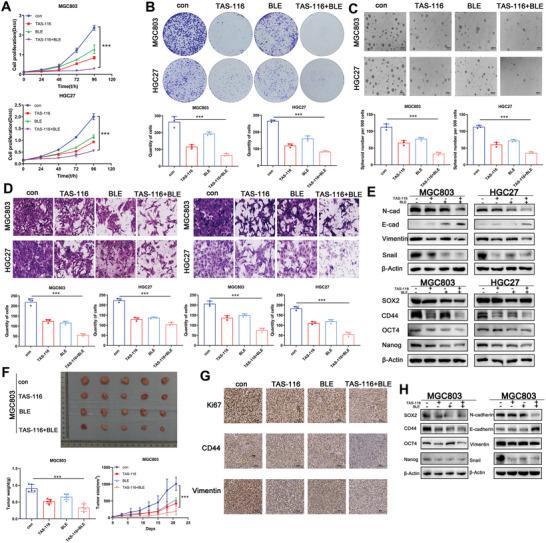
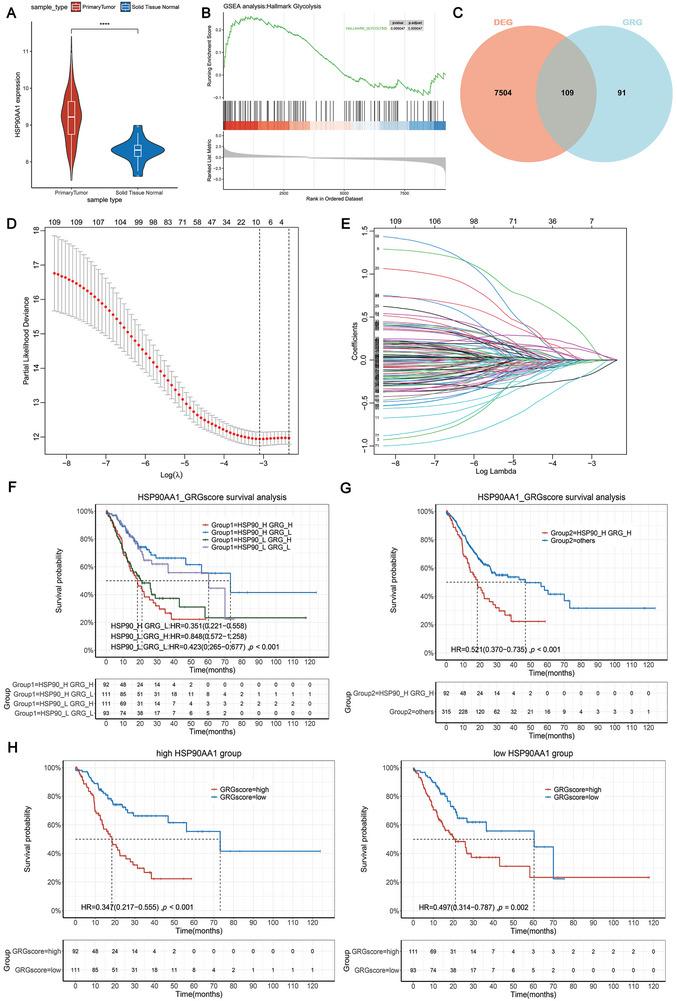
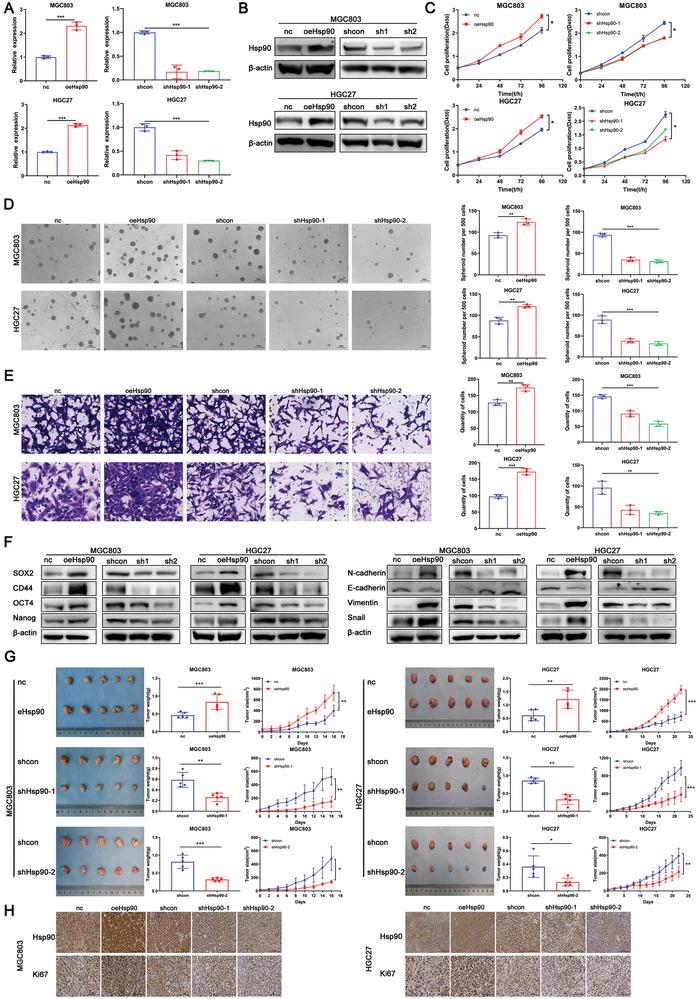
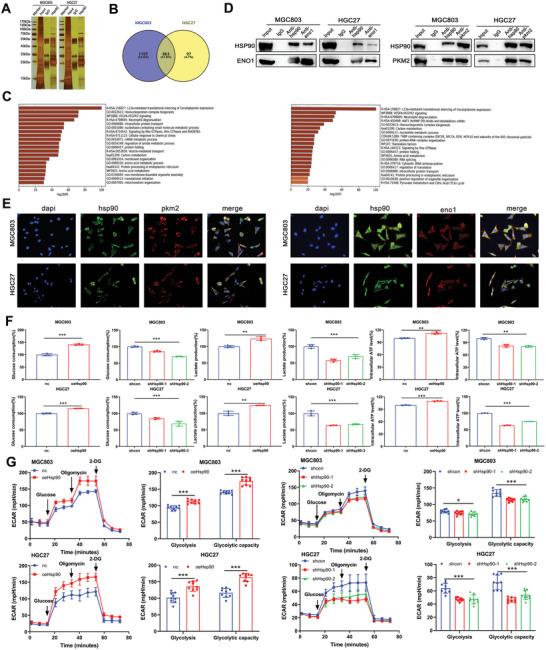
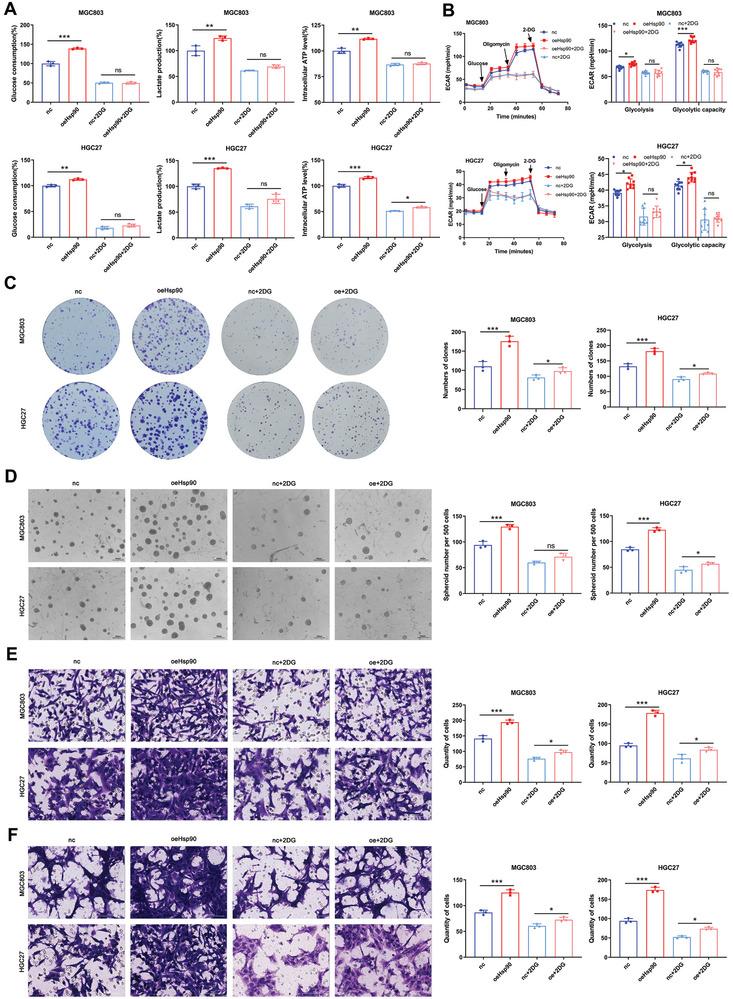
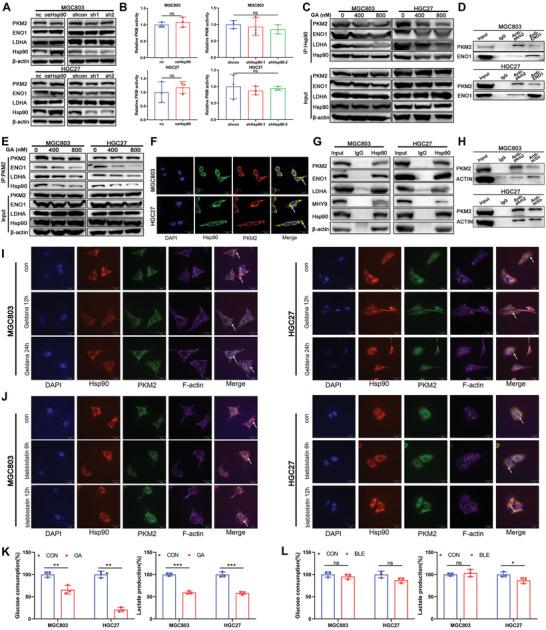
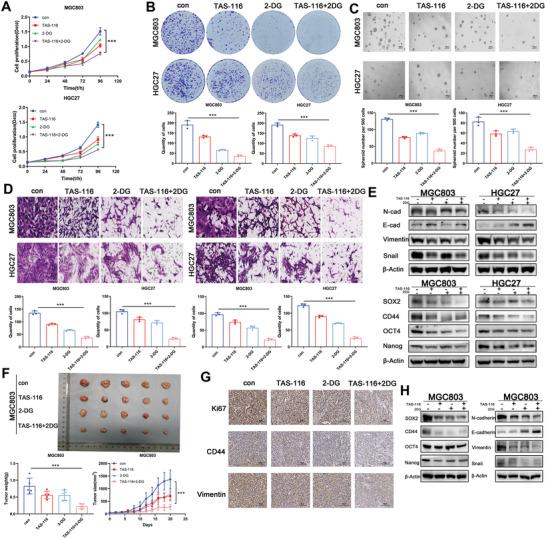
Heat-shock protein 90 (Hsp90) plays a crucial role in tumorigenesis and tumor progression; however, its mechanism of action in gastric cancer (GC) remains unclear. Here, the role of Hsp90 in GC metabolism is the focus of this research. High expression of Hsp90 in GC tissues can interact with glycolysis, collectively affecting prognosis in clinical samples. Both in vitro and in vivo experiments demonstrate that Hsp90 is able to regulate the migration and stemness properties of GC cells. Metabolic phenotype analyses indicate that Hsp90 influences glycolytic metabolism. Mechanistically, Hsp90 interacts with glycolysis-related enzymes, forming multienzyme complexes to enhance glycolysis efficiency and yield. Additionally, Hsp90 binds to cytoskeleton-related proteins, regulating the regional distribution of glycolytic enzymes at the cell margin and lamellar pseudopods. This effect could lead to a local increase in efficient energy supply from glycolysis, further promoting epithelial-mesenchymal transition (EMT) and metastasis. In summary, Hsp90, through its interaction with metabolic enzymes related to glycolysis, forms multi-enzyme complexes and regulates regional distribution of glycolysis by dynamic cytoskeletal adjustments, thereby promoting the migration and stemness of GC cells. These conclusions also support the potential for a combined targeted approach involving Hsp90, glycolysis, and the cytoskeleton in clinical therapy.
热休克蛋白 90(Hsp90)在肿瘤发生和肿瘤进展中起着至关重要的作用;然而,其在胃癌(GC)中的作用机制尚不清楚。本研究聚焦于 Hsp90 在 GC 代谢中的作用。GC 组织中 Hsp90 的高表达可与糖酵解相互作用,共同影响临床样本的预后。体外和体内实验均表明,Hsp90 能够调节 GC 细胞的迁移和干性。代谢表型分析表明,Hsp90 影响糖酵解代谢。从机制上讲,Hsp90 与糖酵解相关酶相互作用,形成多酶复合物以提高糖酵解效率和产量。此外,Hsp90 与细胞骨架相关蛋白结合,调节细胞边缘和片状伪足处糖酵解酶的区域分布。这种效应可能导致糖酵解提供有效能量供应的局部增加,从而进一步促进上皮-间充质转化(EMT)和转移。总之,Hsp90 通过与糖酵解相关代谢酶的相互作用,形成多酶复合物,并通过动态细胞骨架调整来调节糖酵解的区域分布,从而促进 GC 细胞的迁移和干性。这些结论也支持了在临床治疗中联合靶向 Hsp90、糖酵解和细胞骨架的潜在可能性。
 Zotero 插件