National Center for Respiratory Medicine; State Key Laboratory of Respiratory Health and Multimorbidity; National Clinical Research Center for Respiratory Diseases; Institute of Respiratory Medicine, Chinese Academy of Medical Sciences; Department of Pulmonary and Critical Care Medicine, Center of Respiratory Medicine, China-Japan Friendship Hospital, Beijing, China; China-Japan Friendship Hospital (Institution of Clinical Medical Sciences), Chinese Academy of Medical Sciences & Peking Union Medical College, Beijing, China.
National Center for Respiratory Medicine; State Key Laboratory of Respiratory Health and Multimorbidity; National Clinical Research Center for Respiratory Diseases; Institute of Respiratory Medicine, Chinese Academy of Medical Sciences; Department of Pulmonary and Critical Care Medicine, Center of Respiratory Medicine, China-Japan Friendship Hospital, Beijing, China.
Redox Biol. 2024 Sep;75:103237. doi: 10.1016/j.redox.2024.103237. Epub 2024 Jun 14.
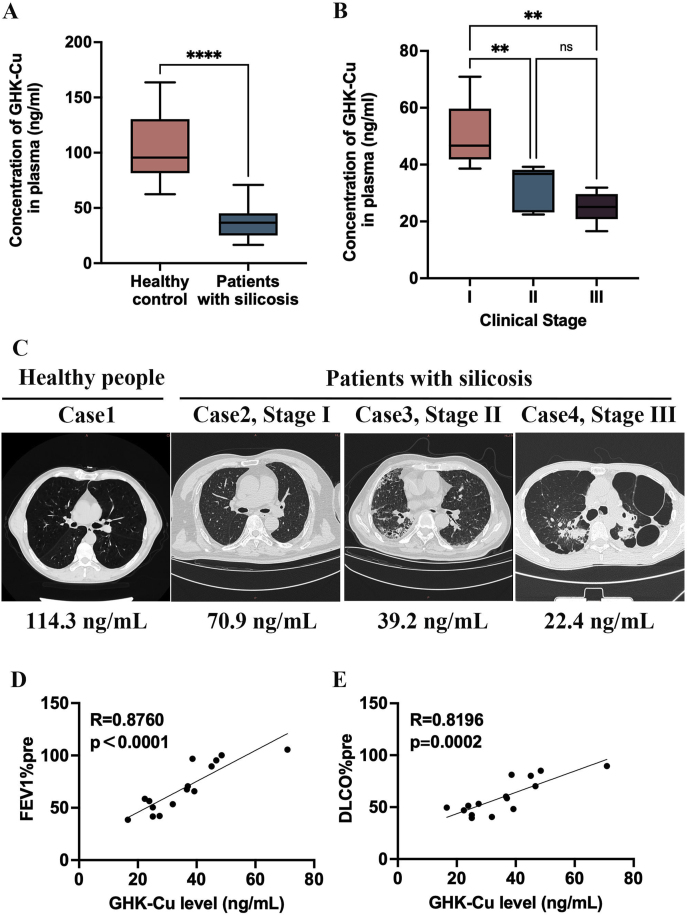
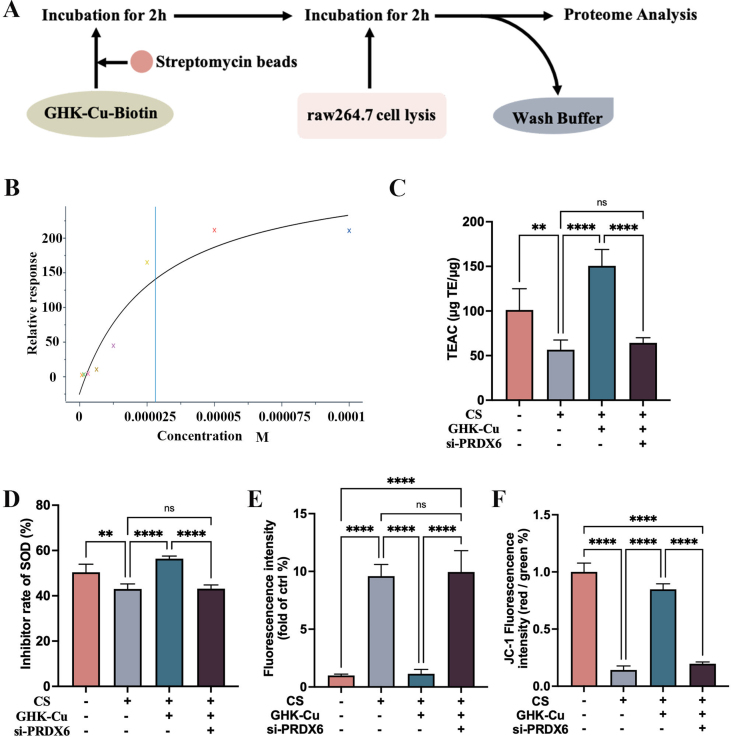
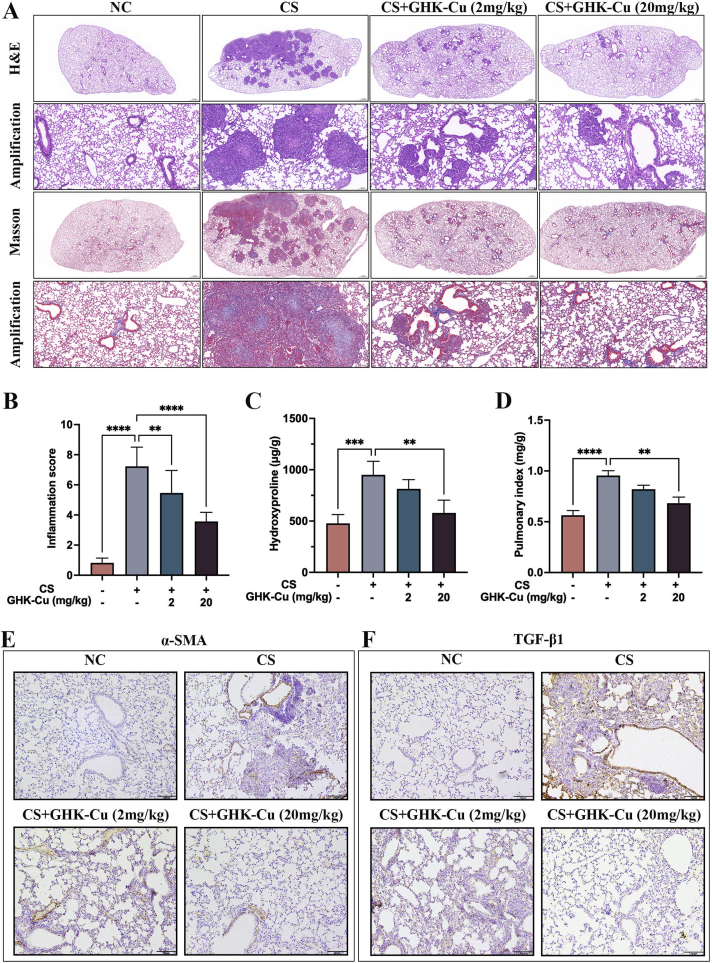
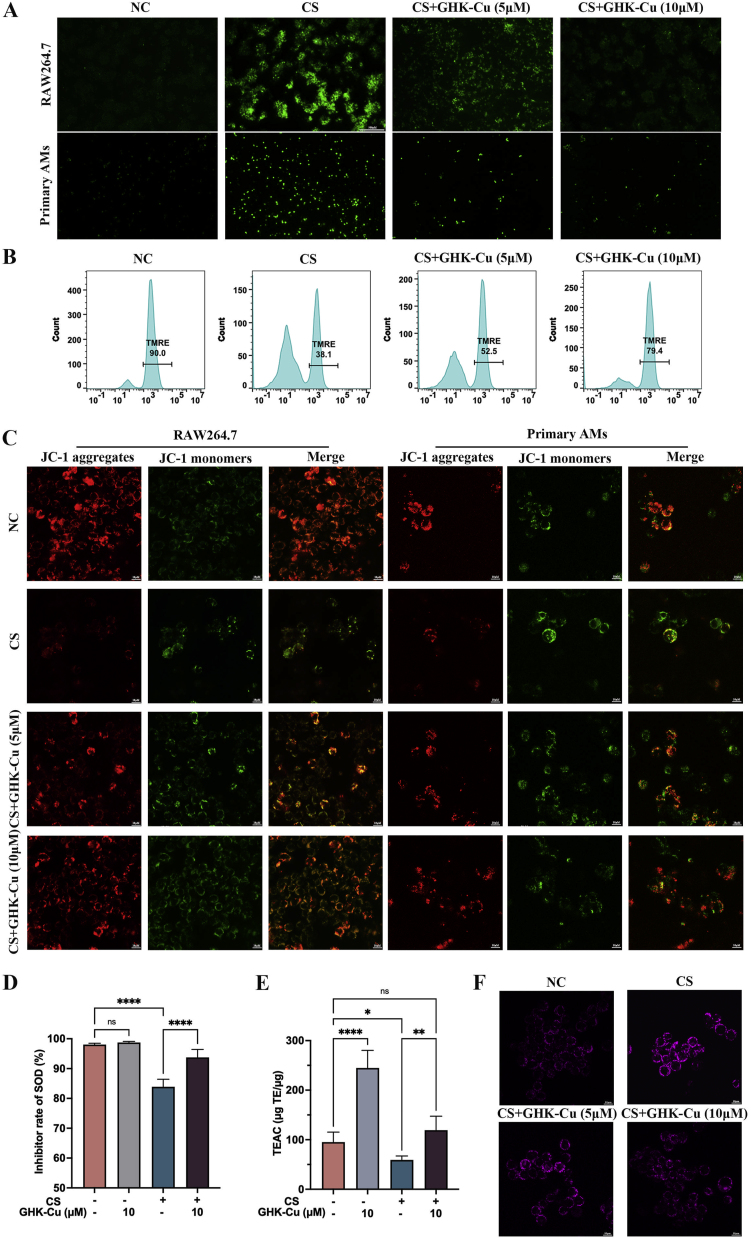
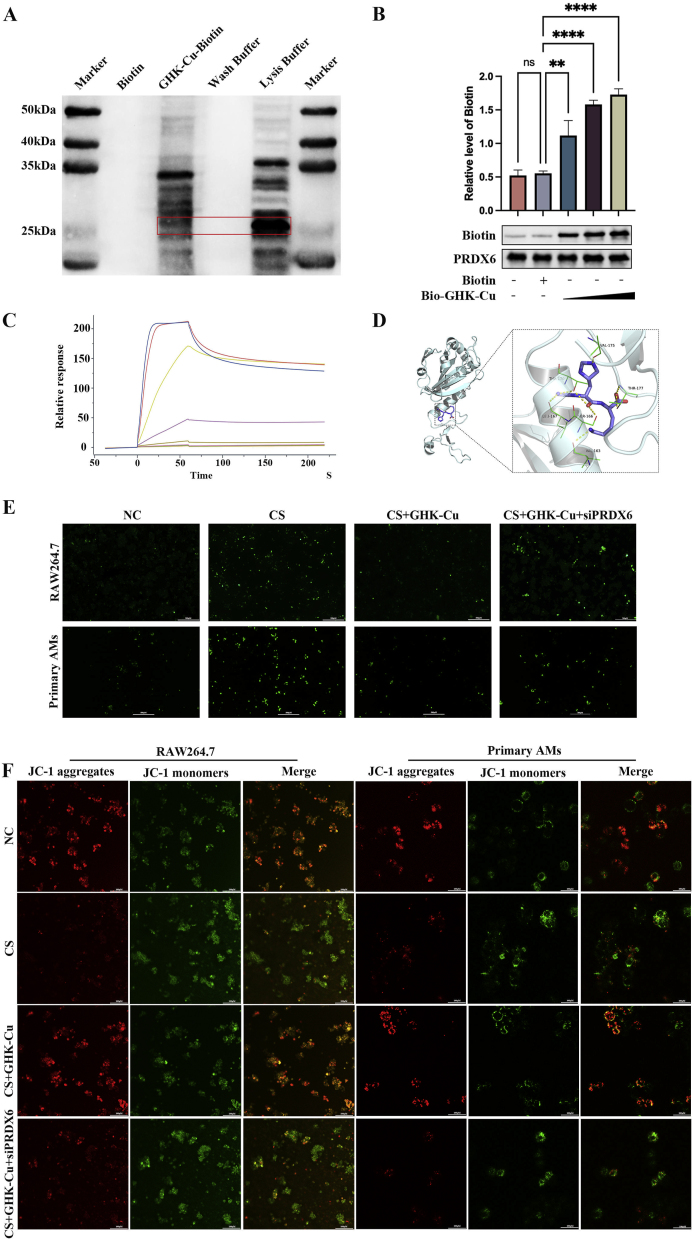
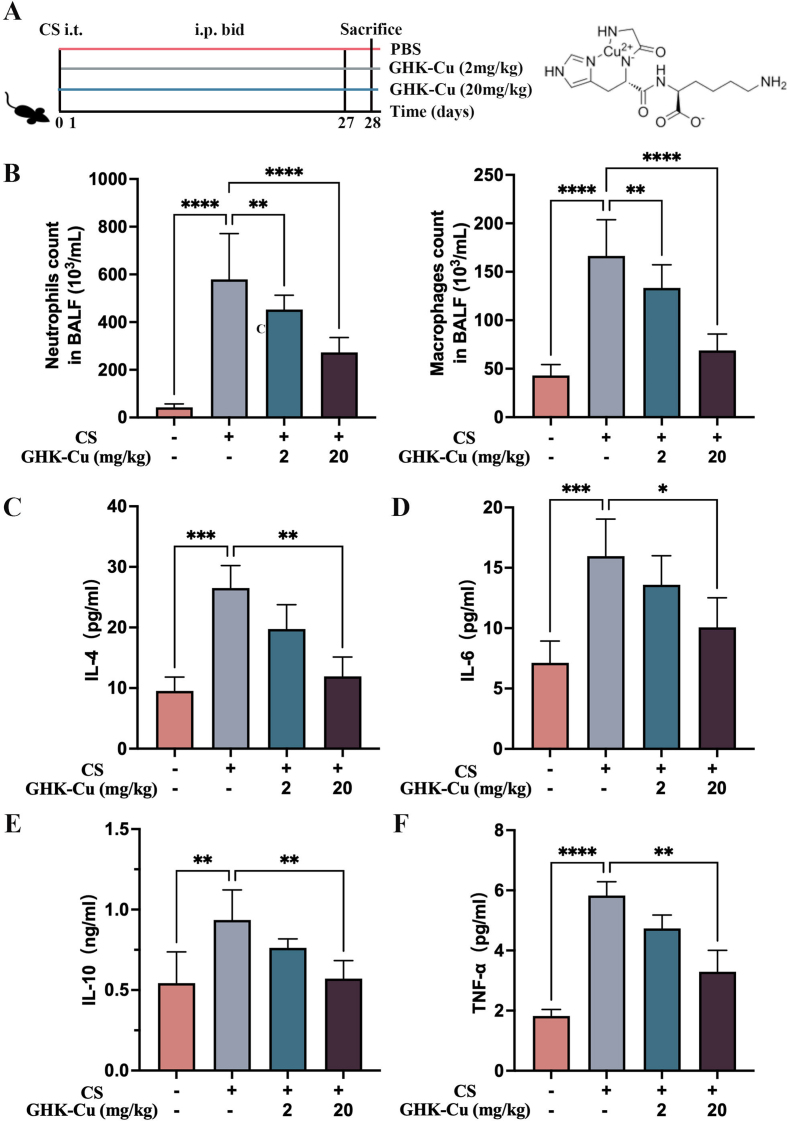
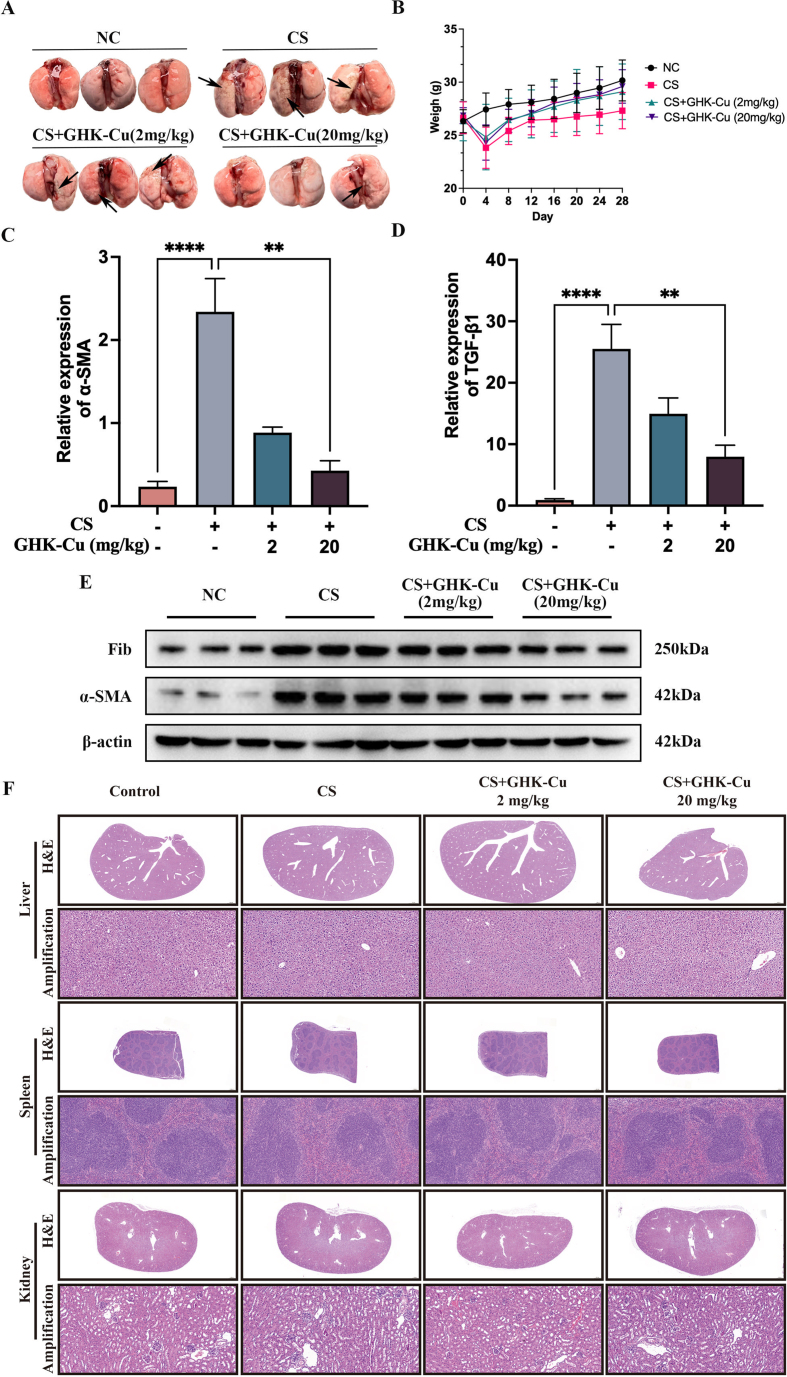
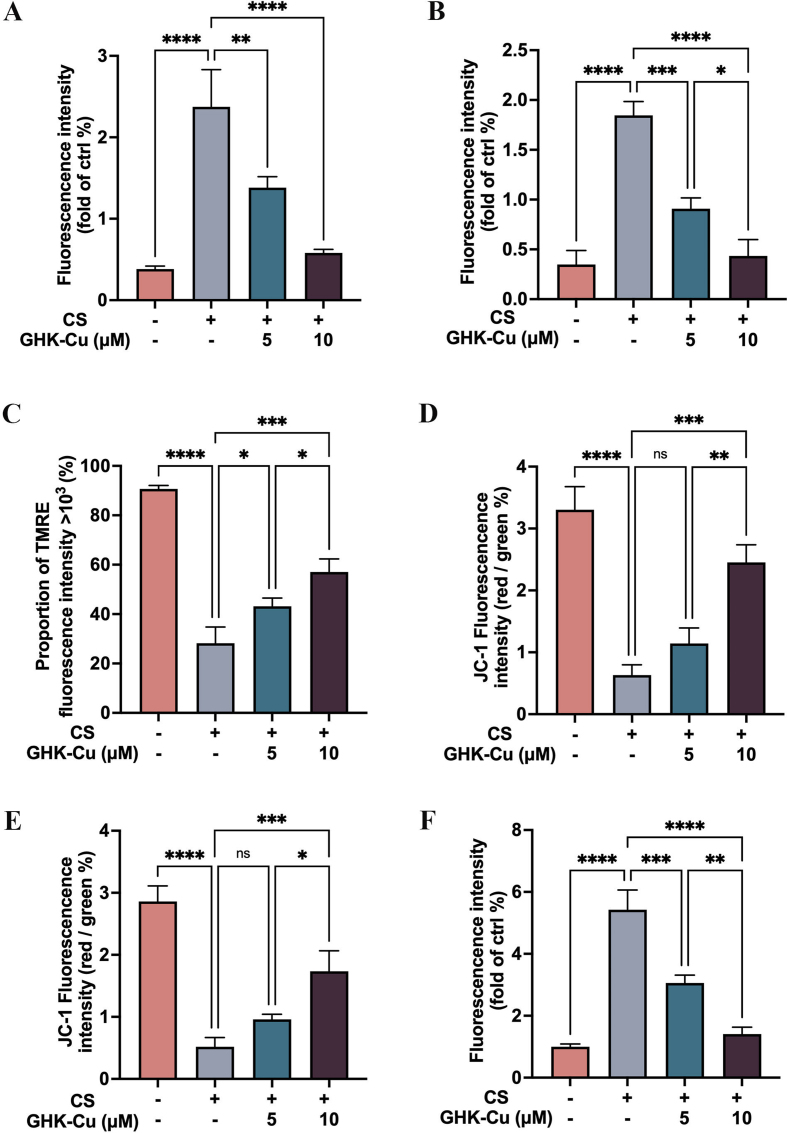
Silicosis is the most common type of pneumoconiosis, having a high incidence in workers chronically exposed to crystalline silica (CS). No specific medication exists for this condition. GHK, a tripeptide naturally occurring in human blood and urine, has antioxidant effects. We aimed to investigate the therapeutic effect of GHK-Cu on silicosis and its potential underlying molecular mechanism. An experimental silicosis mouse model was established to observe the effects of GHK-Cu on lung inflammation and fibrosis. Moreover, the effects of GHK-Cu on the alveolar macrophages (AM) were examined using the RAW264.7 cell line. Its molecular target, peroxiredoxin 6 (PRDX6), has been identified, and GHK-Cu can bind to PRDX6, thus attenuating lung inflammation and fibrosis in silicosis mice without significant systemic toxicity. These effects were partly related to the inhibition of the CS-induced oxidative stress in AM induced by GHK-Cu. Thus, our results suggest that GHK-Cu acts as a potential drug by attenuating alveolar macrophage oxidative stress. This, in turn, attenuates the progression of pulmonary inflammation and fibrosis, which provides a reference for the treatment of silicosis.
硅肺是最常见的尘肺病,长期接触结晶二氧化硅(CS)的工人发病率很高。这种情况没有特定的药物治疗。GHK 是一种三肽,天然存在于人体血液和尿液中,具有抗氧化作用。我们旨在研究 GHK-Cu 对硅肺的治疗作用及其潜在的分子机制。建立了实验性硅肺小鼠模型,观察 GHK-Cu 对肺炎症和纤维化的影响。此外,还使用 RAW264.7 细胞系研究了 GHK-Cu 对肺泡巨噬细胞(AM)的影响。已经确定了其分子靶标过氧化物还原酶 6(PRDX6),GHK-Cu 可以与 PRDX6 结合,从而减轻硅肺小鼠的肺炎症和纤维化,而没有明显的全身毒性。这些作用部分与 GHK-Cu 抑制 CS 诱导的 AM 氧化应激有关。因此,我们的结果表明,GHK-Cu 通过减轻肺泡巨噬细胞氧化应激来发挥潜在的药物作用。这反过来又减轻了肺部炎症和纤维化的进展,为硅肺的治疗提供了参考。