Gennaro Paolo, Gennari Luigi, Latini Linda, Cavati Guido, Vannucchi Margherita, Giovannetti Filippo, Cascino Flavia
Maxillofacial Surgery Unit, Department of Mental Health and Sense Organs, Santa Maria Le Scotte, University Hospital of Siena, Viale Mario Bracci, 16, 53100 Siena, Italy.
Department of Medicine Surgery and Neuroscience, University of Siena, Viale Mario Bracci, 16, 53100 Siena, Italy.
J Clin Med. 2024 May 30;13(11):3233. doi: 10.3390/jcm13113233.
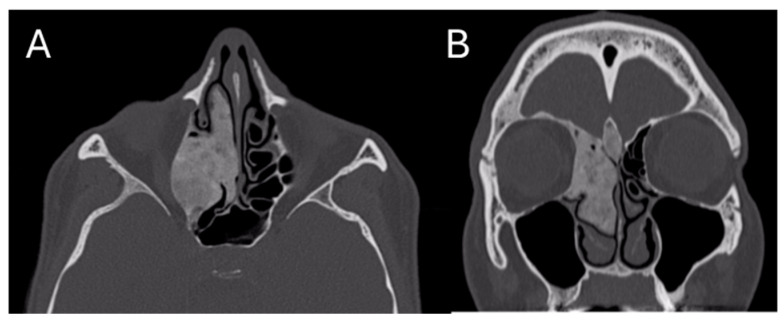
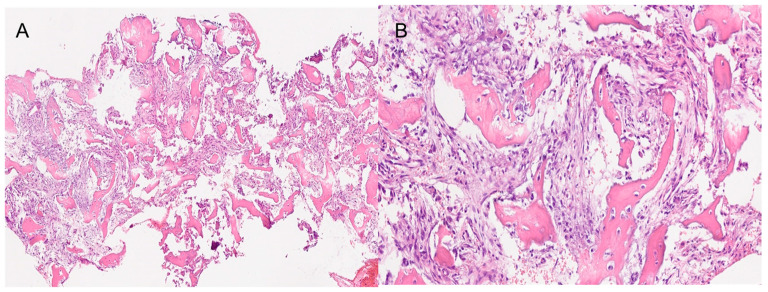
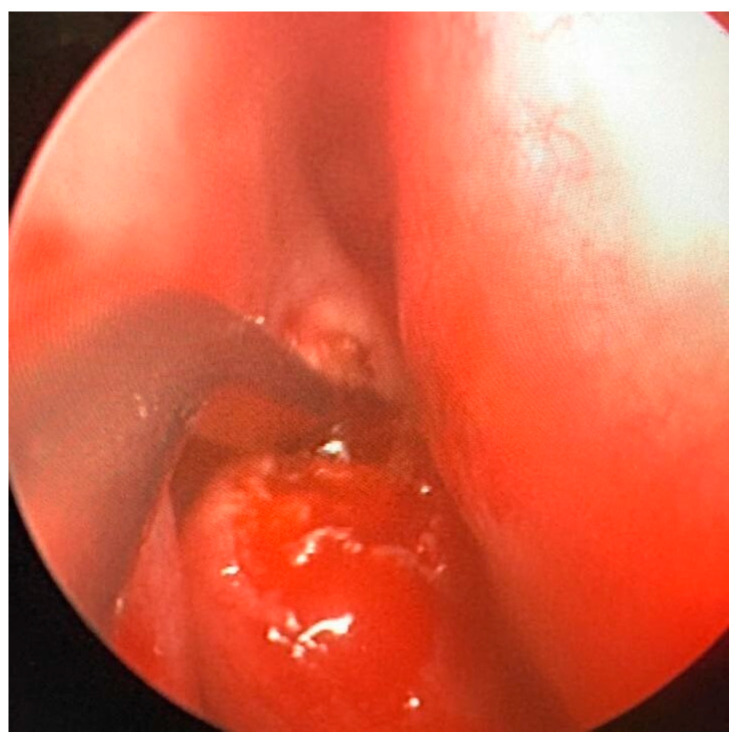
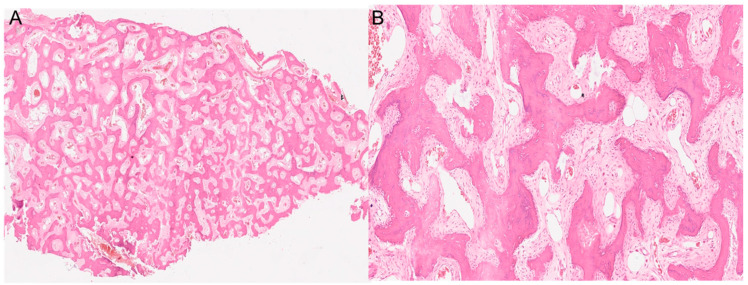
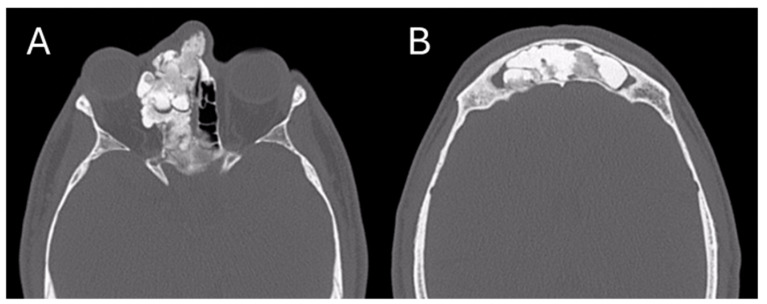
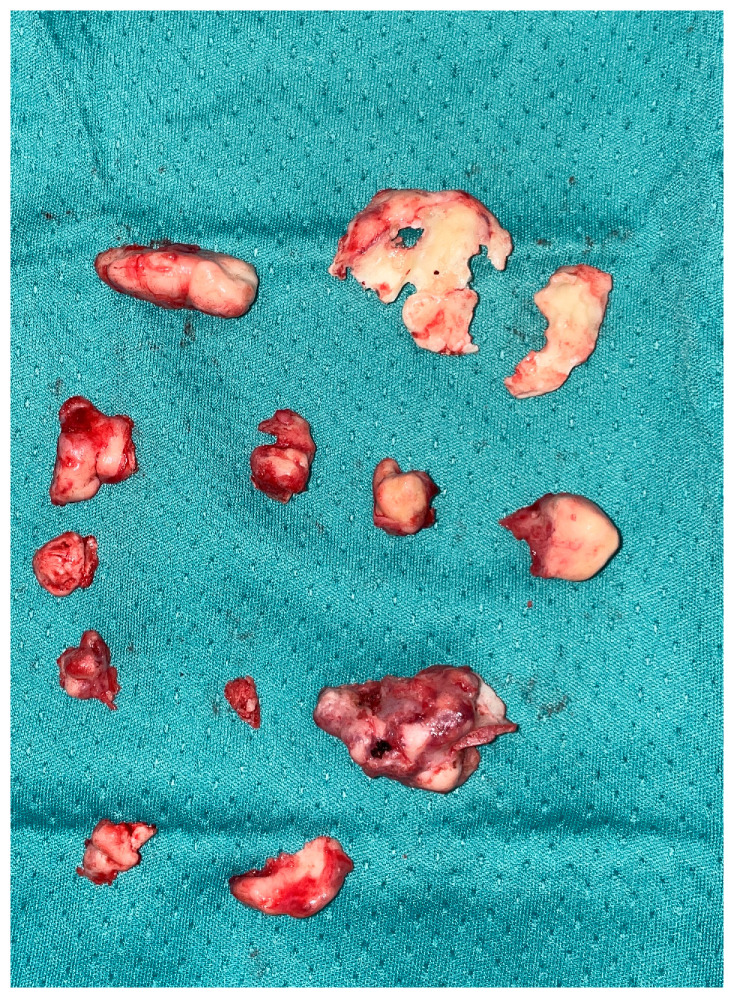
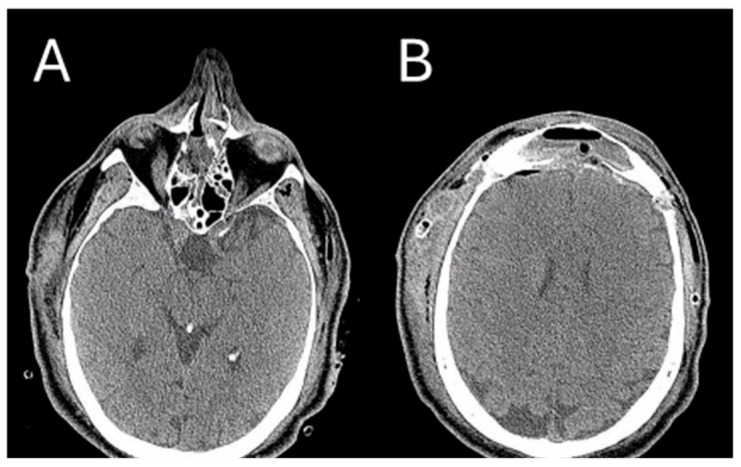
The World Health Organization's (WHO) 2022 update on the classification of odontogenic and maxillofacial bone tumors has revolutionized diagnostic and treatment paradigms by integrating novel molecular insights. Fibro-osseous lesions of the maxillo-facial bones constitute a heterogeneous group encompassing fibrous dysplasia, Psammomatoid Ossifying Fibroma (PSOF), Juvenile Trabecular Ossifying Fibroma (JTOF), and other variants. Despite histological similarities, their distinct clinical manifestations and prognostic implications mandate precise differentiation. The intricacies of diagnosing fibro-osseous lesions pose challenges for pathologists, maxillofacial surgeons, dentists and oral surgeons, underscoring the importance of a systematic approach to ensure optimal patient management. Herein, we present two cases, fibrous dysplasia and Cemento-Ossifying Fibroma, detailing their clinical encounters and management strategies. Both patients provided informed consent for publishing their data and images, adhering to ethical guidelines.
世界卫生组织(WHO)2022年关于牙源性和颌面骨肿瘤分类的更新,通过整合新的分子见解,彻底改变了诊断和治疗模式。颌面骨的纤维-骨病变是一组异质性疾病,包括骨纤维发育不良、砂粒样骨化纤维瘤(PSOF)、青少年小梁骨化纤维瘤(JTOF)及其他变体。尽管它们在组织学上有相似之处,但其不同的临床表现和预后意义要求进行精确鉴别。诊断纤维-骨病变的复杂性给病理学家、颌面外科医生、牙医和口腔外科医生带来了挑战,凸显了采用系统方法以确保最佳患者管理的重要性。在此,我们介绍两例病例,骨纤维发育不良和牙骨质-骨化纤维瘤,详细阐述其临床情况及管理策略。两名患者均已按照伦理准则,就公布其数据和图像提供了知情同意。