Department of Diabetes, School of Translational Medicine, Alfred Medical Research and Education Precinct, Monash University, Melbourne, VIC, Australia.
Department of Anatomy and Physiology, School of Biomedical Sciences, University of Melbourne, Parkville, VIC, Australia.
Nutr Diabetes. 2024 Jun 20;14(1):46. doi: 10.1038/s41387-024-00305-2.
Dietary-resistant starch is emerging as a potential therapeutic tool to limit the negative effects of diabetes on the kidneys. However, its metabolic and immunomodulatory effects have not yet been fully elucidated.
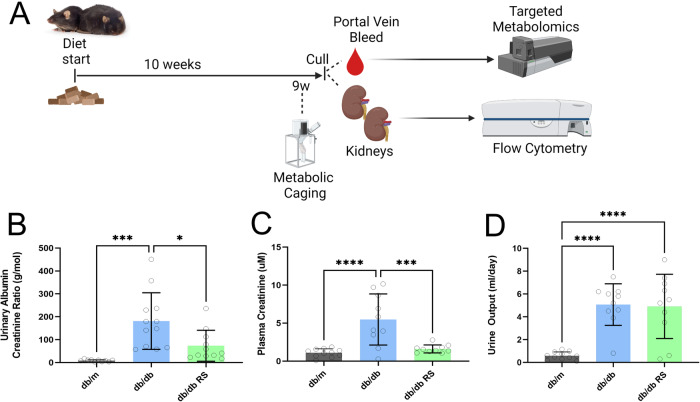
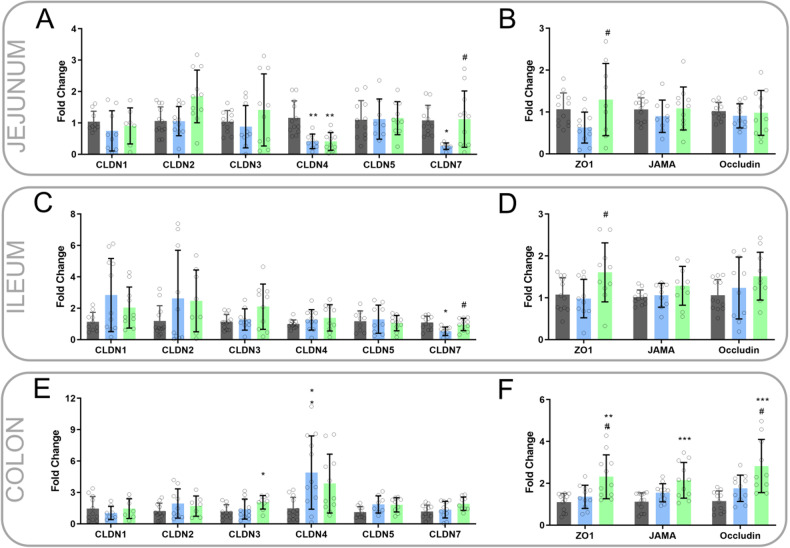
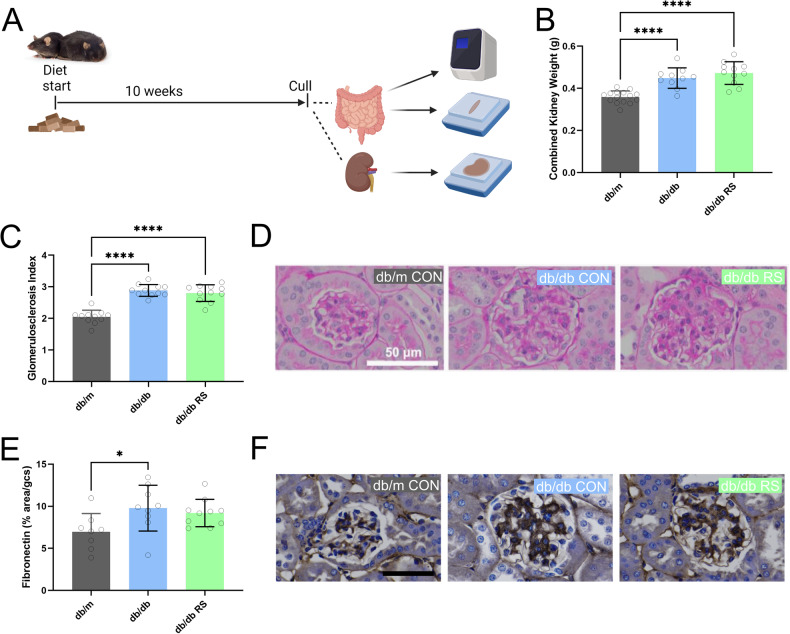
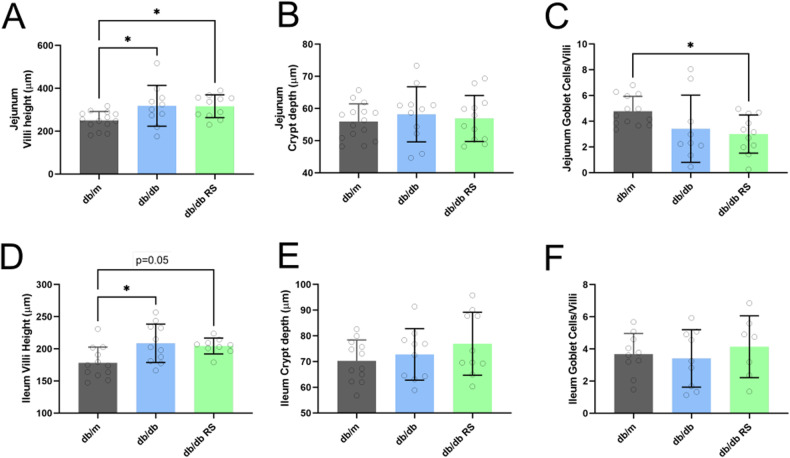
Six-week-old db/db mice were fed a diet containing 12.5% resistant starch or a control diet matched for equivalent regular starch for 10 weeks. db/m mice receiving the control diet were utilised as non-diabetic controls. Freshly collected kidneys were digested for flow cytometry analysis of immune cell populations. Kidney injury was determined by measuring albuminuria, histology, and immunohistochemistry. Portal vein plasma was collected for targeted analysis of microbially-derived metabolites. Intestinal histology and tight junction protein expression were assessed.
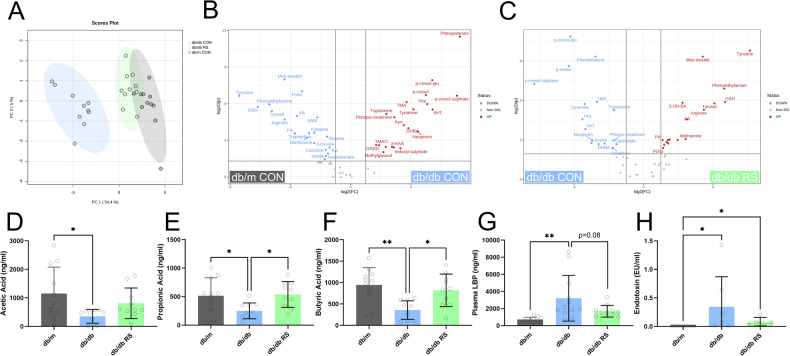
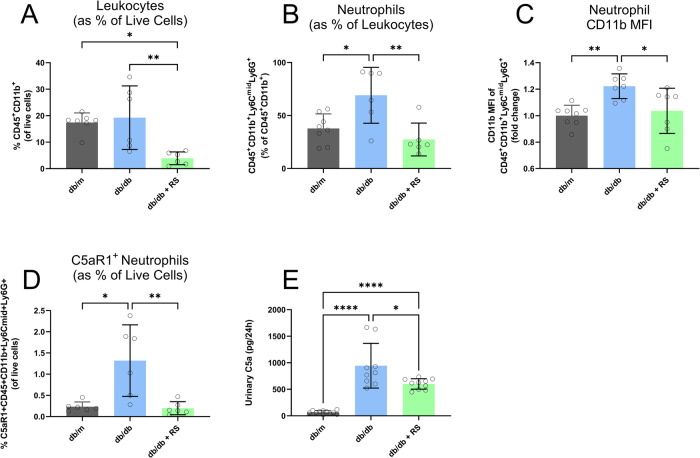
Resistant starch limited the development of albuminuria in db/db mice. Diabetic db/db mice displayed a decline in portal vein plasma levels of acetate, propionate, and butyrate, which was increased with resistant starch supplementation. Diabetic db/db mice receiving resistant starch had a microbially-derived metabolite profile similar to that of non-diabetic db/m mice. The intestinal permeability markers lipopolysaccharide and lipopolysaccharide binding protein were increased in db/db mice consuming the control diet, which was not seen in db/db mice receiving resistant starch supplementation. Diabetes was associated with an increase in the kidney neutrophil population, neutrophil activation, number of C5aR1+ neutrophils, and urinary complement C5a excretion, all of which were reduced with resistant starch. These pro-inflammatory changes appear independent of fibrotic changes in the kidney.
Resistant starch supplementation in diabetes promotes beneficial circulating microbially-derived metabolites and improves intestinal permeability, accompanied by a modulation in the inflammatory profile of the kidney including neutrophil infiltration, complement activation, and albuminuria. These findings indicate that resistant starch can regulate immune and inflammatory responses in the kidney and support the therapeutic potential of resistant starch supplementation in diabetes on kidney health.
膳食纤维抗性淀粉作为一种潜在的治疗工具,可限制糖尿病对肾脏的负面影响。然而,其代谢和免疫调节作用尚未完全阐明。
将 6 周龄 db/db 小鼠喂食含有 12.5%抗性淀粉的饮食或匹配等效常规淀粉的对照饮食 10 周。接受对照饮食的 db/m 小鼠用作非糖尿病对照。新鲜收集的肾脏用于流式细胞术分析免疫细胞群。通过测量蛋白尿、组织学和免疫组织化学来确定肾损伤。收集门静脉血浆进行微生物衍生代谢物的靶向分析。评估肠道组织学和紧密连接蛋白表达。
抗性淀粉可限制 db/db 小鼠蛋白尿的发展。糖尿病 db/db 小鼠门静脉血浆中乙酸盐、丙酸盐和丁酸盐水平下降,而补充抗性淀粉可增加这些水平。接受抗性淀粉补充的糖尿病 db/db 小鼠具有类似于非糖尿病 db/m 小鼠的微生物衍生代谢产物谱。在食用对照饮食的 db/db 小鼠中,肠道通透性标志物脂多糖和脂多糖结合蛋白增加,而在接受抗性淀粉补充的 db/db 小鼠中则没有。糖尿病与肾脏中性粒细胞数量增加、中性粒细胞活化、C5aR1+中性粒细胞数量增加和尿补体 C5a 排泄增加有关,所有这些都可通过抗性淀粉减少。这些促炎变化似乎与肾脏中的纤维化变化无关。
糖尿病患者补充抗性淀粉可促进有益的循环微生物衍生代谢产物,并改善肠道通透性,同时调节肾脏的炎症特征,包括中性粒细胞浸润、补体激活和蛋白尿。这些发现表明,抗性淀粉可调节肾脏的免疫和炎症反应,并支持抗性淀粉补充在糖尿病对肾脏健康的治疗潜力。