IRCCS Centro Neurolesi "Bonino-Pulejo", Via Provinciale Palermo, Contrada Casazza, 98124 Messina, Italy.
Department of Pharmaceutical Sciences, University of Eastern Piedmont, Largo Donegani 2, 28100 Novara, Italy.
Cells. 2024 Jun 10;13(12):1012. doi: 10.3390/cells13121012.
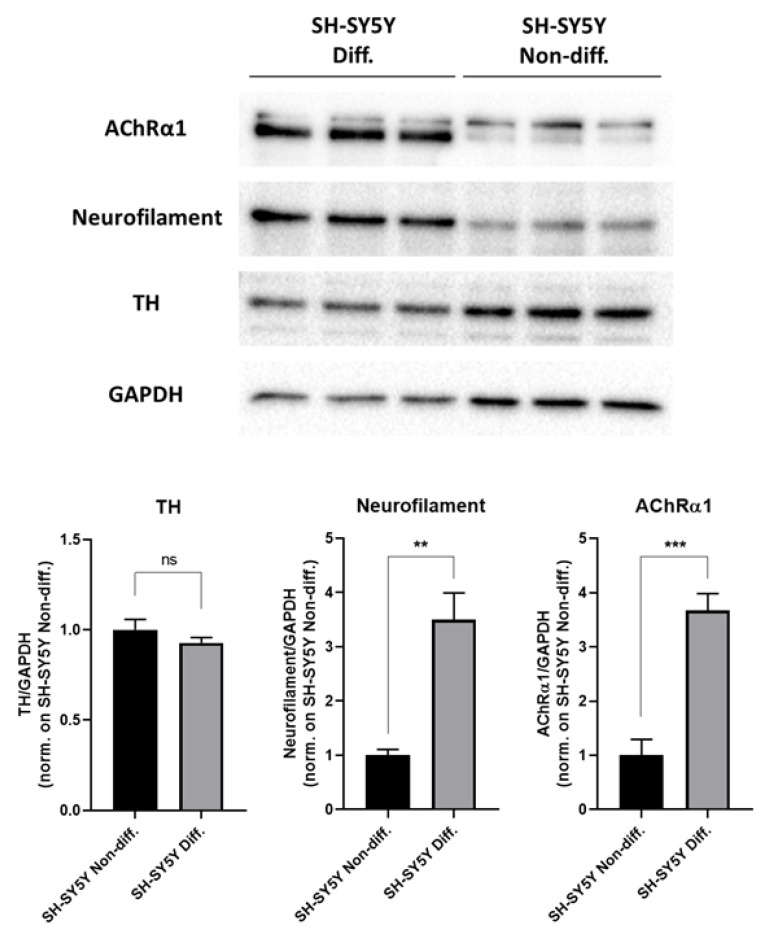
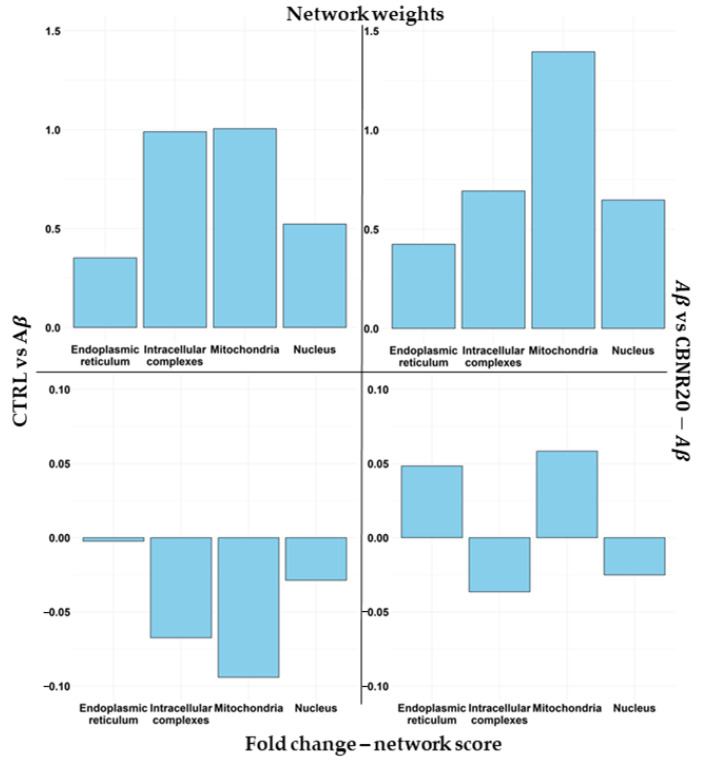
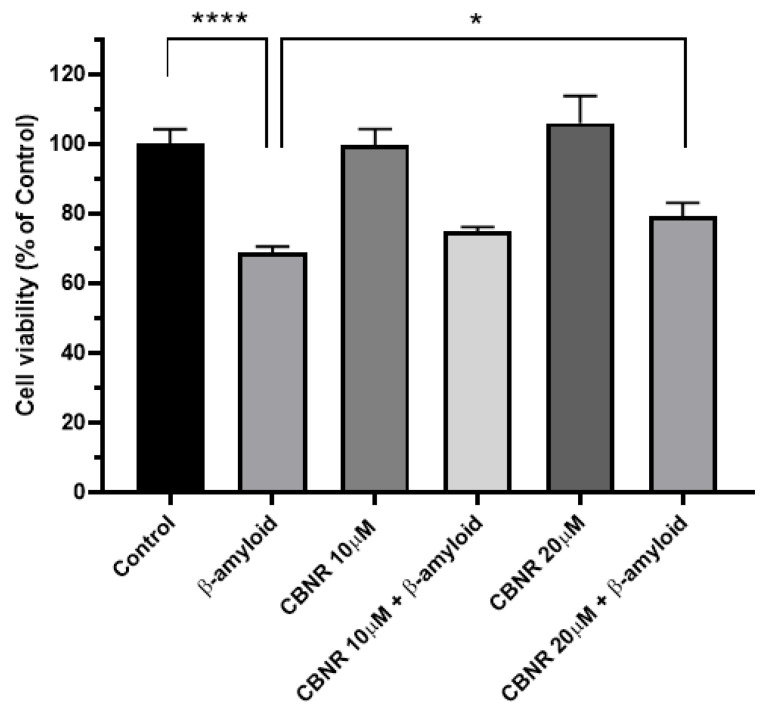
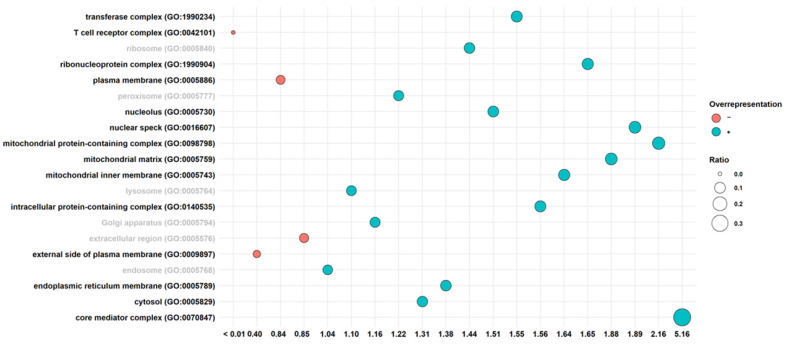
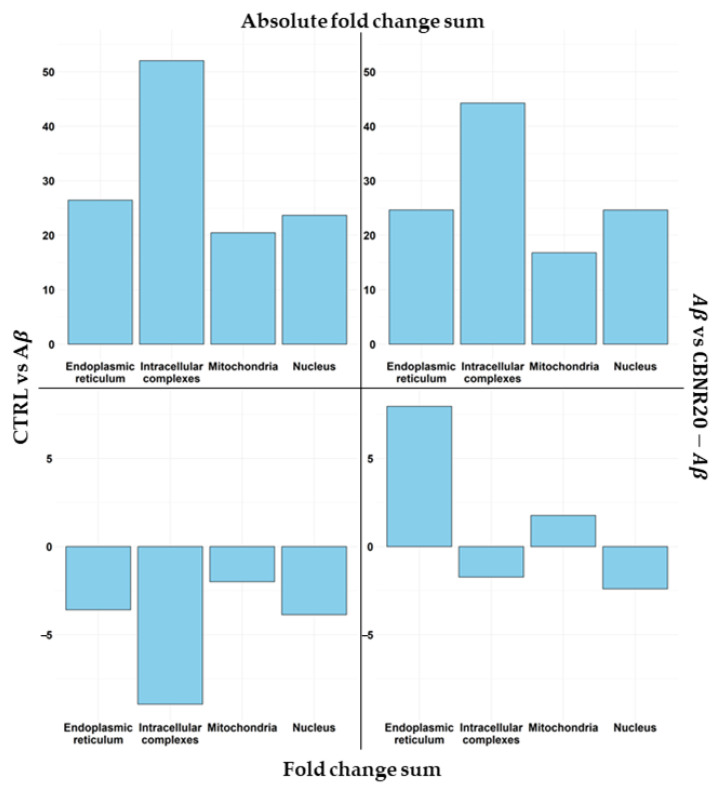
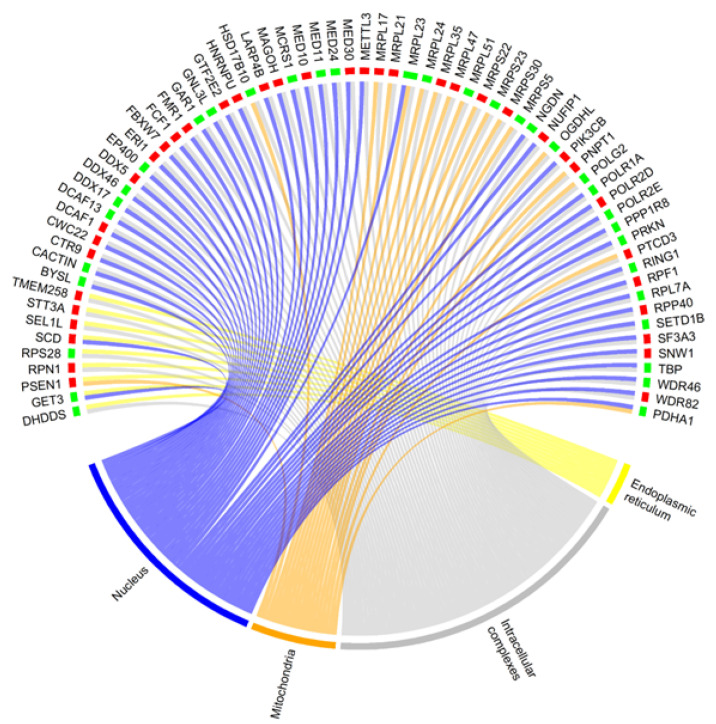
Neurodegenerative disorders are affecting millions of people worldwide, impacting the healthcare system of our society. Among them, Alzheimer's disease (AD) is the most common form of dementia, characterized by severe cognitive impairments. Neuropathological hallmarks of AD are β-amyloid (Aβ) plaques and neurofibrillary tangles, as well as endoplasmic reticulum and mitochondria dysfunctions, which finally lead to apoptosis and neuronal loss. Since, to date, there is no definitive cure, new therapeutic and prevention strategies are of crucial importance. In this scenario, cannabinoids are deeply investigated as promising neuroprotective compounds for AD. In this study, we evaluated the potential neuroprotective role of cannabinerol (CBNR) in an in vitro cellular model of AD via next-generation sequencing. We observed that CBNR pretreatment counteracts the Aβ-induced loss of cell viability of differentiated SH-SY5Y cells. Moreover, a network-based transcriptomic analysis revealed that CBNR restores normal mitochondrial and endoplasmic reticulum functions in the AD model. Specifically, the most important genes regulated by CBNR are related mainly to oxidative phosphorylation (, , , ), protein folding () and degradation (, , ), and glucose () and lipid (, , ) metabolism. Therefore, these results suggest that CBNR could be a new neuroprotective agent helpful in the prevention of AD dysfunctions.
神经退行性疾病正在影响全球数百万人,影响着我们社会的医疗保健系统。其中,阿尔茨海默病(AD)是最常见的痴呆形式,其特征是严重的认知障碍。AD 的神经病理学标志是β-淀粉样蛋白(Aβ)斑块和神经原纤维缠结,以及内质网和线粒体功能障碍,最终导致细胞凋亡和神经元丢失。由于迄今为止尚无明确的治疗方法,因此新的治疗和预防策略至关重要。在这种情况下,大麻素被深入研究为 AD 的有前途的神经保护化合物。在这项研究中,我们通过下一代测序评估了大麻萜醇(CBNR)在 AD 体外细胞模型中的潜在神经保护作用。我们观察到 CBNR 预处理可抵抗 Aβ诱导的分化 SH-SY5Y 细胞活力丧失。此外,基于网络的转录组分析表明,CBNR 可恢复 AD 模型中正常的线粒体和内质网功能。具体而言,CBNR 调节的最重要基因主要与氧化磷酸化(、、、)、蛋白质折叠()和降解(、、)以及葡萄糖()和脂质(、、)代谢有关。因此,这些结果表明 CBNR 可能是一种新的神经保护剂,有助于预防 AD 功能障碍。