School of Biotechnology and Biomolecular Sciences, UNSW Sydney, Sydney, Australia.
School of Biotechnology and Biomolecular Sciences, UNSW Sydney, Sydney, Australia.
J Lipid Res. 2022 Dec;63(12):100295. doi: 10.1016/j.jlr.2022.100295. Epub 2022 Oct 8.
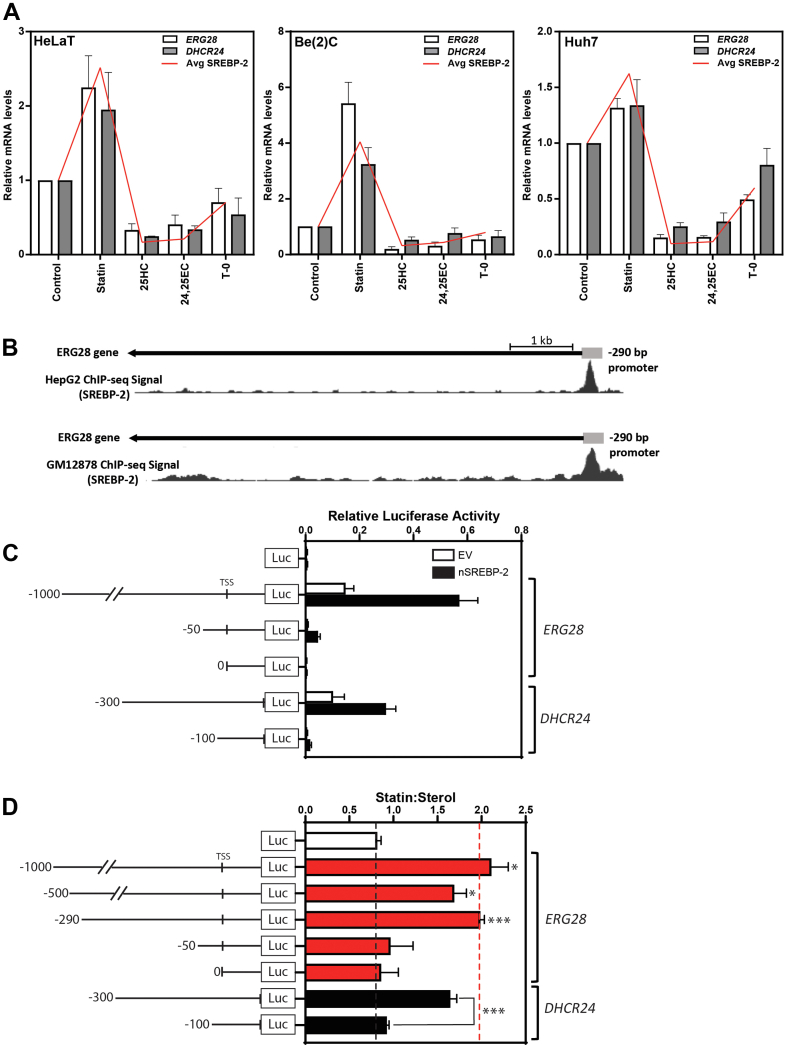
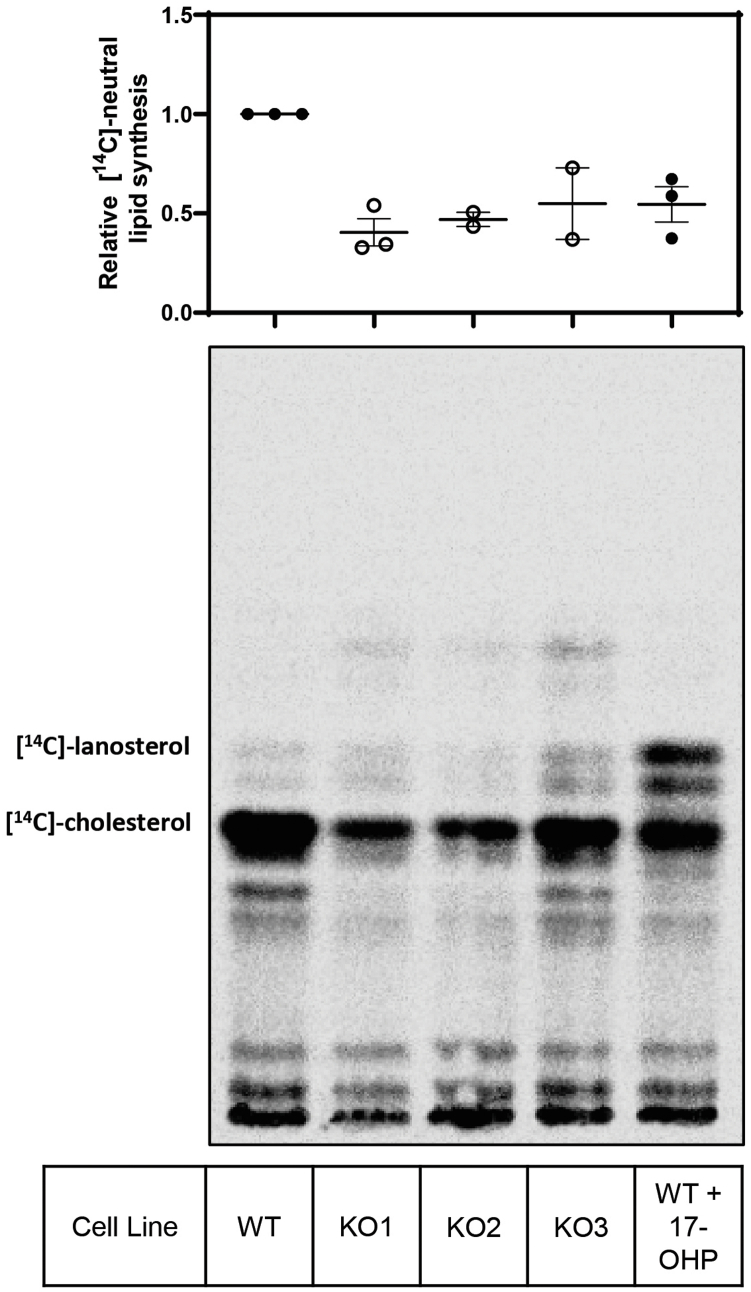
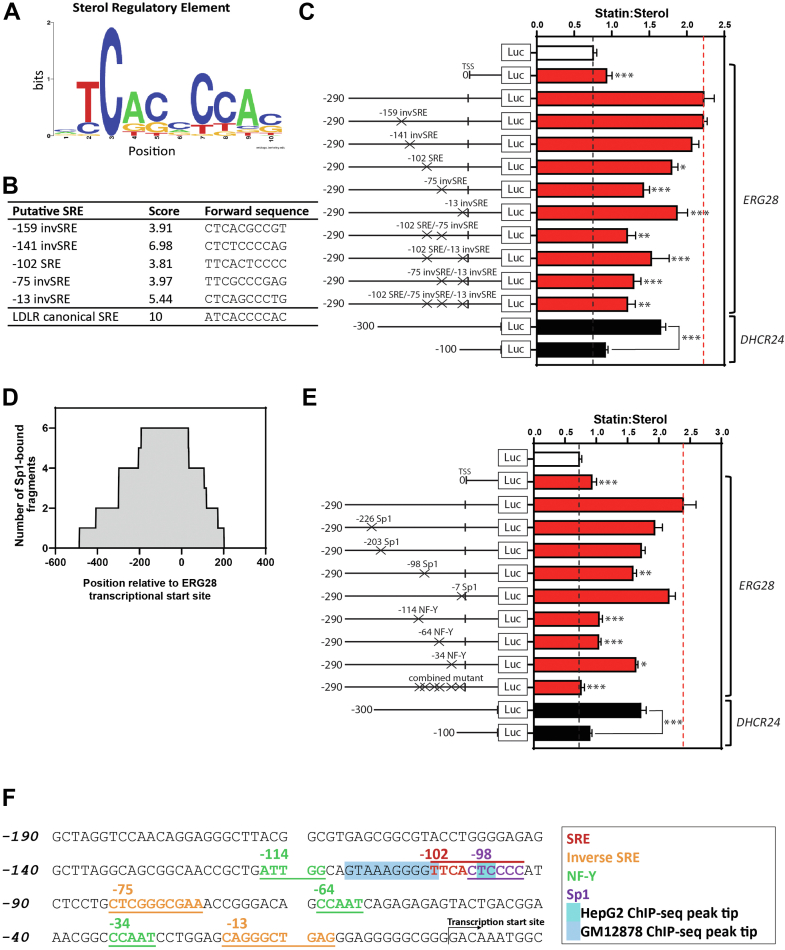
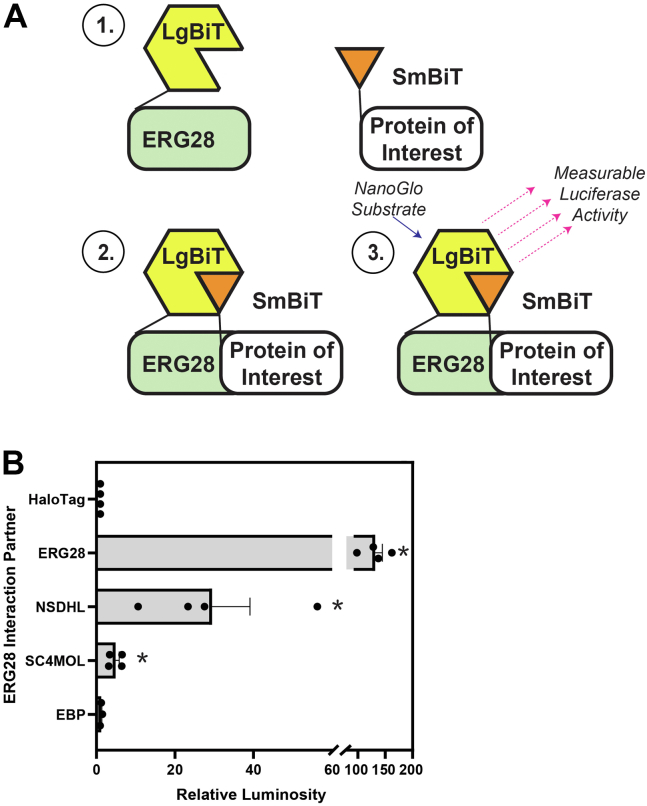
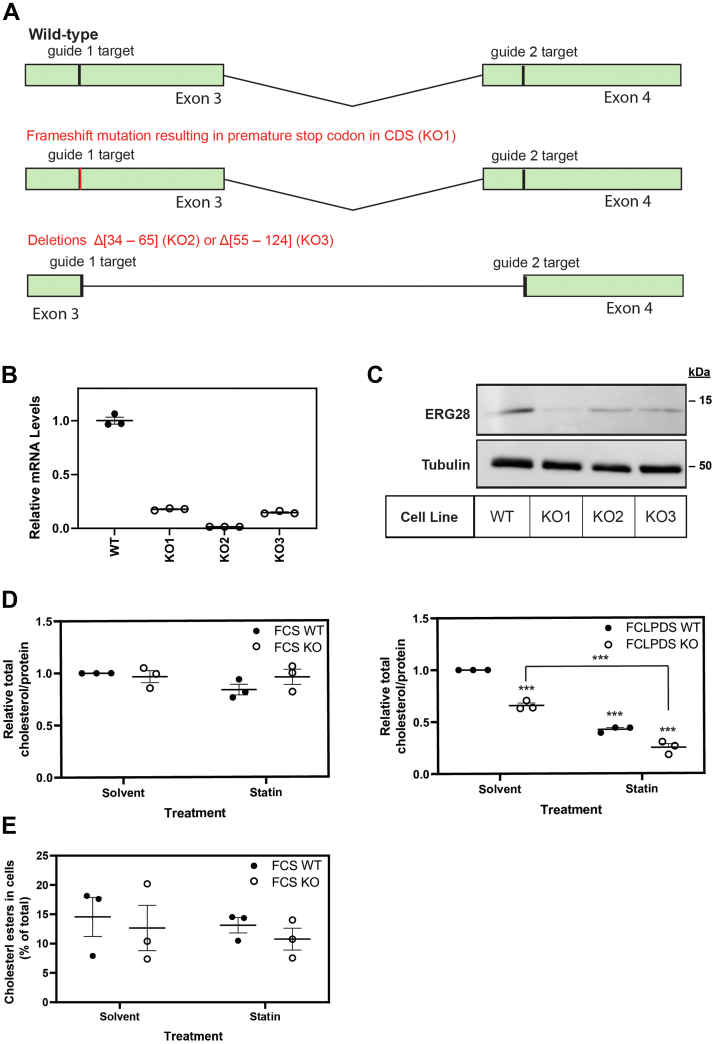
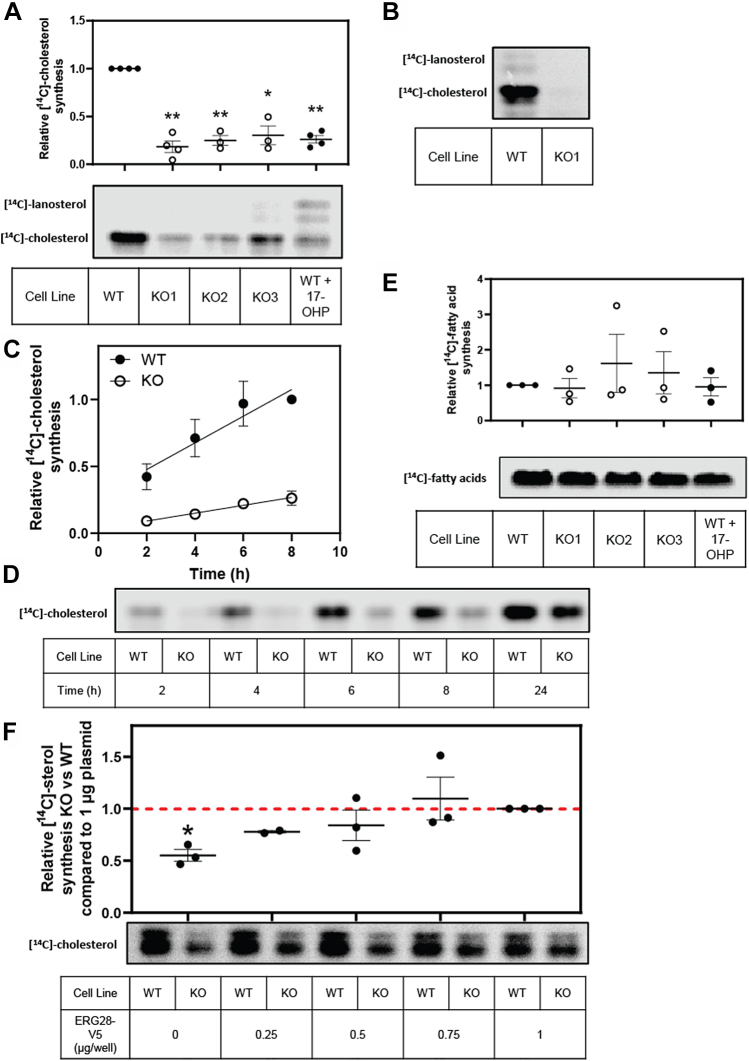
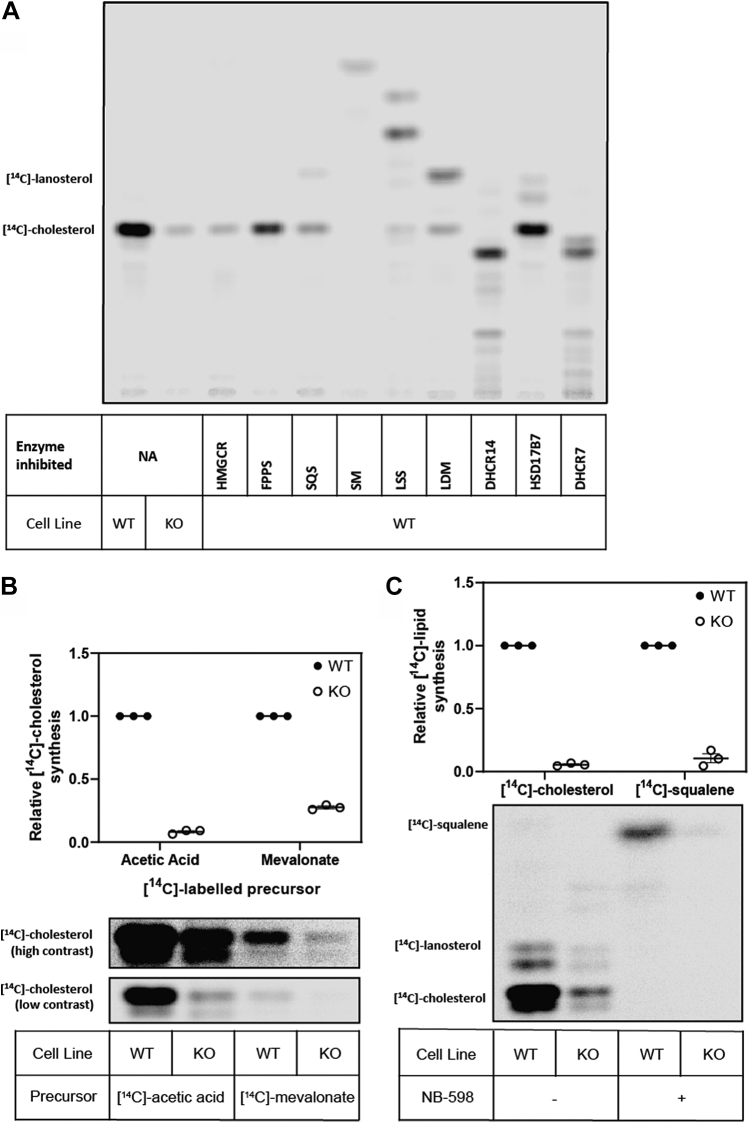
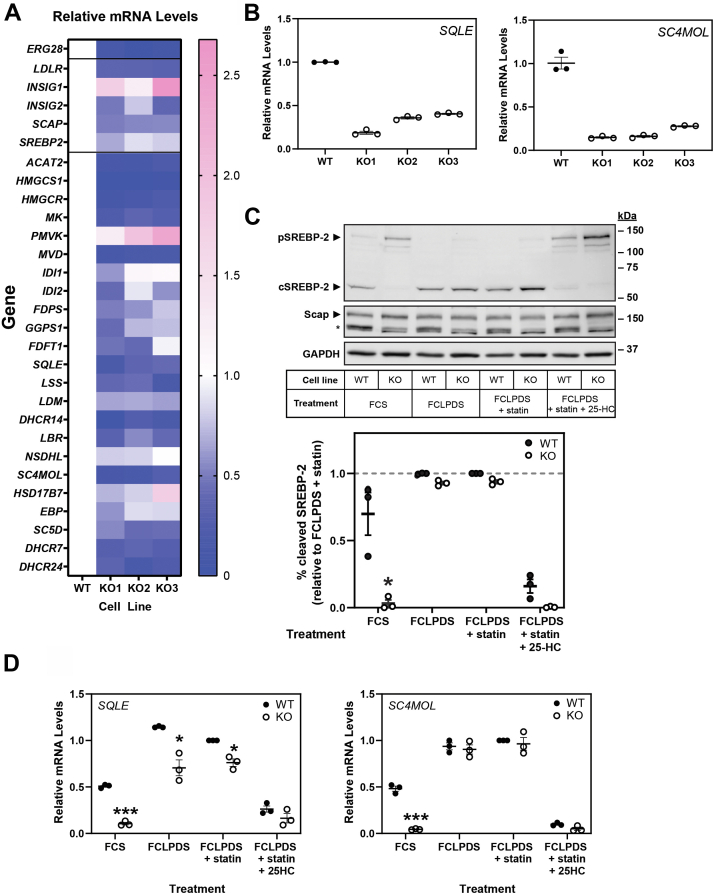
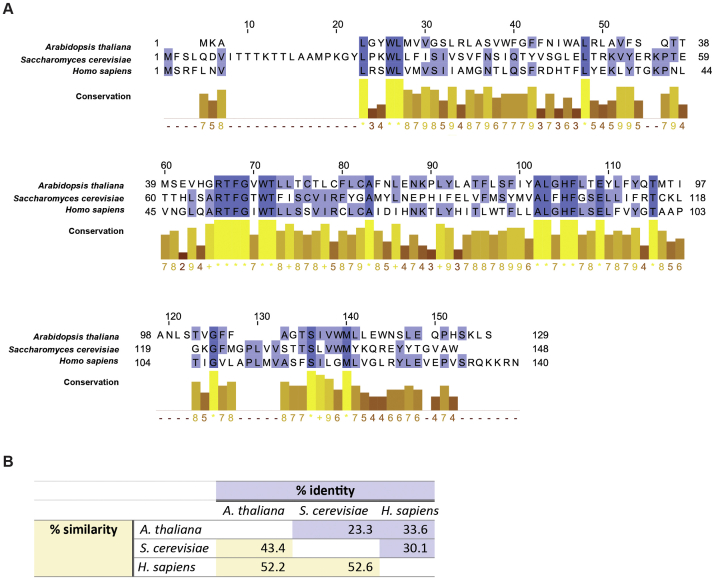
The enzymatic pathway of cholesterol biosynthesis has been well characterized. However, there remain several potential interacting proteins that may play ancillary roles in the regulation of cholesterol production. Here, we identified ERG28 (chromosome 14 open reading frame 1 [C14orf1]), a homologue of the yeast protein Erg28p, as a player in mammalian cholesterol synthesis. ERG28 is conserved from yeast to humans but has been largely overlooked in mammals. Using quantitative RT-PCR, luciferase assays, and publicly available chromatin immunoprecipitation sequencing data, we found that transcription of this gene is driven by the transcription factor SREBP-2, akin to most cholesterol synthesis enzymes, as well as identifying sterol-responsive elements and cofactor binding sites in its proximal promoter. Based on a split luciferase system, ERG28 interacted with itself and two enzymes of cholesterol synthesis (NSDHL and SC4MOL). Huh7 ERG28-KO cell lines were generated, revealing reduced total cholesterol levels in sterol-depleted environments. In addition, radiolabeled metabolic flux assays showed a 60-75% reduction in the rate of cholesterol synthesis in the KO versus wild-type cells, which could be rescued by expression of ectopic ERG28. Unexpectedly, KO of ERG28 also impaired the activation of SREBP-2 under sterol-replete conditions, by a yet-to-be defined mechanism. These results indicate that ERG28 is clearly involved in cholesterol synthesis, although the precise role this noncatalytic protein plays in this complex metabolic pathway remains to be fully elucidated. A deeper understanding of ERG28, and other ancillary proteins of cholesterol synthesis, may help inform therapeutic strategies for diseases associated with aberrant cholesterol metabolism.
胆固醇生物合成的酶促途径已经得到很好的描述。然而,仍然有几个潜在的相互作用的蛋白质,可能在胆固醇产生的调节中发挥辅助作用。在这里,我们鉴定了 ERG28(染色体 14 开放阅读框 1 [C14orf1]),酵母蛋白 erg28p 的同源物,作为哺乳动物胆固醇合成中的一个参与者。ERG28 从酵母到人类都是保守的,但在哺乳动物中却被忽视了。使用定量 RT-PCR、荧光素酶测定和公开的染色质免疫沉淀测序数据,我们发现该基因的转录受转录因子 SREBP-2 驱动,与大多数胆固醇合成酶类似,同时也确定了其近端启动子中的固醇反应元件和辅助因子结合位点。基于分裂荧光素酶系统,ERG28 与自身和两种胆固醇合成酶(NSDHL 和 SC4MOL)相互作用。生成了 Huh7 ERG28-KO 细胞系,在固醇耗尽的环境中发现总胆固醇水平降低。此外,放射性标记的代谢通量测定显示,KO 细胞与野生型细胞相比,胆固醇合成率降低了 60-75%,通过表达异位 ERG28 可以挽救。出乎意料的是,在固醇充足的条件下,KO 也会损害 SREBP-2 的激活,其确切机制尚待确定。这些结果表明,ERG28 显然参与了胆固醇合成,尽管这种非催化蛋白在这个复杂的代谢途径中的确切作用仍有待充分阐明。对 ERG28 及其他胆固醇合成辅助蛋白的深入了解,可能有助于为与异常胆固醇代谢相关的疾病提供治疗策略。