Gazelakis Efthimios, Judge Roy B, Palamara Joseph E A, Subramanian Shiva, Nazir Mohsin
Melbourne Dental School, University of Melbourne, Parkville, VIC 3052, Australia.
Department of Prosthodontics, Melbourne Dental School, University of Melbourne, Parkville, VIC 3052, Australia.
Bioengineering (Basel). 2024 May 23;11(6):532. doi: 10.3390/bioengineering11060532.
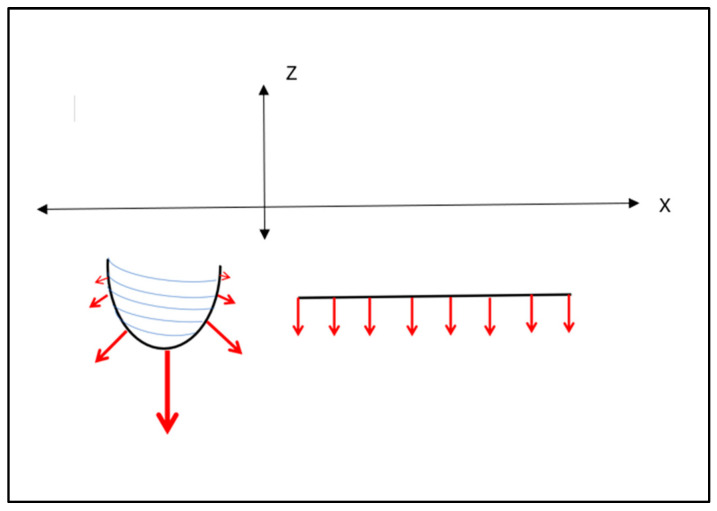
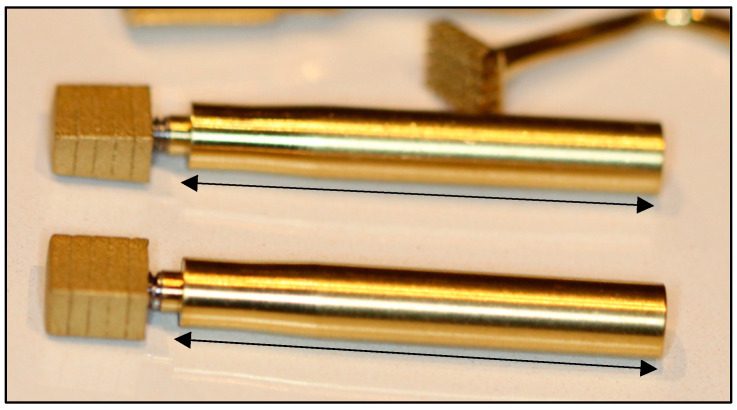
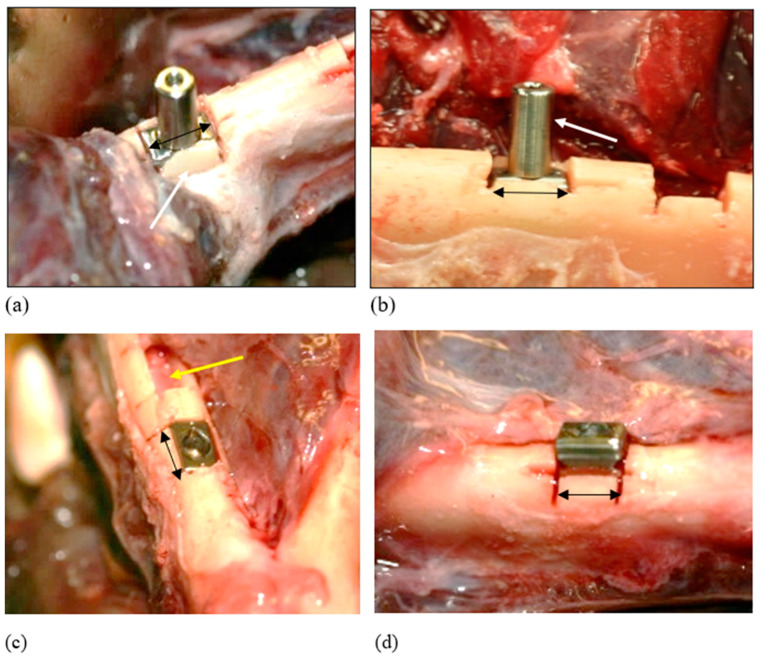
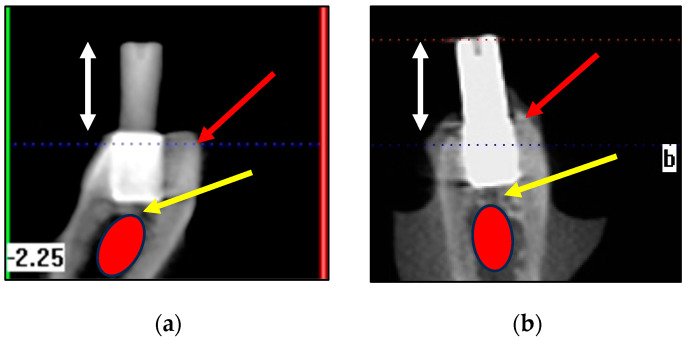
Rectangular Block Implant (RBIs) were manufactured, using computer-aided-design lathe turning, surface roughened with grit blasting and gamma irradiated. Implants were surgically placed into the resorbed edentulous mandibular ridges of both greyhound dogs (ex vivo and in vivo) and humans; the pooled total was 17 placements. The aim was to achieve mechanical stability and full implant submergence without damage to the mandibular canal and without bone fracture: fulfilment of all of these criteria was deemed to be a successful surgical outcome. Rectangular osteotomy sites were prepared with piezo surgical instrumentation. Sixteen implants were fully submerged and achieved good primary stability without bone fracture and without evidence of impingement of the mandibular canal. One implant placement was deemed a failure due to bone fracture: the event of a random successful outcome was rejected ( < 0.01 confidence, binomial analysis). Technique of placement yielded excellent mechanical retention: key biomechanical factors that emerged in this process included under preparation of the osteotomy site with the use of specifically designed trial-fit gauges, the viscoelastic property of the peri-implant bone, the flat faces and cornered edges of the block surfaces which enhance stress distribution and mechanical retention, respectively. It was concluded that the surgical protocol for the RBI placement in the resorbed alveolus is a predictable clinical procedure tailored to its specific, unique biomechanical profile.
采用计算机辅助设计的车床车削工艺制造矩形块状种植体(RBIs),通过喷砂处理使其表面粗糙化,并进行γ射线辐照。将种植体通过手术植入灵缇犬(体外和体内)及人类的吸收性无牙下颌牙槽嵴中;总共植入了17枚。目的是实现机械稳定性和种植体完全埋入,同时不损伤下颌管且不发生骨折:满足所有这些标准被视为手术成功。使用压电手术器械制备矩形截骨部位。16枚种植体完全埋入,实现了良好的初期稳定性,未发生骨折且无下颌管受撞击的迹象。1次种植体植入因骨折被判定失败:随机成功结果的事件被排除(二项式分析,置信度<0.01)。植入技术产生了优异的机械固位力:在此过程中出现的关键生物力学因素包括使用专门设计的试戴规对截骨部位进行欠预备、种植体周围骨的粘弹性特性、块状表面的平面和带角边缘,分别增强了应力分布和机械固位力。得出的结论是,在吸收性牙槽嵴中植入RBIs的手术方案是一种针对其特定、独特生物力学特征的可预测临床程序。