Raustad Nicole, Dai Yunfei, Iinishi Akira, Mohapatra Arpita, Soo Mark W, Hay Everett, Hernandez Gabrielle M, Geisinger Edward
Department of Biology, Northeastern University, Boston, MA 02115, USA.
Antimicrobial Discovery Center, Department of Biology, Northeastern University, Boston, MA 02115, USA.
bioRxiv. 2024 Jul 1:2024.06.16.599214. doi: 10.1101/2024.06.16.599214.
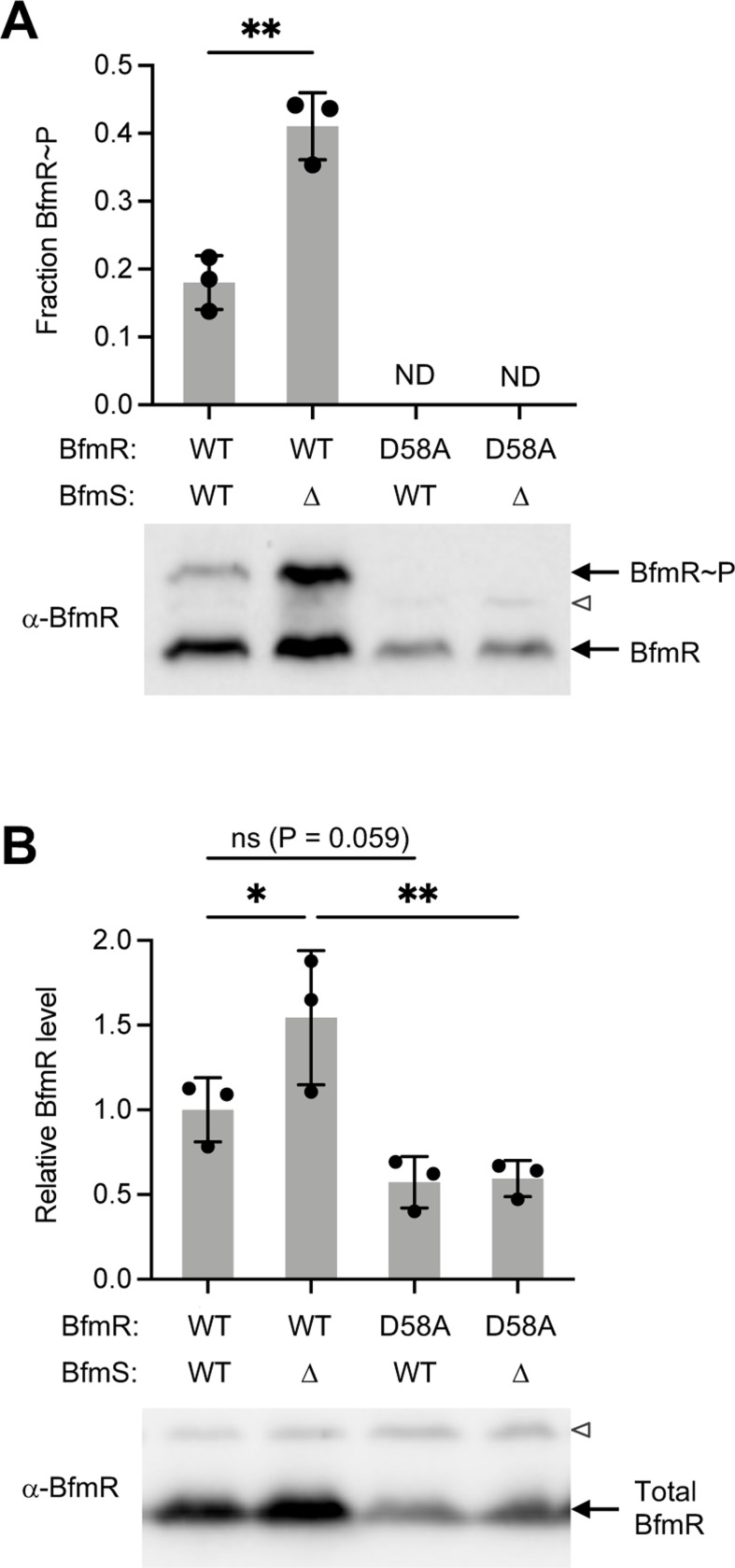
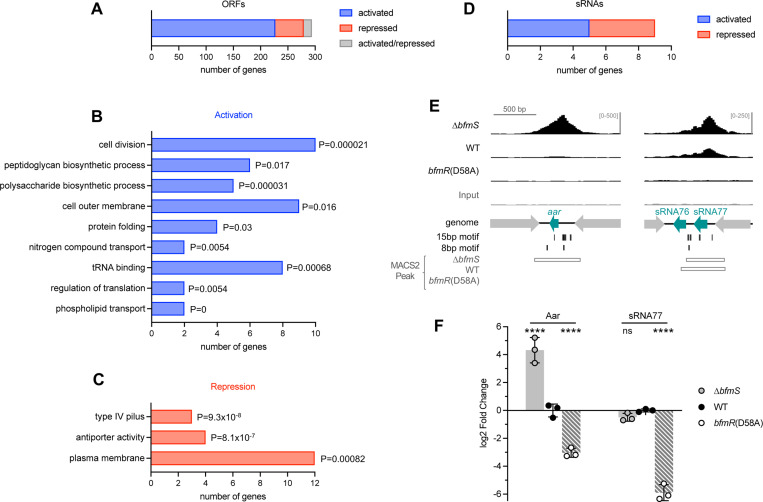
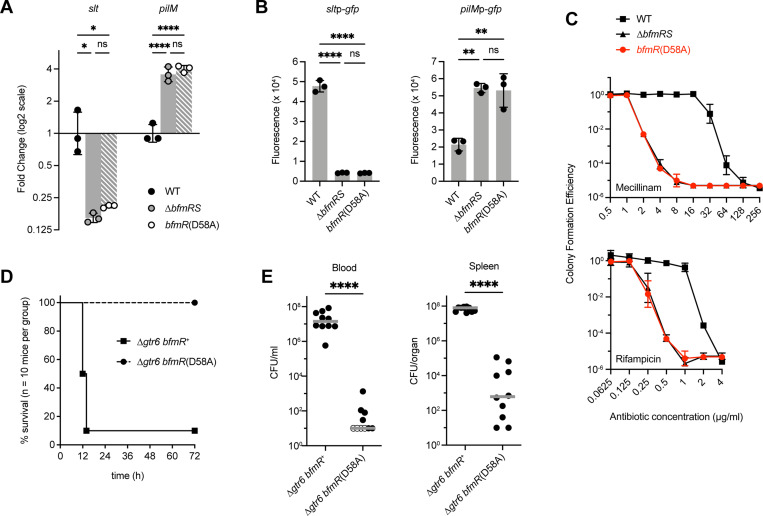
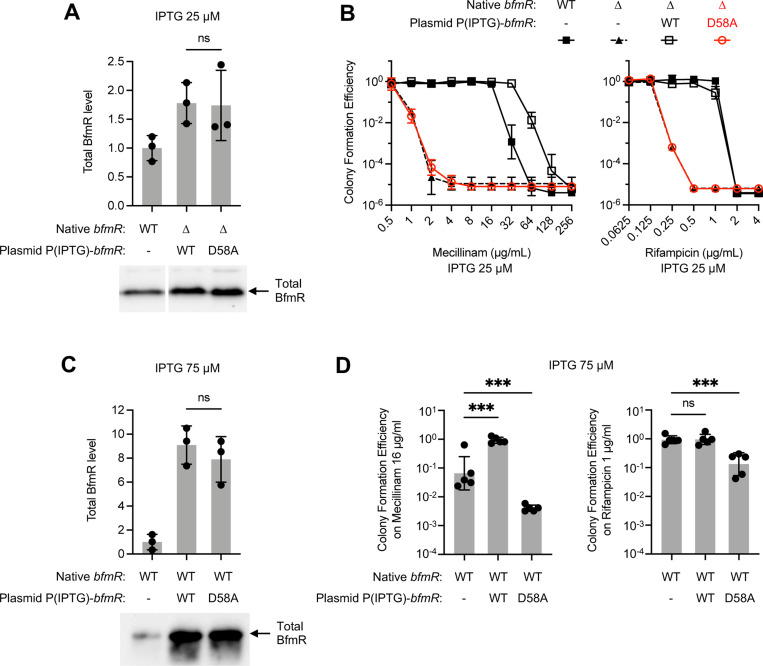
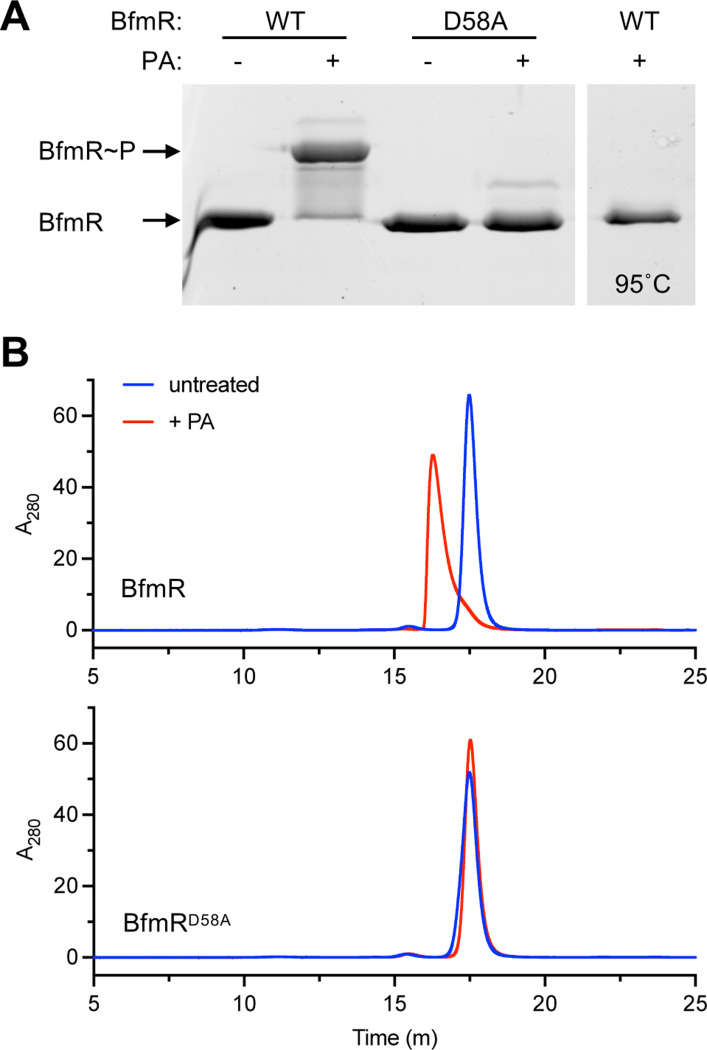
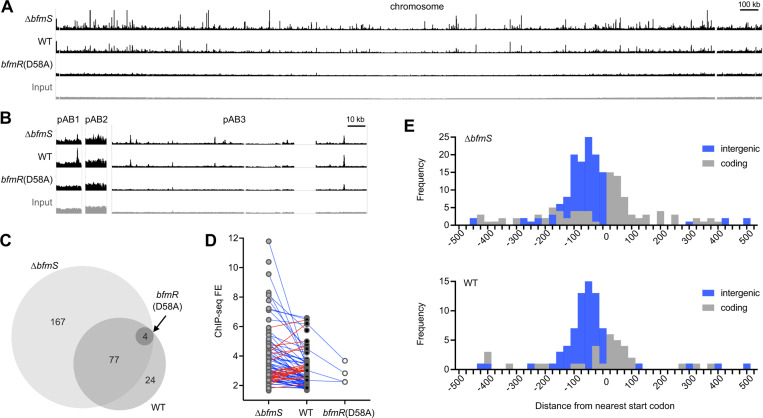
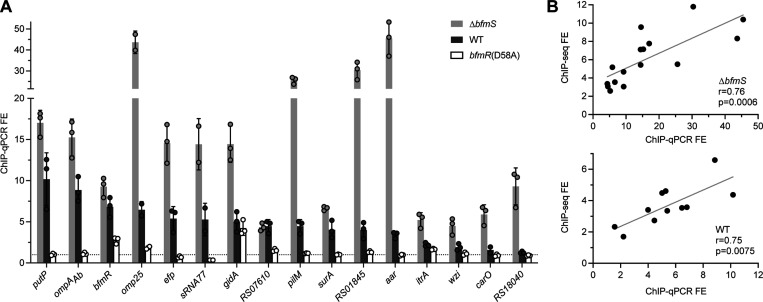
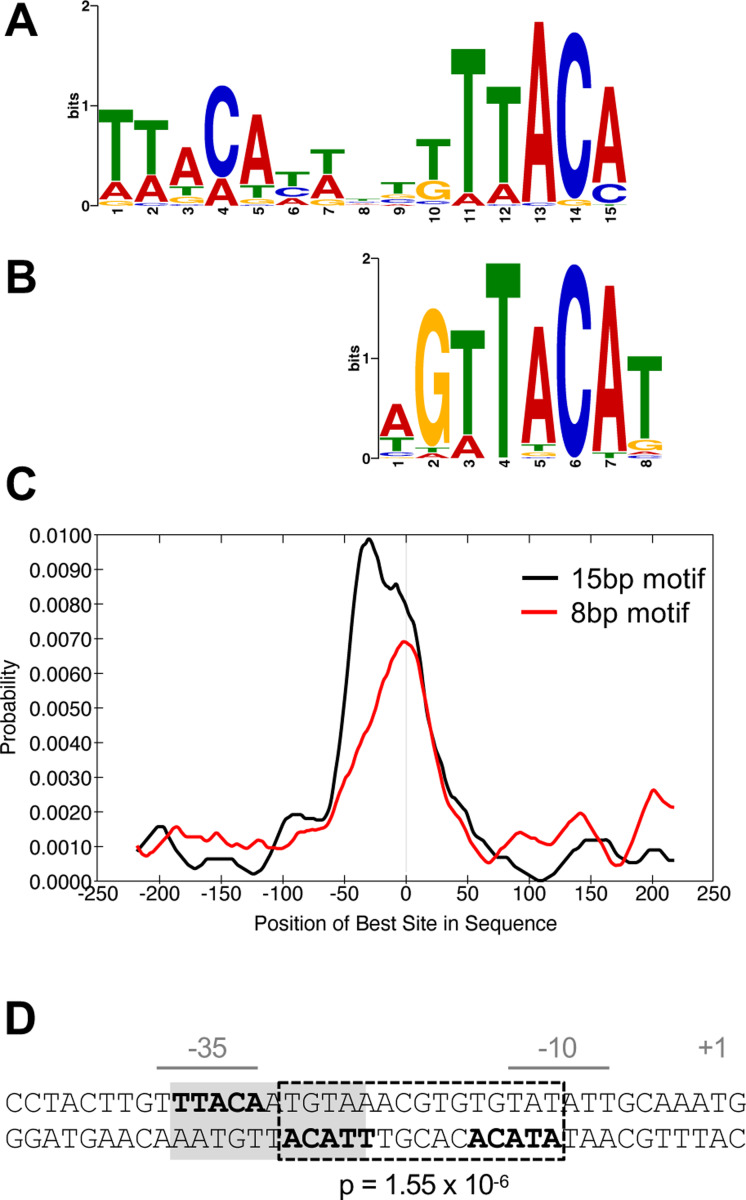
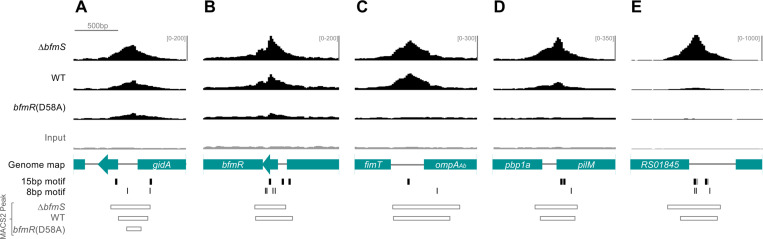
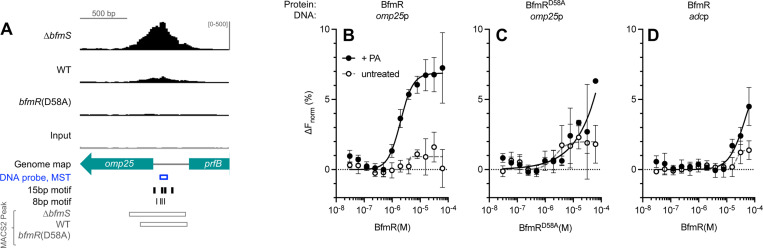
The nosocomial pathogen is a major threat to human health. The sensor kinase-response regulator system, BfmS-BfmR, is essential to multidrug resistance and virulence in the bacterium and represents a potential antimicrobial target. Important questions remain about how the system controls resistance and pathogenesis. Although BfmR knockout alters expression of >1000 genes, its direct regulon is undefined. Moreover, how phosphorylation controls the regulator is unclear. Here, we address these problems by combining mutagenesis, ChIP-seq, and in vitro phosphorylation to study the functions of phospho-BfmR. We show that phosphorylation is required for BfmR-mediated gene regulation, antibiotic resistance, and sepsis development in vivo. Consistent with activating the protein, phosphorylation induces dimerization and target DNA affinity. Integrated analysis of genome-wide binding and transcriptional profiles of BfmR led to additional key findings: (1) Phosphorylation dramatically expands the number of genomic sites BfmR binds; (2) DNA recognition involves a direct repeat motif widespread across promoters; (3) BfmR directly regulates 303 genes as activator (eg, capsule, peptidoglycan, and outer membrane biogenesis) or repressor (pilus biogenesis); (4) BfmR controls several non-coding sRNAs. These studies reveal the centrality of a phosphorylation signal in driving disease and disentangle the extensive pathogenic gene-regulatory network under its control.
医院病原体是对人类健康的重大威胁。传感激酶-反应调节系统BfmS-BfmR对于该细菌的多重耐药性和毒力至关重要,是一个潜在的抗菌靶点。关于该系统如何控制耐药性和发病机制仍存在重要问题。尽管敲除BfmR会改变1000多个基因的表达,但其直接调控的基因座尚未明确。此外,磷酸化如何控制该调节因子尚不清楚。在这里,我们通过结合诱变、染色质免疫沉淀测序(ChIP-seq)和体外磷酸化来研究磷酸化BfmR的功能,从而解决这些问题。我们表明,磷酸化是BfmR介导的基因调控、抗生素耐药性和体内脓毒症发展所必需的。与激活该蛋白一致,磷酸化诱导二聚化和对靶DNA的亲和力。对BfmR全基因组结合和转录谱的综合分析得出了其他关键发现:(1)磷酸化极大地增加了BfmR结合的基因组位点数量;(2)DNA识别涉及一个广泛存在于启动子中的直接重复基序;(3)BfmR作为激活因子(如荚膜、肽聚糖和外膜生物合成)或抑制因子(菌毛生物合成)直接调控303个基因;(4)BfmR控制几种非编码小RNA。这些研究揭示了磷酸化信号在驱动疾病中的核心作用,并解开了其控制下广泛的致病基因调控网络。