
淡水湿地在洪水控制中的作用:水文周期调控如何影响植物和无脊椎动物群落。
Freshwater wetlands for flood control: How manipulating the hydroperiod affects plant and invertebrate communities.
机构信息
Department of Biology and Biochemistry, University of Houston, Houston, Texas, United States of America.
Department of Civil and Environmental Engineering, Florida International University, Miami, Florida, United States of America.
出版信息
PLoS One. 2024 Jul 3;19(7):e0306578. doi: 10.1371/journal.pone.0306578. eCollection 2024.
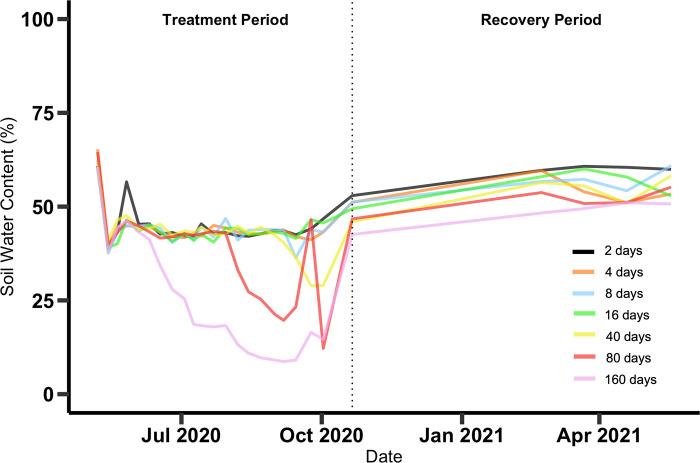
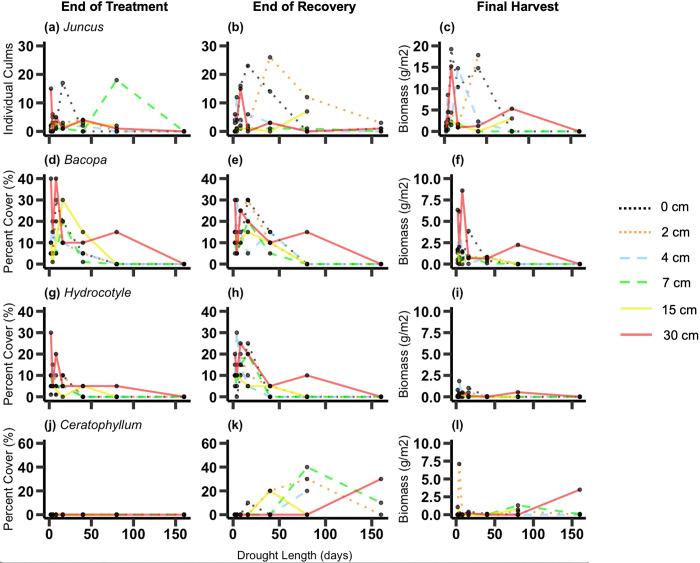
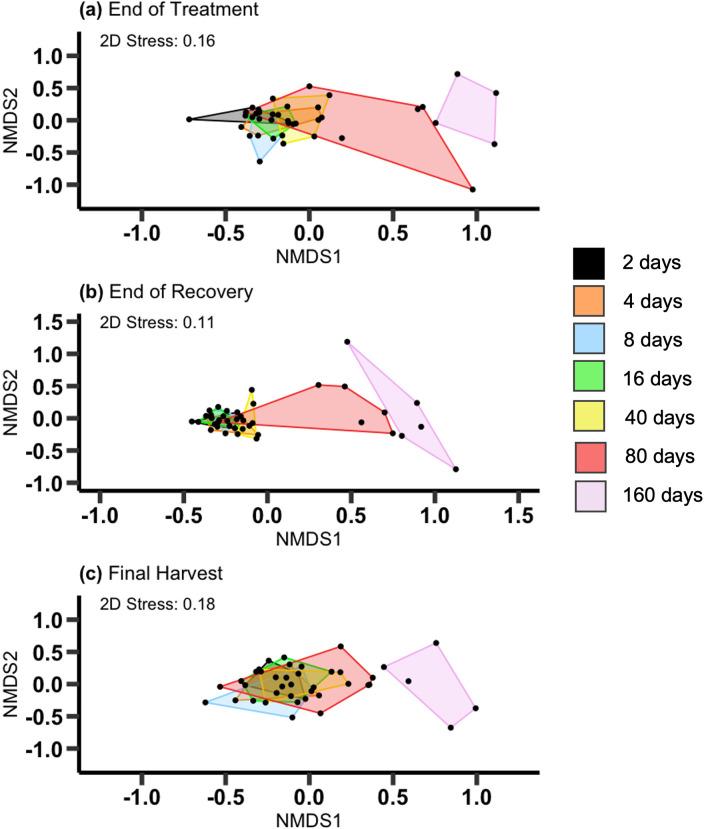
Thoughtfully managed hydroperiods in natural and artificial wetlands could potentially provide a combination of desirable flood control services and high ecological functions. To explore how managed freshwater wetlands typical of the Houston, Texas area would respond to different hydrological regimes that might occur if wetlands were drained in anticipation of a heavy rain that did not materialize, we conducted a mesocosm experiment with six flooding depths and seven drought durations, followed by seven months of recovery. We found that the speed in which mesocosms dried out was a function of initial water depth, with mesocosms initially set with greater water depths (30 cm) taking ~ 38 days to dry out versus zero days for wetlands that were completely drained. Individual plant species (14 species planted; 8 species common at the end of the recovery period) were affected by drought length, flooding depth, or their interaction, although details of these responses varied among the species. The composition of the plant community at the end of the drought period was strongly affected by drought length, and the effect of the drought length treatment persisted through seven months of post-drought recovery, with the 80- and 160-day drought treatments diverging most strongly from shorter drought treatments. Above- and below-ground biomass of plants was not affected by the treatments, but above-ground dead biomass (litter) decreased with increasing drought length. Densities of mosquito larvae, snails and tadpoles were temporally variable, and were affected more during the treatment period and early in recovery than after a disturbance event late in recovery. Our results indicate that managed wetlands in southeast Texas would be quite resilient to dry periods of up to 40 days in duration, especially if water was not completely drained at the beginning of the drought. In addition, many species would persist in managed wetlands even with droughts of up to 160 days. This indicates considerable potential for managing the hydroperiods of artificial detention ponds by retaining water longer to increase ecological function, with little to no loss of flood control services, and for managing the hydroperiods of natural wetlands by draining them in advance of anticipated rains to increase flood control services, with little to no loss of ecological function.
精心管理的湿地水期可以为防洪服务和生态功能提供理想的结合。为了探索休斯顿地区典型的人工湿地在应对不同水文条件时的反应,如果湿地在预计的大雨没有出现之前被排干,我们进行了一个中观实验,有六个水位深度和七个干旱持续时间,然后是七个月的恢复。我们发现,中观湿地干燥的速度是初始水深的函数,初始水深较大的中观湿地(30 厘米)干燥需要约 38 天,而完全排干的湿地则需要零天。虽然这些反应的细节因物种而异,但个别植物物种(种植了 14 种;在恢复期末期常见的有 8 种)受到干旱持续时间、水位深度或它们的相互作用的影响。在干旱期结束时,植物群落的组成受到干旱持续时间的强烈影响,干旱长度处理的影响持续到干旱后七个月的恢复期,80 天和 160 天的干旱处理与较短的干旱处理的差异最大。植物地上和地下生物量不受处理的影响,但地上死生物量(凋落物)随干旱持续时间的增加而减少。蚊子幼虫、蜗牛和蝌蚪的密度随时间变化而变化,在处理期和恢复期早期受到的影响比恢复期后期干扰事件后的影响更大。我们的结果表明,得克萨斯州东南部的管理湿地在长达 40 天的干旱期内将具有很强的恢复力,特别是如果在干旱开始时没有完全排干水。此外,即使干旱时间长达 160 天,许多物种也会在管理湿地中存活。这表明通过延长蓄水时间来提高生态功能来管理人工滞留池的水期具有相当大的潜力,而不会对防洪服务造成很大损失,并且通过在预计降雨之前排干自然湿地来管理水期来提高防洪服务具有相当大的潜力,而不会对生态功能造成很大损失。




 Zotero 插件