Vanderbilt Brain Institute, Vanderbilt University, Nashville, TN, United States.
Vanderbilt Brain Institute, Vanderbilt University, Nashville, TN, United States; Division of Ophthalmology & Visual Sciences, Vanderbilt University Medical Center, Nashville, TN, United States.
Brain Behav Immun. 2024 Aug;120:557-570. doi: 10.1016/j.bbi.2024.07.003. Epub 2024 Jul 6.
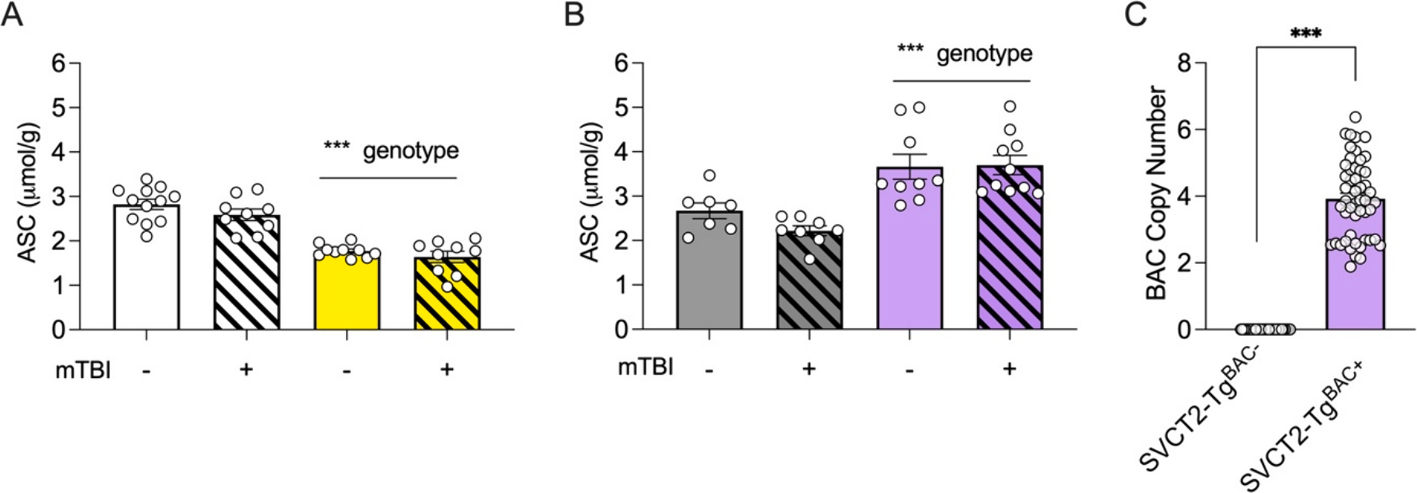
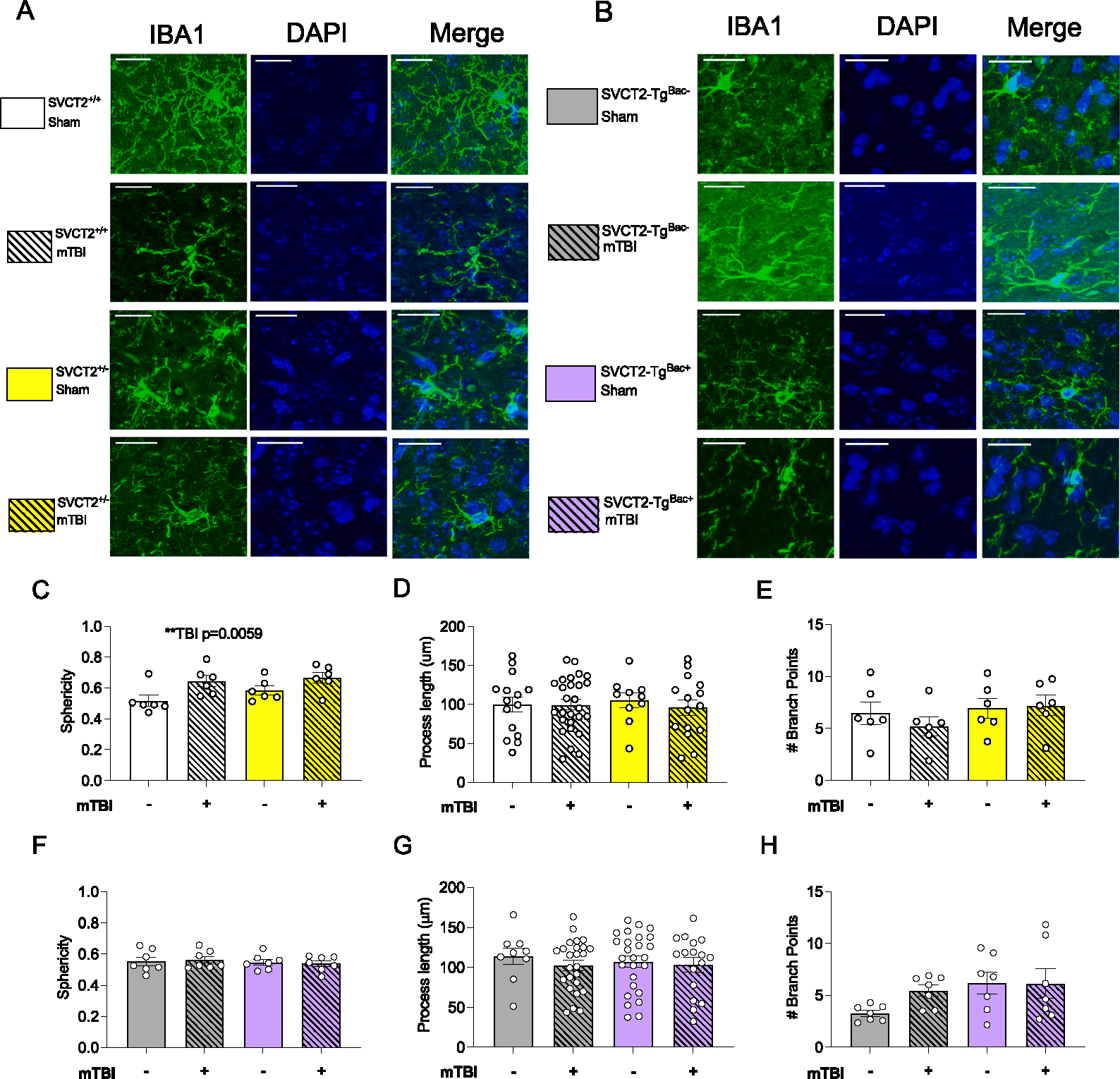
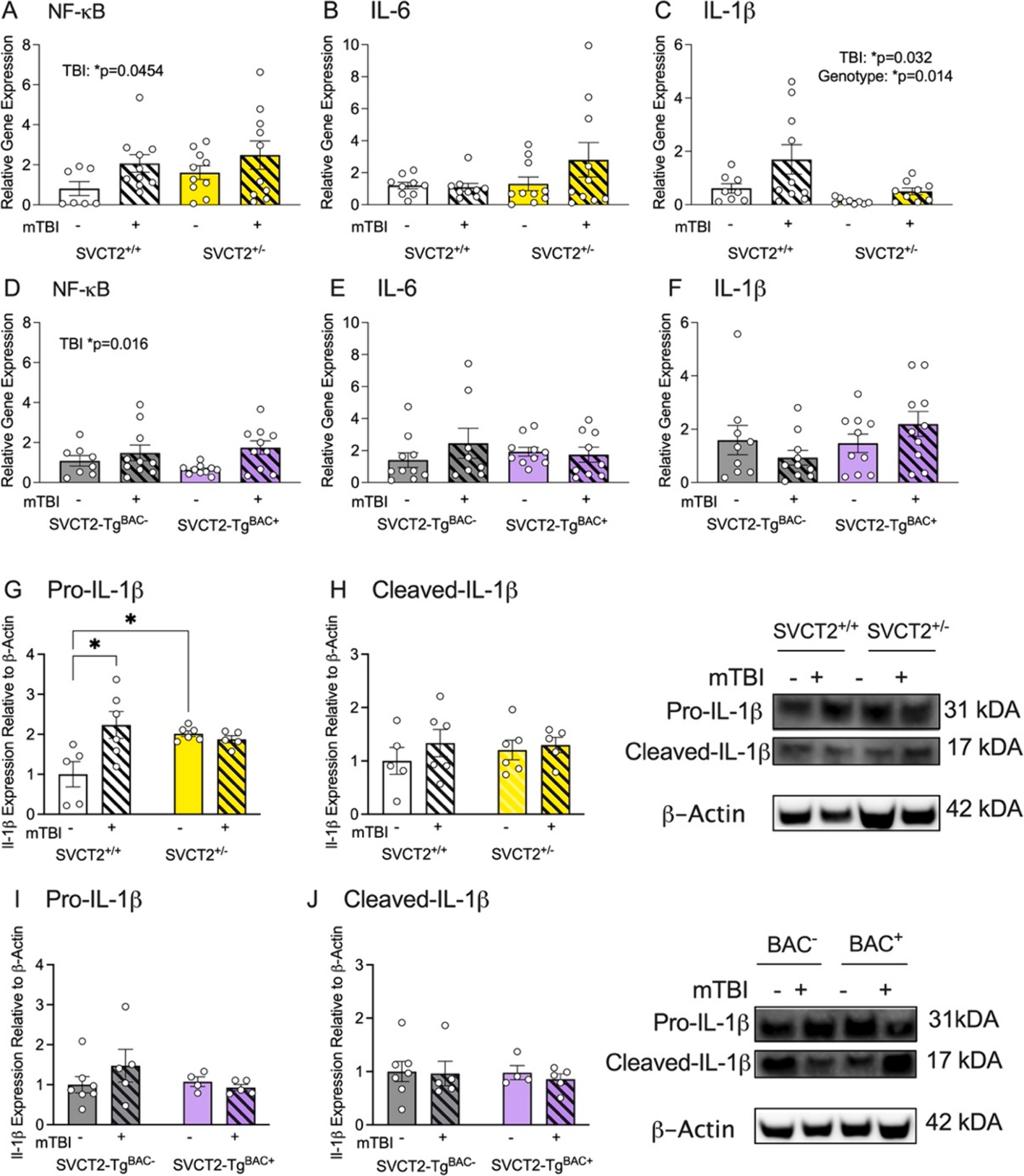
Neuroinflammation is a major characteristic of pathology in several neurodegenerative diseases. Microglia, the brain's resident myeloid cells, shift between activation states under neuroinflammatory conditions, both responding to, but also driving damage in the brain. Vitamin C (ascorbate) is an essential antioxidant for central nervous system function that may have a specific role in the neuroinflammatory response. Uptake of ascorbate throughout the central nervous system is facilitated by the sodium-dependent vitamin C transporter 2 (SVCT2). SVCT2 transports the reduced form of ascorbate into neurons and microglia, however the contribution of altered SVCT2 expression to the neuroinflammatory response in microglia is not well understood. In this study we demonstrate that SVCT2 expression modifies microglial response, as shown through changes in cell morphology and mRNA expression, following a mild traumatic brain injury (mTBI) in mice with decreased or increased expression of SVCT2. Results were supported by in vitro studies in an immortalized microglial cell line and in primary microglial cultures derived from SVCT2-heterozygous and transgenic animals. Overall, this work demonstrates the importance of SVCT2 and ascorbate in modulating the microglial response to mTBI and suggests a potential role for both in response to neuroinflammatory challenges.
神经炎症是几种神经退行性疾病病理的主要特征。小胶质细胞是大脑的固有髓样细胞,在神经炎症条件下会在激活状态之间转换,既能对大脑做出反应,也能导致大脑损伤。维生素 C(抗坏血酸)是中枢神经系统功能所必需的抗氧化剂,它在神经炎症反应中可能具有特定的作用。钠离子依赖性维生素 C 转运体 2(SVCT2)促进了抗坏血酸在中枢神经系统中的摄取。SVCT2 将还原型抗坏血酸转运到神经元和小胶质细胞中,然而,改变的 SVCT2 表达对小胶质细胞中神经炎症反应的贡献尚不清楚。在这项研究中,我们证明了 SVCT2 的表达改变了小胶质细胞的反应,这表现在 SVCT2 表达减少或增加的小鼠经历轻度创伤性脑损伤(mTBI)后,细胞形态和 mRNA 表达的变化。体外实验在永生化小胶质细胞系和源自 SVCT2 杂合子和转基因动物的原代小胶质细胞培养物中得到了支持。总的来说,这项工作表明了 SVCT2 和抗坏血酸在调节小胶质细胞对 mTBI 的反应中的重要性,并提示它们在应对神经炎症挑战方面都有潜在的作用。