Altinok Gunes B, Ozkan T, Karadag Gurel A, Dalkilic S, Belder N, Ozkeserli Z, Ozdag H, Beksac M, Sayinalp N, Yagci A M, Sunguroglu A
Vocational School of Health Services, Ankara University, Ankara, Turkey.
Department of Medical Biology, Faculty of Medicine, Ankara University, Ankara, Turkey.
Mediterr J Hematol Infect Dis. 2024 Jul 1;16(1):e2024058. doi: 10.4084/MJHID.2024.058. eCollection 2024.
Acute myeloid leukaemia (AML) is a disease of the haematopoietic stem cells(HSCs) that is characterised by the uncontrolled proliferation and impaired differentiation of normal haematopoietic stem/progenitor cells. Several pathways that control the proliferation and differentiation of HSCs are impaired in AML. Activation of the Wnt/beta-catenin signalling pathway has been shown in AML and beta-catenin, which is thought to be the key element of this pathway, has been frequently highlighted. The present study was designed to determine beta-catenin expression levels and beta-catenin-related genes in AML.
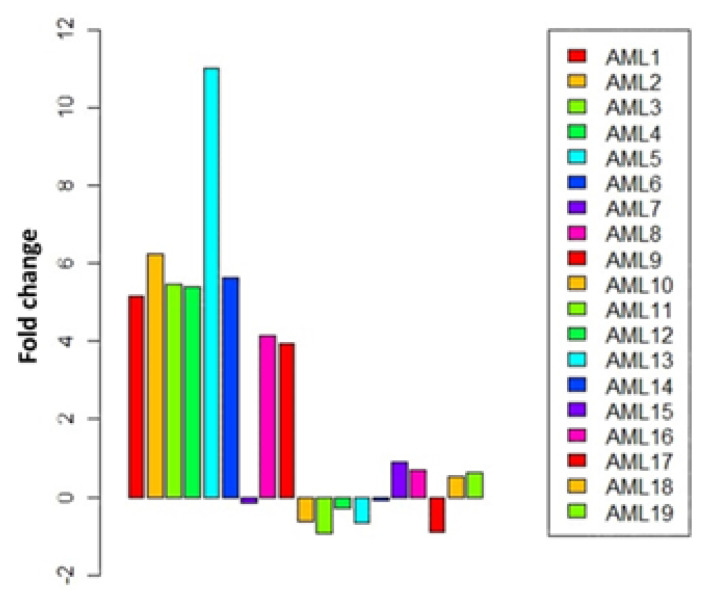
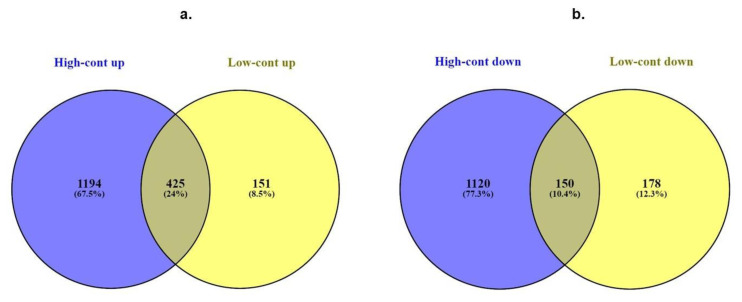
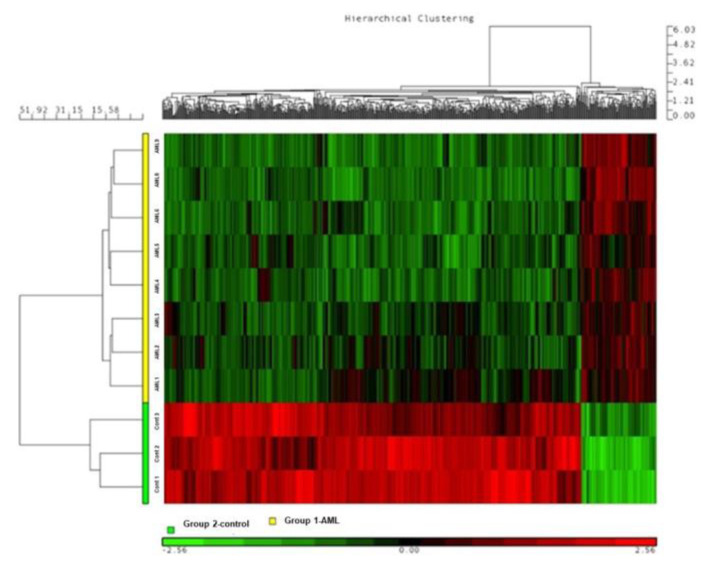
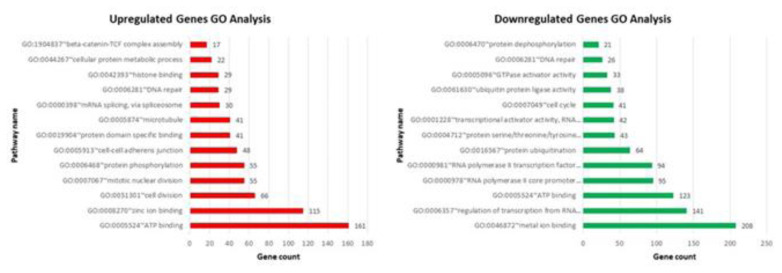
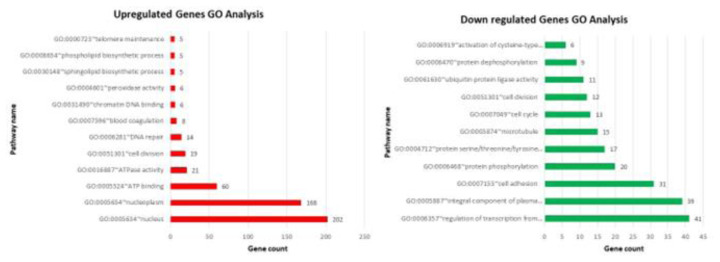
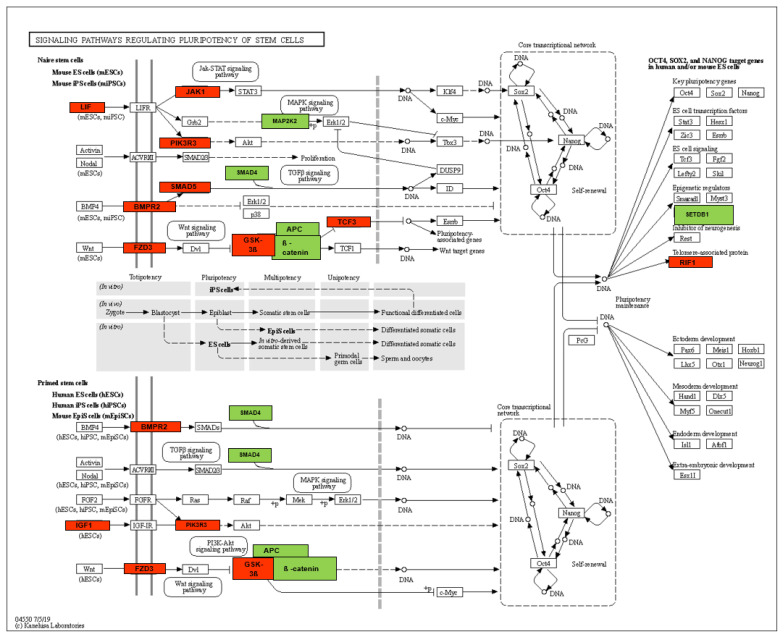
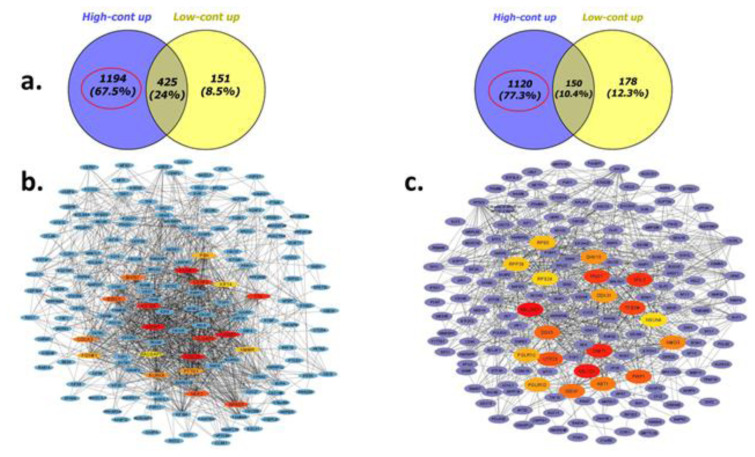
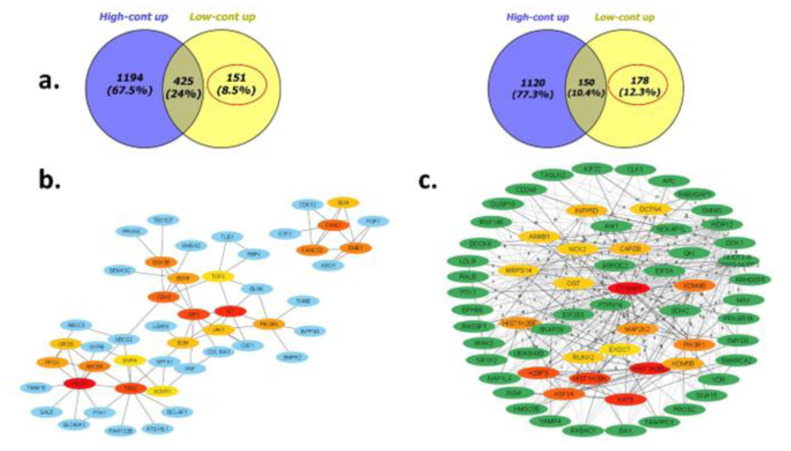
In this study, beta-catenin gene expression levels were determined in 19 AML patients and 3 controls by qRT-PCR. Transcriptome analysis was performed on AML grouped according to beta-catenin expression levels. Differentially expressed genes(DEGs) were investigated in detail using the Database for Annotation Visualisation and Integrated Discovery(DAVID), Gene Ontology(GO), Kyoto Encyclopedia of Genes and Genomes(KEGG), STRING online tools.
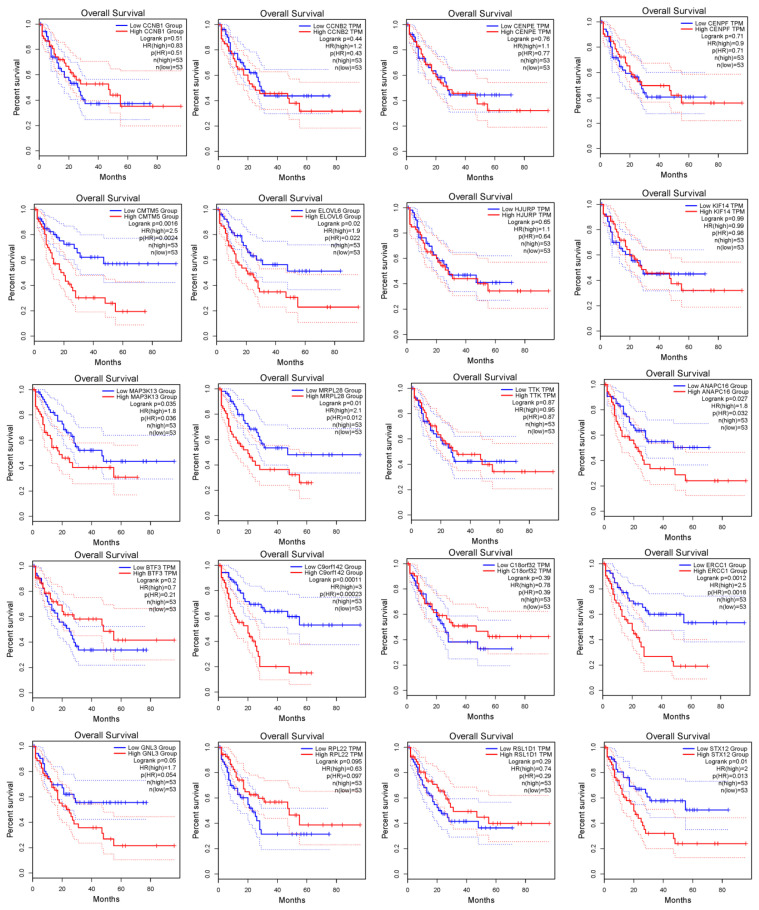
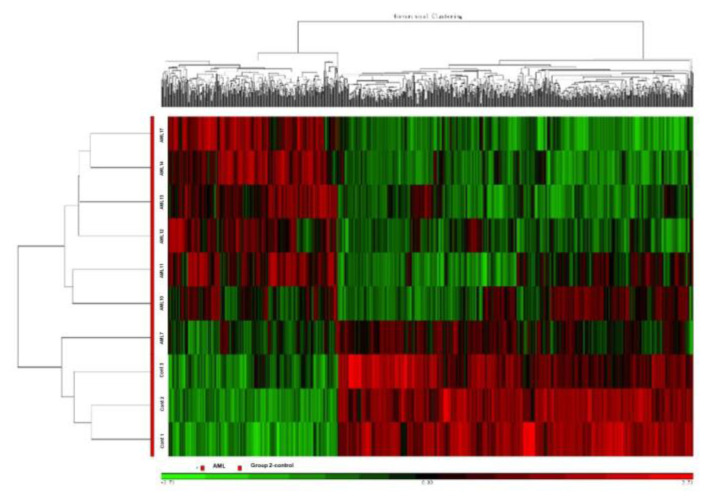
The transcriptome profiles of our AML samples showed different molecular signature profiles according to their beta-catenin levels(high-low). A total of 20 genes have been identified as hub genes. Among these, and were found to be associated with beta-catenin and poor survival in AML. Furthermore, for the first time in our study, the gene, which is the most highly up-regulated gene in human AML samples, was correlated with a poor prognosis via high beta-catenin levels.
It is suggested that the identification of beta-catenin-related gene profiles in AML may help to select new therapeutic targets for the treatment of AML.
急性髓系白血病(AML)是一种造血干细胞(HSCs)疾病,其特征是正常造血干/祖细胞不受控制地增殖和分化受损。在AML中,控制造血干细胞增殖和分化的几条途径受到损害。Wnt/β-连环蛋白信号通路的激活已在AML中得到证实,而β-连环蛋白被认为是该通路的关键元件,也经常受到关注。本研究旨在确定AML中β-连环蛋白的表达水平以及与β-连环蛋白相关的基因。
在本研究中,通过qRT-PCR测定了19例AML患者和3例对照中β-连环蛋白基因的表达水平。根据β-连环蛋白表达水平对AML进行分组,并进行转录组分析。使用注释可视化与综合发现数据库(DAVID)、基因本体论(GO)、京都基因与基因组百科全书(KEGG)、STRING在线工具详细研究差异表达基因(DEGs)。
我们的AML样本转录组图谱根据其β-连环蛋白水平(高-低)显示出不同的分子特征图谱。总共鉴定出20个基因为枢纽基因。其中,发现[具体基因1]和[具体基因2]与AML中的β-连环蛋白和不良生存相关。此外,在我们的研究中首次发现,[具体基因3]基因是人类AML样本中上调程度最高的基因,通过高β-连环蛋白水平与不良预后相关。
提示在AML中鉴定与β-连环蛋白相关的基因谱可能有助于为AML治疗选择新的治疗靶点。