Wang Jintao, Xu Shi, Zhu Sifan, Tian Qin, Yang Xinkui, Pipintakos Georgios, Ren Shisong, Wu Shaopeng
School of Civil Engineering and Architecture, Wuhan University of Technology, Wuhan 430070, China.
Faculty of Civil Engineering and Geosciences, Delft University of Technology, 2628 CN Delft, The Netherlands.
Materials (Basel). 2024 Jul 4;17(13):3316. doi: 10.3390/ma17133316.
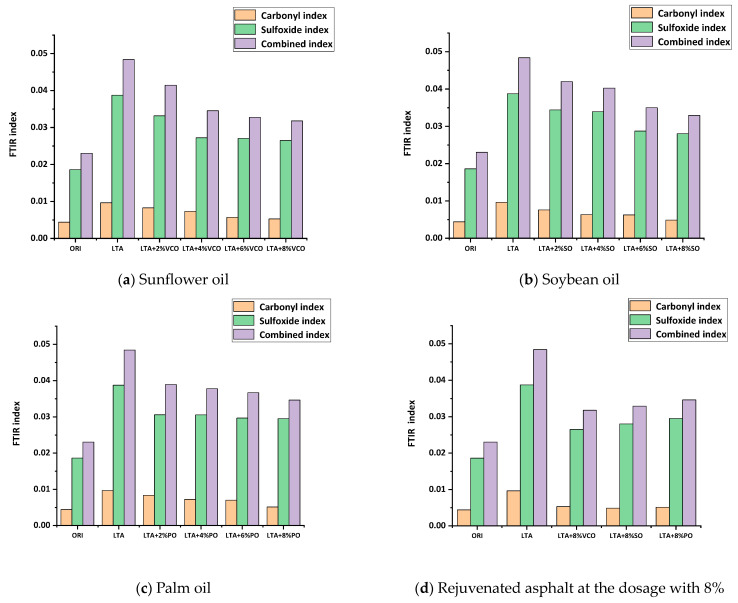
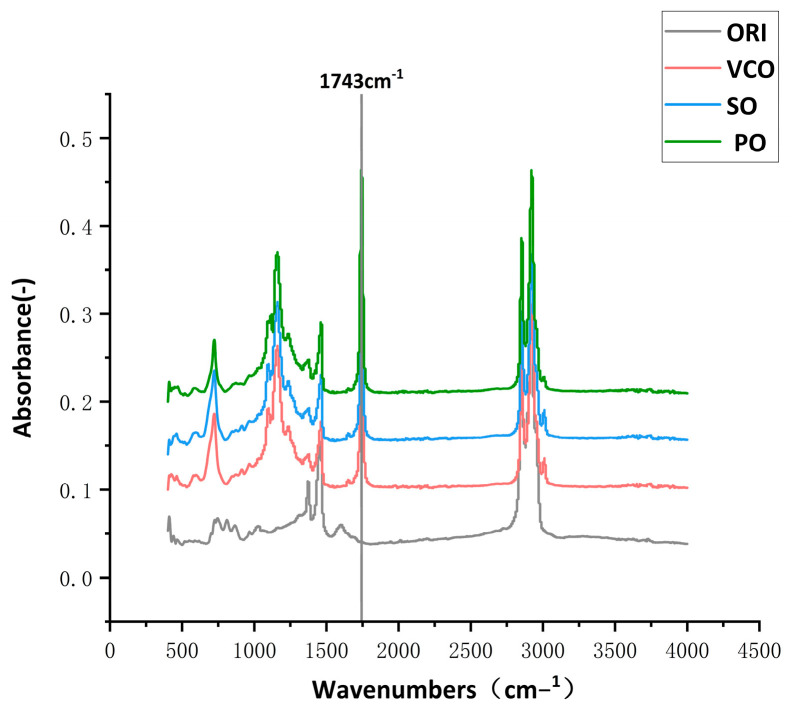
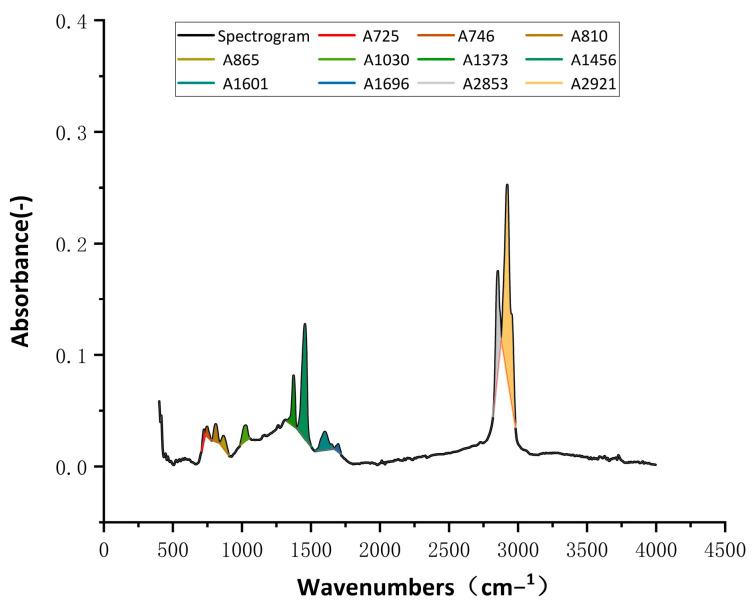
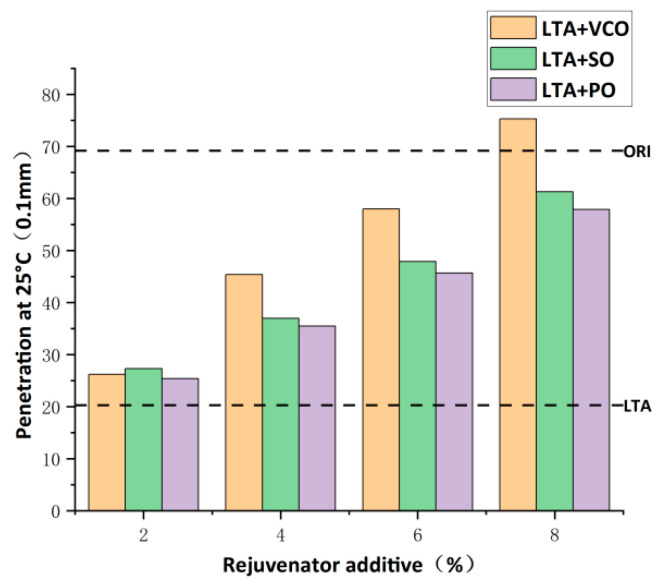
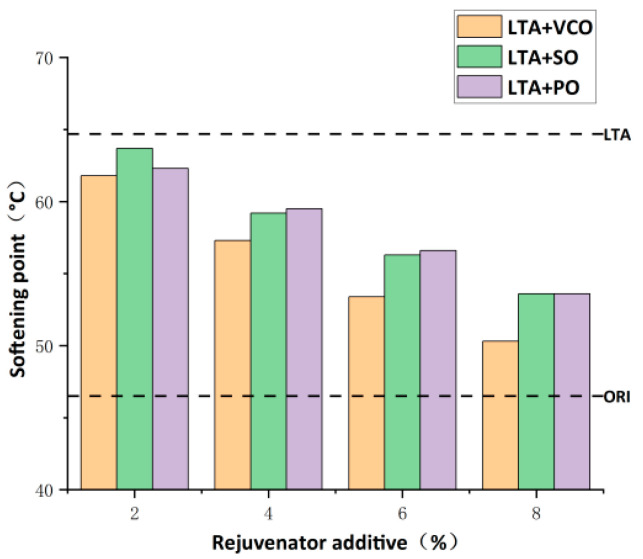
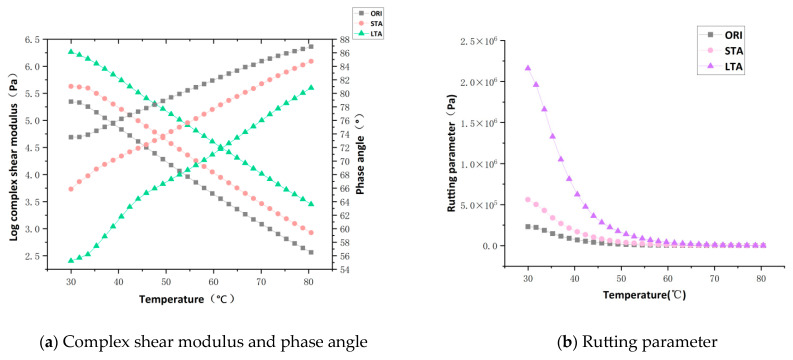
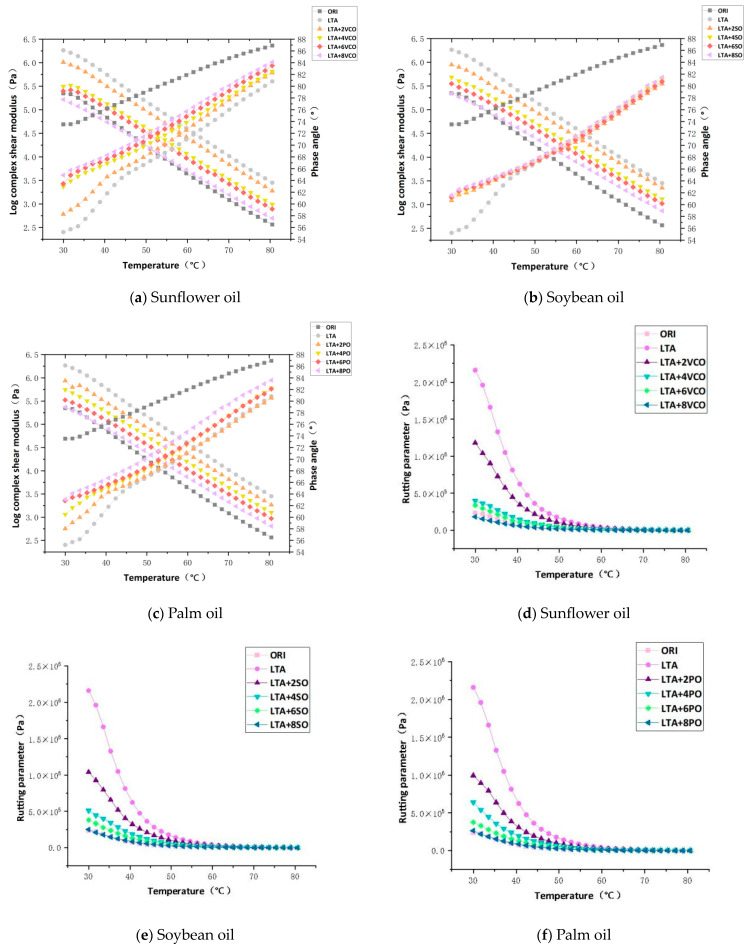
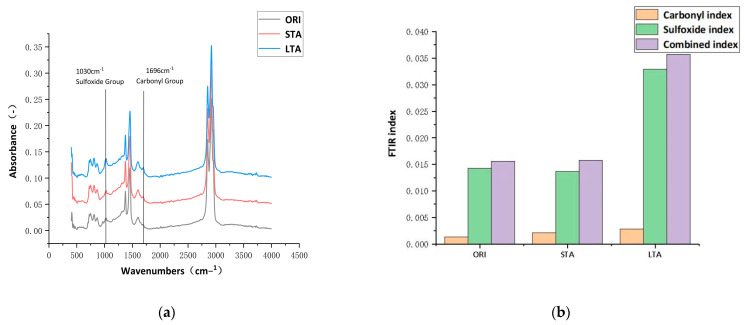
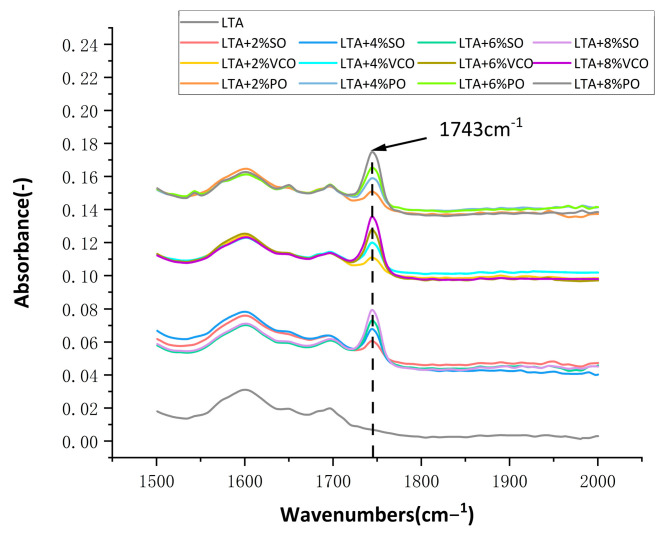
Generally, rejuvenators are used to supply missing components of aged asphalt, reverse the aging process, and are widely used in asphalt maintenance and recycling. However, compared with traditional rejuvenators, bio-oil rejuvenators are environmentally friendly, economical and efficient. This study looks into the effect of the three different bio-oils, namely sunflower oil, soybean oil, and palm oil, on the physical properties, rheological properties and chemical components of aged asphalt at different dosages. The asphalt physical properties and Dynamic Shear Rheological (DSR) test results show that with the increase in bio-oil, the physical properties and rheological properties of rejuvenated asphalt are close to those of virgin asphalt, but the high-temperature rutting resistance needs to be further improved. The results of Fourier Transform Infrared Spectroscopy (FTIR) show that the carbonyl and sulfoxide indices of rejuvenated asphalt are much lower than those of aged asphalt. Moreover, the rejuvenation efficiency of aged asphalt mixed with sunflower oil is better than that with soybean oil and palm oil at the same dosage.
一般来说,再生剂用于补充老化沥青中缺失的成分,逆转老化过程,在沥青养护和再生中广泛应用。然而,与传统再生剂相比,生物油再生剂具有环保、经济高效的特点。本研究考察了三种不同生物油,即葵花籽油、大豆油和棕榈油,在不同剂量下对老化沥青的物理性能、流变性能和化学成分的影响。沥青物理性能和动态剪切流变(DSR)试验结果表明,随着生物油用量的增加,再生沥青的物理性能和流变性能接近未老化沥青,但高温抗车辙性能有待进一步提高。傅里叶变换红外光谱(FTIR)结果表明,再生沥青的羰基和亚砜指数远低于老化沥青。此外,在相同剂量下,老化沥青与葵花籽油混合的再生效果优于与大豆油和棕榈油混合的再生效果。