Li Zheqi, Chen Fangyuan, Chen Li, Liu Jiebin, Tseng Danielle, Hadi Fazal, Omarjee Soleilmane, Kishore Kamal, Kent Joshua, Kirkpatrick Joanna, D'Santos Clive, Lawson Mandy, Gertz Jason, Sikora Matthew J, McDonnell Donald P, Carroll Jason S, Polyak Kornelia, Oesterreich Steffi, Lee Adrian V
Department of Medical Oncology, Dana-Farber Cancer Institute, Boston, MA, USA.
Department of Medicine, Harvard Medical School, Boston, MA, USA.
bioRxiv. 2024 Jul 2:2024.06.28.601163. doi: 10.1101/2024.06.28.601163.
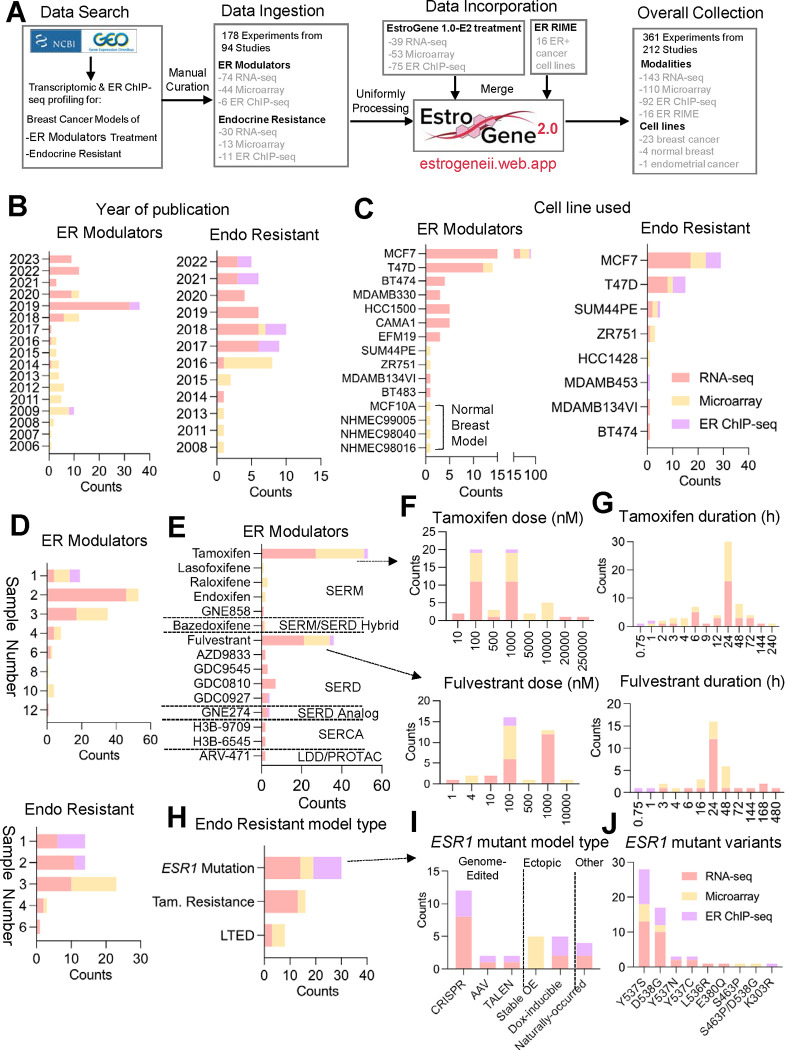
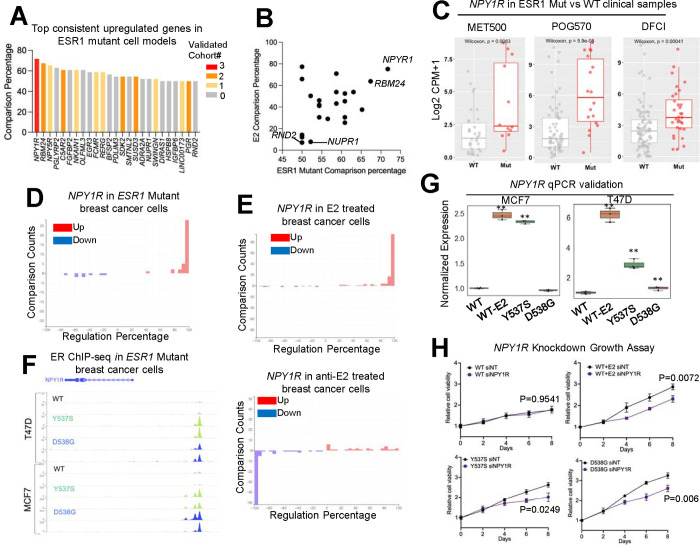
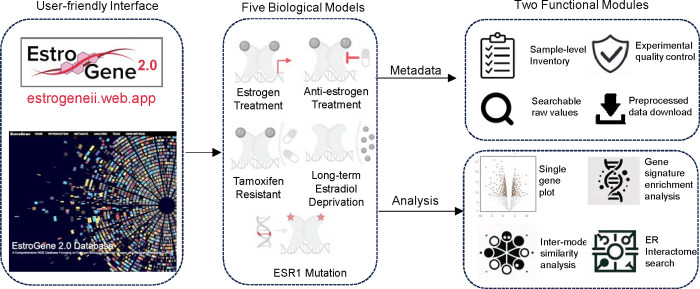
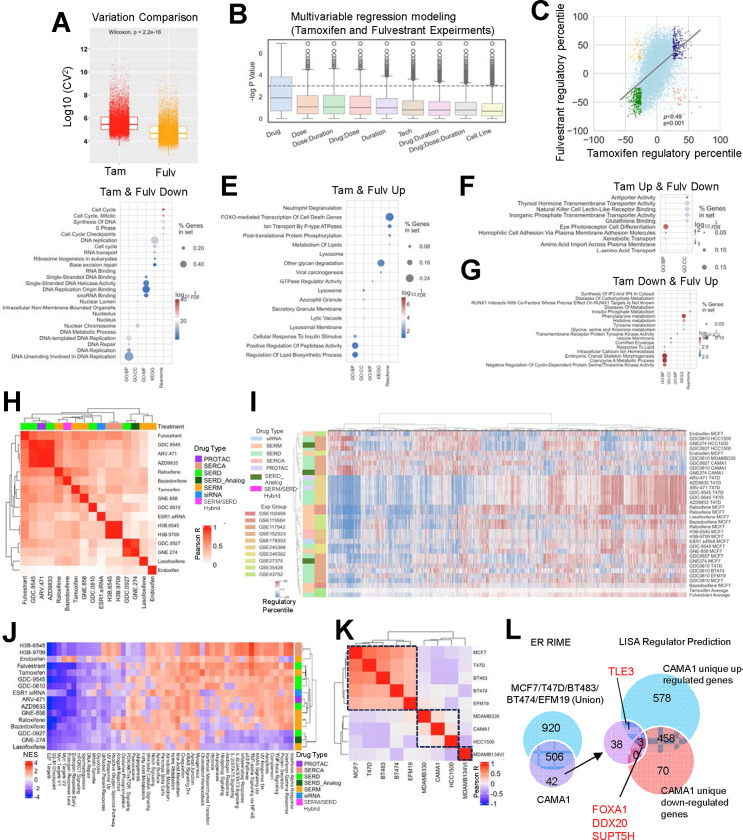
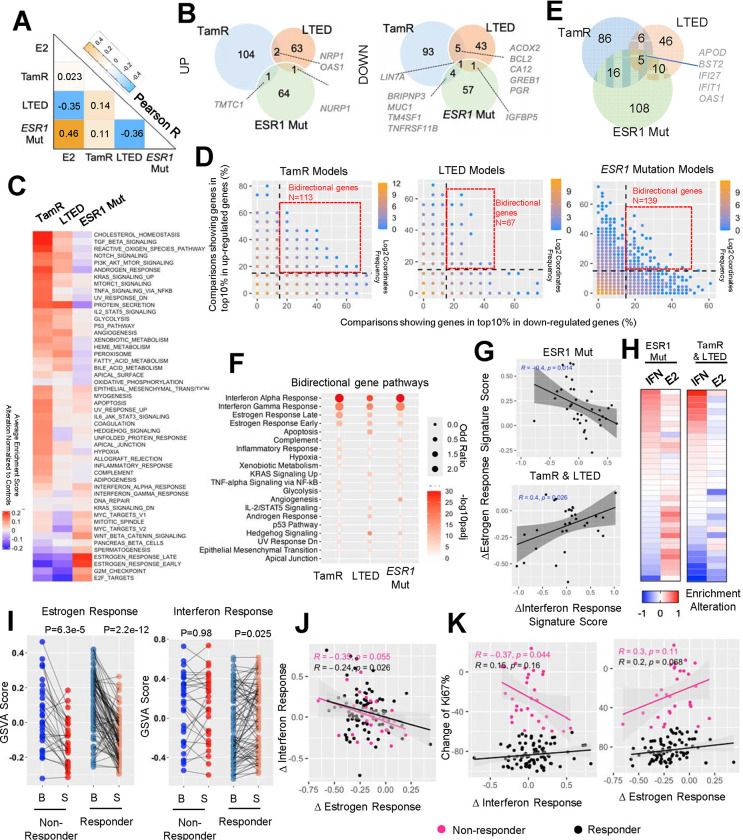
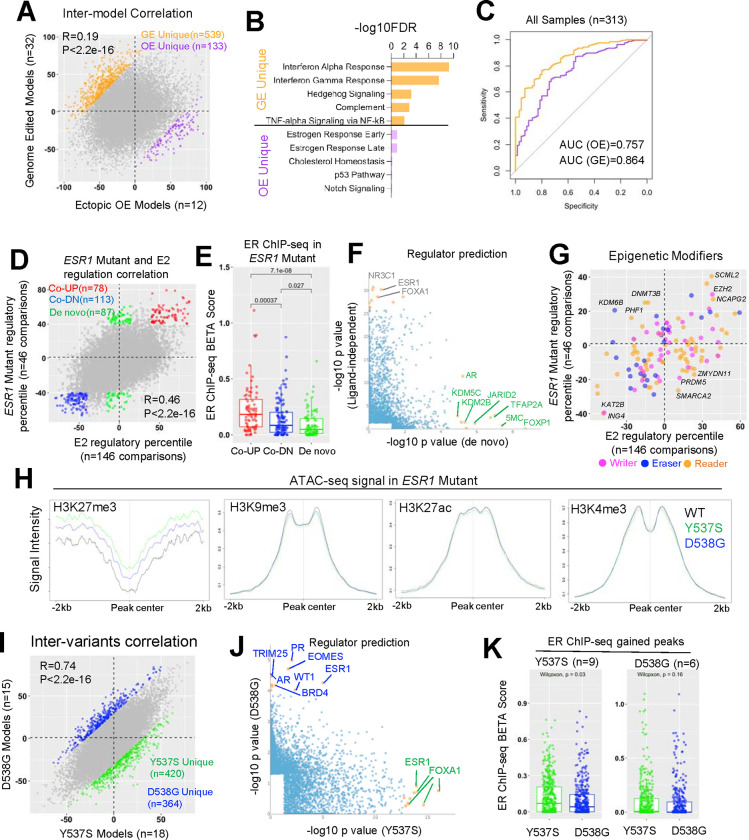
Endocrine therapies targeting the estrogen receptor (ER/) are the cornerstone to treat ER-positive breast cancers patients, but resistance often limits their effectiveness. Understanding the molecular mechanisms is thus key to optimize the existing drugs and to develop new ER-modulators. Notable progress has been made although the fragmented way data is reported has reduced their potential impact. Here, we introduce EstroGene2.0, an expanded database of its precursor 1.0 version. EstroGene2.0 focusses on response and resistance to endocrine therapies in breast cancer models. Incorporating multi-omic profiling of 361 experiments from 212 studies across 28 cell lines, a user-friendly browser offers comprehensive data visualization and metadata mining capabilities (https://estrogeneii.web.app/). Taking advantage of the harmonized data collection, our follow-up meta-analysis revealed substantial diversity in response to different classes of ER-modulators including SERMs, SERDs, SERCA and LDD/PROTAC. Notably, endocrine resistant models exhibit a spectrum of transcriptomic alterations including a contra-directional shift in ER and interferon signaling, which is recapitulated clinically. Furthermore, dissecting multiple -mutant cell models revealed the different clinical relevance of genome-edited versus ectopic overexpression model engineering and identified high-confidence mutant-ER targets, such as These examples demonstrate how EstroGene2.0 helps investigate breast cancer's response to endocrine therapies and explore resistance mechanisms.
针对雌激素受体(ER/)的内分泌疗法是治疗ER阳性乳腺癌患者的基石,但耐药性常常限制其疗效。因此,了解分子机制是优化现有药物和开发新型ER调节剂的关键。尽管数据报告方式零散降低了其潜在影响,但仍取得了显著进展。在此,我们介绍EstroGene2.0,它是其前身1.0版本的扩展数据库。EstroGene2.0专注于乳腺癌模型中对内分泌疗法的反应和耐药性。该数据库整合了来自28个细胞系的212项研究中的361个实验的多组学分析数据,通过一个用户友好的浏览器提供全面的数据可视化和元数据挖掘功能(https://estrogeneii.web.app/)。利用统一的数据收集,我们的后续荟萃分析揭示了对不同类型ER调节剂(包括选择性雌激素受体调节剂、选择性雌激素受体降解剂、选择性雌激素受体下调剂和配体-导向的蛋白质靶向嵌合体)反应的显著差异。值得注意的是,内分泌耐药模型表现出一系列转录组改变,包括ER和干扰素信号的反向转变,这在临床上也有体现。此外,对多个突变细胞模型的剖析揭示了基因组编辑与异位过表达模型构建在临床相关性上的差异,并确定了高可信度的突变型ER靶点,如 这些例子展示了EstroGene2.0如何帮助研究乳腺癌对内分泌疗法的反应并探索耐药机制。