
基线肠道微生物群谱影响抑郁症患者的治疗反应。
Baseline gut microbiota profiles affect treatment response in patients with depression.
作者信息
Xie Yingjing, Zhu Hanwen, Yuan Yanling, Guan Xuan, Xie Qinglian, Dong Zaiquan
机构信息
West China Hospital, Sichuan University, Chengdu, China.
Department of Pharmacy, West China Hospital, Sichuan University, Chengdu, China.
出版信息
Front Microbiol. 2024 Jul 3;15:1429116. doi: 10.3389/fmicb.2024.1429116. eCollection 2024.
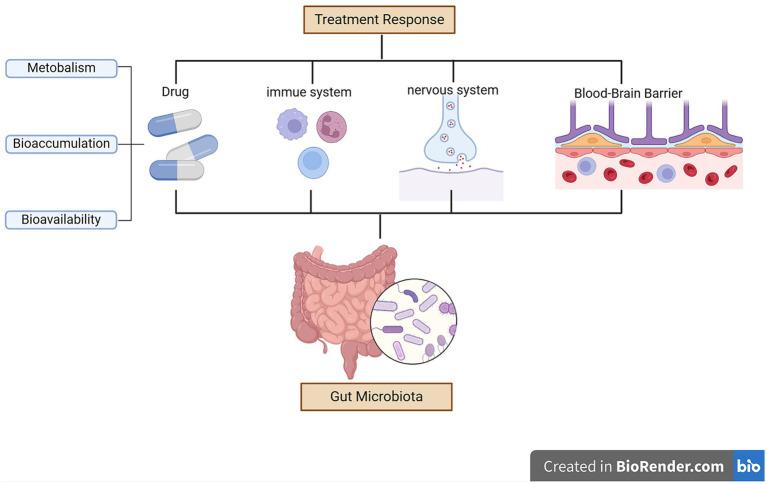
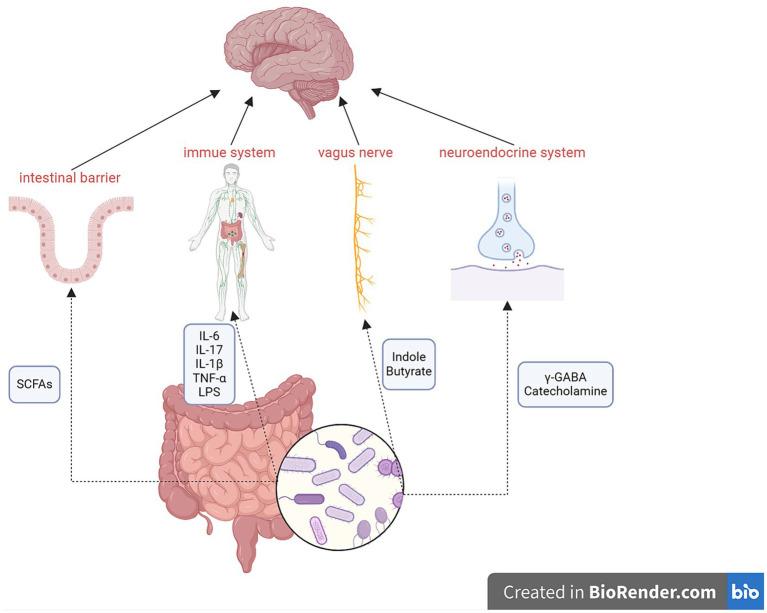
The role of the gut microbiota in the pathophysiology of depression has been explored in numerous studies, which have confirmed that the baseline gut microbial profiles of patients with depression differ from those of healthy individuals. The gut microbiome affects metabolic activity in the immune and central nervous systems and regulates intestinal ecology through the neuroendocrine system. Additionally, baseline changes in the gut microbiota differed among patients with depression who demonstrated varying treatment response. Currently, probiotics are an emerging treatment for depression; however, the efficacy of modulating the gut microbiota in the treatment of depression remains uncertain. Additionally, the mechanisms by which changes in the gut microbiota affect treatment response in patients with depression remain unclear. In this review, we aimed to summarize the differences in the baseline gut microbiota between the remission and non-remission groups after antidepressant therapy. Additionally, we summarized the possible mechanisms that may contribute to antidepressant resistance through the effects of the gut microbiome on the immune and nervous systems, various enzymes, bioaccumulation, and blood-brain barrier, and provide a basis for treating depression by targeting the gut microbiota.
众多研究探讨了肠道微生物群在抑郁症病理生理学中的作用,这些研究证实,抑郁症患者的基线肠道微生物谱与健康个体不同。肠道微生物群影响免疫和中枢神经系统的代谢活动,并通过神经内分泌系统调节肠道生态。此外,在表现出不同治疗反应的抑郁症患者中,肠道微生物群的基线变化也有所不同。目前,益生菌是一种新兴的抑郁症治疗方法;然而,调节肠道微生物群在抑郁症治疗中的疗效仍不确定。此外,肠道微生物群变化影响抑郁症患者治疗反应的机制仍不清楚。在本综述中,我们旨在总结抗抑郁治疗后缓解组和未缓解组之间基线肠道微生物群的差异。此外,我们总结了肠道微生物群通过对免疫和神经系统、各种酶、生物累积和血脑屏障的影响可能导致抗抑郁药耐药性的潜在机制,并为通过靶向肠道微生物群治疗抑郁症提供依据。
 Zotero 插件