Max Delbrück Centrum for Molecular Medicine, Robert-Rössle-Straße 10, 13125, Berlin, Germany.
German Federal Institute for Risk Assessment, Max-Dohrn-Strasse 8-10, 10589, Berlin, Germany.
J Mol Med (Berl). 2024 Sep;102(9):1151-1161. doi: 10.1007/s00109-024-02470-4. Epub 2024 Jul 25.
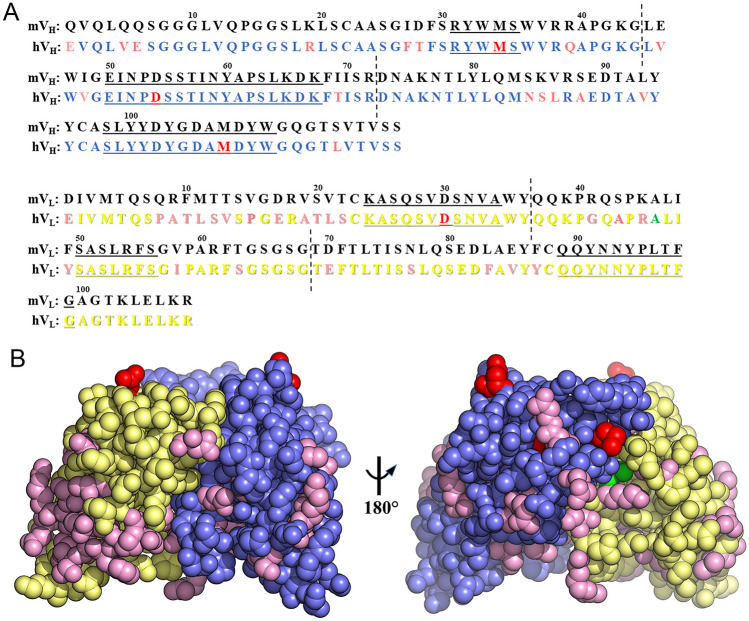
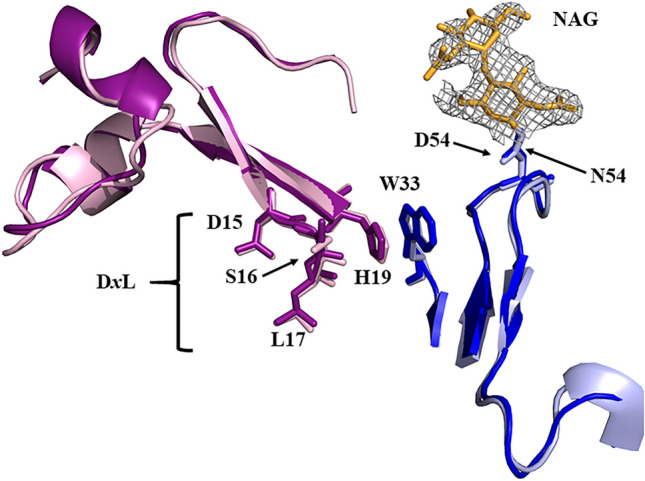
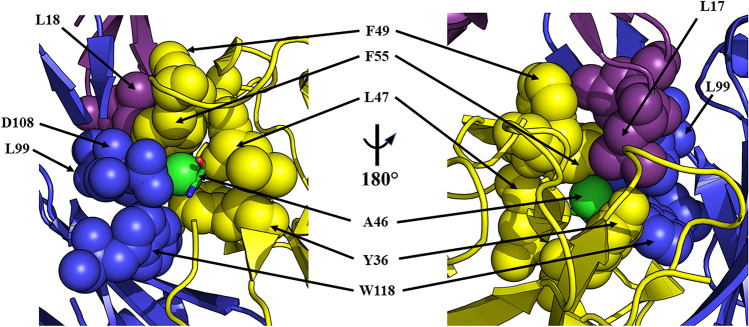
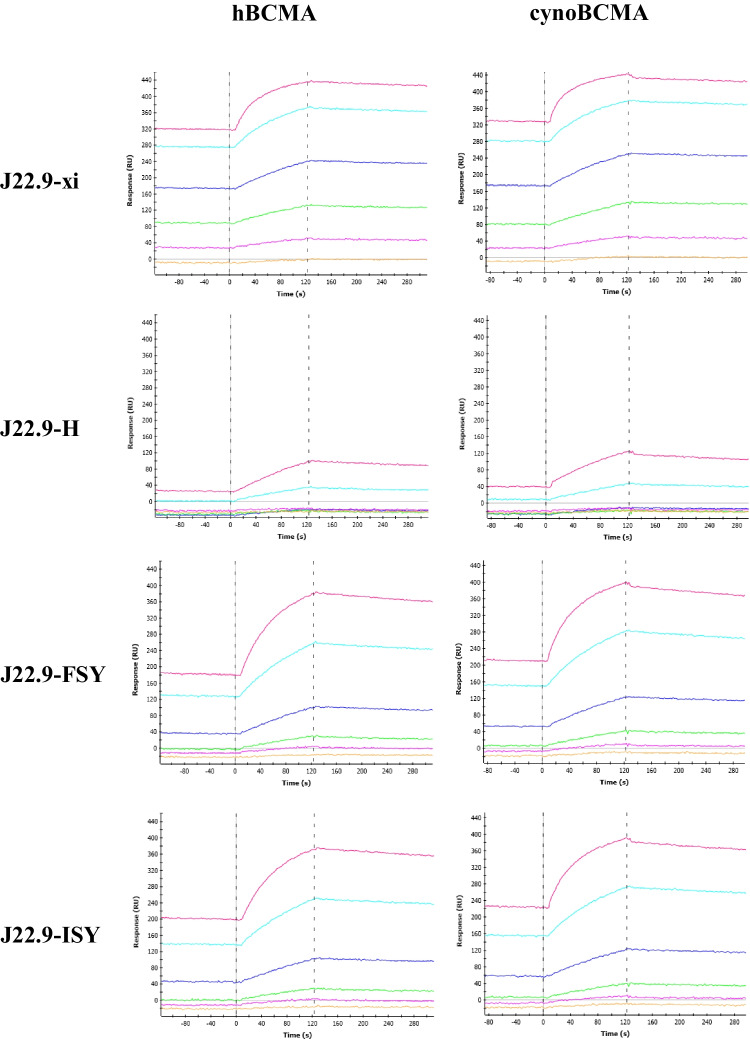
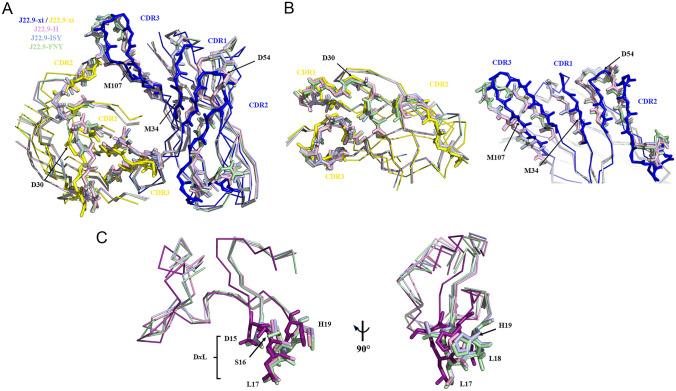
The optimal efficacy of xenogeneically generated proteins intended for application in humans requires that their own antigenicity be minimized. This necessary adaptation of antibodies to a humanized version poses challenges since modifications even distant from the binding sites can greatly influence antigen recognition and this is the primary feature that must be maintained during all modifications. Current strategies often rely on grafting and/or randomization/selection to arrive at a humanized variant retaining the binding properties of the original molecule. However, in terms of speed and efficiency, rationally directed approaches can be superior, provided the requisite structural information is available. We present here a humanization procedure based on the high-resolution X-ray structure of a chimaeric IgG against a marker for multiple myeloma. Based on in silico modelling of humanizing amino acid substitutions identified from sequence alignments, we devised a straightforward cloning procedure to rapidly evaluate the proposed sequence changes. Careful inspection of the structure allowed the identification of a potentially problematic amino acid change that indeed disrupted antigen binding. Subsequent optimization of the antigen binding loop sequences resulted in substantial recovery of binding affinity lost in the completely humanized antibody. X-ray structures of the humanized and optimized variants demonstrate that the antigen binding mode is preserved, with surprisingly few direct contacts to antibody atoms. These results underline the importance of structural information for the efficient optimization of protein therapeutics. KEY MESSAGES: Structure-based humanization of an IgG against BCMA, a marker for Multiple Myeloma. Identification of problematic mutations and unexpected modification sites. Structures of the modified IgG-antigen complexes verified predictions. Provision of humanized high-affinity IgGs against BCMA for therapeutic applications.
用于人类应用的异种来源蛋白的最佳疗效需要最小化其自身的抗原性。这种对抗体的必要适应,使其适应人源化版本,这带来了挑战,因为即使远离结合位点的修饰也会极大地影响抗原识别,而这是在所有修饰过程中必须保持的主要特征。目前的策略通常依赖于移植和/或随机化/选择,以获得保留原始分子结合特性的人源化变体。然而,就速度和效率而言,如果有必要的结构信息,合理指导的方法可以更具优势。我们在这里提出了一种基于针对多发性骨髓瘤标志物的嵌合 IgG 的高分辨率 X 射线结构的人源化程序。基于序列比对中鉴定的人源化氨基酸取代的计算机模拟,我们设计了一种简单的克隆程序,以快速评估所提出的序列变化。仔细检查结构允许鉴定出一个潜在的问题氨基酸变化,该变化确实破坏了抗原结合。随后对抗原结合环序列进行优化,导致完全人源化抗体中丧失的结合亲和力得到了实质性恢复。人源化和优化变体的 X 射线结构表明,抗原结合模式得以保留,与抗体原子的直接接触非常少。这些结果强调了结构信息对于蛋白质治疗剂的高效优化的重要性。
针对多发性骨髓瘤标志物 BCMA 的 IgG 的基于结构的人源化。鉴定有问题的突变和意外修饰位点。修饰的 IgG-抗原复合物的结构验证了预测。提供针对 BCMA 的人源化高亲和力 IgGs 用于治疗应用。