Periyasamy Thirukumaran, Asrafali Shakila Parveen, Lee Jaewoong
Department of Fiber System Engineering, Yeungnam University, 280 Daehak-Ro, Gyeongbuk, Gyeongsan 38541, Republic of Korea.
Gels. 2024 Jul 15;10(7):462. doi: 10.3390/gels10070462.
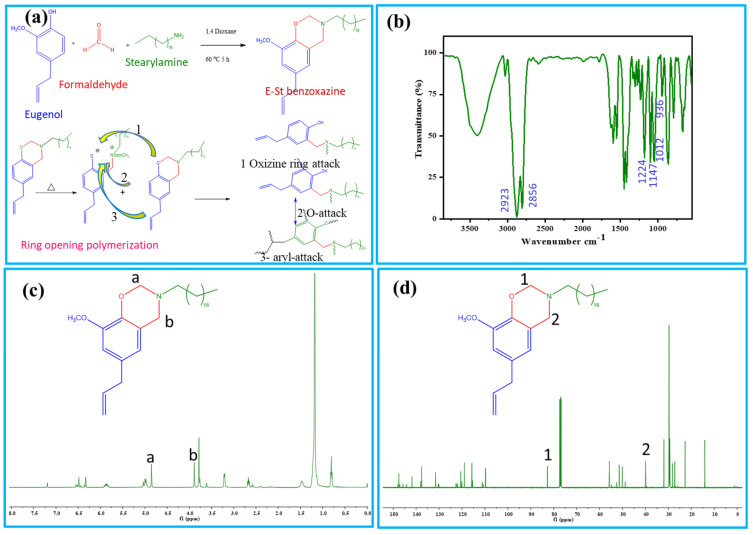
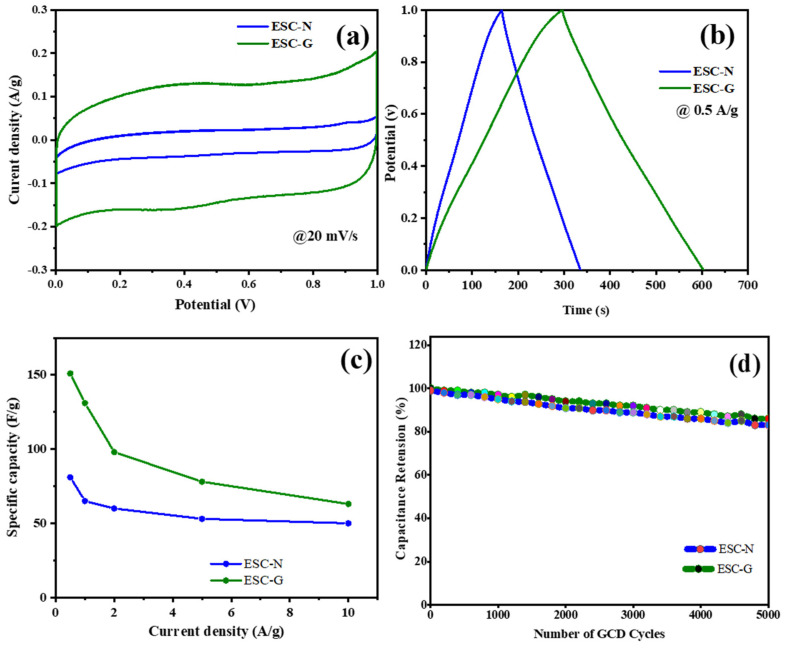
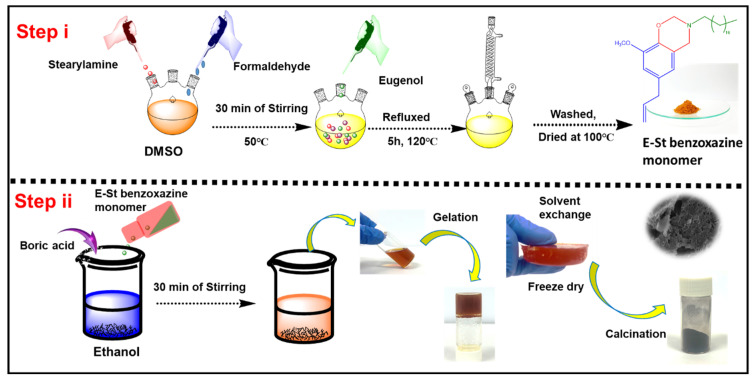
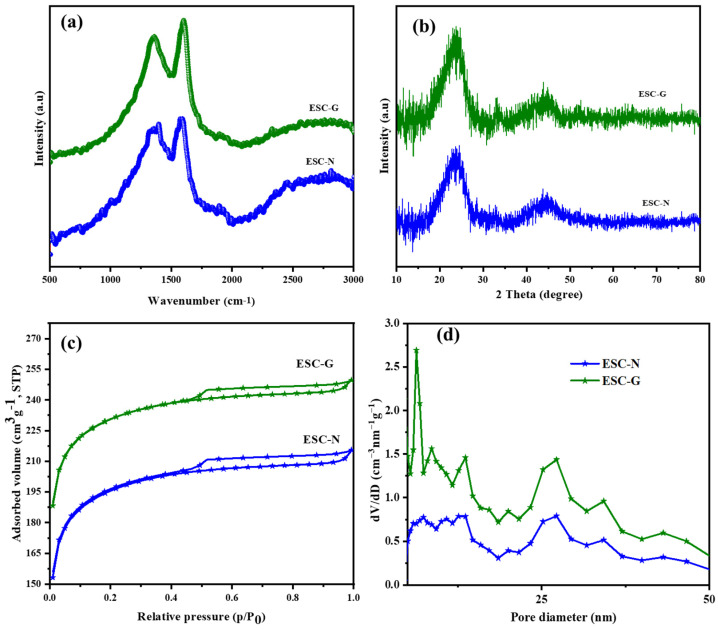
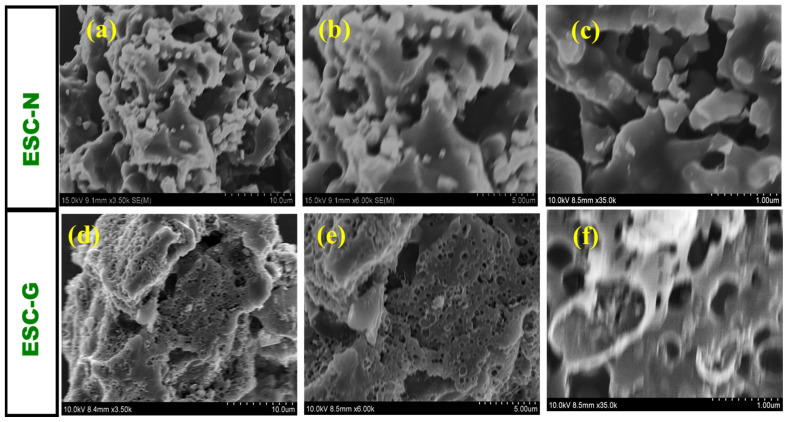
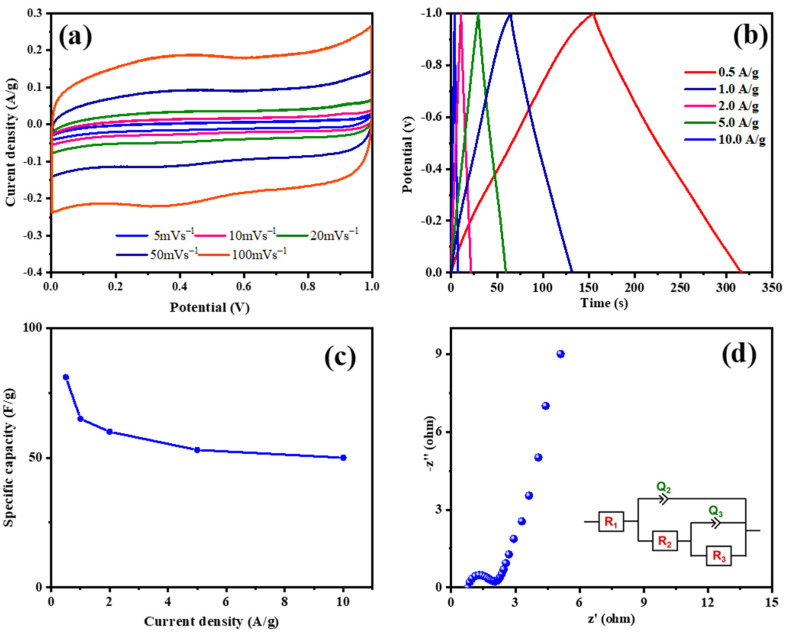
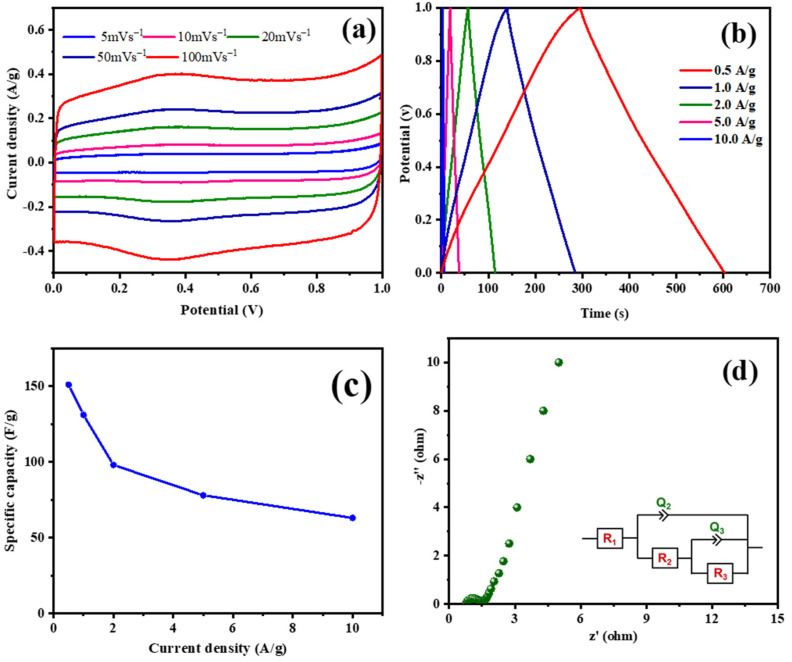
In recent years, polybenzoxazine aerogels have emerged as promising materials for various applications. However, their full potential has been hindered by the prevalent use of hazardous solvents during the preparation process, which poses significant environmental and safety concerns. In light of this, there is a pressing need to explore alternative methods that can mitigate these issues and propel the practical utilization of polybenzoxazine aerogels. To address this challenge, a novel approach involving the synthesis of heteroatom self-doped mesoporous carbon from polybenzoxazine has been devised. This process utilizes eugenol, stearyl amine, and formaldehyde to create the polybenzoxazine precursor, which is subsequently treated with ethanol as a safer solvent. Notably, the incorporation of boric acid in this method serves a dual purpose: it not only facilitates microstructural regulation but also reinforces the backbone strength of the material through the formation of intermolecular bridged structures between polybenzoxazine chains. Moreover, this approach allows ambient pressure drying, further enhancing its practicability and environmental friendliness. The resultant carbon materials, designated as ESC-N and ESC-G, exhibit distinct characteristics. ESC-N, derived from calcination, possesses a surface area of 289 m g, while ESC-G, derived from the aerogel, boasts a significantly higher surface area of 673 m g. Furthermore, ESC-G features a pore size distribution ranging from 5 to 25 nm, rendering it well suited for electrochemical applications such as supercapacitors. In terms of electrochemical performance, ESC-G demonstrates exceptional potential. With a specific capacitance of 151 F g at a current density of 0.5 A g, it exhibits superior energy storage capabilities compared with ESC-N. Additionally, ESC-G displayed a more pronounced rectangular shape in its cyclic voltammogram at a low voltage scanning rate of 20 mV s, indicative of enhanced electrochemical reversibility. The impedance spectra of both carbon types corroborated these findings, further validating the superior performance of ESC-G. Furthermore, ESC-G exhibits excellent cycling stability, retaining its electrochemical properties even after 5000 continuous charge-discharge cycles. This robustness underscores its suitability for long-term applications in supercapacitors, reaffirming the viability of heteroatom-doped polybenzoxazine aerogels as a sustainable alternative to traditional carbon materials.
近年来,聚苯并恶嗪气凝胶已成为各种应用中颇具前景的材料。然而,在制备过程中普遍使用有害溶剂阻碍了它们的全部潜力发挥,这带来了重大的环境和安全问题。有鉴于此,迫切需要探索能够缓解这些问题并推动聚苯并恶嗪气凝胶实际应用的替代方法。为应对这一挑战,设计了一种涉及从聚苯并恶嗪合成杂原子自掺杂介孔碳的新方法。该过程利用丁香酚、硬脂胺和甲醛来制备聚苯并恶嗪前驱体,随后用乙醇作为更安全的溶剂进行处理。值得注意的是,在该方法中加入硼酸有双重作用:它不仅有助于微观结构调控,还通过在聚苯并恶嗪链之间形成分子间桥连结构来增强材料的骨架强度。此外,这种方法允许常压干燥,进一步提高了其实用性和环境友好性。所得的碳材料,命名为ESC-N和ESC-G,具有不同的特性。源自煅烧的ESC-N的表面积为289 m²/g,而源自气凝胶的ESC-G的表面积显著更高,为673 m²/g。此外,ESC-G的孔径分布在5至25纳米之间,使其非常适合用于超级电容器等电化学应用。在电化学性能方面,ESC-G展现出卓越的潜力。在电流密度为0.5 A/g时,其比电容为151 F/g,与ESC-N相比,它表现出卓越的能量存储能力。此外,在20 mV/s的低电压扫描速率下,ESC-G在循环伏安图中呈现出更明显的矩形形状,表明其电化学可逆性增强。两种碳材料的阻抗谱证实了这些发现,进一步验证了ESC-G的优异性能。此外,ESC-G表现出出色的循环稳定性,即使在连续5000次充放电循环后仍能保持其电化学性能。这种稳健性强调了其在超级电容器中长期应用的适用性,再次确认了杂原子掺杂聚苯并恶嗪气凝胶作为传统碳材料可持续替代品的可行性。