College of Human Medicine, Michigan State University, Lansing, MI, USA.
Department of Internal Medicine, McLaren Regional: McLaren Flint, Flint, MI, USA.
Am J Case Rep. 2024 Jul 26;25:e944173. doi: 10.12659/AJCR.944173.
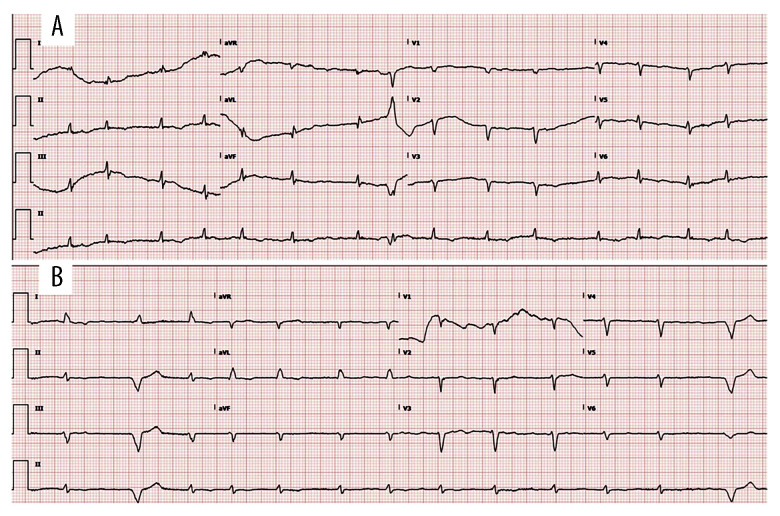
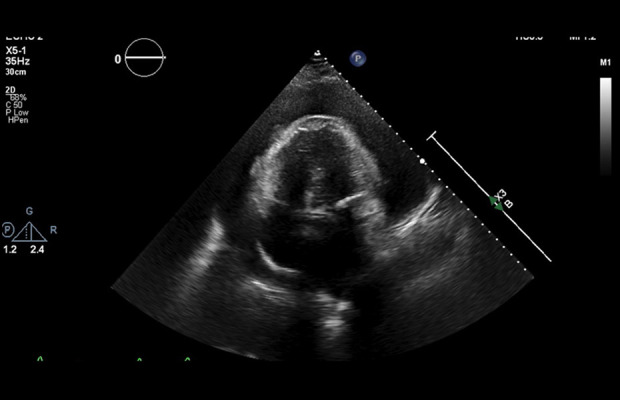
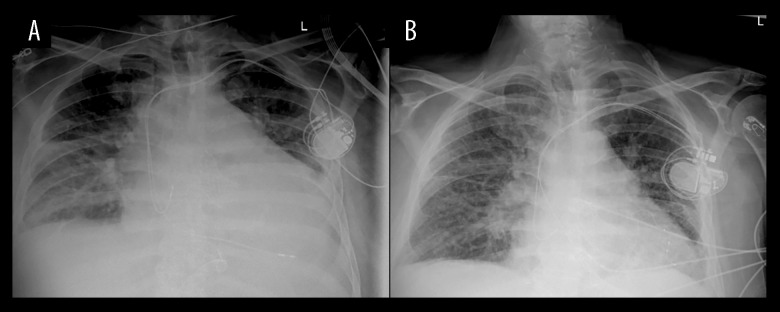
BACKGROUND Despite having many benefits, frequently-used medications may still have potential risks and can cause harm. Hemopericardium is a lethal pathology with a high risk of mortality and a lower differential diagnosis consideration. When adding both mentioned elements, their consideration as a differential diagnosis would require a higher threshold. This report presents a 66-year-old man with atrial fibrillation, heart failure, and aortic stenosis status post transcatheter aortic valve replacement (TAVR) 1 year ago with hemopericardium while treated with apixaban. CASE REPORT We present the case of a 66-year-old man with multiple medical conditions, including atrial fibrillation, heart failure, and aortic stenosis post-transcatheter aortic valve replacement 1 year before admission, who presented with 2 weeks of dyspnea and lower-limb swelling. Initial assessments revealed atrial fibrillation, elevated brain natriuretic peptide, and a chest X-ray indicating possible left pleural effusion and cardiomegaly. On day 4, an echocardiogram identified a large hemopericardium and tamponade, prompting urgent surgery. A pericardial window was performed, draining 1700 cc of bloody fluid. The postoperative improvement included normalized hemodynamics and echocardiographic findings. Pathology confirmed hemopericardium. The follow-up echocardiogram showed improved cardiac function, and the patient was transferred to the general medical floor. CONCLUSIONS This case sheds light on the uncommon but critical complications associated with direct oral anticoagulant therapy. With only a handful of reported cases, the rarity of this condition underscores the need for heightened awareness among clinicians. The patient's intricate medical history accentuates the challenges in managing anticoagulation in individuals with multiple comorbidities.
背景 尽管经常使用的药物有许多好处,但它们仍可能存在潜在风险并导致伤害。血心包是一种致命的病理,死亡率高,鉴别诊断考虑因素低。当同时考虑这两个因素时,作为鉴别诊断的考虑因素需要更高的门槛。本报告介绍了一名 66 岁的男性,他患有心房颤动、心力衰竭和主动脉瓣狭窄,1 年前经导管主动脉瓣置换术(TAVR)后,同时服用阿哌沙班,出现血心包。
病例报告 我们介绍了一名 66 岁的男性,他有多种疾病,包括心房颤动、心力衰竭和主动脉瓣狭窄,1 年前经导管主动脉瓣置换术(TAVR)后,入院前 2 周出现呼吸困难和下肢肿胀。初步评估显示心房颤动、脑利钠肽升高和胸部 X 光片显示可能存在左侧胸腔积液和心脏扩大。第 4 天,超声心动图发现大量血心包和心脏压塞,促使紧急手术。进行了心包开窗术,排出了 1700cc 的血性液体。术后改善包括血流动力学和超声心动图检查正常。病理证实为血心包。随访超声心动图显示心功能改善,患者被转至普通内科病房。
结论 本病例揭示了直接口服抗凝剂治疗相关的罕见但严重的并发症。由于仅报道了少数几例病例,这种情况的罕见性突显了临床医生提高认识的必要性。该患者复杂的病史强调了在有多种合并症的个体中管理抗凝治疗的挑战。